 Skip to content

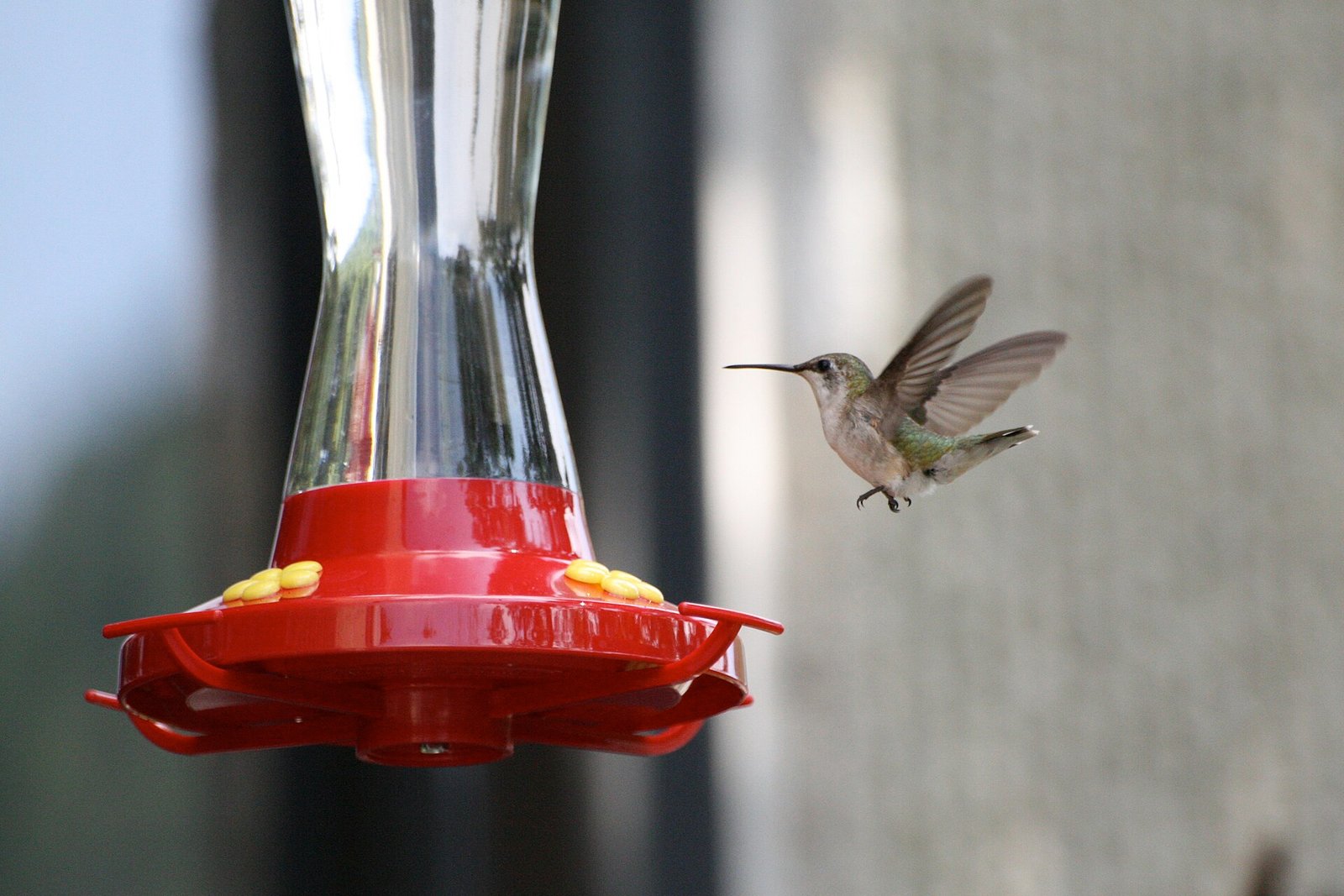
Quick answer: Leave your feeder up for two full weeks after your last hummingbird sighting. Leaving feeders up does not delay migration, which is triggered by day length, and late migrants need the fuel. Timing varies by region, from early September in Canada to year-round on the Pacific Coast.
Every fall, backyard bird lovers ask the same question: when to take down hummingbird feeders? The worry behind it is understandable. Nobody wants to be the reason a tiny bird misses its flight south. The good news is that the real rule is simple, kind, and backed by ornithologists: keep the feeder up longer than you think you need to, not shorter.
This guide explains the two-week rule, why your feeder cannot stop migration, and the right takedown timing for your region. You will also learn how to care for your feeder through fall, when to put it back up in spring, and which parts of the country should keep a hummingbird feeder in winter.

The Two-Week Rule: When to Take Down Hummingbird Feeders Safely
The correct rule is to leave your feeder up for two full weeks after your last hummingbird sighting. Not the day the visits slow down, and not the first chilly morning. Two full weeks of no hummingbirds, and then you can take the feeder down with confidence.
Why two weeks? Because the bird you see at your feeder today may not be the bird you saw yesterday. During fall, hummingbirds move through in waves. Your local summer residents leave first, and then travelers from farther north pass through your yard for days or weeks afterward. These visitors may only stop for a single afternoon, and they are often gone before you notice a pattern.
If you take the feeder down the moment your regulars disappear, you remove a critical refueling stop for the birds still on their way. Keeping it up for two extra weeks costs you almost nothing: a little sugar water and a few minutes of cleaning. For a migrating hummingbird, that same feeder can be the difference between a successful leg of the journey and an empty tank over unfamiliar territory.
A simple habit helps you follow the rule. Note the date of your last sighting on your phone or a kitchen calendar. If two full weeks pass with no visits, the season is over for your yard.
Do Hummingbird Feeders Stop Migration?
No. Leaving your feeder up does not delay migration, and it cannot convince a hummingbird to stay behind. The Cornell Lab of Ornithology and the National Audubon Society both confirm that migration is triggered by changes in day length and the bird’s own hormonal cycles, not by how much food is available.
Think of it this way: hummingbirds have been migrating for thousands of years, long before anyone hung a feeder. Their internal calendar responds to the shortening days of late summer and early fall. When the time comes, they go, whether your feeder is full or sitting in the garage.
In fact, the opposite of the myth is true. A full feeder does not trap birds; it helps them. Migration is enormously demanding. A ruby-throated hummingbird can nearly double its body weight before the journey, and it burns through that fuel fast. Birds that find reliable food along the way arrive at each stopover in better condition. Your feeder is a gas station, not a trap.
So if anyone tells you to take feeders down early to “force” the birds south, you can set the record straight with confidence. The science is clear, and the kindest choice is also the correct one: leave it up.
Hummingbird Migration in Fall: How It Really Works
Understanding fall hummingbird migration makes the two-week rule feel less like a chore and more like common sense. Most of the hummingbirds in the eastern and central United States are ruby-throated hummingbirds. They begin heading south between late August and early October, depending on how far north they started.
Adult males usually leave first, followed by adult females, and then the juveniles. That order matters for your feeder. The last birds through your yard are often young birds on their very first migration, traveling alone with no experienced guide. They are the ones most likely to benefit from an easy, familiar food source.
Western species follow their own schedules. Rufous hummingbirds, famous for their feisty attitude and long journeys, migrate through the mountain West and along the Pacific Coast in late summer and fall. Allen’s and black-chinned hummingbirds have their own timetables too. But the trigger is the same everywhere: day length, not dinner.
If you want to learn more about how migration seasons work across all bird species, read our guide to spring and fall migration seasons. It puts the hummingbird story into the bigger picture of why birds travel at all.

Why Late Migrating Hummingbirds Depend on Your Feeder
Late migrating hummingbirds are the strongest argument for the two-week rule. After your resident birds leave, a second wave of travelers passes through. These are mostly juveniles hatched that same summer, plus birds that nested farther north than you did.
Young hummingbirds face a steep learning curve. They must find food, avoid predators, and navigate thousands of miles, all for the first time. Natural nectar sources are fading in fall as wildflowers go to seed, and insects become scarcer in cool weather. A clean, full feeder in a familiar backyard is exactly the kind of reliable stopover a first-time migrant needs.
You might also see a surprise visitor. Every fall, a few hummingbirds show up far outside their normal range. Western species like rufous or Allen’s hummingbirds sometimes appear in the East, and these vagrants are almost always young birds that drifted off course. They are already at a disadvantage, and your feeder may be one of the few food sources they find.
Planting late-blooming native flowers alongside your feeder gives migrants a natural backup. Our guide to the best flowers that attract hummingbirds lists options that keep blooming into fall, when birds need them most.
When to Take Down Hummingbird Feeders by Region
The two-week rule tells you how to decide. The table below tells you roughly when to start watching. These are general guidelines, not deadlines. Always go by your own last sighting plus two weeks.
| Region | Typical safe takedown window |
|---|---|
| Canada and northern tier states | Early to mid September |
| Midwest and Mid-Atlantic | Late September to mid October |
| Southeast | Mid to late October |
| Texas and Gulf Coast | Late October into November |
| Pacific Coast (Anna’s range) | Often year-round; do not take down |
| Desert Southwest | Late October; some birds overwinter |
These windows assume ruby-throated hummingbirds in the East and the common western species in the West. If you still see birds after your window, keep the feeder up and restart your two-week count from the new last sighting.
How to Care for Your Feeder in Fall
Fall feeder care is the same as summer care, with one extra reason to stay consistent. Clean the feeder every two to three days in warm weather and every four to five days when nights turn cool. Dump the old nectar, scrub with hot water and a bottle brush, and refill with fresh sugar water mixed at one part white sugar to four parts water. Skip the red dye and skip honey, which can grow harmful bacteria.
As nights get colder, you can bring the feeder in at night so the nectar does not freeze, then hang it back out at dawn. Hummingbirds feed most actively in the first hour after sunrise, so do not sleep in on feeder duty. A feeder with a built-in heater, or one wrapped with a string of outdoor-rated lights, can stay out around the clock in borderline climates.
Keep the feeding ports clear of insects. Ants and bees love sugar water too. An ant moat above the feeder and bee guards on the ports solve most problems without chemicals.
When to Put Hummingbird Feeders Back Up in Spring
The spring version of this question has the same spirit: put feeders up before you think you need them. Hang your feeder one to two weeks before hummingbirds are expected in your area. Early males arrive hungry and tired, and a feeder that is already waiting can anchor them to your yard for the whole season.
Arrival dates run from late February in the deep South to mid May in Canada. Watch migration maps from Journey North or eBird in spring to time your setup. If a cold snap hits after you hang the feeder, bring it in at night just like in fall.
Should You Keep a Hummingbird Feeder Up in Winter?
In most of the country, no birds remain once the two-week rule has run its course, and the feeder can come down. But three regions are exceptions. Along the Pacific Coast, Anna’s hummingbirds stay all winter and rely on feeders when flowers are scarce. On the Gulf Coast and in parts of the Southeast, rufous and other western hummingbirds increasingly overwinter. In the desert Southwest, Costa’s and Anna’s hummingbirds may visit all winter.
If you live in one of these areas, keep at least one feeder up and maintained through winter. Use a heated feeder or bring it in on freezing nights. You are not breaking the rules by doing this. You are following the deeper rule behind the rule: feed the birds that are actually there.
Common Myths About Taking Down Hummingbird Feeders
- Myth: Feeders keep hummingbirds from migrating: False. Day length triggers migration, not food supply. Birds leave on schedule with full feeders behind them.
- Myth: You must take feeders down by Labor Day: False. That advice is decades old and ignores late migrants and regional differences. Use the two-week rule instead.
- Myth: Cold nectar harms hummingbirds: Mostly false. Birds drink cold nectar from flowers every morning. Just avoid letting it freeze solid.
- Myth: Leaving feeders up helps only ruby-throats: False. Vagrant western species in the East depend on late feeders too.

Frequently Asked Questions
When should I take down my hummingbird feeder in fall?
Take it down two full weeks after your last hummingbird sighting. In most northern areas that means sometime in September or October, but your own sightings matter more than the calendar.
Will leaving my feeder up stop hummingbirds from migrating?
No. Migration is triggered by shortening day length and hormonal changes, not by food availability. A full feeder cannot keep a hummingbird from migrating.
What if I still see hummingbirds in November?
Keep the feeder up. Late birds are often juveniles or off-course vagrants that need the help. Restart your two-week count from each new sighting.
Can I leave my hummingbird feeder up all winter?
On the Pacific Coast, Gulf Coast, and in the desert Southwest, yes. Anna’s, rufous, and Costa’s hummingbirds may overwinter there. Elsewhere, take it down once the two-week rule is satisfied.
How often should I clean the feeder in fall?
Every two to three days in warm weather, every four to five days once nights turn cool. Always use fresh one-to-four sugar water and skip red dye.
When do I put the feeder back up in spring?
Hang it one to two weeks before hummingbirds are expected in your area, from late February in the South to mid May in Canada.
The Bottom Line
The two-week rule is the whole answer to when to take down hummingbird feeders: wait two full weeks after your last sighting, then take it down with a clear conscience. Your feeder never stopped a migration, and it has fueled more journeys than you will ever see. Clean it one last time, store it dry, and be ready to hang it early next spring. The birds will remember the yard that fed them well.





