
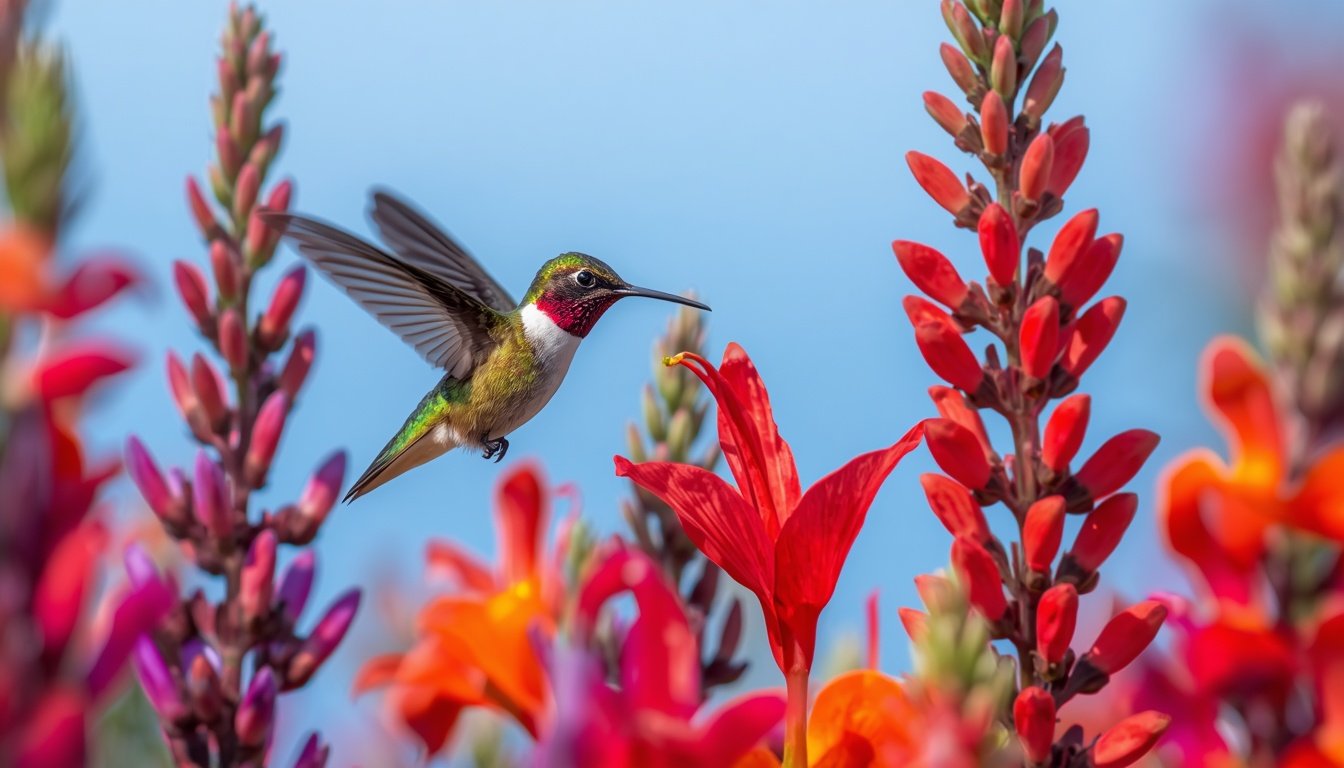
Hummingbirds are some of the most mesmerizing visitors you can expect to welcome into your backyard. Those dazzling feathers, wings that zip past in a blur, and their constant snacking around make your garden feel like it’s actually alive.
While hanging a sugar-water feeder can be a quick way to get these little birds in. And it’s a pretty reliable trick: planting flowers that are hummingbirds’ cup of tea is much more natural. Actually pretty cool way to help these amazing birds make the most of your garden over the long run.
Native flowers are just the ticket they give hummingbirds the fresh nectar they need, a safe spot to hang out, and even pull in the odd small insect that these birds rely on as a protein snack. And the great thing is that, unlike those artificial feeders, which can be a bit of a gimmick.
A well-thought-out garden provides birds with everything they need and benefits other wildlife, such as butterflies, bees, and other pollinators, which are equally important. What’s even better is that many of these native species don’t require much fuss and are pretty good at weathering drought. Keep blooming all season long so you can enjoy a beautiful garden that is also a haven for local wildlife.
In this little guide, we’re going to explore the top flowers that hummingbirds just can’t get enough of, find out what it is about certain blooms that makes them irresistible to these tiny birds, and show you the best of the native plants that can turn your yard into a real-deal hummingbird paradise.
Why Native Flowers Attract Hummingbirds Better Than Feeders
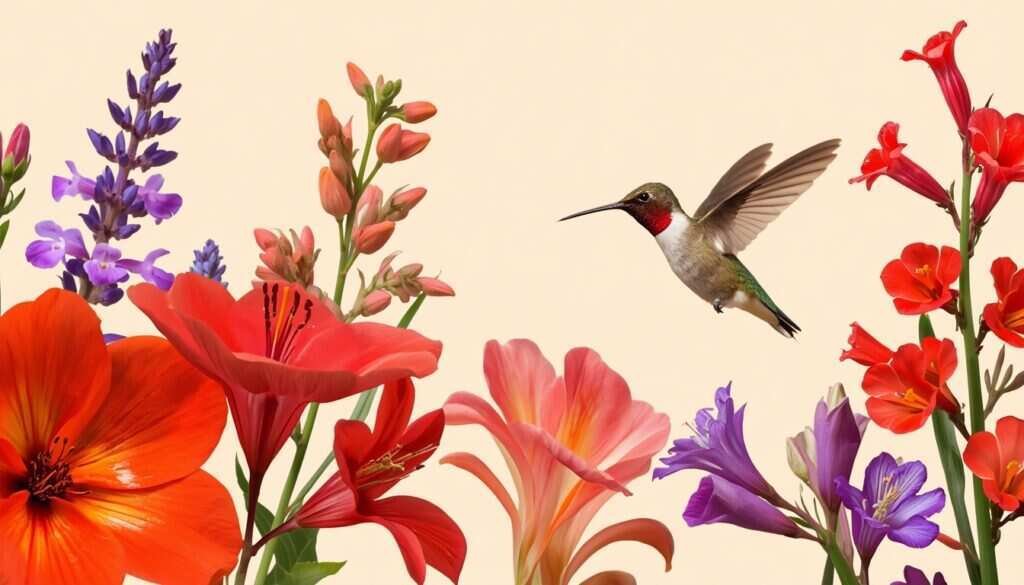
A hummingbird feeder may bring occasional visitors, but a garden filled with native flowers creates an ecosystem that keeps birds coming back year after year. Native plants have evolved alongside local wildlife, making them one of the most reliable food sources available.
Here are some of the biggest advantages of planting native flowers.
1. They Provide Natural, Nutrient-Rich Nectar
Artificial nectar is made up of nothing more than sugar and water, whereas the real deal is fresh nectar that’s constantly being produced by flowering plants all season long. Many native species of flowers have the added benefit of attracting tiny insects, and that’s a real boon to hummingbirds. Especially when they’re busy raising babies during nesting season.
2. They Bloom When Hummingbirds Need Them Most
Different flowers bloom at different times of the year. But that’s no bad thing, since early spring flowers give those hummingbirds the kick in the pants they need when they’re migrating. While summer and fall blooms help get them in top shape for those long-haul flights to come. The key is choosing a mix of flowers that bloom at different times of the year. So you’ve always got something in bloom.
3. They Support Entire Pollinator Communities
Many flowers that just happen to attract hummingbirds and butterflies also happen to provide nectar for the likes of bees, moths, and other beneficial insects. By planting a garden with a good mix of flowers, you’ll be well on your way to a healthy dose of biodiversity & creating a pretty lively outdoor space.
4. Native Plants Require Less Maintenance
Because native flowers are adapted to local soil and weather conditions, they generally require:
- Less watering
- Fewer fertilizers
- Reduced pest control
- Better drought tolerance
- Greater resistance to local diseases
That means less work for you and more reliable blooms for hummingbirds.
What Makes Flowers That Attract Hummingbirds So Appealing?
Not every flower attracts hummingbirds equally. These remarkable birds have evolved to seek out specific flower characteristics that maximize their energy intake.
Understanding what hummingbirds look for will help you build a garden they can’t resist.
Bright Colors Instantly Grab Their Attention
Unlike many insects, hummingbirds rely heavily on sight when searching for nectar.
Their favorite flower colors include:
- Bright red
- Scarlet
- Orange
- Coral
- Hot pink
- Deep magenta
- Purple
Although red is the classic hummingbird color, they’ll happily visit almost any brightly colored flower if it offers plenty of nectar.
Tube-Shaped Flowers Hold More Nectar
Many of the flowers that hummingbirds are attracted to have long, tubular blooms.
These flowers are perfectly designed for a hummingbird’s slender bill and extendable tongue, allowing the birds to reach nectar that many insects cannot access.
Common tubular flowers include:
- Salvia
- Bee balm
- Trumpet honeysuckle
- Cardinal flower
- Penstemon
Long Blooming Seasons Keep Birds Returning
Hummingbirds burn enormous amounts of energy every day. They need dependable food sources throughout spring, summer, and early fall.
Plants that bloom for several months are especially valuable because they provide consistent nectar without requiring constant replanting.
15 Best Flowers That Attract Hummingbirds Fast
If your goal is to attract hummingbirds quickly, focus on nectar-rich native plants that bloom abundantly and provide easy access to food. Many of these species also rank among the best flowers that attract butterflies and hummingbirds, creating a colorful garden filled with pollinators.
1. Salvia (Sage)
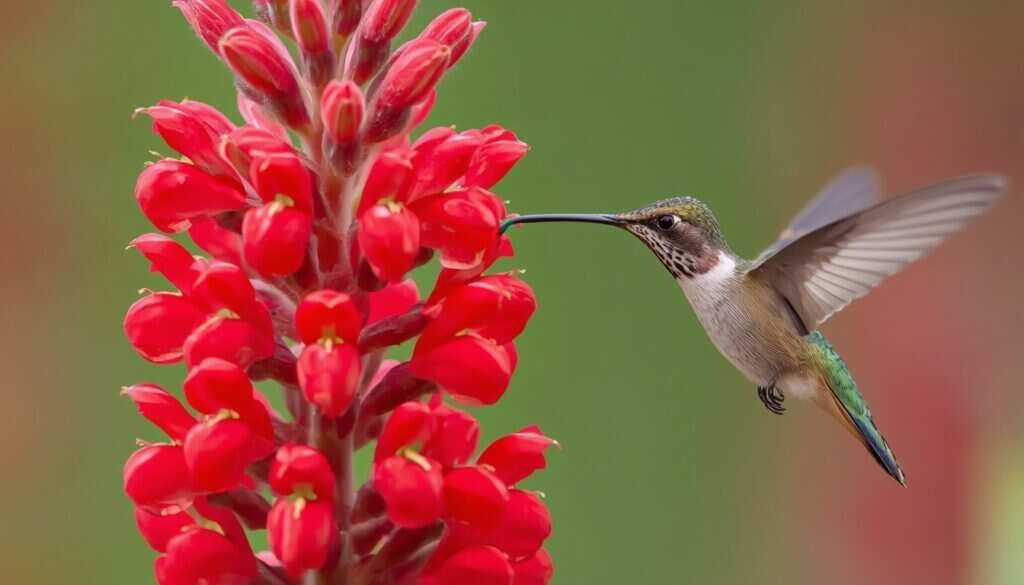
Salvia is often considered one of the very best flowers that attract hummingbirds thanks to its long-lasting blooms and nectar-rich tubular flowers.
Why hummingbirds love it
- Continuous nectar production
- Bright red, purple, pink, and blue flowers
- Blooms from late spring until frost
Growing conditions
- Full sun
- Well-drained soil
- Moderate watering
Many native salvias are drought-tolerant, making them ideal for water-wise landscapes.
2. Bee Balm (Monarda)
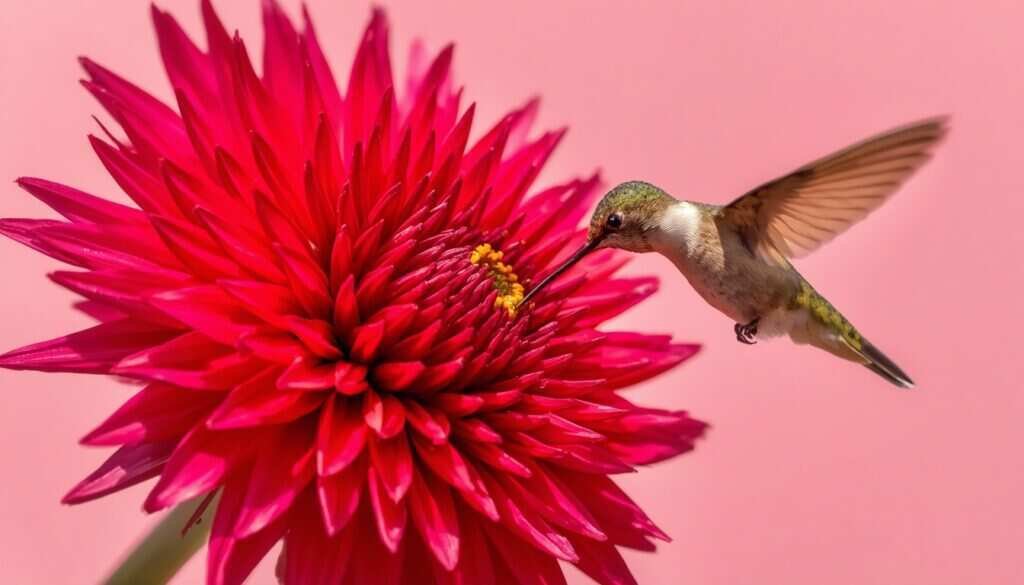
Bee balm produces brilliant red, pink, or purple blooms that hummingbirds can spot from remarkable distances.
Its shaggy flowers produce abundant nectar while adding vibrant color to any pollinator garden.
Best features
- Long blooming season
- Native perennial
- Fragrant foliage
- Excellent for pollinator gardens
Bee balm is also one of the best flowers that attract hummingbirds and butterflies, making it a favorite among wildlife gardeners.
3. Trumpet Honeysuckle
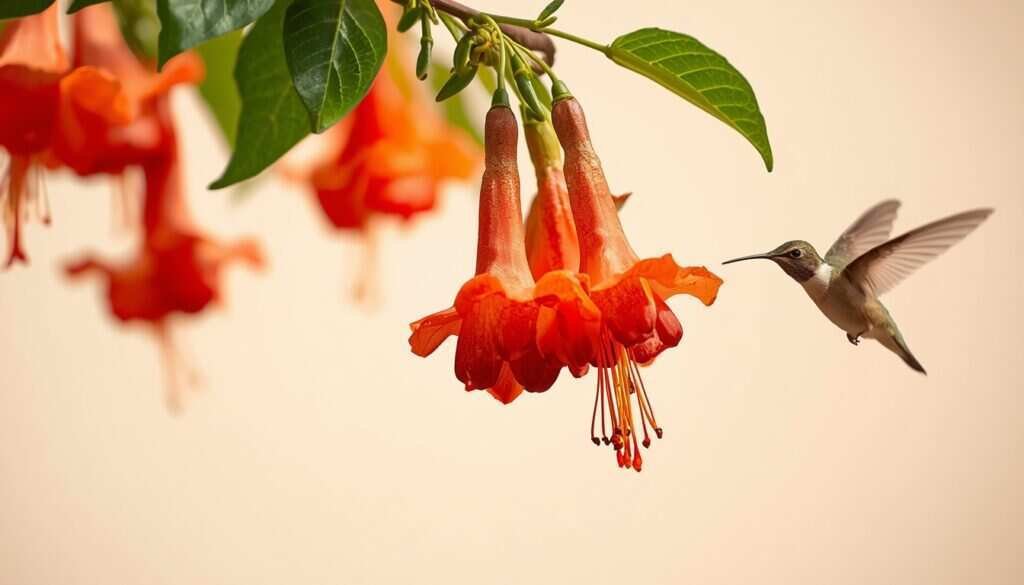
Unlike invasive honeysuckle varieties, native trumpet honeysuckle offers a safe and valuable nectar source.
Its long tubular flowers bloom in brilliant shades of orange and red.
Ideal growing conditions
- Full sun to partial shade
- Trellises
- Fences
- Arbors
This vigorous climbing vine can provide flowers for several months.
4. Eastern Columbine
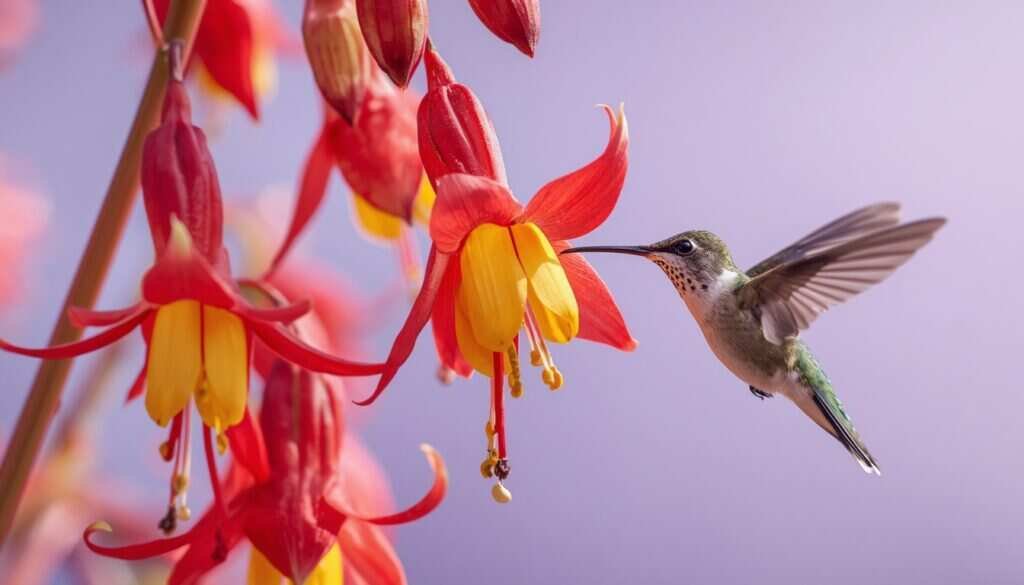
Eastern columbine is among the first nectar-producing flowers available each spring. Its delicate red and yellow bell-shaped blooms provide critical food for hummingbirds returning from migration.
Why gardeners love it
- Native woodland perennial
- Shade tolerant
- Early blooming
- Easy to grow
Because it flowers before many other plants, columbine helps fill an important seasonal gap in nectar.
5. Cardinal Flower
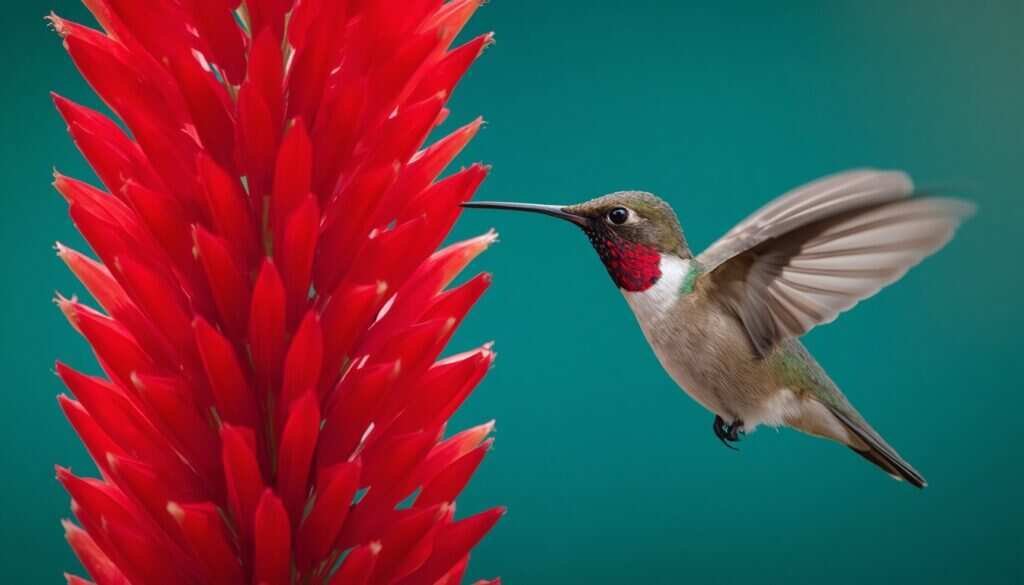
Few flowers rival the stunning scarlet blooms of the cardinal flower. These tall flower spikes produce abundant nectar and are especially attractive to ruby-throated hummingbirds.
Growing requirements
- Moist soil
- Full sun to partial shade
- Consistent watering
Cardinal flowers thrive near ponds, streams, rain gardens, and damp borders.
6. Coral Honeysuckle
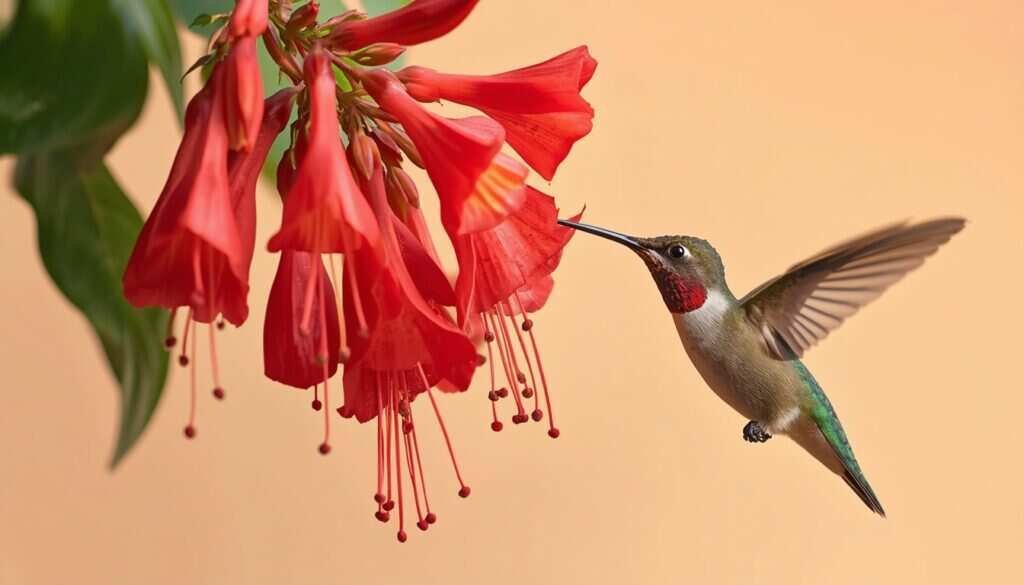
Coral honeysuckle is another outstanding native vine covered with trumpet-shaped blooms. Unlike invasive Japanese honeysuckle, this species supports local wildlife without spreading aggressively.
Benefits
- Long flowering season
- Heat tolerant
- Easy to train on structures
- Excellent nectar production
Its bright coral-red flowers make it one of the most reliable hummingbird plants available.
7. Scarlet Sage
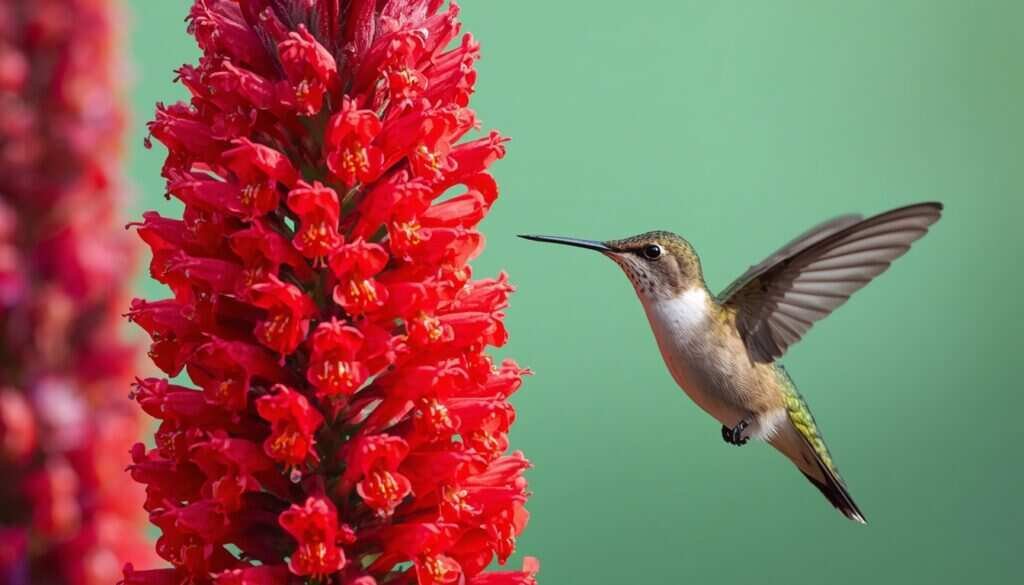
Scarlet sage produces bright red flower spikes that bloom continuously during warm weather. The vivid blooms act like beacons for hummingbirds searching for nectar.
Best growing conditions
- Full sun
- Well-drained soil
- Moderate watering
Deadheading spent flowers encourages even more blooms throughout the season.
8. Penstemon (Beardtongue)
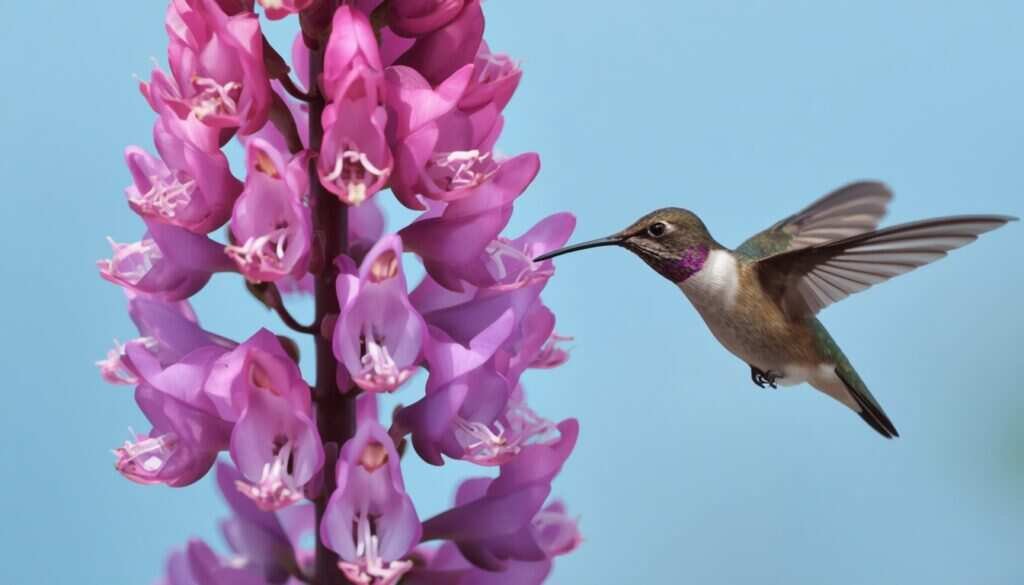
Penstemon produces elegant tubular flowers in shades of pink, purple, red, white, and blue. Wide native varieties are exceptionally drought-tolerant.
Why plant penstemon?
- Long nectar tubes
- Native prairie species
- Low maintenance
- Excellent pollinator value
Penstemon is one of the finest perennial flowers that attract hummingbirds and return year after year with minimal care.
9. Wild Bergamot
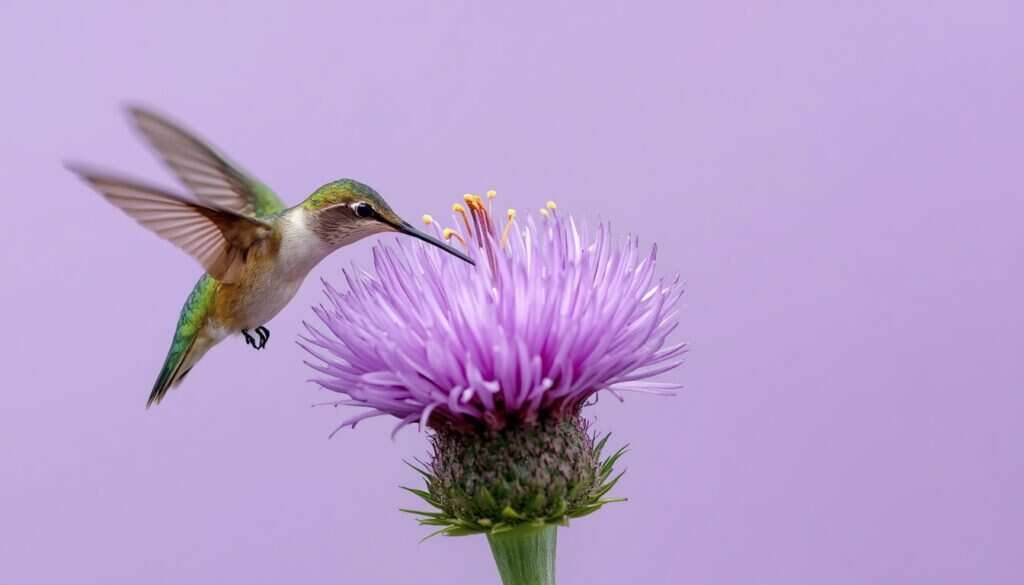
Wild bergamot is closely related to bee balm and produces clusters of lavender-colored flowers that hummingbirds eagerly visit.
Its fragrant leaves also help deter some garden pests naturally.
Garden benefits
- Native perennial
- Supports butterflies and bees
- Easy to grow
- Drought tolerant after establishment
Wild bergamot works beautifully in meadow-style gardens.
10. Blanket Flower
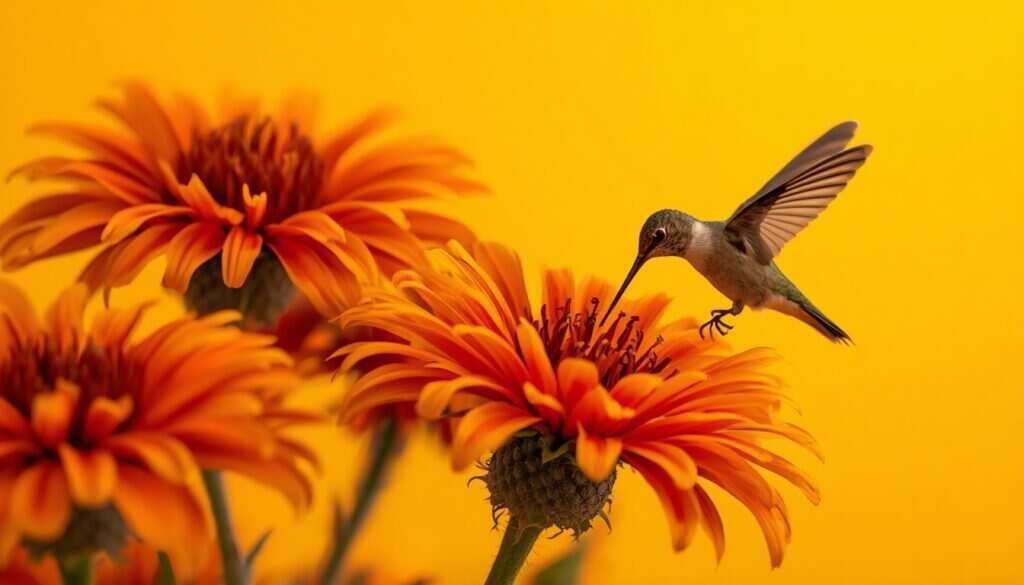
Blanket flower adds bold red, orange, and yellow blooms to sunny gardens.
Although its flowers aren’t deeply tubular, they produce enough nectar to attract hummingbirds while supporting numerous pollinators.
Growing advantages
- Extremely heat tolerant
- Long flowering season
- Low maintenance
- Excellent for poor soils
Its cheerful blooms continue from early summer well into autumn.
11. Lupine
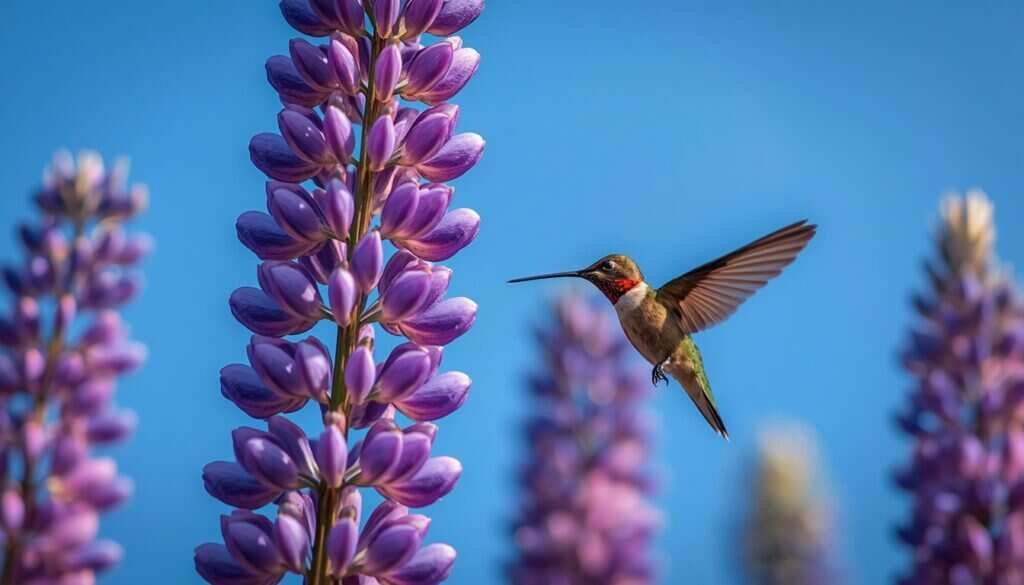
Lupines are known for their tall, colorful flower spikes that bloom in spring and early summer. Their nectar-rich blossoms provide an important food source for hummingbirds arriving after migration, especially when other flowers are just beginning to bloom.
Many native lupine species also improve soil quality by fixing nitrogen, making them a valuable addition to pollinator gardens.
Why hummingbirds love lupines
- Early-season nectar source
- Dense flower spikes with multiple blooms
- Bright blue, purple, pink, white, and red flowers
- Supports young hummingbirds during nesting season
Growing Conditions
- Sunlight: Full sun to partial shade
- Soil: Well-drained, slightly sandy soil
- Bloom Time: Spring to early summer
- USDA Zones: 4–8
12. Fire Pink
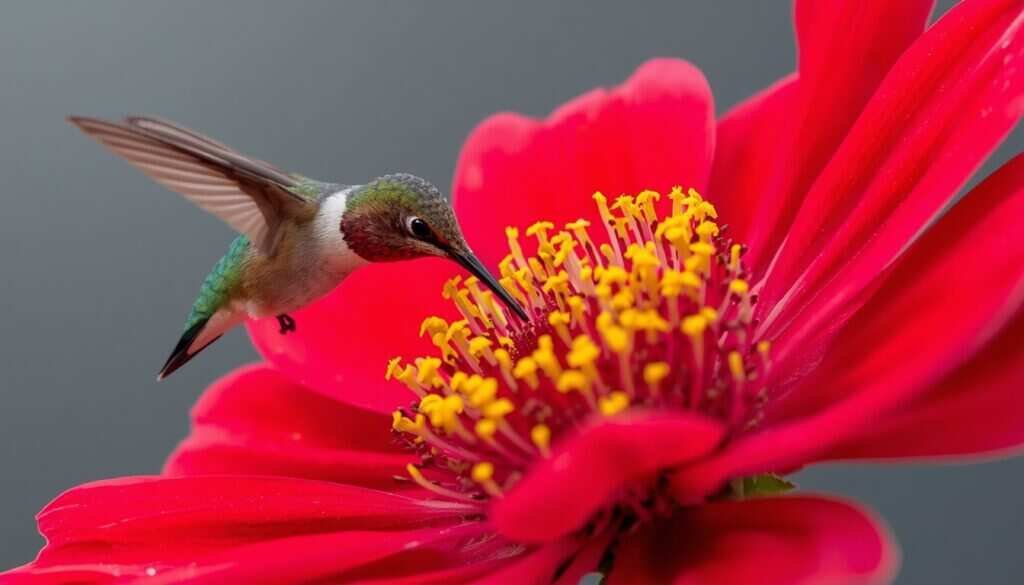
Fire Pink (Silene virginica) is one of North America’s most eye-catching native wildflowers. Its vivid scarlet-red blooms almost seem designed specifically for hummingbirds.
Because it flowers in spring, Fire Pink provides valuable nectar just as hummingbirds begin establishing breeding territories.
Why it stands out
- Brilliant scarlet blooms
- Native woodland perennial
- Excellent early nectar source
- Long-lasting flowers
Growing Conditions
- Sunlight: Partial shade to full sun
- Soil: Moist but well-drained
- Bloom Time: Mid to late spring
- USDA Zones: 4–8
13. Jewelweed
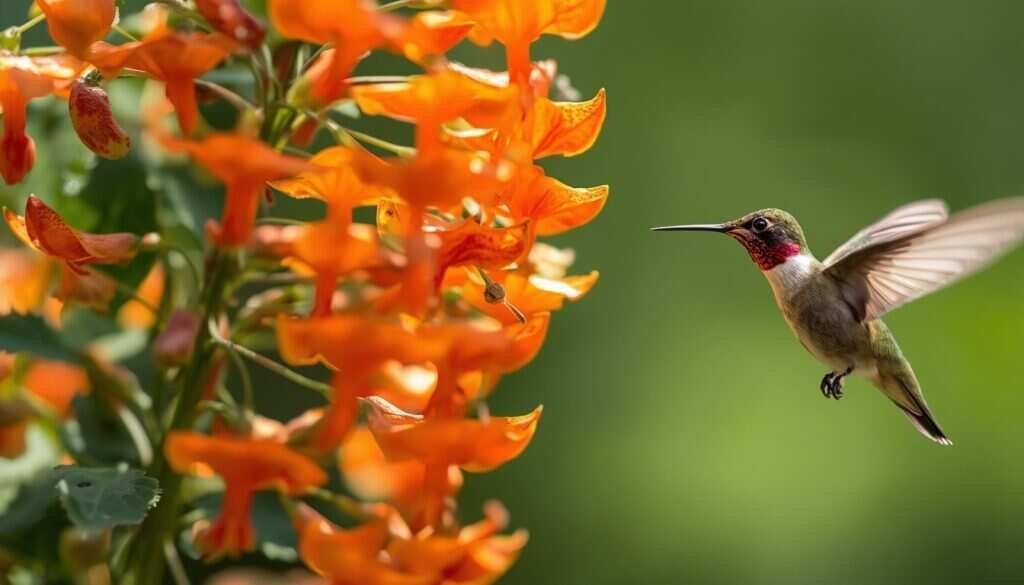
Jewelweed grows naturally in moist woodlands and stream banks. Its dangling orange flowers are packed with nectar and attract hummingbirds throughout late summer.
It also plays an important ecological role by supporting native pollinators and serving as a host plant for several butterfly species.
Benefits
- Easy native wildflower
- Thrives in damp areas
- Excellent nectar production
- Late-season blooms
Growing Conditions
- Sunlight: Partial shade
- Soil: Moist to wet soil
- Bloom Time: Summer through early fall
- USDA Zones: 2–11
14. Petunias
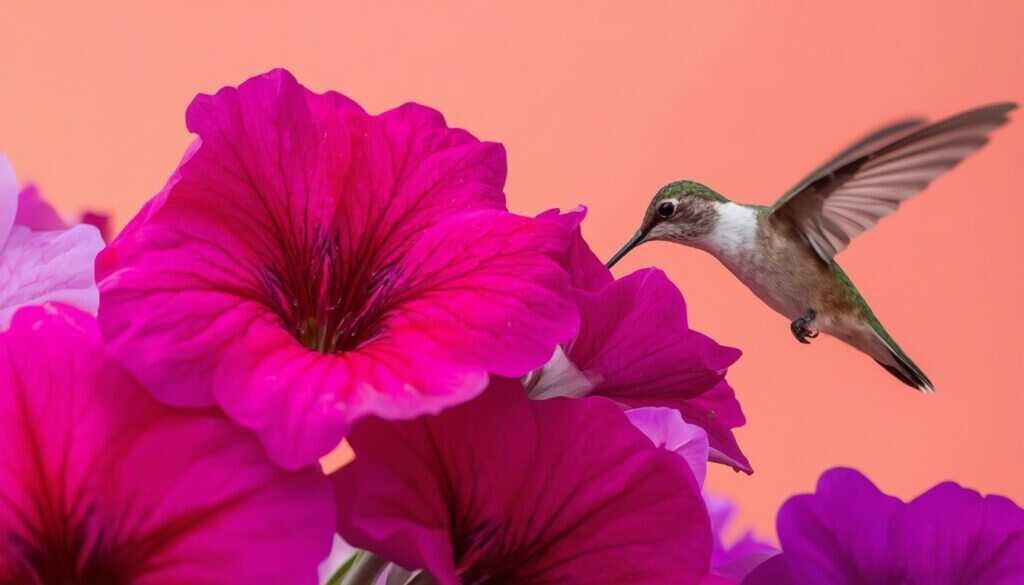
Although petunias are not native throughout North America, they’re among the easiest annuals to grow in containers and hanging baskets.
Their trumpet-shaped flowers continuously produce nectar throughout the growing season, making them an excellent choice for patios, balconies, and small gardens.
Why gardeners love them
- Continuous blooming
- Great for containers
- Wide variety of colors
- Beginner friendly
Petunias work especially well when paired with native perennials to create a garden that offers nectar from spring through fall.
Growing Conditions
- Sunlight: Full sun
- Soil: Rich, well-drained soil
- Bloom Time: Spring until frost
- USDA Zones: Annual in most regions
15. Trumpet Creeper (Trumpet Vine)
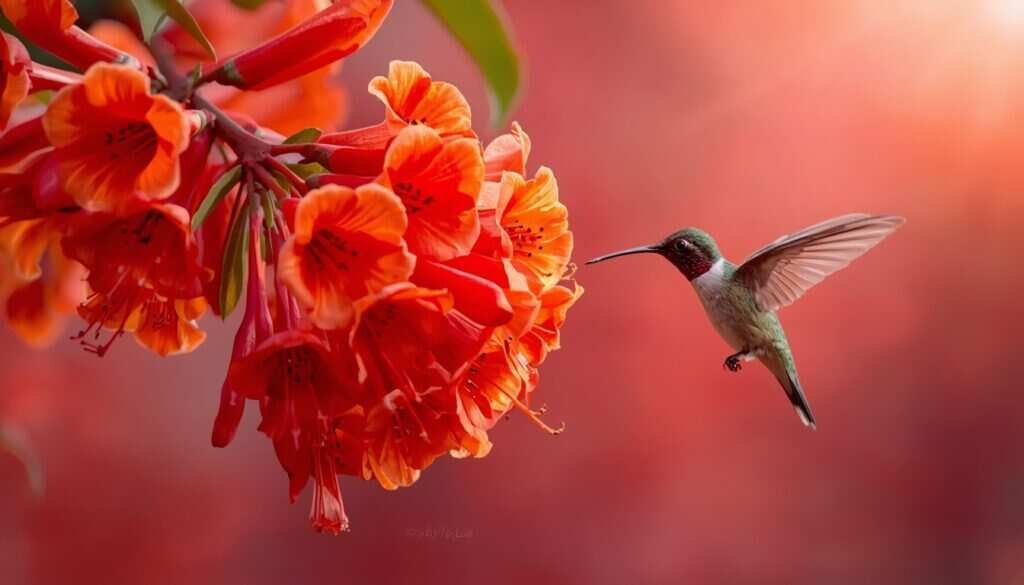
Few vines produce as much nectar as the native Trumpet Creeper. During summer, its large clusters of orange-red trumpet flowers become magnets for hummingbirds.
Because this vine grows rapidly, it works best on sturdy fences, pergolas, or trellises where it has room to spread.
Advantages
- Massive nectar production
- Long blooming season
- Excellent wildlife value
- Creates natural shade
Growing Conditions
- Sunlight: Full sun
- Soil: Adaptable to most soils
- Bloom Time: Summer
- USDA Zones: 4–9
Native Flowers by Growing Region
Choosing plants native to your region greatly increases your chances of attracting hummingbirds quickly. Native species bloom at the right time, tolerate local weather, and require less maintenance than non-native ornamentals.
Northeast
Gardeners in the Northeast should consider:
- Bee Balm
- Eastern Columbine
- Cardinal Flower
- Lupine
- Wild Bergamot
These species thrive in cooler climates and provide nectar throughout the growing season.
Southeast
Warm southern climates support a wide variety of nectar-rich flowers.
Top choices include:
- Coral Honeysuckle
- Trumpet Honeysuckle
- Scarlet Sage
- Fire Pink
- Cardinal Flower
Many of these plants bloom for several months, ensuring a reliable food source during the region’s long growing season.
Midwest
Prairie and meadow gardens perform exceptionally well in the Midwest.
Recommended plants include:
- Penstemon
- Bee Balm
- Blanket Flower
- Wild Bergamot
- Salvia
These hardy natives tolerate heat, wind, and occasional drought while supporting numerous pollinators.
Southwest
Dry climates require drought-tolerant native species.
Excellent options include:
- Desert Penstemon
- Native Salvias
- Agastache (Hummingbird Mint)
- Scarlet Sage
- Desert Honeysuckle
These plants flourish in sunny conditions while producing abundant nectar.
Pacific Northwest
Gardeners in the Pacific Northwest can grow:
- Western Columbine
- Native Honeysuckle
- Penstemon
- Red Flowering Currant
- Bee Balm
These species thrive in the region’s mild temperatures and seasonal rainfall.
Best Flowers That Attract Hummingbirds for Sunny Gardens
Most hummingbird-friendly plants perform best in full sunlight. If your yard receives at least six hours of direct sun each day, you’ll have countless planting options.
Excellent sun-loving flowers include:
- Salvia
- Bee Balm
- Penstemon
- Blanket Flower
- Trumpet Honeysuckle
- Scarlet Sage
- Lupine
Planting these species together creates colorful nectar stations that hummingbirds can easily spot while flying overhead.
Best Flowers for Shade Gardens
Even shady landscapes can become hummingbird havens.
These flowers tolerate partial shade while continuing to produce nectar-rich blooms:
- Eastern Columbine
- Cardinal Flower
- Fire Pink
- Jewelweed
- Coral Honeysuckle
Combining shade-loving flowers with native shrubs provides both food and shelter for visiting birds.
Container Flowers That Attract Hummingbirds
You don’t need a large backyard to enjoy hummingbird visits. Many nectar-rich flowers thrive in containers, making them perfect for patios, balconies, and apartment gardens.
Some of the best container plants include:
- Petunias
- Salvia
- Compact Penstemon
- Coral Bells
- Dwarf Bee Balm
Use large containers with quality potting mix, water regularly during hot weather, and remove spent flowers to encourage continuous blooming.
Common Mistakes That Keep Hummingbirds Away
Even beautiful gardens can fail to attract hummingbirds if a few common mistakes are made.
Avoid these problems:
- Planting only one flower species
- Choosing double-flowered varieties with little nectar
- Growing invasive plants instead of native species
- Using excessive pesticides
- Allowing long gaps between bloom seasons
- Removing nearby shrubs that provide shelter
- Neglecting regular watering during hot weather
A diverse garden with continuous blooms is far more attractive than one filled with only a few flowering plants.
Native Plants vs. Non-Native Flowers
While many ornamental flowers provide nectar, native plants generally offer greater ecological value.
| Feature | Native Flowers | Non-Native Flowers |
|---|---|---|
| Nectar production | Excellent | Varies |
| Wildlife support | High | Moderate |
| Water requirements | Lower | Often higher |
| Pest resistance | Better adapted | Varies |
| Maintenance | Lower | Moderate |
| Biodiversity benefits | Outstanding | Limited |
For long-term success, make native plants the foundation of your hummingbird garden and supplement them with carefully selected ornamentals.
Frequently Asked Questions
What flowers attract hummingbirds the fastest?
Salvia, Bee Balm, Cardinal Flower, Trumpet Honeysuckle, and Penstemon are among the fastest flowers that attract hummingbirds because they produce abundant nectar and bright tubular blooms that are easy for hummingbirds to spot.
Are red flowers the only flowers hummingbirds visit?
No. Although hummingbirds are strongly attracted to red flowers, they also feed from orange, pink, purple, coral, and even white blooms if they provide plenty of nectar.
What are the best perennial flowers that attract hummingbirds?
Some of the best perennial flowers that attract hummingbirds include Bee Balm, Penstemon, Cardinal Flower, Wild Bergamot, Salvia, Columbine, and Fire Pink. These plants return every year and provide reliable nectar with minimal maintenance.
Can the same flowers attract butterflies and hummingbirds?
Absolutely. Many flowers that attract hummingbirds and butterflies also support bees and other pollinators. Bee Balm, Salvia, Penstemon, Blanket Flower, and Wild Bergamot are excellent choices for creating a vibrant, wildlife-friendly garden.
Can I attract hummingbirds without a feeder?
Yes. A garden filled with flowers that hummingbirds are attracted to often provides a more natural and sustainable food source than sugar-water feeders alone. Native flowers also attract insects that hummingbirds eat for protein, creating a healthier habitat overall.
How many flowers should I plant?
For the best results, plant at least three to five of the same species together in large clusters. This makes the blooms more visible and encourages hummingbirds to visit repeatedly.
Conclusion
Planting flowers that draw in those beautiful hummingbirds is as easy as it is rewarding- and it can completely transform your outdoor space into a wildlife haven. By picking plants with nectar-rich blooms & bright, tubular flowers, and also staggering when they bloom.
You’ll be able to provide those hummingbirds with a steady food source right from spring all the way through to fall. A lot of these same plants are going to attract both butterflies & hummingbirds alike, and that will bring even more buzz and color to your garden.
Whether you’re creating a big backyard garden or just adding a few pots to your tiny patio, choosing flowers that keep hummingbirds coming back for more can make life a whole lot easier for you, and do some real good for the local wildlife at the same time.
With a bit of forward thinking & a good mix of flowers native to your area, your garden will become a magnet for hummingbirds, butterflies, bees & other beneficial pollinators in the neighborhood.