 Skip to content

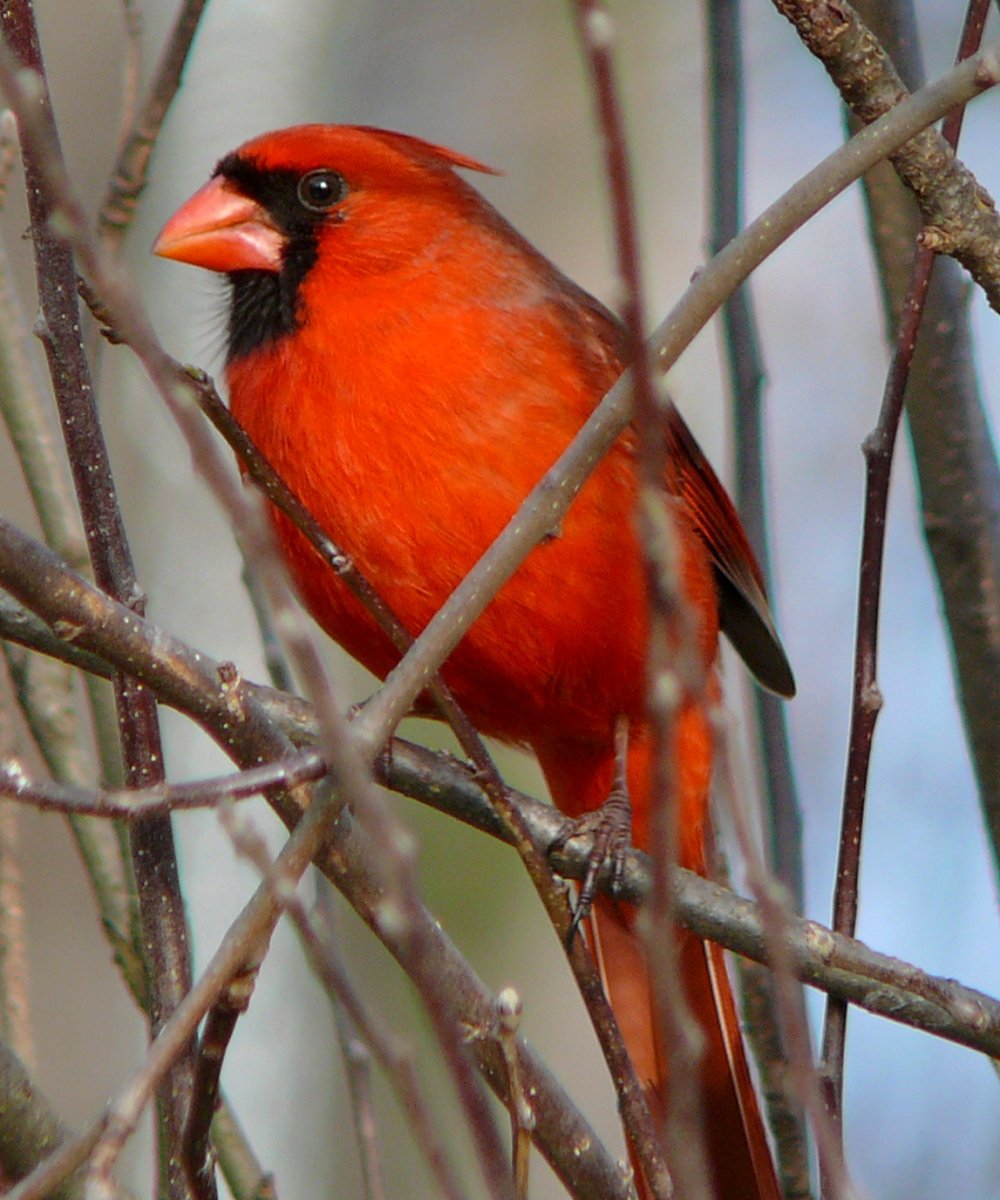
Wondering how to attract cardinals to your yard? Offer black oil sunflower seeds and safflower seeds in platform or hopper feeders, plant dense native shrubs and evergreens for shelter and nesting, provide fresh water year-round, and avoid pesticides. Northern Cardinals do not migrate, so these steps reward you with brilliant red visitors in every season, including winter.
Few backyard birds inspire devotion the way the Northern Cardinal does. The male flashes crimson against fresh snow, while the female, warm brown with red highlights on her wings, crest, and tail, sings back to him in clear whistled phrases. Learning how to attract cardinals is one of the most rewarding beginner birding projects because cardinals respond quickly to the right setup and then stay for years.
Cardinals are bold, noisy, and loyal to good feeding spots. Give them food they can crack, perches they can sit on, cover they can dive into, and water they can drink every day, and they will visit. This guide shows you exactly how to make your yard irresistible to them.

Do Cardinals Migrate? The Year-Round Advantage
Do cardinals migrate south for the winter? No. Northern Cardinals do not migrate. They stay in the same territory all year, through heat, storms, and snow. That makes them one of the best birds a backyard birder can invest in, because every improvement you make to your yard pays off twelve months a year. For range maps, songs, and identification tips, see the All About Birds Northern Cardinal guide.
This year-round presence is why winter feeding matters so much. A heated bird bath and a full hopper feeder in January will keep the same cardinals that entertained you in July.
Because they never leave, cardinals also become regulars. They learn your feeding schedule, recognize your yard’s safe spots, and often bring their fledglings back to the same feeders.
How to Attract Cardinals With the Right Food
What is the best food for cardinals? If you’re learning how to attract cardinals, start here: black oil sunflower seed is the single most effective attractant. Its thin shell cracks easily under a cardinal’s heavy bill, and it packs more energy per bite than striped sunflower or safflower.
Best food for cardinals: the top five seeds
- Black oil sunflower seeds: the number one choice. The thin shells crack easily under a cardinal’s bill, and the high fat content fuels them through winter. Buy them by the bag in bulk.
- Safflower seeds: cardinals love safflower, and squirrels and many blackbirds tend to leave it alone, which means less competition at the feeder.
- Cracked corn: an inexpensive favorite that cardinals happily pick up from platform feeders and the ground. It works best as part of a mix rather than the only offering.
- Peanut hearts: shelled, broken peanut pieces are high in protein and fat. Cardinals eat them eagerly, especially in cold weather and breeding season.
- Berries: native berries such as dogwood, serviceberry, and winterberry fruits are a natural staple. Planting berry shrubs does double duty as food and habitat.
Skip the cheap mixed bags loaded with milo, wheat, and red millet. Cardinals push filler seeds aside, and the waste ends up rotting on the ground. A straight bag of black oil sunflower seed outperforms almost every bargain mix.
During breeding season, cardinals shift toward protein. Parents feed their nestlings almost entirely on insects, including caterpillars, beetles, and grasshoppers. A yard sprayed for insects starves baby cardinals, so avoid pesticides and let the cardinals do their own pest control.
How to Attract Cardinals: Best Cardinal Feeder Type for Your Yard
Which cardinal feeder type works best? When deciding how to attract cardinals, start with platform or tray feeders and hopper feeders with wide perches. Cardinals are large, heavy-billed birds that like to sit upright and eat, so perches and trays must feel sturdy.
Choosing the right feeder style
- Platform or tray feeders: the top pick for cardinals. These open trays, set about five feet off the ground or hung from a shepherd’s hook, let cardinals land, perch, and crack seeds comfortably. They also work beautifully for scattered mixed seed and peanuts.
- Hopper feeders: a house-style feeder with a wide landing ledge works well. Choose one with a sturdy, roomy perch tray so the cardinal can sit upright and reach the ports.
- Large tube feeders: most standard tube feeders have small perches and tiny ports that cardinals cannot use comfortably. If you want a tube feeder for cardinals, pick one with large perches or an attached seed tray at the base.
- Ground feeding: cardinals are natural ground foragers, happily hopping under shrubs and feeders for fallen seed. Scattering black oil sunflower seed on a clean patch of ground or a ground tray near cover is one of the simplest ways to feed them.
Placement matters as much as style. Position feeders within about ten to fifteen feet of dense shrubs so cardinals can dart to cover when a hawk passes, but keep the area open enough that cats cannot stalk unseen.
Clean your feeders regularly. Dump out wet, moldy seed, scrub trays with a mild bleach solution, and let them dry fully before refilling. Rake up discarded hulls under feeders every week or two to keep the ground feeding area safe.
Food and feeder comparison table
| Food or feeder | Why cardinals like it | Best use |
|---|---|---|
| Black oil sunflower seed | Thin shell, easy to crack, high energy | Everyday staple in any feeder |
| Safflower seed | Loved by cardinals, ignored by squirrels and many blackbirds | Reducing competition at feeders |
| Cracked corn | Cheap and easy to eat from the ground | Ground trays and platform feeders |
| Peanut hearts | Protein-rich, shell-free | Cold weather and nesting season |
| Platform feeder | Roomy surface for a large perching bird | Main cardinal feeding station |
| Hopper feeder with wide ledge | Lets cardinals sit upright while feeding | Covered seed that stays dry |
| Large tube feeder with tray | Sturdy perches fit a cardinal’s body | Added feeding space near cover |
If you want a deeper breakdown of seed choices for every backyard species, see our guide to the best bird seeds for different birds in the USA.
Plants That Attract Cardinals: Building Cover and Natural Food
Which plants attract cardinals? If you’re learning how to attract cardinals with landscaping, plant dense native shrubs and evergreen trees such as dogwood, serviceberry, elderberry, juniper, Eastern red cedar, winterberry holly, arborvitae, and spruce. They give cardinals the shelter, nesting sites, and berries they depend on. Cardinals nest low, only three to ten feet off the ground, so thickets and brushy borders matter more than tall canopy trees.
Cardinals are edge birds. In the wild they live where woods meet meadow: thickets, hedgerows, and brushy field borders. Recreate that with layered borders: low shrubs in front, medium shrubs behind, and small trees or evergreens at the back. That layered wall gives cardinals food, hiding spots, and nesting cover.
Top plant picks for cardinals
- Dogwood: berries ripen in fall and feed migrating and resident birds alike. Its branching structure makes a fine nest site.
- Serviceberry: early summer berries are devoured by cardinals and dozens of other species. A true backyard workhorse.
- Elderberry: clusters of dark berries in late summer plus dense branching for cover.
- Winterberry holly: bright red berries that persist into winter, exactly when cardinals need food most. Red berries also supply carotenoid pigments, which help male cardinals develop their rich red plumage.
- Eastern red cedar and juniper: evergreen shelter that protects cardinals from winter wind and gives them safe roosting spots at night.
- Arborvitae and spruce: tall, dense evergreens that cardinals favor for cold-weather cover and nesting.
Beyond woody plants, let your flower garden help. Plant coneflowers, sunflowers, and black-eyed Susans, and leave the seed heads standing through fall and winter. Cardinals will harvest the seeds naturally.
Northern Cardinal Habitat Yard Checklist
How do you turn a plain lawn into a northern cardinal habitat yard? Layer food, water, cover, and nesting spots within a small area. Cardinals want everything close together: feeders near shrubs, shrubs near water, and nesting thickets within sight of the food.
- Food station: a platform feeder and a hopper feeder stocked with black oil sunflower seed and safflower, plus a ground tray for cracked corn and peanut hearts.
- Dense cover: a layered shrub border at least three feet deep, mixing deciduous berry shrubs with evergreens.
- Nesting sites: low, dense shrubs three to ten feet tall where the female can build her cup nest out of twigs and grasses. Do not prune thickets hard in spring.
- Fresh water: a bird bath or shallow dish, cleaned and refilled regularly, with a heater or de-icer in winter so it stays open.
- No pesticides: skip insecticides and herbicides. Caterpillars feed baby cardinals, and native plants feed the adults.
- Window safety: place feeders either very close to windows (within three feet) or far from them (more than thirty feet) to reduce deadly collisions, and consider decals or screens on large reflective panes near feeding areas.

One often-overlooked element is patience. A new feeder can take two to four weeks to be discovered, especially in spring and summer when natural food is abundant. Keep the seed fresh and the water clean, and the cardinals will come.
Provide Water Every Day of the Year
A reliable water source is one of the easiest answers to how to attract cardinals. Cardinals need fresh water in all four seasons, and it can draw them in even when feeders are full. A shallow bird bath with a gently sloping edge works best.
In winter, water becomes the hardest resource to find. A simple bird bath heater keeps a small area ice-free, and wintering cardinals will visit daily. Place the bath near shrubs so birds can perch and preen safely, and change the water every few days. Open water plus full feeders in January is the fastest way to learn how to attract cardinals when snow is on the ground.
Moving water is even better. A small dripper creates the sparkle and sound that catches a passing cardinal’s eye.
Keep Your Cardinals Safe
Once you’ve learned how to attract cardinals, you take on a responsibility: when they depend on your yard, keep it safe. Outdoor cats are the leading threat to backyard songbirds, so keep cats indoors and avoid placing feeders where cats can hide and pounce. Trim low cover around feeders just enough that cardinals can see danger coming while still reaching shelter quickly.
Avoid reflective window hazards near feeding areas. Cardinals sometimes attack their own reflections in spring, and high-speed collisions with glass kill millions of songbirds every year. Window decals, screens, or feeders placed within three feet of the glass all help.
Finally, resist the urge to tidy everything. Brush piles, leaf litter, and standing seed heads look messy to us but are paradise to a cardinal. A slightly wild corner of the yard is one of the kindest gifts you can give backyard birds.
Cardinals pair beautifully with bluebirds in the same yard. See our bluebird attracting guide for nest boxes and habitat that complement cardinal plantings, and our beginner guide for the full backyard setup.
What to Expect Through the Seasons
Spring brings the famous singing, the perfect season to learn how to attract cardinals. Both male and female cardinals sing, which is unusual among songbirds. Males defend territory with loud “cheer, cheer, cheer” phrases, and you will also see courtship feeding, where the male passes a seed beak-to-beak to the female.
Summer is nesting season. The female builds a cup nest of twigs, bark strips, and grasses in a dense shrub, usually between three and ten feet off the ground, and raises two or three broods. Avoid heavy pruning near thickets from April through August, and keep cats away from known nest shrubs.
Fall is preparation time for anyone learning how to attract cardinals. Leave flower seed heads standing, plant berry shrubs, and stock up on black oil sunflower seed before winter. Cardinals visit feeders more heavily as natural foods dwindle.
Winter is when your work shines. The same cardinals that nested in your shrubs will be at your feeders at dawn, glowing red against the snow. Keep feeders full, water open, and evergreens untrimmed.
FAQ: Attracting Northern Cardinals
How long does it take to attract cardinals to a new yard?
Most yards see their first cardinal within two to four weeks of putting out black oil sunflower seed in a platform or hopper feeder near cover. In winter, when natural food is scarce, cardinals may appear within days. Keep seed fresh and be patient; once a pair finds you, they usually stay.
Do cardinals migrate in winter?
No. Northern Cardinals do not migrate. They are year-round residents that stay in the same territory through winter, which is why winter feeding and a heated bird bath help them so much. If cardinals visited your yard in summer, the same birds are likely nearby all winter.
What is the best food for cardinals?
Black oil sunflower seed is the best food for cardinals and the single most effective attractant. Safflower seed is a close second and has the bonus of being ignored by squirrels and many blackbirds. Cracked corn, peanut hearts, and native berries round out an ideal cardinal menu.
What type of feeder do cardinals prefer?
Cardinals prefer platform or tray feeders and hopper feeders with wide perches, because they are large birds that feed by sitting rather than clinging. Standard tube feeders with small perches are difficult for them to use. Ground feeding trays work well too, since cardinals naturally forage on the ground.
What plants attract cardinals to a yard?
Dense native shrubs and evergreens attract cardinals best: dogwood, serviceberry, elderberry, winterberry holly, juniper, Eastern red cedar, arborvitae, and spruce. These provide berries, shelter, and low nesting sites three to ten feet off the ground. Flower seed heads left standing in fall also feed them.
Why are my cardinals not coming to my feeder?
The most common reasons are the wrong feeder type, stale or filler-heavy seed, no nearby cover, or simply not enough time. Switch to black oil sunflower seed in a platform or hopper feeder, place it within about fifteen feet of dense shrubs, and give it two to four weeks. Also make sure cats are not lurking near the feeding area.
Do male and female cardinals both sing?
Yes. Both male and female Northern Cardinals sing, which is unusual among North American songbirds. Males sing loud territorial phrases like “cheer, cheer, cheer,” while females sing softer, often more complex songs, sometimes from the nest in duets with their mates.

Final Thoughts
Learning how to attract cardinals rewards you with one of nature’s great partnerships. Start with black oil sunflower seed in a platform feeder near dense shrubs, add water and berry plants, and give it a few weeks. The cardinals will handle the rest, and they will be back next year too.






[…] Their heavy, cone-shaped bill is a built-in seed cracker, perfectly designed for this winter diet. If you want to turn your yard into a cardinal magnet this winter, start with our guide on how to attract cardinals to your yard. […]