 Skip to content

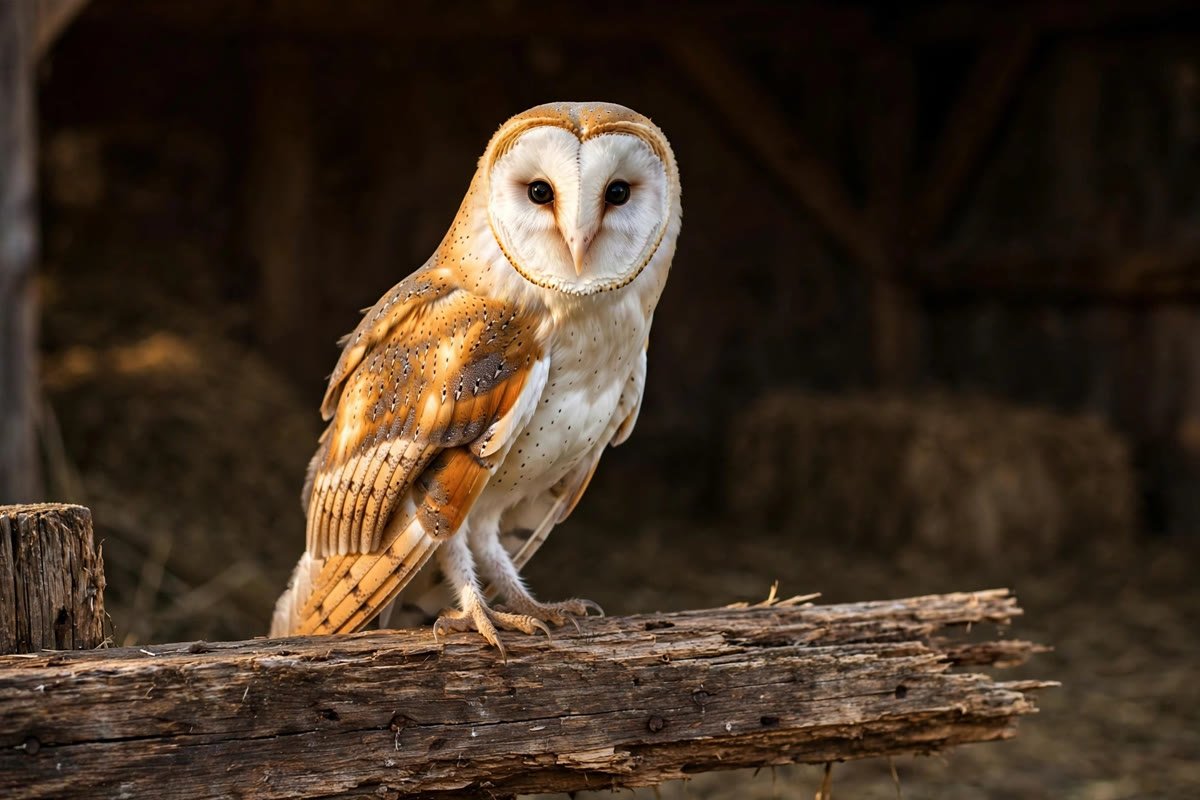
If you find a gray, fuzzy, thumb-sized lump on the ground under a favorite roosting tree, you may have stumbled on one of nature’s most useful calling cards. It looks a little like a dry hairball, and it is packed with tiny skulls and bones.
What is an owl pellet? It is a compact bundle of fur, bones, teeth, and feathers that an owl regurgitates after a meal. Owls swallow their prey whole but cannot digest the hard parts, so their stomachs squeeze the leftovers into a neat package that the bird coughs back up through its mouth. It is not droppings. It is the end product of a two-chambered digestive system built for whole-prey eating.
In this guide, you will learn exactly how owl pellets form inside the bird, what you can find inside one, which birds besides owls make them, where to look for them in the wild, how to dissect one safely at home or in a classroom, and why scientists treat these cast-off bundles as valuable research data.

What Is an Owl Pellet? The Short Answer
An owl pellet is the regurgitated remains of an owl’s meal. When an owl eats a mouse, vole, or small bird, it swallows the prey whole or in large chunks. The soft, digestible tissue is dissolved and absorbed, while everything indigestible, fur, bones, teeth, claws, feathers, and insect exoskeletons, is compacted into a dense, oval mass.
That mass is then ejected through the mouth in a process sometimes called casting. Owls generally cast one to two pellets per day, often from the same favorite roosting spot. Because of this habit, patient observers sometimes find dozens of pellets accumulated on the ground beneath a single tree or barn beam.
The most important thing to know is that a pellet is not feces. Owl droppings are white and splattery, the familiar wash you see on fence posts and car windshields. A pellet comes out the front end, dry and nearly odorless, and it contains the solid evidence of exactly what the owl ate the night before.
Pellet vs Poop: Clearing Up the Biggest Confusion
Nearly every classroom dissection starts with the same joke, and nearly every new birder asks the same question: is this owl poop? The answer is no, and the distinction is easy to make once you know what to look for.
- Owl pellets: come out of the mouth; are dry, solid, and nearly odorless; contain fur, bones, and teeth; have a fuzzy or felted texture on the outside.
- Owl droppings: come out the usual rear end; are white, chalky, and splattery; contain only digested waste; wash away with rain.
The white wash is mostly uric acid, the bird equivalent of urine, mixed with digested waste. The pellet, by contrast, is food that never made it through the digestive tract at all. Think of it less like waste and more like packaging the bird could not use.
How Owl Pellets Form: The Two-Stomach System
Owls handle food with an arrangement that most birds share but few use as dramatically: two stomach chambers working in sequence. Understanding this system explains why the pellet exists at all.
The Proventriculus: Dissolving the Meal
The first chamber is the proventriculus, the glandular stomach. When a freshly swallowed mouse arrives here, digestive enzymes and acids go to work liquefying everything soft: muscle, organs, skin, and fat. This chamber does the chemical heavy lifting of digestion.
What it cannot dissolve is the hard stuff. Keratin, bone mineral, and teeth survive the acid bath largely intact. Instead of forcing these sharp fragments through the intestines, where they could puncture the owl’s soft, curved gut, the proventriculus passes them on to the second chamber for separate handling.
The Gizzard: Packing the Pellet
The second chamber is the gizzard, a thick-walled muscular pouch. Here the indigestible material is kneaded and compressed into a firm, oval ball. The gizzard works like a trash compactor, pressing fur, feathers, bones, and teeth into a tight package, with the softer fur and feathers wrapping around the sharper bone fragments.
The compression is remarkably gentle on detail. Even the most fragile bones are usually preserved unbroken inside the finished pellet, which is why scientists can later identify the prey species from skulls and jawbones alone.
Casting: The Ejection
A pellet typically takes about six hours to form after feeding, though the owl may not eject it for another several hours. While the pellet sits in the digestive tract, it partially blocks the passage, which means the owl cannot eat another full meal until the pellet is cast. This is one reason owls tend to eject pellets before their next night of hunting.
The ejection itself is undramatic. The owl may narrow its facial disc, stretch its neck upward, open its beak wide, and drop the pellet with little visible effort. There is no violent retching. Fresh pellets are dark and shiny with a wet surface that dries within hours to a matte gray or brown.
A typical barn owl pellet is roughly the size of a human thumb. Larger owls produce larger pellets, and a great horned owl’s casting can be noticeably bulkier. Size alone is a rough clue to which species left it.

What Is Inside an Owl Pellet?
Open a pellet and you are looking at a nearly complete inventory of the owl’s recent meals. A single pellet often contains the remains of multiple prey animals. In the case of barn owls, one pellet may hold the skeletons of four or five small mammals eaten the previous night.
Common contents include:
- Skulls: often complete, including delicate eye sockets, the single most useful bone for identifying prey species.
- Jawbones: frequently with teeth still attached, another strong identification clue.
- Limb bones: leg and arm bones, ribs, and vertebrae, usually unbroken thanks to the gentle compression of the gizzard.
- Fur or feathers: the outer wrapping of the pellet, matted into a felt-like layer.
- Teeth and claws: especially in pellets from owls that eat shrews, moles, or small birds.
- Insect exoskeletons: common in pellets from smaller owls that eat beetles and moths; little owl pellets can even shimmer with iridescent beetle wing cases.
What you find depends on the owl and the local menu. Barn owls in farmland country eat mostly voles, mice, and shrews. Larger owls may take rats, young rabbits, frogs, and other birds. Diet shifts with the seasons and with prey availability, which is exactly what makes pellets so informative to researchers.
How Many Pellets Does an Owl Produce Each Day?
The Cornell Lab of Ornithology notes that owls generally cast about two pellets a day, though the exact number varies by species, meal size, and how much indigestible material was in the food. One large meal of several mice may produce a single substantial pellet, while two smaller meals may produce two.
The rhythm matters to the bird. Because the forming pellet blocks the digestive tract, an owl must cast before it can feed properly again. Pellets are often ejected at the roost during the day, before the night’s hunting begins, which is why the ground beneath regular roosts becomes a pellet archive.
If you are hoping to attract owls to your yard, knowing this rhythm helps. Roosting cover near good hunting ground is what brings owls in, and the pellets they leave behind become proof of their presence.
Which Birds Besides Owls Produce Pellets?
Pellets are often treated as an owl specialty, but they are far more widespread. A detailed survey by the International Bird Pellet Study Group found that roughly 330 bird species across 60 families produce pellets. Any bird that swallows indigestible material in quantity may need to cast it back up.
Birds known to produce pellets include:
- Diurnal raptors: hawks, eagles, falcons, and kites all cast pellets, called “castings” in falconry. Because these birds tear prey apart and have much stronger stomach acids than owls, their pellets contain fewer intact bones.
- Herons, cormorants, and kingfishers: fish eaters that must eject scales and fine bones; kingfisher pellets are loose, fine structures of fish scales.
- Gulls, terns, and shorebirds: coastal birds that swallow shell fragments and other hard material.
- Crows and jays: opportunistic feeders whose pellets can contain surprising items.
- Shrikes and swallows: insect-heavy diets produce pellets rich in exoskeletons.
- Even some songbirds: robins and starlings have been recorded producing small pellets about half an inch long.
Owl pellets remain the most famous because owls swallow prey whole and have relatively mild stomach acids, so their pellets preserve bones beautifully. A hawk’s pellet from the same meal would contain far less identifiable material. To learn more about owls themselves, see our guide to owl types, facts, habitat, and behavior.
How to Find Owl Pellets in the Wild
Finding pellets takes patience and a good eye for roosting spots. Owls are creatures of habit, and they cast repeatedly from the same perches, so the ground beneath a regular roost is the best place to look.
Where to Look
Start with likely roosting habitat. Barn owls favor barns, silos, abandoned buildings, and the bases of cliffs. Woodland owls roost in dense conifers, tree cavities, and sheltered branches. Great horned owls often use large, open-grown trees with sturdy horizontal limbs.
Look for whitewash, the chalky white droppings splattered on branches, trunks, or the ground below. Whitewash marks an active roost, and pellets are often scattered nearby. The best searching happens in daylight when owls are tucked away sleeping; never disturb a roosting owl to get a closer look.
Identifying a Pellet
A genuine owl pellet is dry, compact, and roughly oval or plug-shaped, gray to brown in color, with a fuzzy felted surface of matted fur. It should be nearly odorless. If it smells strongly or looks like ordinary scat, it is not a pellet.
Size helps narrow the species. A pellet the size of your thumb suggests a barn owl. Something noticeably larger points toward a great horned owl or barred owl. Tiny, half-inch pellets could come from a small owl or even a songbird.
Nighttime listening can lead you to roosts too. If you hear regular calling from the same area, our guide to why owls hoot at night explains what the calls mean and how to track them to daytime roosting spots.

How to Dissect an Owl Pellet Safely
Dissecting a pellet is a classic hands-on science activity, and it is straightforward with basic care. Pellets bought from educational suppliers are heat sterilized and safe to handle with bare hands. Wild-found pellets should be treated more cautiously, since they may carry bacteria.
- Gather your tools: a tray or plate, tweezers, toothpicks or wooden probes, and optionally a magnifying glass and a bone identification chart.
- Prepare the pellet: if it is very dry and crumbly, lightly mist it with water or soak it briefly to soften the fur. This reduces the risk of snapping delicate bones.
- Examine the outside: note the size, shape, color, and texture before opening it. These details can hint at the owl species.
- Tease it apart gently: use tweezers and toothpicks to pull the matted fur apart, working from one end. Separate bones from fur as you go.
- Sort your finds: group skulls, jawbones, limb bones, and ribs. Compare skulls and teeth against an identification chart to name the prey species.
- Record your results: count the skulls to estimate how many animals the pellet contained, and note which species they were. You have just reconstructed an owl’s dinner.
For wild-collected pellets, wear gloves, work on a disposable surface, and wash your hands thoroughly afterward. Do not dissect pellets found near areas treated with rodenticides, since secondary poisoning can concentrate in owl prey.
This activity pairs well with general nature observation skills. If you are building a habit of watching birds closely, our bird watching for beginners guide will help you get more from every outing.
Why Scientists Study Owl Pellets
Owl pellets are a rare gift to researchers: a detailed diet record that can be collected without harming a single bird. Ornithologists gather pellets from roost sites over months or years to track how an owl’s diet shifts with the seasons, with prey cycles, and with changes in the landscape.
The applications are practical. Pellet analysis reveals which rodent species dominate an area, making owls unwitting surveyors of small-mammal populations. Long-term pellet records can show how prey communities change as farmland becomes suburb or as climates shift. Wildlife managers have used pellet data to assess habitat quality and to monitor the recovery of owl populations.
Pellets also feed conservation directly. When rodenticide poisoning threatens owls, pellet and tissue analysis documents the exposure pathway. When reintroduction programs release owls into new areas, pellet contents confirm whether the birds are finding suitable prey. A gray lump of fur on a barn floor, examined carefully, can answer questions no telescope could.
Frequently Asked Questions
Are owl pellets poop?
No. Owl pellets are regurgitated through the mouth, while droppings exit through the rear. Pellets are dry, compact bundles of fur and bones with almost no smell. Owl droppings are white, chalky, and splattery, the familiar wash seen on branches and fence posts under roosts.
How long does it take an owl to make a pellet?
A pellet typically forms within about six hours of feeding as the gizzard compresses the indigestible material, though the owl may not eject it for another several hours. The owl generally cannot eat another full meal until the pellet is cast, because the forming pellet partially blocks the digestive tract.
Can you touch owl pellets with your bare hands?
Commercially supplied pellets are heat sterilized and safe to handle. Wild-found pellets may carry bacteria, so wear gloves, work on a washable surface, and wash your hands afterward. Avoid collecting pellets from areas where rodenticides are used.
What is the difference between owl pellets and hawk pellets?
Both are regurgitated castings, but hawk and other diurnal raptor pellets usually contain fewer intact bones. Hawks tear prey apart before eating and have stronger stomach acids than owls, so more of the hard material dissolves. In falconry, any raptor’s regurgitated pellet is called a casting.
Do baby owls produce pellets?
Yes. Once owlets begin eating solid prey, their digestive systems handle it the same way as adults, and they cast pellets too. Nest sites can accumulate a remarkable number of pellets over a breeding season, giving researchers a detailed record of what the parents fed their young.
Why do scientists dissect owl pellets instead of just watching owls hunt?
Watching a nocturnal hunter catch fast-moving prey in the dark is difficult and incomplete. A pellet provides a precise, verifiable inventory of species eaten, in proportions that can be counted. Collecting pellets harms no birds, and repeated sampling over time reveals diet shifts that no single night of observation could show.
Conclusion
What is an owl pellet, in the end? It is a record of a hunt, a digestive necessity, and a scientific instrument all at once. The two-chambered stomach dissolves what it can use and packages what it cannot, and the ejected pellet carries a faithful inventory of fur, bones, and teeth from the night’s meals.
For the owl, casting is routine maintenance, the price of eating prey whole. For the rest of us, it is an invitation. A pellet on the ground tells you an owl roosts nearby, what it has been eating, and how the small-mammal community around you is faring. Few objects in nature pack that much information into something the size of a thumb.
So the next time you pass beneath a big conifer or an old barn beam, look down. If you find a dry, fuzzy, gray-brown bundle that does not smell like anything at all, pick it up with curiosity and gloves. You are holding an owl’s dinner receipt, and it has a story to tell.





