

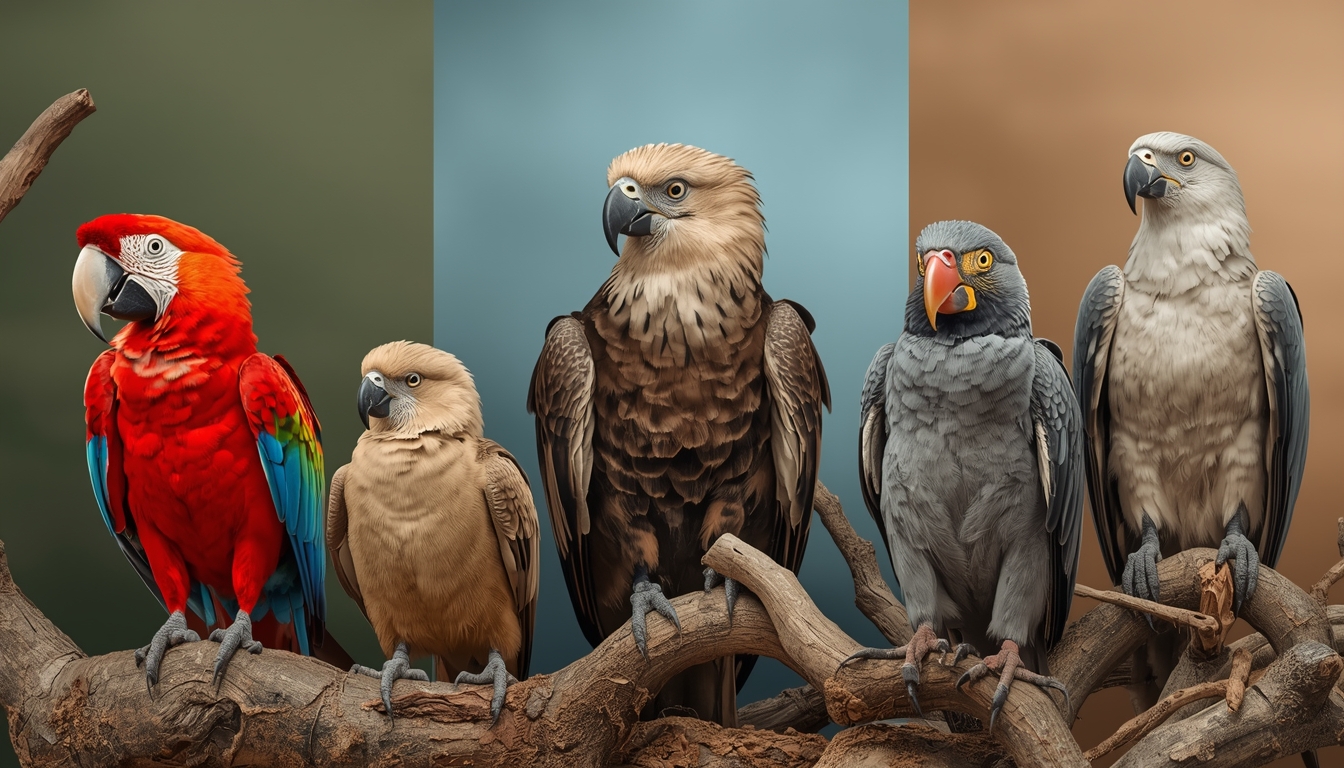
The world’s bird populations are in crisis. More than 1,100 endangered bird species have been identified globally, representing roughly 12 percent of all known avifauna on Earth.
From remote island rainforests to open grasslands and coastal wetlands, birds in extinction-level danger can be found on every continent.
Habitat destruction, climate change, illegal wildlife trade, invasive predators, and toxic chemicals are pushing hundreds of species to the very edge of survival.
This guide covers the most critical endangered birds you should know about, organized by the primary threats driving their decline, along with the key facts that make each species remarkable and the sobering reality of how few individuals remain in the wild.
The Scale of the Crisis: How Many Birds Are Endangered?
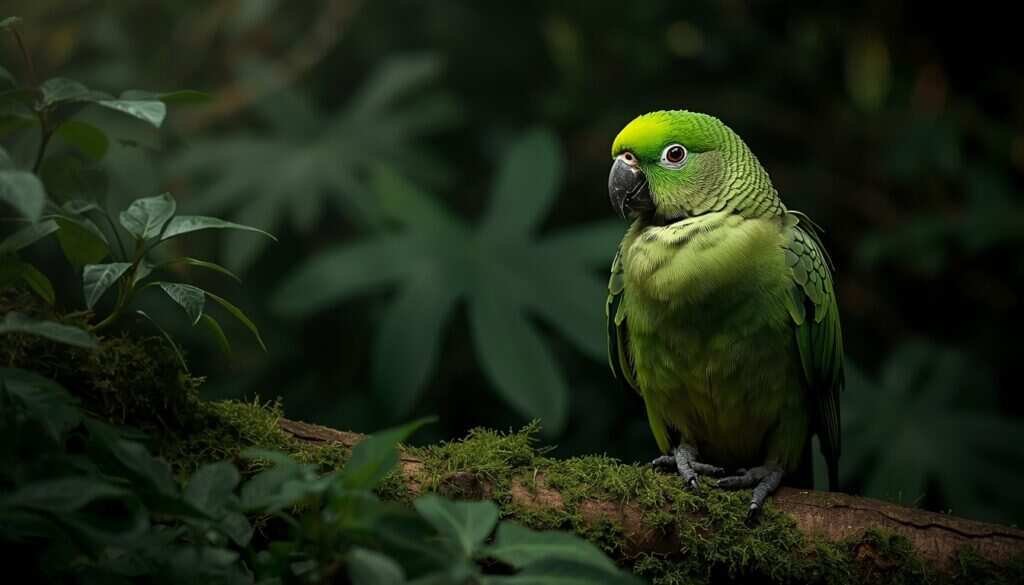
Before examining individual species, it helps to understand just how serious the global situation has become.
According to the International Union for Conservation of Nature, over 1,100 bird species are currently listed as vulnerable, endangered, or critically endangered.
Of these, several hundred face imminent extinction with wild populations numbering in the dozens or even single digits.
The endangered birds list grows longer with each passing decade. Birds that were once common and widespread have undergone catastrophic declines within a single human lifetime.
The yellow-breasted bunting, for example, was once one of the most abundant songbirds across Europe and Asia. Today it is listed as critically endangered following population crashes exceeding 90 percent in less than 30 years.
Understanding the endangered birds facts behind each species is not just an academic exercise. It is the foundation of conservation action, public advocacy, and the political will needed to protect the habitats and implement the policies that give these birds a chance at survival.
Critically Endangered Birds: The Rarest of the Rare
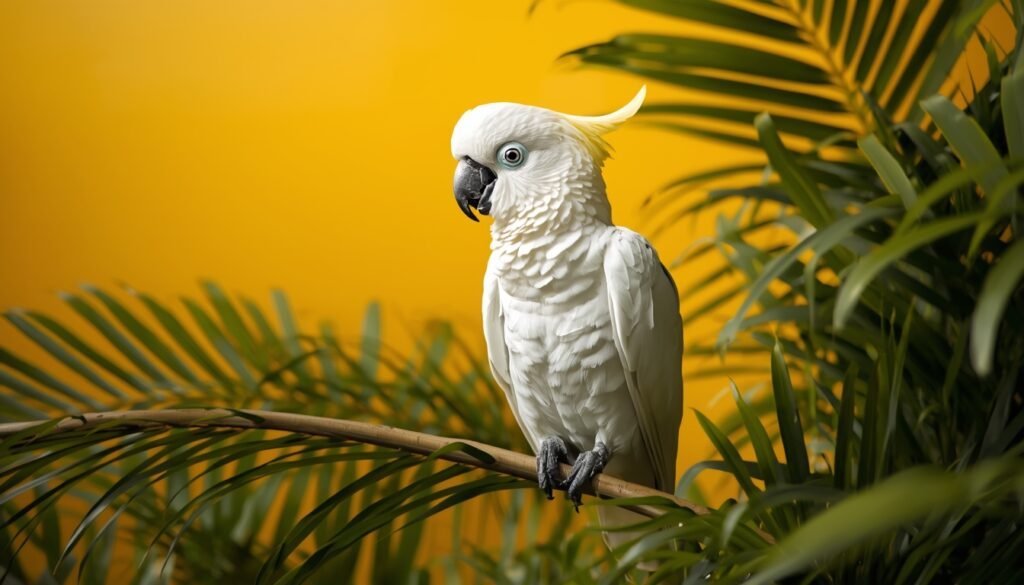
The Kakapo: The World’s Heaviest Parrot
The Kakapo, known scientifically as Strigops habroptilus, is one of the most extraordinary birds on Earth and one of the most endangered bird species alive today.
Native to New Zealand, the Kakapo is the world’s only flightless parrot, nocturnal in its habits, and capable of storing enormous amounts of body fat as an energy reserve.
These traits, which evolved over millions of years in an environment free of mammalian predators, became severe liabilities once humans introduced rats, cats, and stoats to New Zealand’s islands.
The Kakapo’s inability to fly means it cannot escape ground predators, and its habit of freezing motionless when threatened, effective against aerial hunters, offers no protection against mammals that hunt by scent.
By the late twentieth century, the species was on the very brink of extinction. Intensive conservation management, including predator eradication on offshore island sanctuaries, has slowly increased numbers, though the total wild population remains critically small.
The Giant Ibis: The Most Endangered Bird in the World
The Giant Ibis, Thaumatibis gigantea, holds the grim distinction of being considered the most endangered bird in the world by several major conservation organizations.
With an estimated 230 breeding pairs surviving in the lowland wetlands and seasonal floodplains of Cambodia and southern Laos, this massive wading bird faces relentless pressure from wetland drainage, agricultural conversion, and hunting.
Among all globally endangered birds, the Giant Ibis stands out for both its ecological uniqueness and the precariousness of its situation. It is the largest ibis species in the world, and its entire remaining range is concentrated in a landscape undergoing rapid agricultural and infrastructure development.
The Philippine Eagle: One of the Rarest Raptors
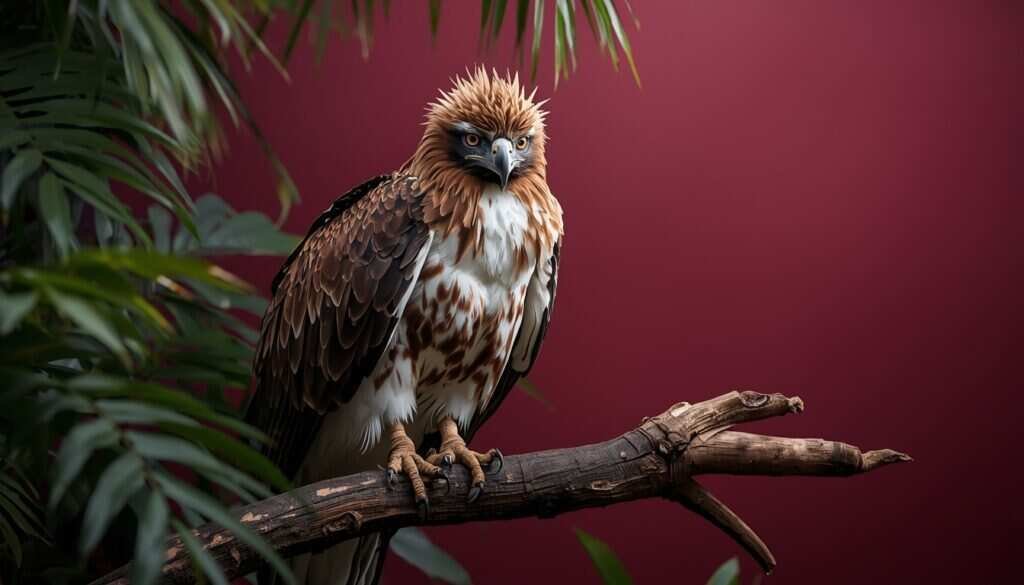
The Philippine Eagle, Pithecophaga jefferyi, is one of the largest, most powerful raptors on Earth and one of the most endangered birds in the world.
With only around 400 nesting pairs remaining in the rainforests of the Philippine archipelago, primarily on the island of Mindanao, this magnificent bird is classified as critically endangered by the IUCN.
Deforestation is the primary driver of the Philippine Eagle’s decline. The lowland and montane rainforests it depends on for hunting and nesting have been reduced to fragments by logging, slash-and-burn agriculture, and mining operations.
Each nesting pair requires a vast territory of intact forest to survive, making habitat preservation the central challenge of Philippine Eagle conservation.
The Mangrove Finch: Fewer Than 40 Individuals Left
Among the top 10 endangered bird species globally, the Mangrove Finch of the Galápagos Islands stands out for the extreme smallness of its remaining population.
With only an estimated 20 to 40 individuals surviving in a single mangrove stand on Isabela Island, this bird is among the most endangered birds in the world by any measure.
The Mangrove Finch faces a devastating combination of threats including nest parasitism by invasive fly larvae, predation by introduced black rats, and the ongoing degradation of its mangrove habitat.
Conservation teams have implemented intensive management programs including hand-rearing chicks and controlling rat populations, but the species remains on the knife-edge of extinction.
Endangered Birds Threatened by Illegal Trade and Poaching
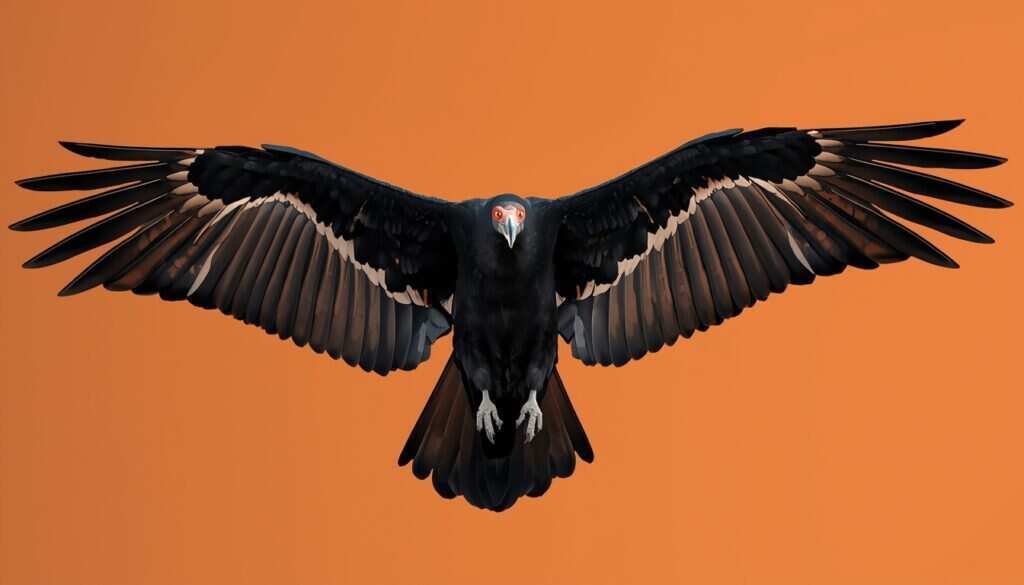
The Yellow-crested Cockatoo: A Victim of the Pet Trade
The Yellow-crested Cockatoo, Cacatua sulphurea, is native to Indonesia and Timor-Leste and was once abundant across its island range.
Today, between 1,200 and 2,000 individuals are thought to remain in the wild, with the species listed as critically endangered.
The primary driver of its collapse has been the illegal exotic pet trade, which has seen millions of these birds captured and exported over the past several decades.
The yellow-crested cockatoo is among the most frequently trafficked birds globally. Its striking appearance, yellow crest, and capacity for mimicry make it highly desirable in the pet market, driving persistent poaching pressure even in areas where the bird is legally protected.
The African Grey Parrot: Intelligence in Danger
Few birds in extinction risk carry the same cultural weight as the African Grey Parrot, Psittacus erithacus. Renowned for exceptional intelligence and an extraordinary ability to mimic human speech and sounds.
The African Grey has been captured for the pet trade in staggering numbers for decades. Combined with rapid habitat loss across its Central and West African forest range, this pressure has caused population declines estimated at more than 50 percent over three generations.
The African Grey was uplisted to Appendix I of the Convention on International Trade in Endangered Species in 2016, providing stronger international legal protection, but enforcement remains a persistent challenge across much of its range.
The Bali Myna: Poached to the Brink
The Bali Myna, Leucopsar rothschildi, also known as the Bali Starling, is one of the most beautiful and most poached birds on Earth. Endemic to the Indonesian island of Bali.
Its wild population collapsed to fewer than ten individuals at its lowest point due to relentless poaching for the cage bird trade combined with severe habitat loss.
Captive breeding and release programs have partially stabilized the situation, but the Bali Myna remains critically endangered with a small and fragile wild population.
Birds Endangered by Habitat Loss and Climate Change
The Imperial Amazon Parrot: Hurricane Devastated
The Imperial Amazon Parrot, Amazona imperialis, is endemic to the island of Dominica in the Caribbean and is that nation’s national bird. With only 40 to 60 individuals believed to survive, it qualifies as one of the most endangered bird species in the Western Hemisphere.
Hurricane Maria in 2017 caused catastrophic damage to the montane rainforest habitat the species depends on, delivering a devastating blow to a population that was already critically small.
The Northern Bald Ibis: Ancient and Vanishing
The Northern Bald Ibis, Geronticus eremita, is one of the world’s oldest living bird species, with a fossil record stretching back millions of years.
Venerated in ancient Egyptian culture, this striking bird with its bare red face and glossy black plumage now survives in the wild primarily in a single colony in Morocco.
Estimates place the global wild population at 200 to 250 individuals, making it one of the rarest birds in the world. Pesticide use and agricultural expansion across its North African and Middle Eastern range have driven the decline, alongside historical hunting pressure.
The Maui Parrotbill: Lost in a Shrinking Forest
The Maui Parrotbill, Pseudonestor xanthophrys, is a small Hawaiian honeycreeper found only in a narrow band of high-elevation native forest on the island of Maui.
Feral pigs have devastated the understory vegetation of its forest habitat, while avian malaria spread by introduced mosquitoes has pushed its range ever higher in elevation. As it seeks temperatures cold enough to limit mosquito activity. This critically endangered bird is among the most threatened birds in the entire United States.
Birds Threatened by Poisoning and Introduced Predators
The California Condor: Lead Poisoning and Recovery
The California Condor, Gymnogyps californianus, is the largest flying bird in North America with a wingspan reaching nearly ten feet.
By 1987, the entire wild population had been captured for emergency captive breeding after numbers collapsed to just 27 individuals.
Captive breeding programs have since returned over 400 condors to the wild, making it one of conservation’s most remarkable success stories, though the species remains critically endangered.
Lead poisoning from hunting ammunition remains the single greatest threat to the California Condor today. Condors feed on carcasses left by hunters, and when those carcasses contain lead bullet fragments.
The birds ingest toxic quantities. Advocacy for the use of non-lead ammunition in condor range states has become a central focus of ongoing conservation efforts.
The Indian Vulture: Killed by a Common Drug
The Indian Vulture, Gyps indicus, suffered one of the fastest population declines ever recorded in any bird species. Between the 1990s and early 2000s, Indian vulture populations crashed by an estimated 97 percent across South Asia.
The cause was identified as diclofenac, an anti-inflammatory drug widely used in veterinary medicine on livestock. When vultures fed on carcasses of treated animals, they ingested lethal doses of the drug, causing kidney failure.
Following the identification of diclofenac as the cause and its subsequent ban for veterinary use across India, Pakistan, and Nepal, vulture populations have begun a slow and fragile recovery.
However, the Indian Vulture remains critically endangered, and the threat of alternative non-steroidal anti-inflammatory drugs with similar toxicity profiles continues to concern conservationists.
The Yellow-eyed Penguin: Island Life Under Siege
The Yellow-eyed Penguin, Megadyptes antipodes, is one of the rarest penguin species in the world and is endemic to New Zealand’s South Island and nearby offshore islands.
Introduced predators, including cats, dogs, stoats, and ferrets, raid nests and kill adults, while coastal habitat degradation and human disturbance at breeding beaches compound the pressure.
Climate change is altering the marine food web the species depends on, reducing the availability of key fish prey. The total wild population is estimated at only 1,700 to 3,000 individuals.
The Primary Causes Driving Birds Toward Extinction
Understanding what is pushing birds to extinction-level decline requires examining the major threat categories that appear repeatedly across the endangered birds list.
Habitat destruction remains the leading cause of bird endangerment worldwide. Deforestation, agricultural conversion, wetland drainage, and urban development eliminate the nesting sites, food sources, and territorial space that birds require. Island endemic species are particularly vulnerable because they have nowhere else to go when their habitat is degraded.
Illegal wildlife trade drives the decline of many parrots, cockatoos, and songbirds, removing individuals from wild populations faster than they can reproduce. The demand for exotic pets in international markets creates persistent economic incentives for poaching that are difficult to suppress through enforcement alone.
Invasive species introduced by humans, particularly rats, cats, stoats, and mongooses, devastate ground-nesting birds and island species that evolved without mammalian predators.
Several of the world’s most endangered birds, including the Kakapo and the Mangrove Finch, survive today only on islands where intensive predator-control programs have been implemented.
Pollution and pesticide use contaminate food chains and cause reproductive failure. The DDT-driven collapse of raptor populations in the mid-twentieth century is the most famous historical example, but chemical threats, including lead ammunition, veterinary drugs, and agricultural pesticides, continue to threaten critically endangered birds today.
Climate change is an increasingly significant and complex threat. Shifting weather patterns, more frequent and intense hurricanes, rising sea levels threatening coastal and island habitats, altered insect emergence timing, and changing vegetation zones are all affecting bird populations in ways that interact with and amplify the other threats they face.
What Can Be Done to Protect Endangered Bird Species
Conservation success stories prove that critically endangered birds can be pulled back from the brink when the right interventions are applied with sufficient resources and commitment. The California Condor, the Bali Myna, and the Kakapo all demonstrate that intensive management can stabilize or even grow critically small populations.
Habitat protection and restoration through the establishment and effective management of protected areas is the most fundamental long-term conservation strategy. Captive breeding and reintroduction programs provide a safety net for species whose wild populations have fallen to crisis levels.
Predator control on island nature reserves has saved multiple species from extinction. Legislation banning harmful chemicals and regulating wildlife trade, when enforced effectively, removes key drivers of decline.
Public awareness and engagement are also essential. The more people understand the scale of the crisis facing the world’s most endangered bird species, the stronger the public and political support for conservation funding and policy becomes.
Every birder who advocates for habitat protection, supports conservation organizations, or simply shares knowledge about birds close to extinction contributes to the collective effort to prevent further losses.




[…] Endangered Birds You Should Know About: A Complete Global Guide […]