

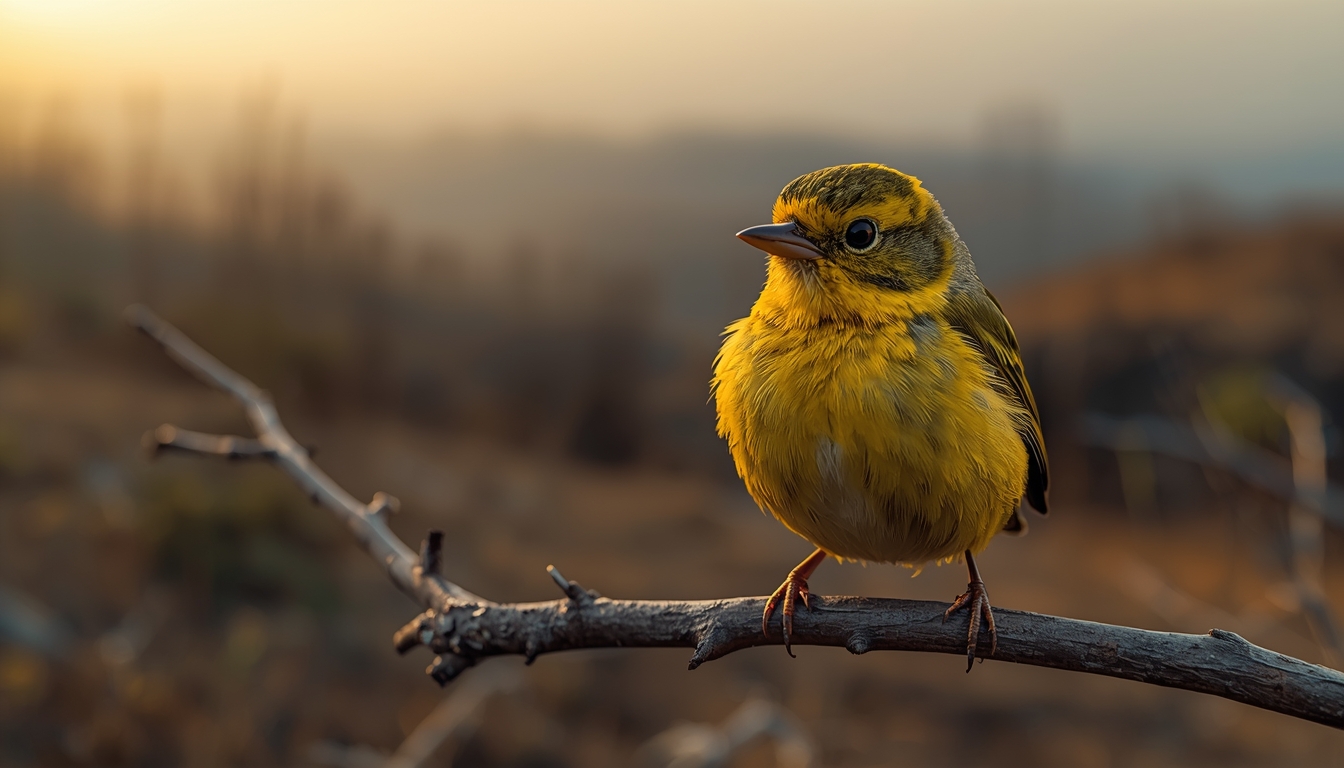
Listen carefully on a spring morning, and you might notice something that birders across the world have been quietly dreading: the silence is growing.
The chorus of birdsong that once filled meadows, forests, and shorelines is thinning not because dawn arrives any later, but because fewer birds are returning to sing it.
The numbers are stark. Bird populations are declining at a pace that alarms scientists, conservationists, and ordinary backyard birdwatchers alike.
In the United States alone, an estimated 3 billion birds have been lost since 1970, a staggering 29% drop in the total US bird population.
Globally, nearly half of all migratory bird species are in decline, and a 2026 UN-backed report confirmed that 18 migratory bird species have moved into higher extinction-risk categories.
So what is driving this crisis, and more urgently, what can we actually do about it? This article breaks down the top threats to birds in 2026 and the real, evidence-based solutions that conservationists are deploying right now.
What are the Actual Threats to Birds in 2026?
Bird populations in 2026 are facing serious and accelerating threats, most of which are caused by human activity.
Scientists estimate that billions of birds have already been lost, and the trend continues due to environmental disruption.
Understanding these threats is essential to protecting global bird species and maintaining ecological balance.
Main threats to birds:
- Habitat Loss and Degradation (Top Threat): Agriculture, deforestation, and urban expansion destroy and fragment natural habitats, impacting over 90% of threatened species.
- Human-Caused Mortality: Domestic cats, window collisions, and illegal hunting kill billions of birds annually.
- Climate Change: Alters habitats, disrupts migration timing, and increases the frequency of extreme weather events.
- Pollution and Toxins: Pesticides reduce food sources and poison birds; plastic and oil harm seabirds.
- Other Threats: Invasive species, energy infrastructure, and light pollution further contribute to declines in bird populations.
The Scale of the Problem: Why Bird Population Decline Matters

Before we examine the threats, it’s worth understanding why this matters beyond the simple love of feathered creatures.
Birds are ecological linchpins. They pollinate plants, disperse seeds, control insect populations, and signal the health of entire ecosystems. When bird populations decline, the ripple effects touch agriculture, human health, and biodiversity on a fundamental level. A world with fewer birds is not just quieter — it is more fragile.
The question “how many birds are in the US?” used to have a more reassuring answer. Estimates suggest roughly 10 billion birds currently inhabit the United States across all species.
But that figure, while large, masks the dramatic losses within specific groups: grassland birds have declined by 53%, shorebirds by 37%, and aerial insectivores. Those graceful swifts and swallows we watch loop through summer evenings, by 32%.
Threat #1: Agriculture and Deforestation — The Dominant Force

If you could point to a single factor responsible for the most widespread bird population decline globally, it would be the transformation of natural land into farmland. Agriculture and deforestation now affect 73% of globally threatened bird species, making it the single leading threat to birds in 2026.
The story plays out the same way across continents. A forest is cleared for palm oil, soy, or cattle ranching. The complex web of habitat, understory shrubs, canopy layers, and fallen logs is replaced overnight by a monoculture. Birds that evolved over millions of years to depend on that specific ecosystem have nowhere to go.
Even “bird-friendly” farmland rarely compensates fully. Pesticide use has collapsed insect populations, the foundational food source for the majority of bird species, creating a cascading hunger through the food web. The birds are in decline, not because they are fragile, but because the landscape beneath them has been fundamentally altered.
What’s being done: Agroforestry farming methods that integrate trees, native hedgerows, and wildlife corridors is gaining traction as a solution that serves both agricultural productivity and bird conservation.
Certification programs that reward farmers for bird-friendly practices are expanding in Europe, Latin America, and Southeast Asia. Protecting intact forests through legal mechanisms and indigenous land stewardship remains the most cost-effective conservation tool available.
Threat #2: Climate Change and Extreme Weather
Climate change is reshaping the world that birds have navigated for millennia, and it is doing so faster than many species can adapt. Currently affecting 37% of threatened bird species, climate change operates through several interconnected mechanisms.
Phenological mismatch is one of the subtler but most devastating effects. Migratory birds time their journeys based on daylight cues refined over thousands of generations. But the insects and plants they depend on are responding to a shifting temperature.
The result: birds arrive at breeding grounds to find that the peak insect hatch they need to feed their chicks has already passed. Timing that once synced perfectly is now misaligned.
Coastal and island-nesting birds face a different climate threat: sea-level rise. Terns, plovers, and skimmers that nest on low-lying beaches are losing their nesting sites to storm surges and rising seas with accelerating frequency. For penguins in the Southern Ocean, warming waters are collapsing the krill populations they depend on.
Extreme weather events intensified by climate change are becoming direct causes of mortality. Unprecedented storms can wipe out entire nesting colonies. Unseasonal freezes kill newly hatched chicks. Heat waves push desert birds past their thermal tolerance limits.
What’s being done: Climate-adaptive conservation is shifting from preserving current habitats to anticipating where habitat will be viable in the future and protecting those corridors now.
Protecting ocean networks along key migratory flyways helps birds find reliable refueling stops even as conditions shift. And the urgency of transitioning away from fossil fuels remains the most critical long-term intervention for birds in decline.
Threat #3: Invasive Species and Predators
On islands around the world, a drama plays out that is almost too painful to witness. Birds that evolved over millions of years in the absence of mammalian predators encounter an introduced rat, cat, or stoat and have no behavioral defenses. No alarm call evolved in response to this threat. No nest placement strategy keeps eggs safe. The result can be colony-wide devastation within a single predator’s lifetime.
Invasive species — particularly cats, rats, and mice — are among the most acute threats to island bird populations. Cats alone are estimated to kill 1.3–4 billion birds annually in the United States. Globally, cats have contributed to the extinction of at least 33 bird species on islands.
What’s being done: Island invasive predator eradication programs have become one of the most proven tools in conservation. New Zealand’s Predator Free 2050 initiative is the most ambitious of these, aiming to eliminate introduced predators from the entire country.
Island eradications have already resulted in the recovery of multiple bird species once considered functionally extinct locally. Community engagement and indigenous partnerships are proving essential to making these programs lasting.
Threat #4: Collisions with Man-Made Structures
Every year, an estimated 1 billion birds die colliding with windows and glass structures in the United States alone. Add electrocution on poorly designed power lines and collisions with communication towers, and man-made infrastructure emerges as one of the most lethal threats to birds in the modern landscape.
The physics of glass is the core of the problem. Birds cannot perceive glass as a barrier. They see the reflection of sky or vegetation — and fly straight into it. This kills not just common species but rare migratory birds passing through in concentrated waves during spring and fall migration.
Wind turbines, increasingly critical to climate change mitigation, present a more complex picture. Turbines do cause bird mortality particularly for raptors and eagles. But a 2026 analysis offered a notable finding: over 99.8% of migratory birds avoid properly sited wind farms. Thoughtful placement, informed by radar and AI-driven migration data, can dramatically reduce collision risk while maintaining renewable energy generation.
What’s being done: Bird-safe glass standards, now being adopted in building codes in cities like New York, Toronto, and San Francisco, use patterns and UV-reflective coatings that birds can detect as solid barriers. Retrofitting existing buildings with collision-deterrent films is proven and cost-effective.
For power lines, insulating conductor cables and using wildlife-friendly designs on new infrastructure can reduce electrocution mortality by more than 90%. “Lights Out” programs in major cities turning off non-essential lighting during peak migration nights — are showing measurable reductions in collision mortality for nocturnal migrants disoriented by urban glow.
Threat #5: Highly Pathogenic Avian Influenza (HPAI H5N1)
The ongoing H5N1 avian influenza outbreak is the largest in recorded history and it is reshaping the conservation landscape in ways that were barely imaginable a decade ago. The current outbreak has affected 598 bird species and has struck colonies of wild birds previously considered resistant to large-scale disease events.
Shorebirds, seabirds, and colonial nesting species have been hit especially hard. Pelican colonies in Peru lost tens of thousands of birds. Endangered African penguin populations — already under enormous pressure — have suffered devastating losses. The disease has now reached every continent except Australia, traveling along the same migratory flyways we are working to protect.
What’s being done: Surveillance and early detection are the primary tools. AI-backed camera networks and eBird-style citizen science are enabling conservationists to track die-offs more quickly and respond with targeted habitat protections to reduce stress on surviving birds.
Vaccine research for wild bird populations is advancing, though deployment in free-ranging species remains a major logistical challenge. Reducing other stressors, such as pollution, habitat loss, and food depletion, strengthens the immune resilience of wild bird populations.
Threat #6: Hunting, Trapping, and Poaching
Hunting and trapping affect 41% of globally threatened bird species. While legal, sustainable hunting plays a regulated role in some conservation models, illegal poaching and unsustainable trapping remain devastating for specific groups raptors, songbirds trapped for the cage-bird trade, and migratory species shot across unprotected flyways in parts of the Mediterranean, Middle East, and Asia.
Millions of songbirds are illegally trapped annually along the Mediterranean flyway alone. Raptors are persecuted, poisoned, shot, and trapped across their ranges, often due to perceived conflicts with livestock or game management.
What’s being done: Strengthened international legal frameworks, undercover enforcement operations, and community-based stewardship programs that give local populations economic stakes in protecting birds are the most effective interventions.
Policy and legal protections matter enormously: reversing deregulation of wildlife protections a concerning trend in some nations in the mid-2020s is a priority being championed by conservation coalitions globally.
How You Can Help Birds: Individual Actions That Scale
Conservation policy and infrastructure redesign matter enormously. But individual actions aggregate into real impact — and the question of how to help birds has some surprisingly straightforward answers.
At home:
- Make your windows bird-safe with deterrent films or external screens
- Keep cats indoors, especially during dawn and dusk when bird activity peaks
- Plant native species in your garden to support insect populations and nesting habitat
- Turn off exterior lights during spring and fall migration windows
In your community:
- Advocate for bird-safe building codes in local planning decisions
- Support “Lights Out” campaigns in your city
- Participate in citizen science programs like Christmas Bird Count or eBird — your data directly informs conservation decisions
Systemically:
- Support organizations working on habitat protection, invasive predator removal, and policy advocacy
- Vote and advocate for climate action — the single largest lever for long-term bird conservation
A Hopeful Postscript
Here is what the bird population decline graph doesn’t always show: recoveries are possible. The Bald Eagle. The Peregrine Falcon. The Whooping Crane. These species came back from the edge because humans decided they should — and built the policies, protections, and programs to make it happen.
The top threats to birds in 2026 are severe, interconnected, and in some cases accelerating. But the solutions are known. The science is clear. What remains is the collective will to act in backyards, in city halls, in national legislatures, and in international agreements.
The birds are still singing. The question is whether we’ll do enough to keep it that way.



[…] Top Threats to Birds in 2026 (And the Solutions Giving Them a Fighting Chance) […]
[…] Top Threats to Birds in 2026 (And the Solutions Giving Them a Fighting Chance) […]
[…] from a reputable local breeder or an avian rescue organization gives you a far clearer picture of the bird’s history, temperament, and medical background. Petco’s Lovebird care guide reinforces that early […]