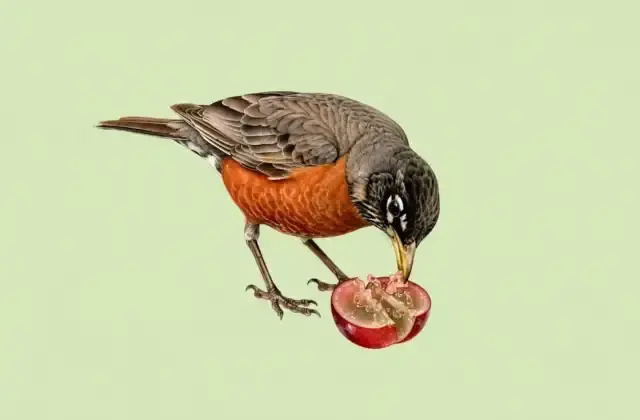

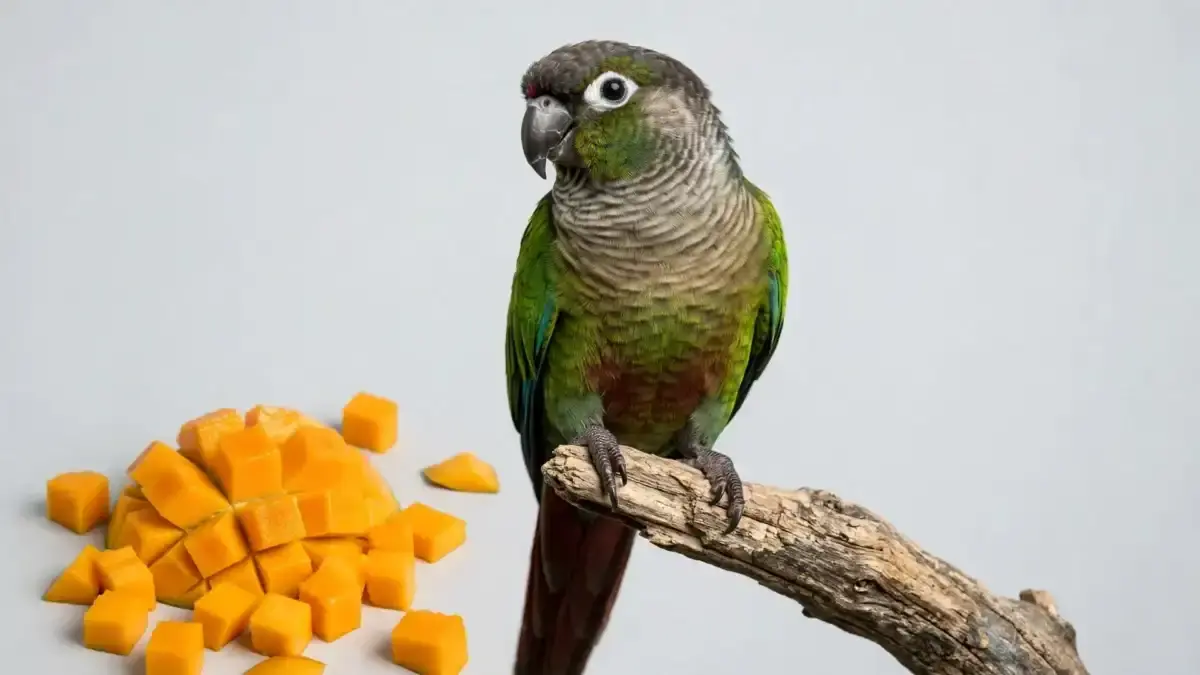
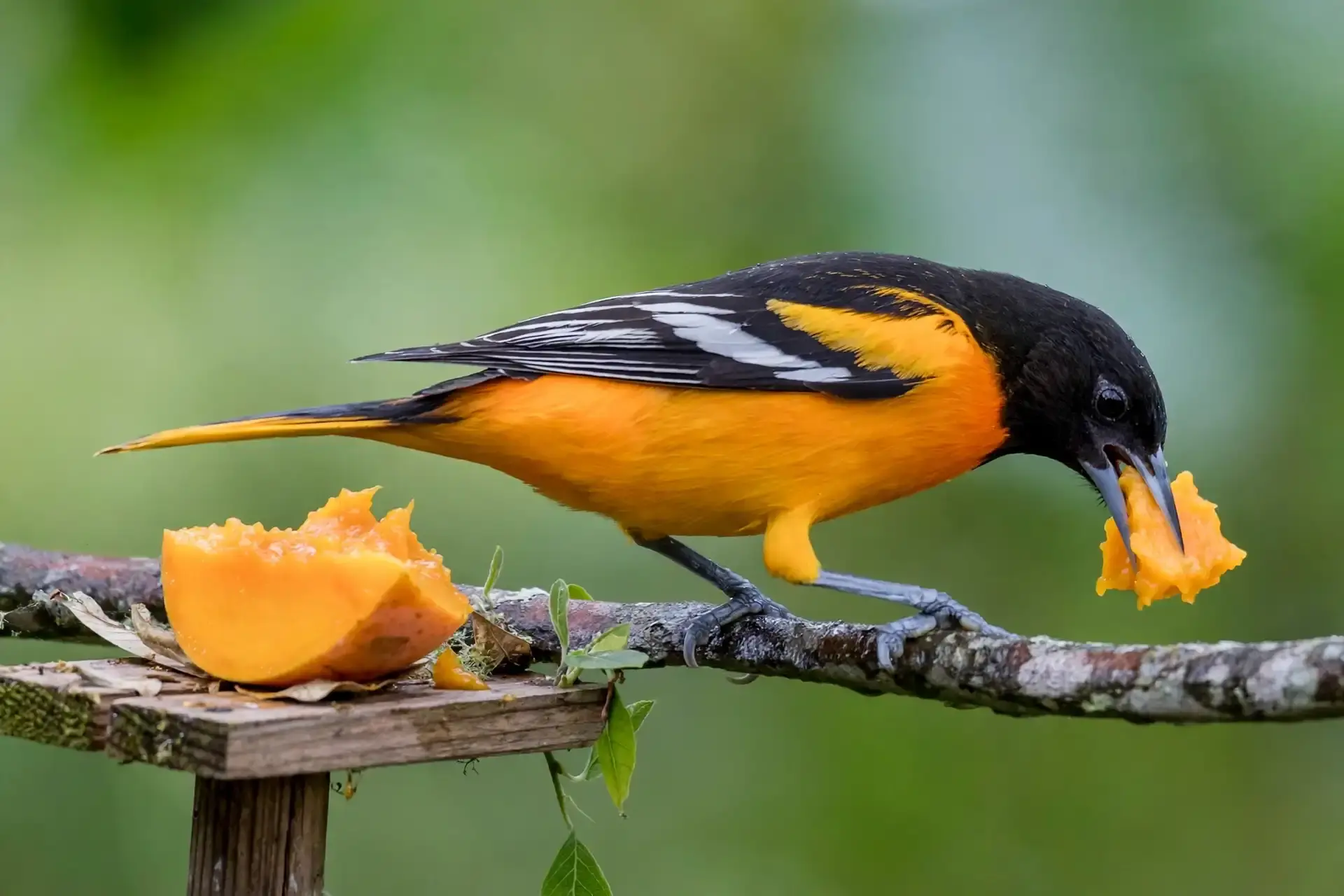
Yes, birds can eat mango and most fruit-loving birds will love it. It’s a safe, vitamin A-rich fruit that can be easily eaten by parrots, orioles, toucans, and lots of other birds you’ll find in your backyard. However, you should only give them the flesh and remove the skin and pit. It should also be given in small amounts. Dried or sweetened mango won’t count. If you follow these three rules then mango can be one of the best treats you can give your bird occasionally.
The Short Answer: Flesh Yes, Skin and Pit No
Ripe mango flesh is safe for most pet and wild birds when it is served fresh, peeled, and pitted. It is not toxic, it is not on any list of dangerous fruits, and it is a natural food for fruit-eating species in the tropics, where wild mangoes are part of the seasonal diet. The problems people run into come from the parts around the flesh, not the flesh itself.
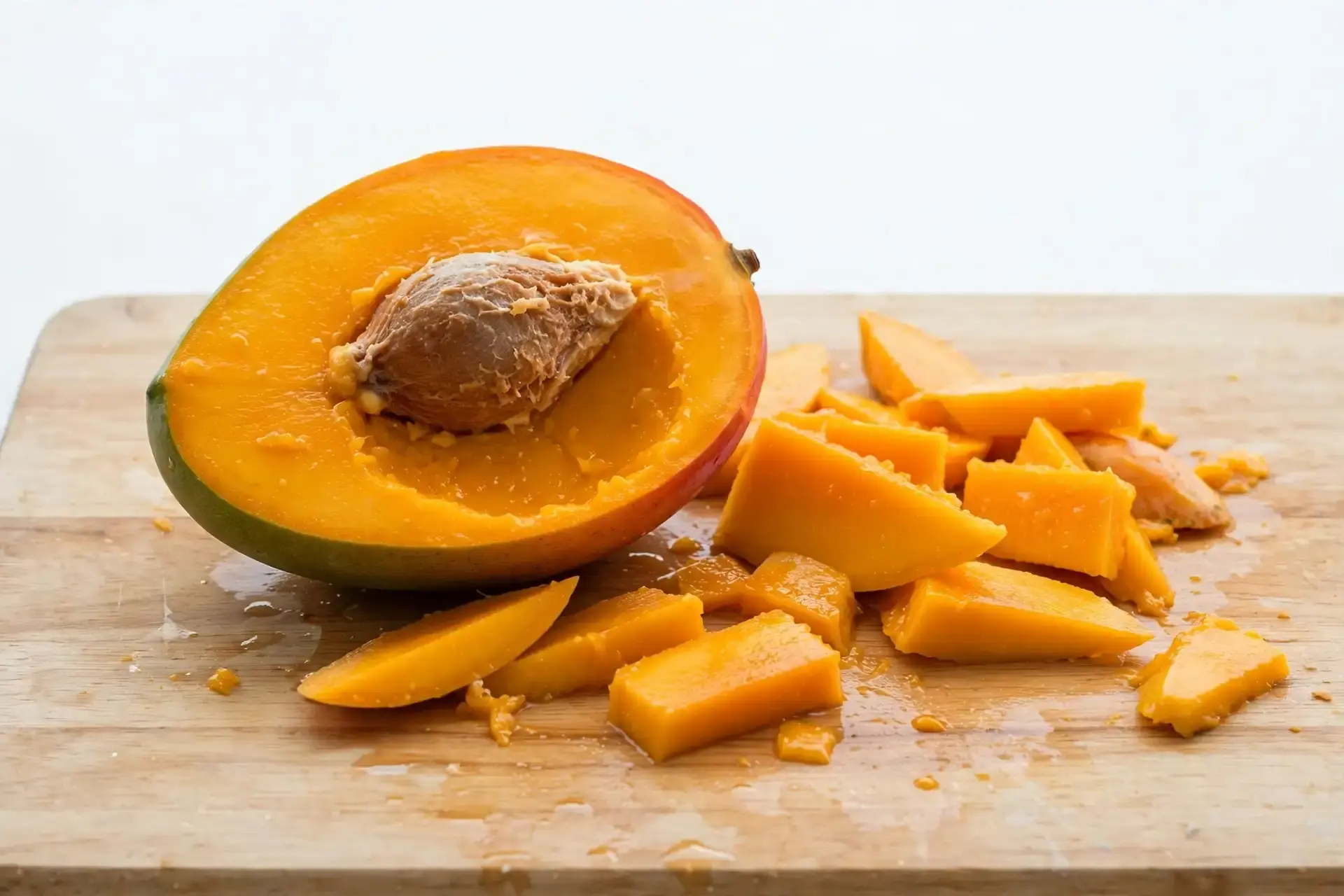
The mango’s skin contains urushiol, a resin and irritant found in poison ivy. Some birds will suffer from irritation around their mouths or on their skin. Even those who don’t will get nothing out of eating the skin. It can also contain pesticide residues which will be removed by peeling. The pit can cause problems as it is large enough to cause choking in small birds. It also contains small amounts of cyanogenic compounds which produce small amounts of cyanide when they are broken down. As no birds require the pit it should always be disposed of in the bin.
This is why there is a difference between safe and unsafe parts of mango. It also means that many feeding guides look quite strict. They aren’t trying to put you off feeding mango. They are simply trying to put you off feeding it whole, such as offering a slice of apple with the skin on. Once you take an extra minute to prepare it, it is very easy.
Why Mango Is Worth Offering
Mango provides an excellent source of vitamin A. Fresh mango flesh contains approximately 1,082 IU of vitamin A per 100 grams, making it one of the highest sources of vitamin A found in common fruits. Papaya and cantaloupe also provide high levels of this vitamin. A lack of vitamin A is one of the most common nutritional deficiencies seen in captive birds, especially those on a seed-based diet such as parrots. Signs of a deficiency include respiratory issues, poor feather quality, and a lowered immune system.
Mango is also a good source of vitamin C, folate, potassium and contains some water, helping keep hydrated in the warmer months. It is a soft fruit so can be fed to birds with a wide variety of beak shapes, from budgies eating a pea-sized cube to macaws tearing chunks from a thick slice. Most birds will eat it readily, so it can help diversify the diet of a picky eater that won’t eat leafy greens.
However, mango is not a staple food. It has a high sugar content and if a bird is getting too much of a sweet fruit they will miss out on pellets, vegetables, and protein. Mango should be used as a supplement to a balanced diet. If you offer it occasionally (a few times a week) in small amounts then it will add some extra nutrition and enrichment. But if offered daily in large amounts then it will add extra sugar.
Every Part of the Mango, Judged
Confusion about mango usually comes from lumping the whole fruit together. The table below separates each part so you can see exactly what is safe and what is not.
| Part | Safe? | Why |
|---|---|---|
| Ripe flesh | Yes | Rich in vitamin A and C, soft, easy to eat, widely accepted. |
| Skin | No | Contains urushiol resin that can irritate; also carries pesticide residue. |
| Pit | No | Choking hazard and contains trace cyanogenic compounds. |
| Unripe flesh | Avoid | Harder, more acidic, and higher in latex and papain-like irritants. |
| Dried mango | No | Most commercial dried mango has added sugar and sulfur dioxide preservative. |
| Canned mango or juice | No | Syrup, added sugar, and preservatives make it unsuitable for birds. |
| Frozen mango, plain | Yes, thawed | Nutritionally close to fresh if it has no added sugar; thaw fully before serving. |
The two surprising items on this table are unripe mango and frozen mango. Unripe mango is not poisonous but can cause an upset stomach for a bird with a sensitive stomach because it is firm and acidic with more latex than ripe mangoes. There is no need to offer this when ripe mango is available. Frozen mango is a useful item to have. If you have plain frozen mango chunks and defrost them for 20 to 30 minutes at room temperature, you will have mango out of season with no significant loss in nutrition. Just make sure that the ingredients on the bag say that the only ingredient is mango.
How to Serve Mango, Step by Step
Preparation takes about two minutes and it is the same whether the bird is a budgie or a macaw. The only thing that changes is the size of the pieces.
- Wash the mango under running water, even though you will peel it, to keep surface residue off your hands and knife.
- Peel the skin off completely. Do not leave strips on for the bird to nibble around.
- Cut the flesh away from the flat pit in thick slices, then dice those slices into bird-sized cubes.
- Offer the cubes in a clean dish or clipped to the cage bars, and remove anything uneaten after one to two hours, sooner in warm weather.
- Watch the first serving. A bird trying mango for the first time may smear it, drop it, or ignore it, and all three reactions are normal.
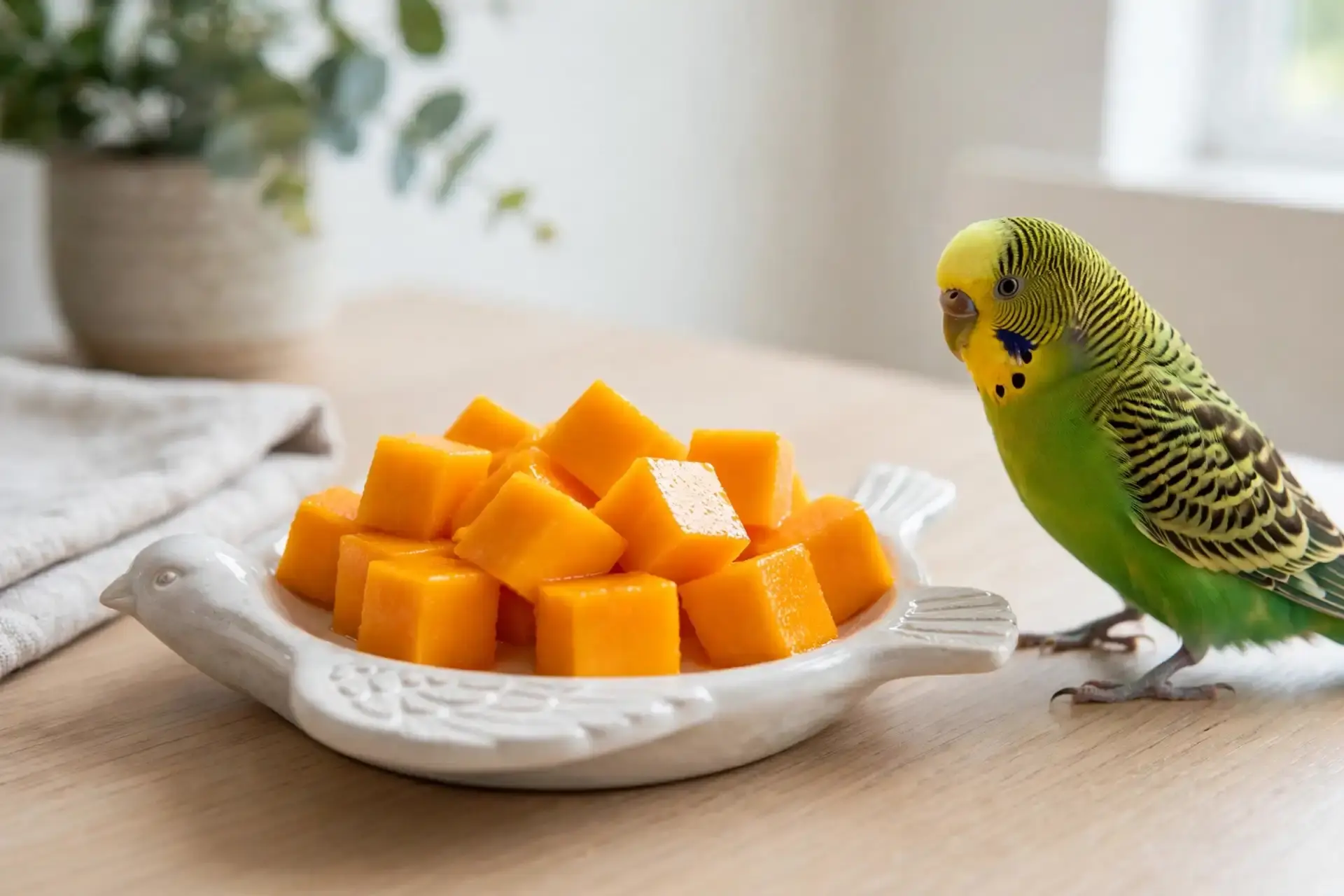
The size of the food is more of an issue than most people think. Budgies will thrive on pieces the size of a pea. Cockatiels and conures can deal with a cube of around one centimeter. Large parrots (African greys and macaws) can cope with a slice that fits into their foot. While large pieces aren’t dangerous, they will be dropped and smeared onto perches. This will cause waste. This is why sometimes fruit can go moldy in the corner of the cage.
How Much, and How Often
Fruit should make up around 10 percent of your pet bird’s diet, and mango is just one type, so it should be fed two to four times per week for bigger parrots. Small birds can have mango once or twice a week. Pellets or a good seed mix should also be fed alongside vegetables and leafy greens. Small amounts of mango can be fed daily to bigger parrots, but it is best to feed a variety of fruits to give a more balanced diet.
| Bird size | Examples | Portion per serving | Frequency |
|---|---|---|---|
| Small | Budgies, canaries, finches | One pea-sized cube | Once a week. |
| Medium | Cockatiels, conures, lovebirds | One teaspoon of cubes | One to two times a week. |
| Large | African greys, Amazons, macaws | One to two tablespoons of cubes | Two to four times a week. |
| Soft-billed | Toucans, mynahs | Up to one fifth of the daily diet | Several times a week, as part of a fruit-based diet. |
Wild birds should only be given a small amount of cubes on a platform feeder or fruit spike. They should not be used as a substitute for natural foods the wild bird would find. Wild birds such as orioles, tanagers and thrushes will come to ripe mango fruits in areas where mangoes are grown. This shows how much fruit eating species like mango. Mango is an occasional food for wild birds in temperate gardens, not a feeder staple. Any uneaten pieces should be removed that day to prevent attracting wasps and prevent mold.
Which Birds Should Skip Mango
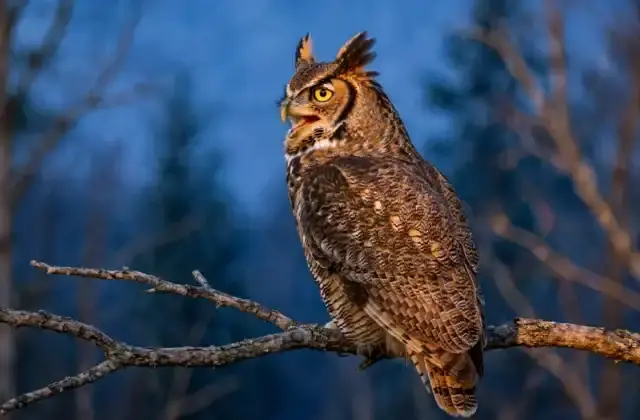
Most fruit-eating and omnivorous birds can tolerate mango. However, some species shouldn’t be fed mango. Raptors such as hawks and owls are carnivorous and will have no use for sweet fruit. Strict seed eaters such as many finches and canaries may have a small taste of mango, but will not naturally eat fruit. Too much may cause loose stools. Birds with liver disease or obesity (especially cockatoos and Amazons who are prone to fatty liver) should have their sugary fruits restricted further. This should be determined with your avian vet.
Baby birds should be treated separately. Nestlings and chicks who have not been weaned yet should not be given fruit. They should be given foods high in protein, which will help them grow. Mango should only be given to young birds once they have been completely weaned and are eating solid food. If the bird is ill or not eating, it is not a good idea to introduce a new treat. It would be better to take them to the vet. If you are unsure if it is suitable for your bird’s health, then this is why you should consult a vet.
Mango Forms to Avoid
Fresh mango is safe, but there are several mango products that are not safe and can be confused with the real thing. Dried mango is one of the most common traps. Almost all commercial brands have added sugar, and many will have sulfur dioxide as a preservative. This can be harmful for your birds. The dried mango will also have concentrated the natural sugars of the fresh mango into a small sticky piece. This alone makes it a poor option.
All of the following are bad for your bird: canned mango in syrup, mango nectar, mango juice, and mango-flavored snacks. All contain added sugars and preservatives. Mango chutney and salsa will also be bad as they contain added salt, vinegar, onions, and spices, many of which are harmful to birds. Any product containing anything other than mango in the ingredients should not be offered. This will ensure that you do not offer any new mango snacks that look wholesome on the package.
Another popular item that can cause arguments online is mango skin, offered as a chew. While some owners have reported that their parrots can eat the skin with no issues, it still should not be recommended. There is no nutritional benefit to the mango skin. It still poses the risk of urushiol and pesticides. The flesh of the mango can be fed without these risks. There is no benefit to outweighing the risk, so it should not be recommended to feed the skin to your parrot, even if they appear to be unaffected.
Mango Compared With Other Safe Fruits
Mango sits in a strong group of bird-safe fruits, but each one brings a different strength, which is why rotation beats repetition. Cherries offer a seasonal, antioxidant-rich treat once the pits are removed, though their pit hazard is more serious than mango’s because cherry pits are small enough to be swallowed whole. Strawberries are lower in sugar, easy to serve whole to larger birds, and popular with both pet and wild birds. Mango’s advantage over both is vitamin A, which is why it is the fruit to reach for when a seed-heavy parrot needs that nutrient most.
Apples are a good option – they are crunchy, readily available, and relatively low in sugar. However, they do contain seeds that need to be removed, similar to cherry pits. Bananas are soft and high in calories. This is great for underweight or molting birds, but they aren’t the best option as a regular treat for birds that are prone to gaining weight. Mango is a good middle ground – it is higher in nutrients than apples, lower in starch than bananas, and has a higher vitamin A content than both. No one fruit will cover all of your bases, so it is better to offer a mixed treat bowl.
Signs Mango Is Not Agreeing With Your Bird
Most birds will eat mango with no issues. If you are feeding them something new, then it is best to observe for a short amount of time. If they pass loose or runny stools after their first serving, this can be because you have given them too much or they have eaten a ripe mango. Simply give them a smaller piece next time. It is also not an indication that they are ill. Many birds will refuse to eat a new food multiple times, especially if it is wet or has an unusual texture.
Signs that you should be concerned about include vomiting, lethargy, fluffed-up sitting, labored breathing, and sudden lack of appetite after eating. In these cases, you should take the food away, keep your bird warm and quiet, and get in touch with an avian vet as soon as possible. Birds can often be quite good at hiding when they are ill, so if your bird appears to be mildly ill, they could actually be seriously ill. If you see any of these signs, do not waste time trying to figure out if it was caused by the mango. The signs your pet bird is sick are worth knowing before you ever need them, and they apply whatever the bird last ate.
Frequently Asked Questions
Can wild birds eat mango?
Yes, fruit-eating wild birds such as orioles, tanagers, thrushes, and waxwings will eat ripe mango flesh when it is available, and it is a natural food for tropical species. Offer small cubes on a platform feeder, keep portions modest, and clear uneaten fruit the same day to avoid mould and pests.
Can budgies eat mango?
Yes. A cube the size of a pea once a week is enough. It should also be peeled and have the pit removed. It should also be cut into small pieces. Budgies have small beaks and stomachs, so they are more likely to drop a large piece of soft food.
Can birds eat mango skin?
No. The skin should be peeled off. The skin contains urushiol, which can cause irritation to the bird’s mouth and/or skin. It also may contain pesticide residue. The flesh of the mango is safe to eat. Removing the skin costs nothing and removes the risks.
Can birds eat the mango pit?
No. The pit is a choking hazard for small birds and contains small amounts of cyanogenic compounds. Always cut away the flesh and dispose of the pit. It is not required by any bird and there is no way to prepare it safely.
Can birds eat dried mango?
Avoid commercial dried mango. Most have added sugar and sulfur dioxide as a preservative. Even unsweetened dried mango has concentrated sugars into a small piece. Fresh or plain thawed frozen mango would be a better choice.
How often can birds eat mango?
Large parrots can have mango two to four times weekly, whereas small and medium birds will have it once or twice. Overall, fruit should be around 10 percent of their total diet. It is better to vary the fruits by offering mango occasionally, as this will provide a more balanced diet.
The Bottom Line
Mango can be safely fed to most birds as long as you follow three rules. Only feed ripe flesh, remove the skin, and remove the pit. Feed in small amounts as an occasional treat, and only feed plain mango, with no sugar, syrup, or preservatives. Once these rules are followed, mango can be one of the most useful fruits to feed your bird. Parrots in particular will benefit from the extra vitamin A. However, if you don’t prepare the mango properly, then you are giving your bird the two problem parts. The difference between a great treat and a risky one is two minutes with a peeler.
Sources: Keepers Nook, Can Birds Eat Mango?, PetsRadar, 32 nutritious things birds can eat, Furry Critter Network, Fruits Safe for Birds.