
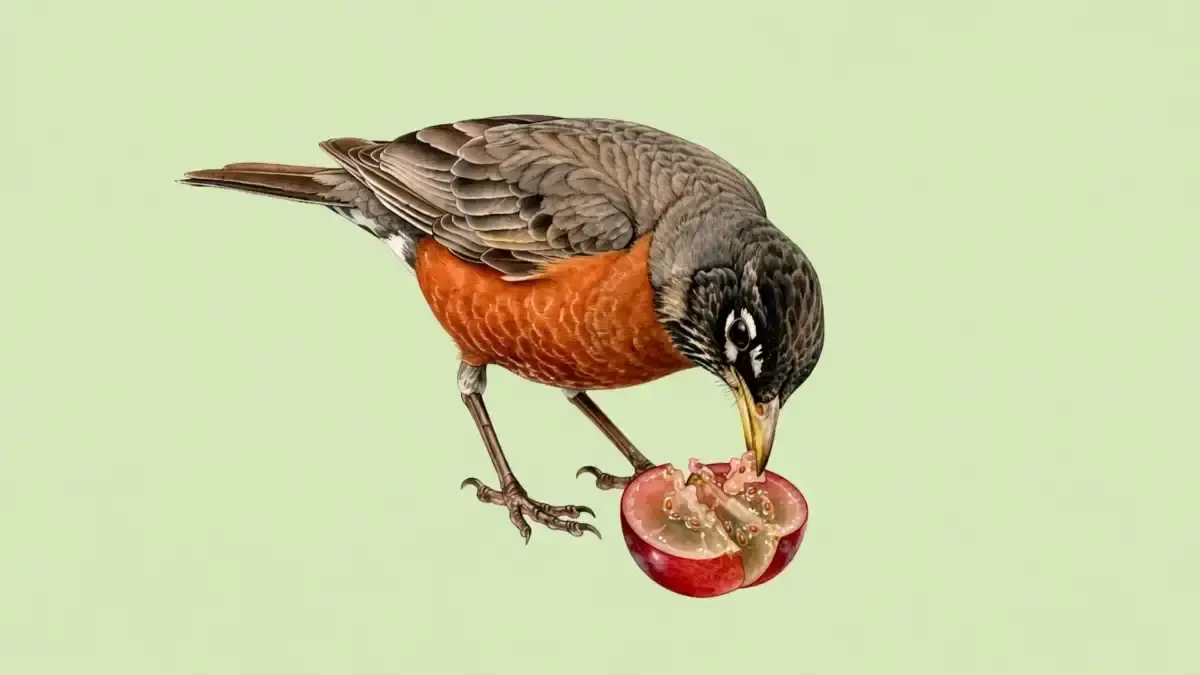
Yes, can birds eat grapes safely, even though grapes can be deadly for dogs. That sentence sounds contradictory, and it is exactly why so many people search this question. A dog owner sees a grape warning everywhere, assumes it must apply to every animal in the house, and then worries about the birds at the feeder. The warning does not transfer in that way.
Grapes can cause severe kidney failure in dogs, and no dog should ever be given grapes or raisins. Birds do not show the same reaction. Wild birds eat grapes in vineyards, and pet birds are routinely offered grapes as a treat. The risks for birds are different, and they are practical rather than toxic: choking on a whole grape, eating fermented fruit, or eating mouldy or pesticide coated grapes. This guide explains the dog difference clearly, then gives the serving rules that keep grape feeding safe.
Can Birds Eat Grapes? The Short Answer
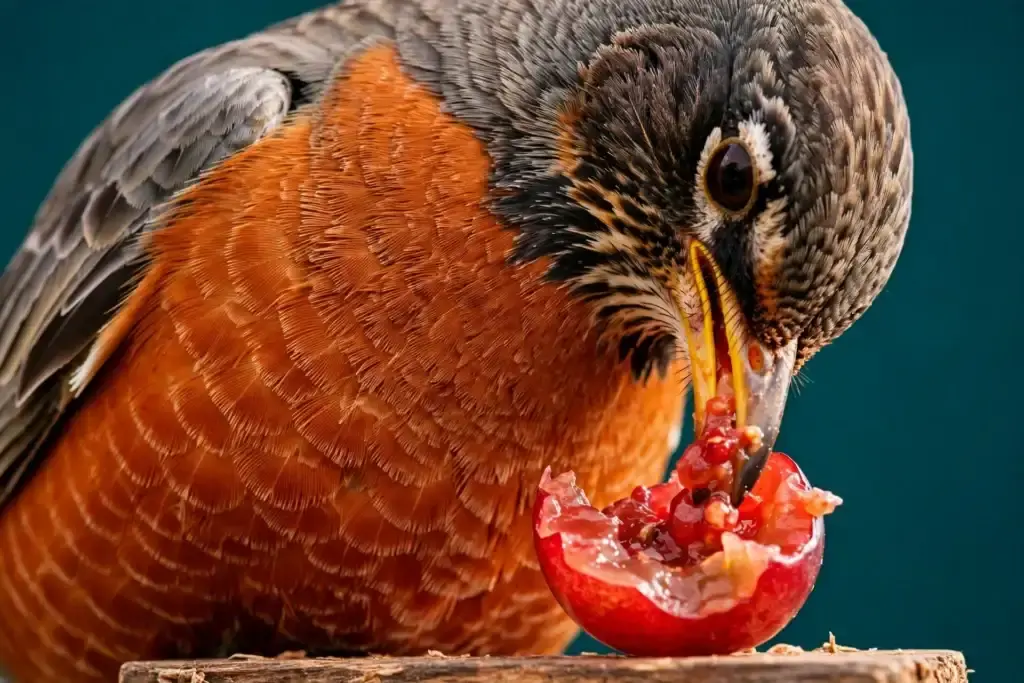
Yes. Fresh, ripe, washed grapes are safe for wild birds and for many pet birds when served in small amounts. Halve them for small birds, serve them on a platform feeder or ground tray, and remove leftovers before they spoil.
Grapes are mostly water and natural sugar, with some vitamins and antioxidants. That profile makes them a useful treat, not a staple. Birds still need seed, insects, or suet for fat and protein. A few grapes a few times a week fits that balance.
The dog rule stays absolute. Never give grapes or raisins to a dog, and never let a dog eat grapes dropped from a bird feeder. If a dog eats grapes, contact a vet or animal poison control service right away, even if the dog seems fine. Symptoms can take hours to appear, and early treatment matters.
Why Grapes Kill Dogs but Not Birds
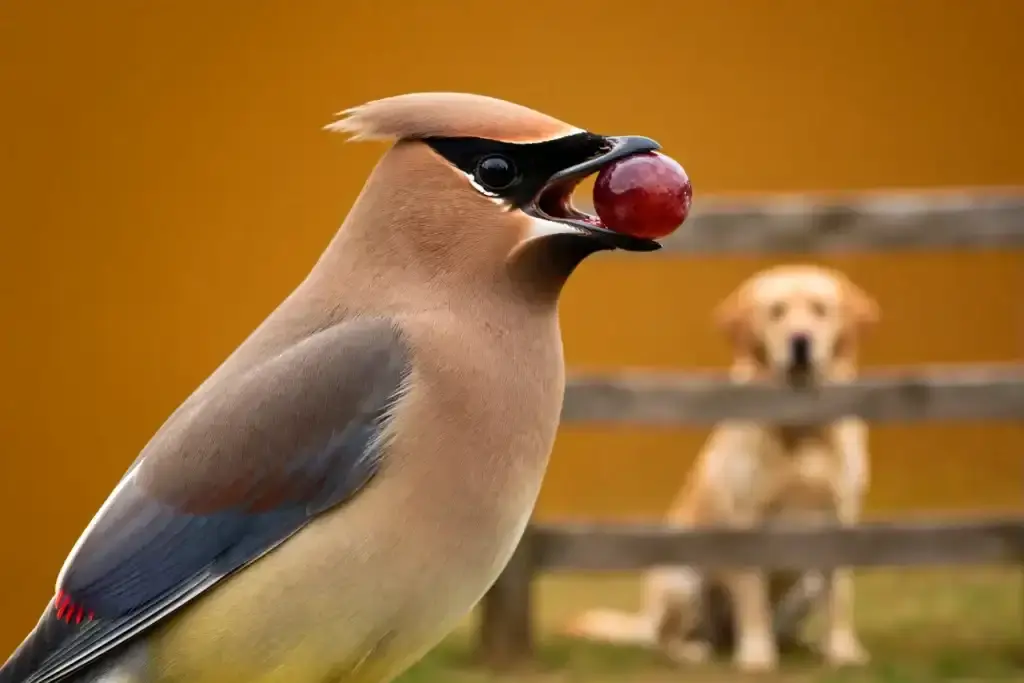
Dogs and birds process food differently, and grape toxicity is a clear example. In dogs, grapes and raisins have been linked to sudden kidney failure. Even a small amount can be dangerous for some dogs, and vets cannot reliably predict which dogs will react worst. That unpredictability is why the advice for dogs is a total ban, not a safe portion.
Birds do not show that same kidney reaction. Veterinary sources that describe grape toxicity in dogs note that birds do not seem to be affected, pointing to wild birds feeding in vineyards as a plain example. Pet bird guides likewise list grapes as a safe fruit treat. The difference is species specific, not a matter of dose alone.
The exact compound behind dog grape toxicity has been debated. Tartaric acid has been discussed as a likely factor in recent veterinary toxicology work, while other sources note that the precise mechanism is still not fully settled. For a bird feeder owner, the practical point does not depend on that debate. Dogs must avoid grapes completely. Birds, with proper preparation, can eat them.
Do not use this difference to test the rule. A bird eating grapes safely tells you nothing about a dog eating grapes safely. Keep the two animals, and their foods, separate.
What the Dog Warning Means for Your Feeder
If you have a dog, grape feeding needs a location plan. Do not put grapes on a low ground tray where a dog can reach them. Use a raised platform feeder, a hanging fruit feeder, or a tray on a pole that your dog cannot access. Clean up fallen grapes at the end of the day.
Train the habit, not just the feeder. Family members should know that grapes from the bird dish are not dog treats, and children should not hand grapes to a dog because birds eat them. That one misunderstanding is how most accidental dog exposures happen.
If you keep pet birds indoors, the same separation applies in reverse. A pet bird grape is fine. A dog grape is not. Keep bowls apart, and do not leave a shared fruit plate where a dog can help itself.
Seeded vs Seedless Grapes
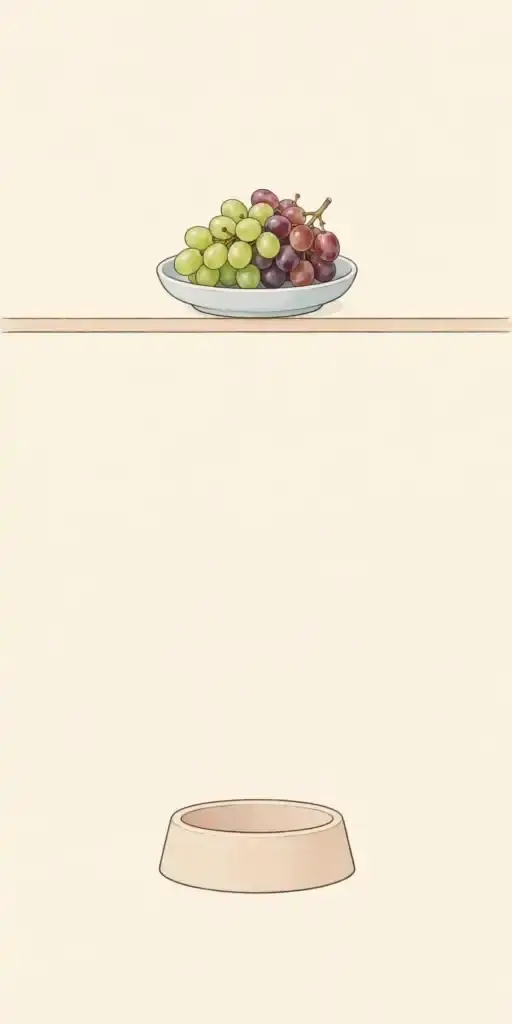
Seedless grapes are the simplest choice for birds. They remove the seed question entirely and are easy to halve. Green, red, and black seedless varieties are all acceptable, and birds often show a preference for darker, riper grapes, which are sweeter and softer.
Seeded grapes are not automatically dangerous for larger birds. Robins, jays, waxwings, and starlings can handle small seeds, and wild birds eat seeded fruit regularly. For small birds, however, seeds add an unnecessary choking and handling problem. A budgie or a small finch sized visitor will struggle with a whole seeded grape.
The practical rule is simple. Choose seedless when you can. If you only have seeded grapes, halve them and remove the seeds for small birds, or offer seeded halves only to larger wild visitors on a platform feeder. Do not offer a whole seeded grape to a small pet bird.
Grape seeds contain only trace compounds that are sometimes mentioned in toxicity discussions, but the amount in a normal serving is not the main risk for birds. Choking and portion size matter far more in everyday feeding.
How to Serve Grapes: Halving, Portions, and Placement
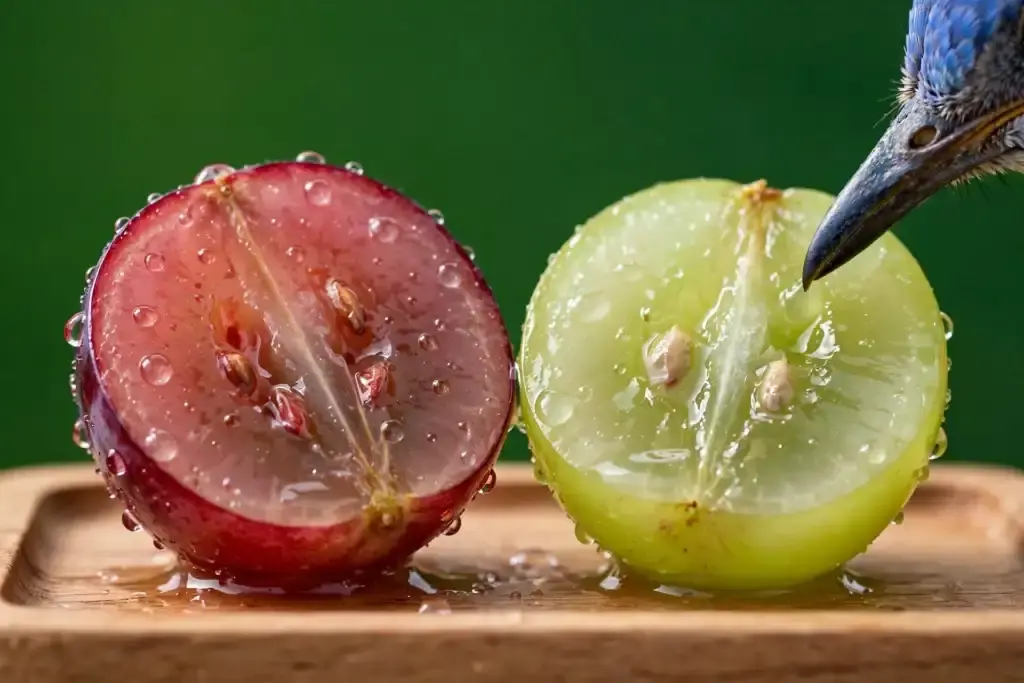
Wash grapes thoroughly before serving. Grapes often carry pesticide residue on the skin, and washing under running water reduces that residue. Organic grapes reduce the concern further, but washing is still sensible.
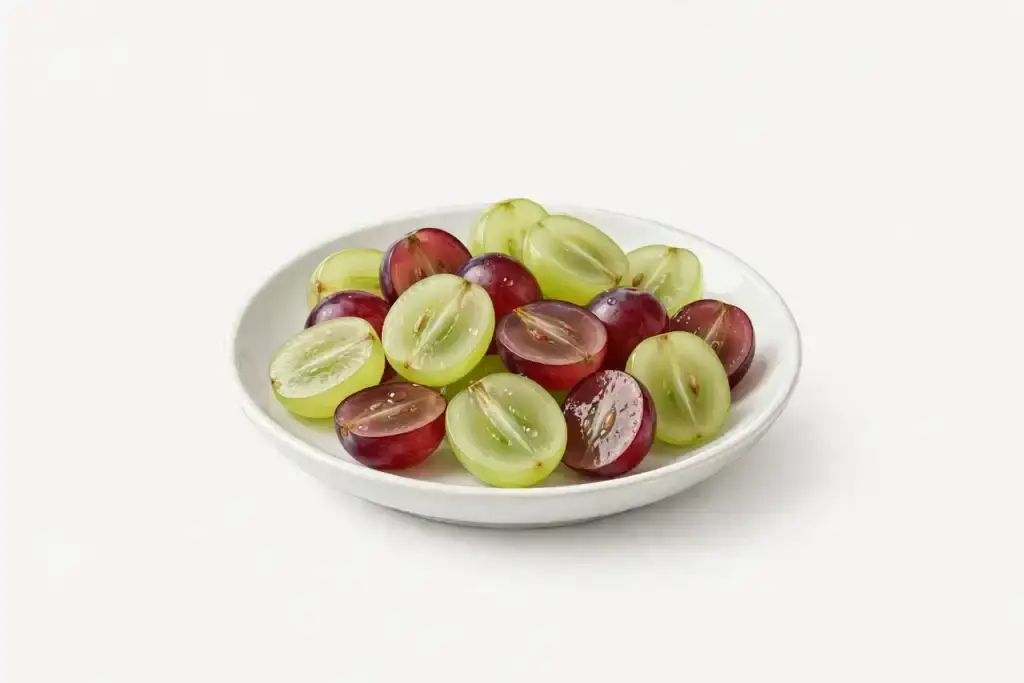
Halve every grape for small and medium birds. Cut lengthwise so the soft interior is exposed. Halving does three things at once. It prevents choking, it lets a small bill grip the fruit, and it releases scent that helps birds notice a new food.
For large wild birds, a halved grape is still better than a whole one, because it is easier to eat and less likely to roll off a feeder. Whole grapes roll, bounce, and end up on the ground where dogs, rats, or insects find them first.
Serve grapes on a platform feeder, a fruit spike, or a shallow dish. Do not put grapes in a seed tube feeder. They will block ports, trap moisture, and spoil seed. A flat surface also lets you see how much was eaten and clean up what was not.
Portions stay small. A few halved grapes, two or three times a week, is plenty for a backyard feeder. For a pet bird, a single halved grape, or half a grape for a very small bird, is a sensible treat portion. Fruit should stay a small share of the daily diet, not the main food.
Which Birds Eat Grapes
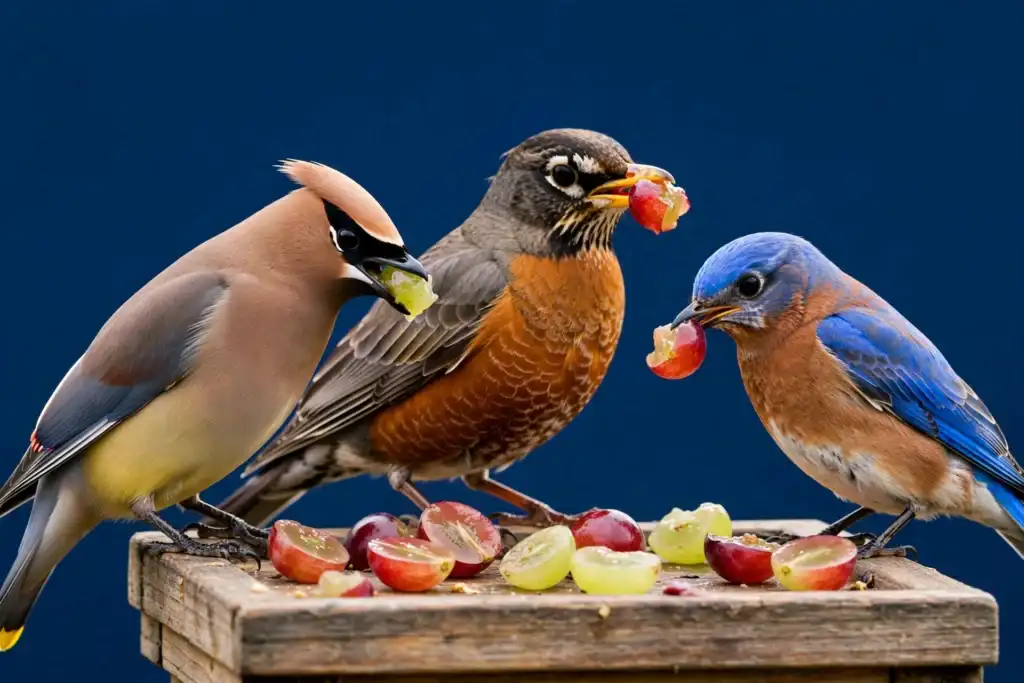
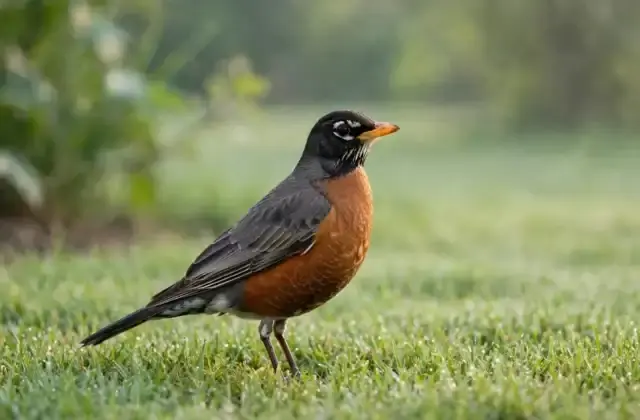
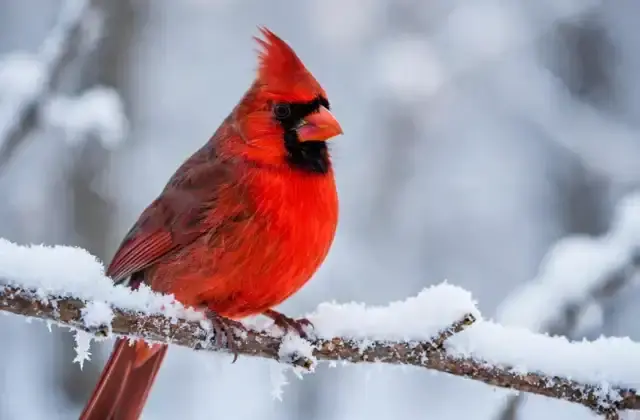
Robins, waxwings, mockingbirds, catbirds, bluebirds, orioles, tanagers, woodpeckers, jays, and starlings all eat grapes at feeders or on vines. Cardinals and grosbeaks may sample halved grapes as well, though seed usually attracts them first.
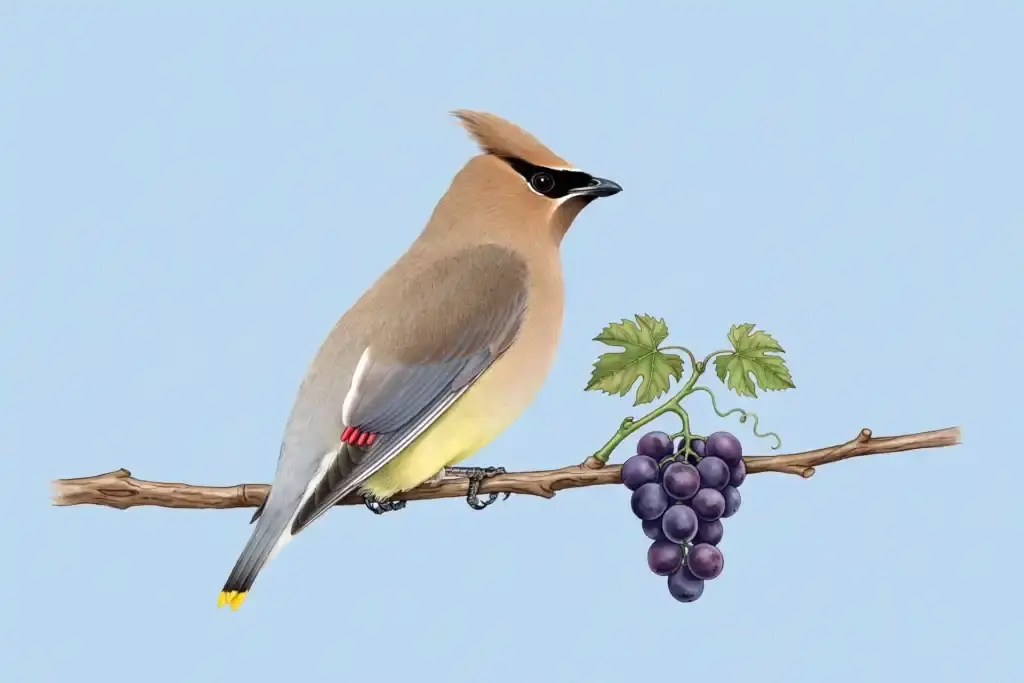
Waxwings deserve a special note. They eat fruit in flocks and can finish a grape offering fast. If waxwings arrive, enjoy the visit and do not refill with a large amount at once. A second small refill later in the day spreads the food and reduces waste.
Pet birds such as budgies, cockatiels, conures, and African greys can eat grapes as an occasional treat, with portions matched to bird size. A budgie needs a small piece, not a whole grape. A large parrot can handle a whole halved grape more easily, but the treat share of the diet should still stay small.
Serving by bird size: Small wild visitors and budgies / Half a small grape, cut into pieces, seedless / Halving prevents choking. Medium birds such as cockatiels and bluebirds / One grape, halved / Serve on a flat dish. Large wild birds and large parrots / One to two grapes, halved / Still halve to reduce rolling and waste. Flocking fruit eaters such as waxwings / A few halved grapes at a time / Refill in small batches, not a large pile.
Fermented Grapes and the Vineyard Risk
Fermented grapes are the one grape form that is genuinely dangerous for birds. When grapes sit on the vine, on the ground, or in a warm feeder dish, yeasts ferment their sugars into alcohol. Birds are small, and alcohol affects them quickly. A bird that eats fermented fruit can become unsteady, disoriented, and vulnerable to predators, cold, and collisions.
This risk is not theoretical. Birds feeding on overripe, fallen fruit in vineyards and orchards have been seen showing signs of intoxication. The lesson for a feeder owner is direct. Never serve grapes that smell of alcohol, feel mushy, or have been sitting in heat. Remove leftovers daily, and do not leave a grape dish out for several days in summer.
The same rule applies to garden fruit. Pick up fallen grapes under a vine rather than leaving them to ferment on the ground. A clean garden floor protects birds, dogs, and other wildlife at once.
What About Raisins?
Raisins follow the same species split as grapes. They are dangerous for dogs and must never be given to a dog. For birds, raisins are not toxic in the same way, but they are a different food from fresh grapes. Drying concentrates sugar, so raisins are much sweeter and stickier per bite.
If you offer raisins to birds, soak them briefly in water first to soften them, and serve only a small amount. Dry raisins can be hard for small birds and can swell after eating. Soaked raisins are a common bird feeder food, especially for robins and blackbirds in winter, but they should still be a treat, not a daily pile.
Do not offer raisins coated in sugar, yoghurt, or chocolate. Plain, unsweetened raisins, soaked and served in small amounts, are the only version that belongs at a feeder.
What to Avoid
Avoid mouldy grapes. Mould can produce toxins, and a fuzzy grape belongs in the bin, not on a feeder. Check each grape before serving, and discard any that are soft, split, or discoloured in a suspicious way.
Avoid grape juice, wine, and grape flavoured drinks for birds. Juice ferments fast and offers concentrated sugar without the handling benefit of whole fruit. Wine is alcohol and must never be given to birds.
Avoid unwashed grapes straight from a sprayed vine. Wash them, and if you are unsure about spraying, choose shop grapes that you can wash thoroughly, or organic grapes when available.
Avoid leaving grapes out overnight in warm weather. Nighttime leftovers attract rats, raccoons, and insects, and the fruit will be fermented or mouldy by morning. A clean dish at dusk is a better habit than a full dish at dawn.
Frequently Asked Questions
Can birds eat grapes if I have a dog?
Yes, with placement and clean up. Use a raised feeder your dog cannot reach, serve small amounts, and pick up fallen grapes daily. Never hand a grape to your dog, and teach everyone in the household that bird grapes and dog treats are different rules.
Are grape seeds poisonous to birds?
Grape seeds are not the main risk for birds in normal servings. The bigger risks are choking on a whole grape and eating fermented or mouldy fruit. Seedless grapes remove the question entirely, which is why they are the simplest choice, especially for small birds.
Can baby birds eat grapes?
Do not hand feed grapes to nestlings. Wild chicks need insects and protein rich food from their parents. If you find a baby bird, contact a wildlife rehabilitator rather than offering fruit yourself.
Are green grapes safe, or only red grapes?
Green, red, and black grapes are all acceptable when ripe, washed, and halved. Birds often prefer darker, riper grapes, but colour is a preference, not a safety rule. Avoid unripe, hard grapes, which birds often ignore.
How often can birds eat grapes?
A few times a week in small amounts is a sensible rhythm for wild birds. For pet birds, two or three times a week as a small treat fits a balanced diet. Daily large servings would crowd out seed, pellets, vegetables, and protein sources birds need.
What should I do if my dog eats a grape from the feeder?
Contact a vet or animal poison control service immediately, even if the dog seems well. Do not wait for symptoms. Tell the vet how many grapes were eaten and when, and follow their advice on treatment. Early action gives the best outcome.
Conclusion
Grapes are a good example of why species matters more than a single warning label. For dogs, grapes are a serious poison risk and must be avoided completely. For birds, fresh washed grapes, halved for small birds, served in small amounts on a clean platform feeder, are a safe and welcome treat.
Keep the two rules separate in your yard. Put bird grapes where dogs cannot reach them, clean up fallen fruit daily, and never serve fermented or mouldy grapes. Do that, and you can enjoy robins, waxwings, and bluebirds at a grape dish without putting your dog at risk. The confusion clears up once you see it plainly: one fruit, two very different animals, and two very different rules.
For more feeder safety help, see Can Birds Eat Cranberries, How Often to Clean Bird Feeders, and What Do Budgies Eat. External reading: What Grapes Do to Dogs, Pet Poison Helpline, Grape and Raisin Toxicity, Veterinary Article, and Can Birds Eat Grapes.