
Yes, birds can eat persimmons, but only when the fruit is ripe and served the right way. A soft, sweet persimmon can be a useful autumn treat, while an unripe one can upset a small stomach. The difference is ripeness, variety, and portion size.
Quick Answer
Can birds eat persimmons: Yes, most wild and pet birds can eat ripe persimmon flesh, in small amounts. You should feed them just the soft orange flesh, without the seeds and only as an occasional treat, not a daily staple.
Cut into small pieces. For a small songbird, the pieces should be about the size of a pea, but slightly larger for a larger bird. Wash the fruit and cut off the stem and leafy tip. Remove all seeds. If it still makes your mouth pucker, it is not ready for the birds.

What Is a Persimmon
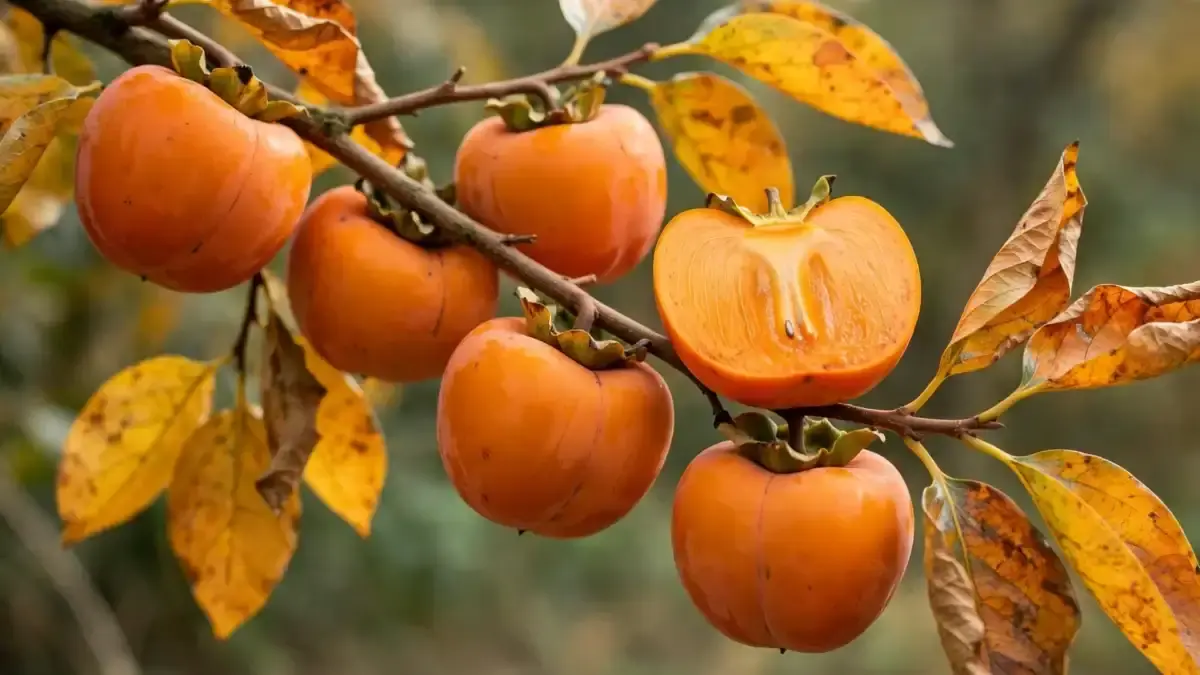
A persimmon is a soft, orange fruit which ripens in the autumn. When ripe, the fruit is very sweet, rich in color, and high in water, fiber, and vitamins. In the wild, persimmons fall from trees in late autumn, and birds, deer, and other animals eat the soft fruit on the ground.
There are two types of persimmon. Asian persimmons (Diospyros kaki) are what you will most likely find in shops. American persimmons (Diospyros virginiana) are found growing wild in some parts of the eastern United States. They are smaller, softer, and very sweet once fully ripe. These can also be safe for birds to eat, however, the same rules apply. The fruit should be ripe, the seeds must be out, and the portion must stay small.
Fuyu vs Hachiya: The Key Difference
The most important part of this guide is knowing the difference between the two varieties found in most shops. Fuyu persimmons will be flat and round like a tomato. They are non-astringent, meaning that they are sweet while still firm. They can be sliced like an apple and are generally the safer and easiest option for birds. Choose one that is firm but slightly soft to the touch, with deep orange skin and no bruising.
Hachiya persimmons are acorn shaped and pointed. Unripe they are very astringent and contain high amounts of soluble tannins. This causes a dry feeling in your mouth and can cause irritation to your gut. They are only safe to eat when fully ripe and have a jelly-like texture, almost like a water balloon.
Avoid anything that is hard, pale, or puckering. Take a small piece and taste it yourself. If it makes your mouth pucker, wait. If it is sweet, soft, and silky, then it is ready to eat. Never guess with a Hachiya, because ripeness is the whole safety question.

American Persimmons
American persimmons are generally small and similar in size to a plum. They grow wild and ripen during autumn. They become very soft and sweet when ripe. In their natural habitat birds will eat them often from fallen fruit. The same rule applies. As they are unripe they are astringent and not pleasant to eat.
A ripe persimmon will be soft, shriveled and sweet and may drop off the tree on its own. If you find one on the ground, ensure it is soft and clean before offering it and remove the seeds. Don’t pick a hard American persimmon hoping it will ripen on the feeder. Let it fully ripen indoors to become completely soft.
Are Persimmons Safe for Birds
Generally, ripe persimmon flesh is safe to feed to wild birds and pet birds such as parrots, when it is offered in moderation. Persimmons are not toxic like avocado, and are not commonly on the list of foods you should avoid feeding your pet bird. However, there are three things to consider. Firstly, make sure it is ripe as unripe fruits can cause gastrointestinal issues due to the tannins. Secondly, the seeds. Large hard seeds can cause a choking hazard or blockage in a small bird.
Third, amount, because persimmons are high in natural sugar, and too much sugar can upset the diet of any bird. Pet birds need extra care. A parrot or other pet bird should get persimmon only as a small treat, a few times a month at most, and never as a replacement for its normal balanced diet. If your pet bird has a health condition, ask your avian vet first.
What Is in a Persimmon
Persimmons are high in water and natural sugars, but also contain fiber, vitamin A, vitamin C and a small amount of potassium and other minerals. The vitamins A and C help with eye health, skin health, and boosting the immune system. Fiber helps aid digestion. This all sounds great, and it is, in small amounts.
The issue here is balance. If your bird eats too many sweet fruits they may not eat as much of the seeds, insects and other foods that provide them with the protein and fats they require. This means it is best to feed persimmons as a treat rather than a staple food. Persimmons are also soft making them easier to eat for older birds or those struggling to eat harder seeds. The flesh of the fruit is easy to swallow and provides a little extra hydration on a dry autumn day.
The Seed Problem
Always remove all seeds from the persimmon before you offer the fruit. The seeds are quite large, smooth and hard for a small bird, which can cause choking or an obstruction if eaten whole. Some sources also mention that persimmons contain small amounts of compounds that can be harmful in large quantities, so removal is not just about size. Remove all of the seeds and dispose of them. Just feed the bird the flesh.
Cut the fruit open and remove the seeds with a spoon. Check each piece of fruit before you put it out. If feeding to a small songbird cut the flesh into pea sized pieces. If feeding to a larger bird like a jay or crow then small cubes are fine.
Skin, Stem, and Leaves
Before serving, make sure to wash the skin well as the fruit may have been treated with pesticides or may be dirty. If you wish you can remove the skin. Many people do this as the skin can be tough and difficult to digest. Remove the woody stem and the leafy calyx at the top. These parts are not food, and they can be hard or sharp. Offer only the clean, soft flesh. Do not offer persimmon leaves or branches. Only the fruit should be served and only when ripe.
Unripe Persimmons: Why They Are a Problem
Unripe persimmons, particularly Hachiya and American varieties, are high in soluble tannins. Tannins are the compounds that cause the drying, puckering feeling in your mouth. In a bird, they can irritate the digestive tract, reduce nutrient absorption, and cause an upset stomach.
They might also avoid eating the fruit if they are unripe. This is a good sign. However, they often can tell from the taste and smell if they are ripe. If they are very hungry in the winter they may still try to eat them. Don’t put unripe persimmons on your feeder. Wait until they are soft, jelly like, clear, and sweet (Hachiya) or soft, wrinkled and sweet (American). If you’re unsure then wait a day longer.
How Much Persimmon Can Birds Eat
Feed your bird persimmon as a treat only, no more than about 10 percent of the diet. Even less for your pet bird. Feed a few small pieces to wild birds once or twice a week. A good amount to put in your feeder would be one small Fuyu cut up to feed lots of birds, and that is enough for a day. Do not feed a whole bowl as it will spoil and attract insects. It may also mean they will not eat their normal food.
If feeding to a pet bird, offer a piece no larger than a thumbnail, once or twice a week. If you notice loose droppings after offering new food, then stop if you see a change. Persimmon should be removed after a few hours if not eaten, especially in warmer weather. Soft fruit will spoil quickly so it will grow mold and attract wasps.
How to Serve Persimmons to Wild Birds
Follow these steps for a safe feeder serving. Step 1: Choose a ripe Fuyu or a Hachiya that is jelly soft. Wash it well. Step 2: Cut it open and remove all seeds, the stem, and the leafy top. Step 3: Dice the flesh into small pieces. If there is a tough skin then peel it. Step 4: Place a little on a clean tray feeder, platform feeder, or suet cage with a tray.
Don’t place it on the ground as birds will get it dirty. Step 5: Place it in the morning so that birds can eat it fresh. Remove any leftovers in the evening. Step 6: Wash the feeder out ready for next time as there will be some sticky fruit left behind. Alternatively you can hang a half persimmon, flesh side out, from a branch, so birds can peck at it. This is good for larger birds, however smaller birds may prefer a tray.

Which Birds Eat Persimmons
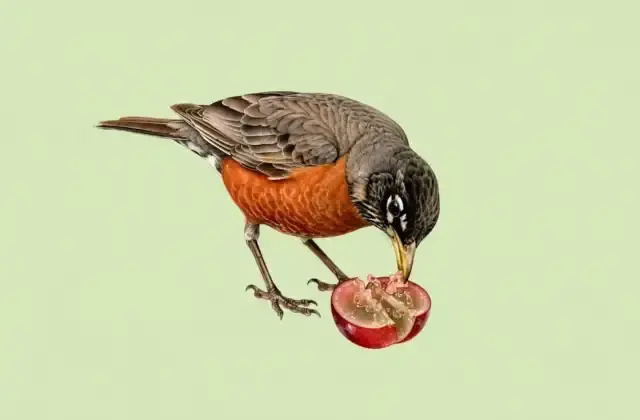
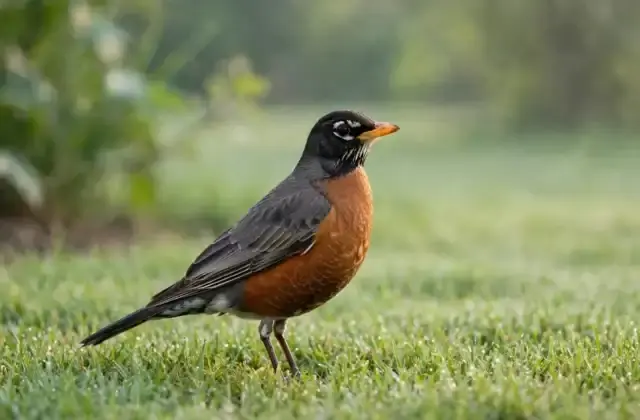
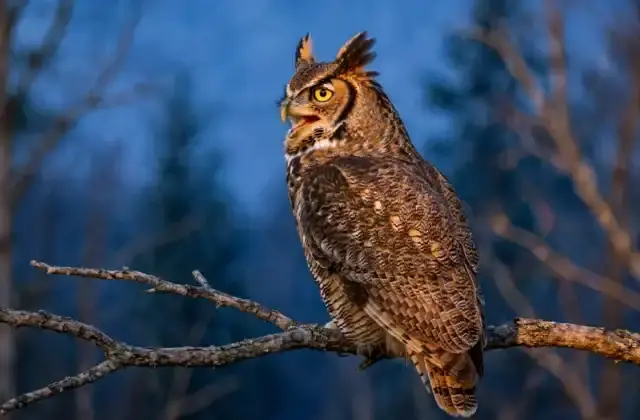
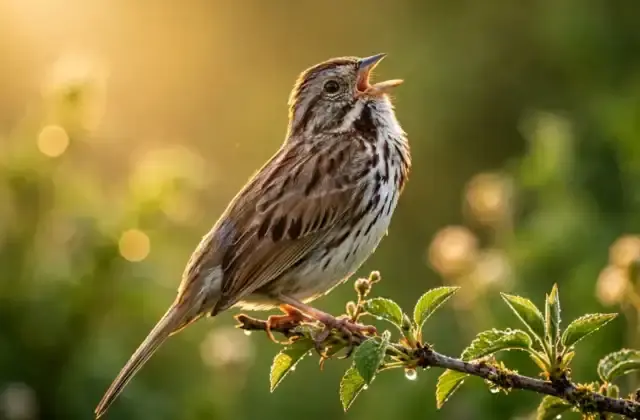
There are many fruit eating birds that will eat persimmons. Cedar waxwings, American robins, northern mockingbirds, bluebirds and orioles are known to be fruit eaters in North America. They will often visit persimmon trees in the autumn. Larger birds such as blue jays, crows and woodpeckers may also nibble some from the tray. In the wild, wild turkeys and other ground feeding birds will eat fallen persimmons.
Pet birds such as parrots, conures and cockatiels can be offered small amounts of ripe persimmon flesh without the seeds. Offer just a very small piece first and observe your bird’s reaction. If they don’t like it, don’t offer again. Not all birds will like persimmon. This is perfectly normal. Birds are very particular about their food and some may ignore a new fruit for days before trying it.
When Are Persimmons in Season
Persimmons usually ripen during the autumn months, depending on the variety and the region. They can be found in stores between September and December. Fuyu persimmons can often be found in stores between October and December. Hachiya persimmons ripen a little later, and American persimmons ripen in late autumn.
That timing makes persimmon a useful autumn treat, when birds are building fat for winter. They aren’t a good choice during the summer months or in the middle of winter, as they will not be in season and stored fruit may be soft or spoiled. When out of season, be sure to check your persimmons thoroughly. Any that are soft, moldy, or sour should go in the trash, not on a feeder.
Dried Persimmons: Are They Safe
Dried persimmon is a sweet, chewy, sugary fruit that is not toxic but not a good food to feed to wild birds. It is quite sticky and difficult to swallow and is very sugary for a small bird. If you do want to feed your bird some dried persimmon, soak a small piece in water first and chop into very small pieces. Only feed a very small amount. Even then, fresh ripe persimmon is a better choice. Persimmon with added sugar, honey, syrup, or spices should never be fed. The only safe option is plain ripe fresh flesh.
Persimmons vs Other Autumn Fruits
Persimmons are one of many fruits that can be fed to birds in autumn. Other safe fruits include apples, pears, grapes, and berries, when ripe and served in small pieces, with seeds removed where needed. Persimmons can be a good option as they are softer and sweeter than apples, however they do not last as long. They are larger than berries and require more preparation.
Compared with grapes, persimmons are less likely to be eaten whole, which is a good thing, as whole grapes can cause choking for small birds. A mixed fruit tray can work well. However, ensure to keep quantities small and do not mix persimmon with foods that are unsafe for birds, such as chocolate, avocado, onion, or salty snacks.
Common Mistakes to Avoid
Mistake 1: Offering unripe Hachiya persimmons. You need to wait until they are jelly soft. Mistake 2: Don’t leave the seeds in. Always remove them. Mistake 3: Putting out too much. Only offer a little at a time. A small amount is enough, and leftovers spoil. Mistake 4: Leaving fruit out overnight. Remove it and clean the feeder. Mistake 5: Offering persimmon every day. It is a treat, not a staple, so it should only be offered occasionally. Mistake 6: Using moldy or sour fruit. Don’t offer moldy or sour fruit. If it smells off, throw it away. Mistake 7: Offering persimmon to a very young bird. Young birds need their parents’ food, so they shouldn’t have new treats.
Persimmons and Pet Birds: Extra Notes
Pet birds have different needs from wild birds, and their diet is more controlled. So your parrot, on a balanced pellet diet with some fresh vegetables and a little fruit, will not require persimmon, but it can enjoy it as a treat.
Offer a small piece of fruit, with the skin washed and the seeds removed. Watch for any change in droppings, appetite, or behavior. If they have any loose droppings or lack of appetite, then stop offering this fruit and speak to your vet. Never offer persimmon to a chick under eight weeks old. This should never be offered as a first food to young birds. Young birds need simple, safe foods, and a new fruit can upset a delicate gut.
Frequently Asked Questions
Can birds eat persimmon seeds: No, remove all seeds before serving. They can choke a small bird or cause a blockage. Can birds eat unripe persimmons: No, they have high levels of tannin which can cause stomach upset. Wait until they are fully ripe. Can parrots eat persimmons: Yes, small amounts of ripe persimmon flesh (with seeds removed) are safe to give your parrot occasionally as a treat.
Can birds eat persimmon skin: The skin is not toxic, but it can be tough and hard to digest. Wash it well, and peel it if you prefer. Can birds eat dried persimmons: Fresh is better. Dried persimmon is very sweet and sticky, so offer only a tiny soaked piece, or skip it.
How often can birds eat persimmons: Once or twice a week at most, in small amounts, is plenty for wild birds. Less for pet birds. Do wild birds eat persimmons naturally: Yes, fruit eating birds eat ripe persimmons from trees and from fallen fruit in autumn.
Conclusion
Persimmons are safe to feed to birds. Ripe persimmons can be a sweet, useful autumn treat for your bird. The rules are simple, and they are worth following every time. Choose ripe fruit, Fuyu when firm or Hachiya when jelly soft. Remove the seeds, stem, and leafy top.
Wash, chop up small, and feed sparingly once or twice per week. Remove any uneaten fruit and clean the feeder, and watch for any sign of upset. If this is done, then persimmon can be safely fed as part of a varied autumn diet to wild birds at the feeder and as a small treat to pet birds.
Sources: Cornell Lab of Ornithology, fruit eating birds and autumn diet guides; Birdfact, black-capped chickadee and fruit eating bird guides; general veterinary guidance on persimmon tannins, seeds, and moderation for birds.
Sources and Further Reading
The facts in this guide were checked against these authoritative sources: