 Skip to content

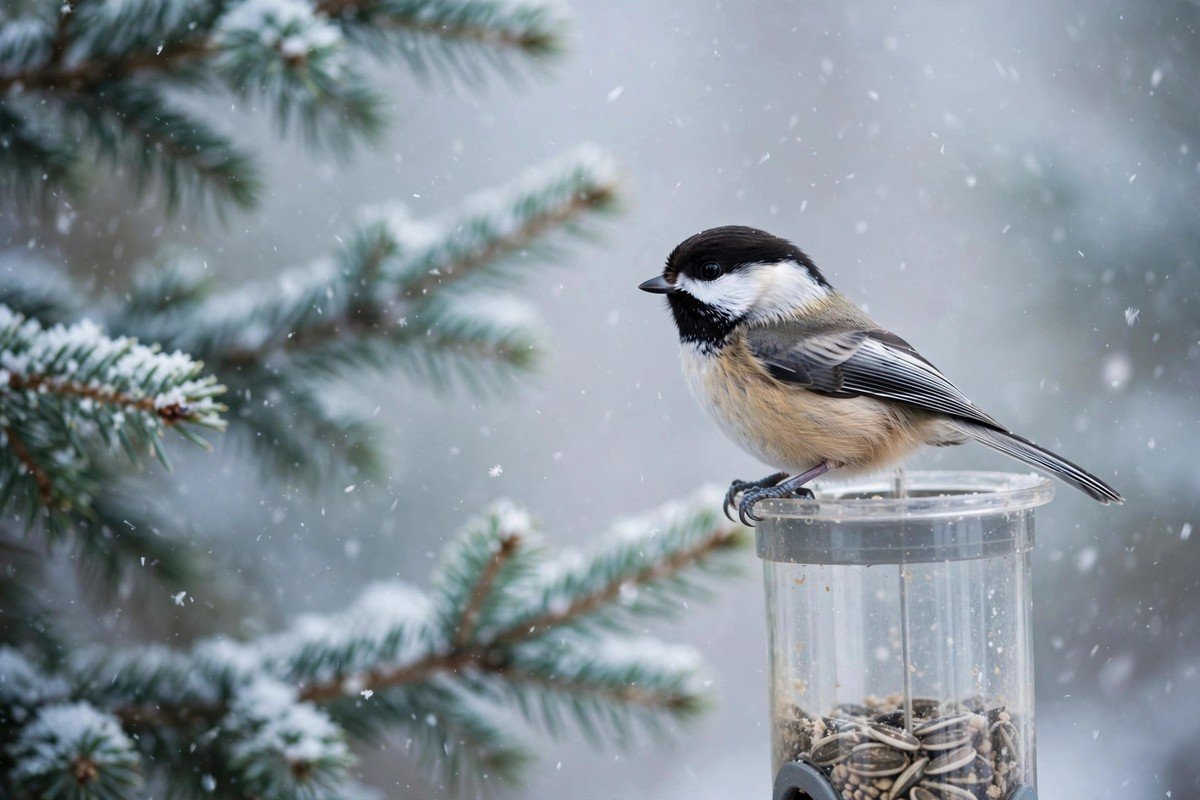
Do bird feeders make birds dependent? If you keep a feeder filled, you may worry that you are training your backyard birds to rely on handouts. It is a caring question, and one that researchers have taken seriously enough to test directly in field studies.
The short answer is no. Studies show that feeders supply only a fraction of a feeder bird’s diet, and birds keep foraging for natural food every single day. Your feeder is a supplement, not a lifeline. There is one caveat, during severe ice and snow, when natural food gets locked away and every calorie counts, feeders can matter more. Keep reading for what the research shows, where the real risks of feeding lie, and how to feed responsibly.
Do Bird Feeders Make Birds Dependent? The Short Answer
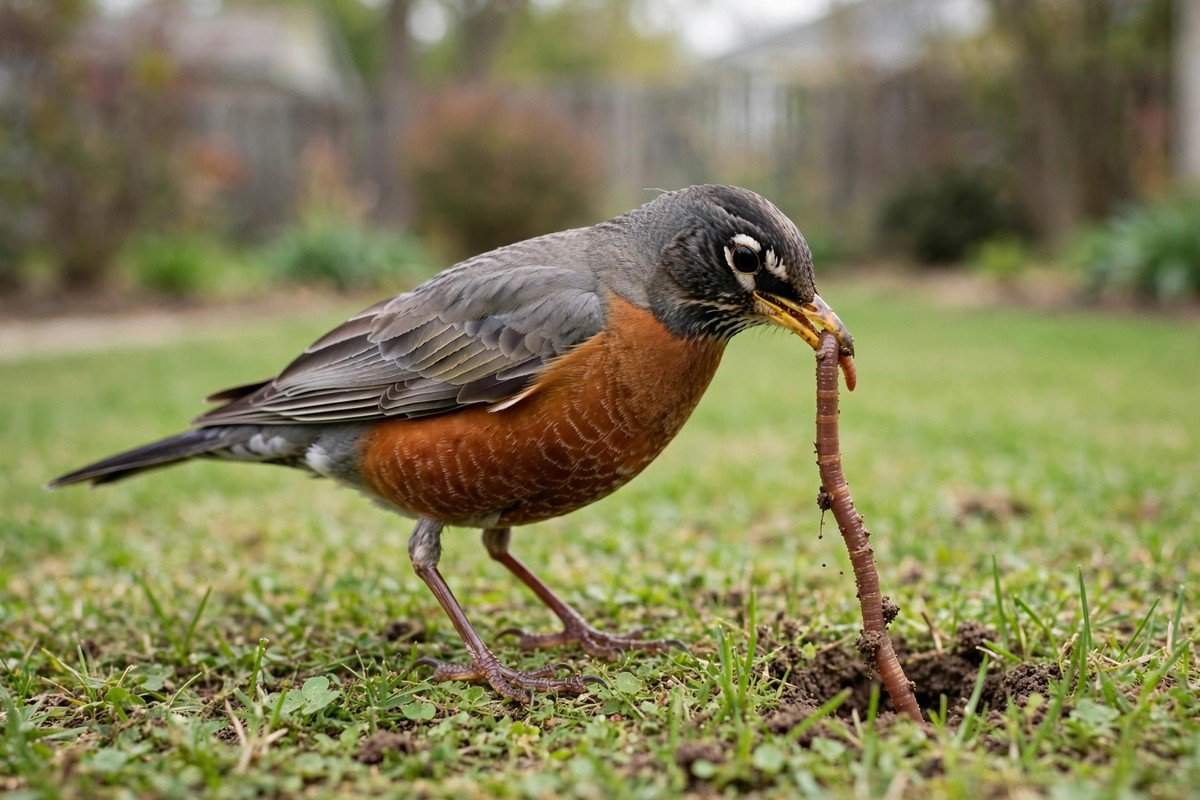
Birds do not become dependent on feeders. A bird that visits your feeder also spends its day gleaning insects from bark, probing leaf litter, picking at berries, and checking seed heads. It also visits other yards, parks, and wild patches. Your feeder is one stop on a much longer daily circuit, not the whole route.
Birds are built for food uncertainty. Wild food supplies swing with weather, seasons, and competition, so a bird that forgot how to forage after finding one easy meal would not survive long. Evolution has equipped birds to seek food in many places and to switch sources quickly. A feeder fits into that flexible system rather than replacing it.
The one real caveat involves extreme winter weather. When ice coats every branch and deep snow buries ground food for days, feeders can become a larger share of a bird’s diet, and researchers have found that supplemental food can improve survival during those harsh spells. That is a reason to keep feeders filled during brutal cold snaps, not evidence that birds have forgotten how to feed themselves.
What the Research Shows
Scientists have approached the dependency question from several angles: measuring how much of a bird’s diet actually comes from feeders, testing whether birds lean on feeders when life gets harder, and watching what happens when feeders disappear. The results point the same way every time.
Feeders Supply Only a Fraction of the Diet
A Wisconsin study of wintering chickadees reported that the birds took only about 21% of their daily food from feeders (Brittingham and Temple 1992). The other 79% came from natural sources the researchers could not even fully track. In other words, even birds that visit feeders daily get the great majority of their calories elsewhere.
That same line of research found that supplemental food made a measurable difference in survival mainly during severe winter weather. In normal conditions, feeder food was a helpful bonus rather than a necessity. This is why ornithologists describe backyard feeding as supplemental feeding, a useful extra layered on top of a wild diet, not a replacement for it.
Chickadees Keep Foraging Even When Flying Gets Harder
If birds were truly dependent on feeders, you would expect them to cling to feeders when times get tough. A 2021 study of black-capped chickadees, published in the Journal of Avian Biology, tested exactly that idea. Researchers at Oregon State University tagged 67 chickadees with RFID chips and monitored their visits to 21 feeders fitted with chip readers.
Some of the birds had flight feathers clipped, a standard technique that raises the energy cost of flying. The handicapped birds, which needed extra calories most, did not visit feeders more often. If anything, they cut back on feeder visits for a couple of weeks, likely to reduce exposure to predators, then returned to normal patterns. The researchers concluded that natural foods were sufficient to cover the higher energy costs, which is not what dependent animals do.
An earlier experiment reached the same conclusion from the opposite direction. Feeders that had supplied supplemental winter food for 25 years were removed, and the researchers found no drop in the birds’ apparent survival. After a quarter century of free meals, the birds carried on without them.
What Happens When a Feeder Goes Empty
Project FeederWatch, the Cornell Lab of Ornithology’s long-running citizen science program, addresses this worry directly in its handbook: birds become accustomed to a reliable food source and visit daily, but they search for food in many places, so if a feeder goes empty, birds find food elsewhere. A feeder pause of a few days, or a vacation, does not strand your birds. They simply fold other food sources into the circuit.
Project FeederWatch’s own handbook puts it plainly, and Cornell Lab’s winter feeding guidance agrees: birds visiting feeders typically have many food sources, which is part of how they survive cold climates. Relying on a single food source would be a fragile strategy, and wild birds are not built that way.
Why the Dependency Myth Persists
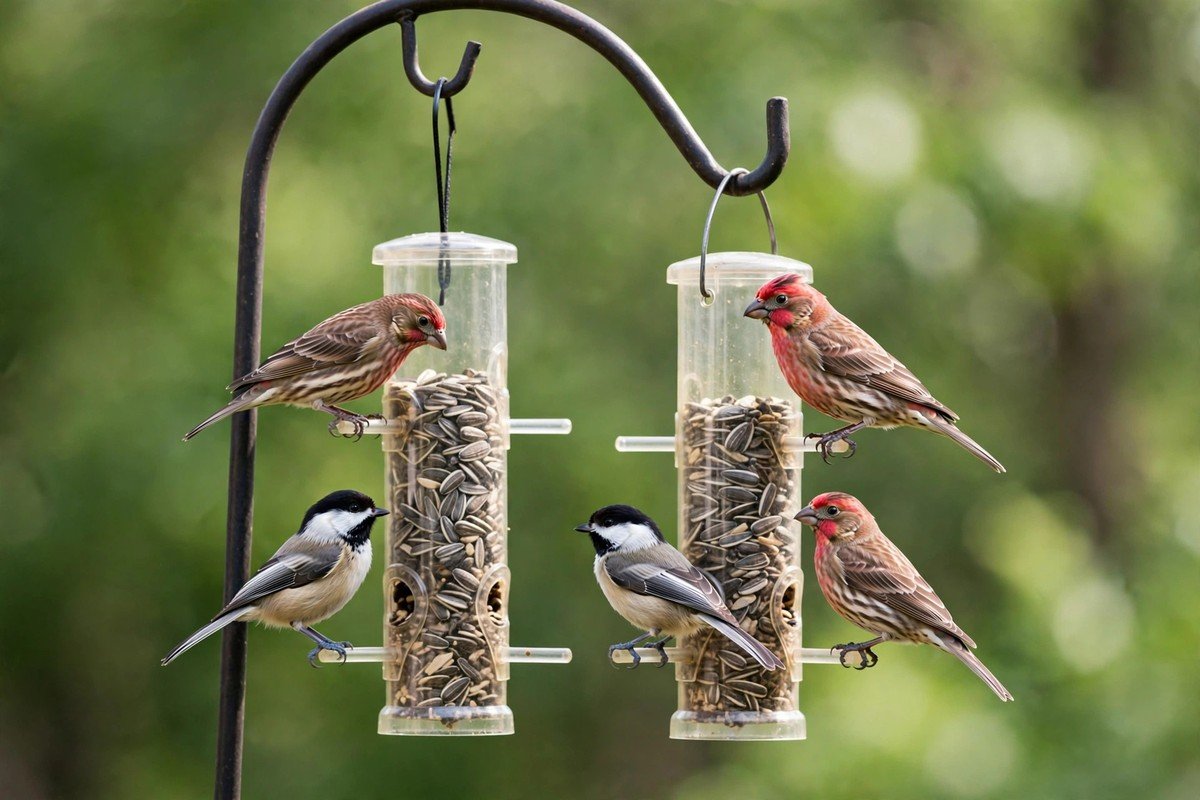
The myth survives because daily feeder visits look like loyalty. When the same chickadee lands on your feeder every morning, it is easy to conclude that it needs you. What you are actually seeing is a bird that has added your yard to an efficient daily route, alongside a dozen other stops you never see.
Anthropomorphism feeds the myth too. People project human habits onto birds and imagine a creature that gets lazy once food is easy. But wild birds cannot afford laziness. A bird that stopped practicing foraging would be at the mercy of the next storm, and natural selection has weeded that tendency out over millions of years.
Winter amplifies the worry. Birds fluff up against the cold, look vulnerable, and visit feeders in visible numbers, which tugs at protective instincts. It helps to remember that the birds you see are only part of the story. For every bird at your feeder, there are hours of unseen foraging in trees, shrubs, and leaf litter that keep the bird independent.
When Feeding Can Cause Real Problems
Here is the honest pivot: dependency is not the danger, but feeding birds does carry real risks. Every credible ornithologist who dismisses the dependency myth raises these concerns in the same breath. They are the reasons feeding should be done carefully, not reasons to stop.
Disease Spreads Where Birds Crowd
Feeders gather birds into close contact, and close contact spreads disease. The main illnesses linked to feeding stations include salmonellosis, trichomoniasis, aspergillosis, avian pox, and house finch eye disease (mycoplasmal conjunctivitis). Dirty feeders and spilled seed with droppings make transmission more likely.
The risk is not theoretical. During a 2021 salmonellosis outbreak that killed thousands of pine siskins on the West Coast, Cornell researcher Wesley Hochachka described feeders as potential superspreader sites and advised people to take feeders down for a few days, clean them with a bleach solution, and clear away droppings underneath. If you ever see sick birds at your feeders, puffy, lethargic, or with crusty eyes, take feeders down for at least two weeks and clean them thoroughly before refilling.
Moldy or Low-Quality Seed
Seed that sits too long in a damp feeder can grow mold, and moldy seed can kill birds. Buy seed in quantities you will use within a few weeks, store it in a cool, dry place in a sealed metal container, and discard any seed that looks clumped, discolored, or musty. Cheap mixes heavy on filler grains like red milo often end up uneaten on the ground, where they rot and attract rodents.
Predators and Window Strikes
A busy feeder is also a hunting ground. Cooper’s hawks learn where feeders are, and outdoor cats kill enormous numbers of feeder birds each year. Place feeders either within 3 feet of a window, so a startled bird cannot build up lethal speed, or more than 30 feet away. Keep cats indoors, and provide dense shrubs near feeders so birds have cover to dart into.
Bears, Rodents, and Unwanted Guests
Feeders do not only attract birds. In bear country, feeders can draw bears into yards, which is dangerous for both bears and people. Many wildlife agencies recommend taking feeders down when bears are active, typically from spring through fall. Spilled seed also feeds rats and mice, so use trays, rake up hulls regularly, and bring feeders in at night if rodents are a problem. Check local rules, since some communities restrict feeding when it creates a nuisance or health concern.
Neglected Hummingbird Feeders
Sugar water ferments fast, especially in heat, and a neglected hummingbird feeder can harbor mold and bacteria that harm hummingbirds. Clean hummingbird feeders every 3 to 5 days in warm weather, more often during heat waves, and use only plain white sugar and water. If you cannot keep up with the cleaning schedule, take the feeder down rather than leaving old nectar out.
How to Feed Responsibly
Feeding birds well is mostly a hygiene and common-sense project. Follow these practices and your feeders will be a genuine help rather than a hazard.
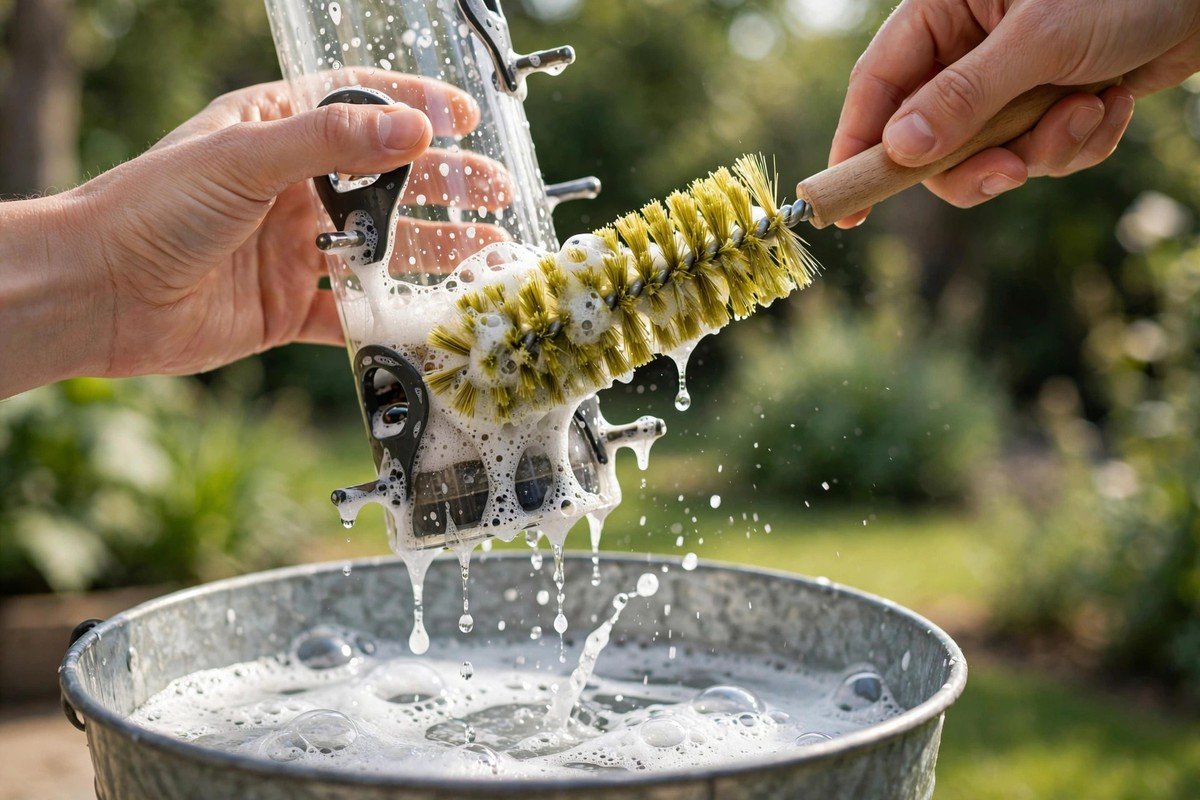
- Clean on a schedule: Wash feeders every two weeks with a 9-to-1 water and bleach solution, rinse well, and let them dry completely before refilling. If disease appears, clean more often. Our guide to how to clean bird feeders walks through the full process step by step.
- Buy quality seed and store it dry: Black oil sunflower, nyjer, peanuts, and suet suit most feeder birds. See what to feed birds in winter for a complete breakdown by species and season.
- Spread feeders out: Multiple small feeders reduce crowding and give subordinate birds a chance to eat. Rotate feeding spots so droppings and hulls do not accumulate in one place.
- Manage the ground below: Rake up spilled seed and hulls regularly. A ground tray catches much of the mess and keeps seed off damp soil.
- Offer clean water too: A heated birdbath in winter or a fresh shallow bath in summer may help birds more than extra seed. Change the water every couple of days and scrub the basin weekly.
What About Stopping in Spring?
Many people feed through winter and wonder whether stopping in spring will confuse or harm the birds. It will not. Birds handle the transition easily because natural food becomes abundant just as feeders come down. Insects hatch, buds open, and seeds from last season are still around.
Feeders also do not stop birds from migrating. Migration is driven mainly by day length, not by the contents of your feeder. Cornell’s feeding experts note that food at a feeder can actually help a migrating bird fuel up and continue its journey. A bird that lingers at your feeder instead of migrating was likely in too poor condition to travel and might not have survived the trip.
If you prefer to feed only in winter, that is a perfectly sound approach. Taper off as spring arrives, keep a feeder or two up for late migrants if you like, and put your energy into native plants that feed birds naturally all summer. Curious why activity drops off on its own? Here is why birds stop coming to feeders in spring and summer.
Frequently Asked Questions
Will birds starve if I stop filling my feeder?
No. Birds that visit feeders get most of their food from natural sources, and they keep foraging skills sharp every day. If your feeder goes empty, even for weeks, the birds simply shift to other food sources, including neighboring feeders. The only time to be extra careful is during severe ice or deep snow, when you should keep a filled feeder going until the weather breaks.
Do feeders stop birds from migrating?
No. Migration timing is driven primarily by changes in day length, along with temperature and food availability across the landscape. A feeder does not override those cues. Feeding can give migrating birds a useful refueling stop, and birds that stay behind at feeders are often individuals that were unlikely to migrate successfully anyway.
Is it cruel to start feeding and then stop?
It is not cruel. Birds are adapted to food sources that appear and disappear, from berry crops to insect hatches. Starting and stopping a feeder is no different from a natural food source running out. As a courtesy, keep feeders filled during the harshest winter weather once you have started, since that is when birds benefit most.
Should you feed birds year-round?
That is your choice. Year-round feeding is fine as long as you keep up with cleaning, because warm weather increases disease risk at crowded feeders. Many people feed only from fall through spring and let native plants, insects, and natural seeds carry birds through summer. Either approach works if the feeders stay clean and the seed stays fresh.
If I take my feeders down for a while, will birds come back?
Usually yes, though it can take days or even a few weeks. Birds notice changes in their circuit and investigate new and returning food sources. New to this? Read how birds find feeders in the first place to understand how quickly word spreads in a neighborhood flock.
Do birds remember the humans who fill their feeders?
Some species can recognize individual people, which is different from depending on them. Chickadees, crows, and mockingbirds are among the birds known to tell humans apart, often by face and behavior. Learn more about how backyard birds recognize human faces and what that recognition means for your relationship with your feeder visitors.
Conclusion
Do bird feeders make birds dependent? The research says no, clearly and repeatedly. Feeder birds take most of their food from the wild, keep foraging when life gets harder, and carry on fine when feeders disappear. Your feeder is a welcome supplement in their day, not a crutch they cannot live without.
That answer comes with responsibility. Disease at crowded feeders, moldy seed, window strikes, and unwanted visitors are the real hazards of backyard feeding, and they are all preventable with regular cleaning, quality seed, and thoughtful placement. Feed with care, keep feeders filled through the worst winter weather, and enjoy your visitors without the guilt. The birds have foraging handled; your job is simply to make the extra help safe.





