 Skip to content

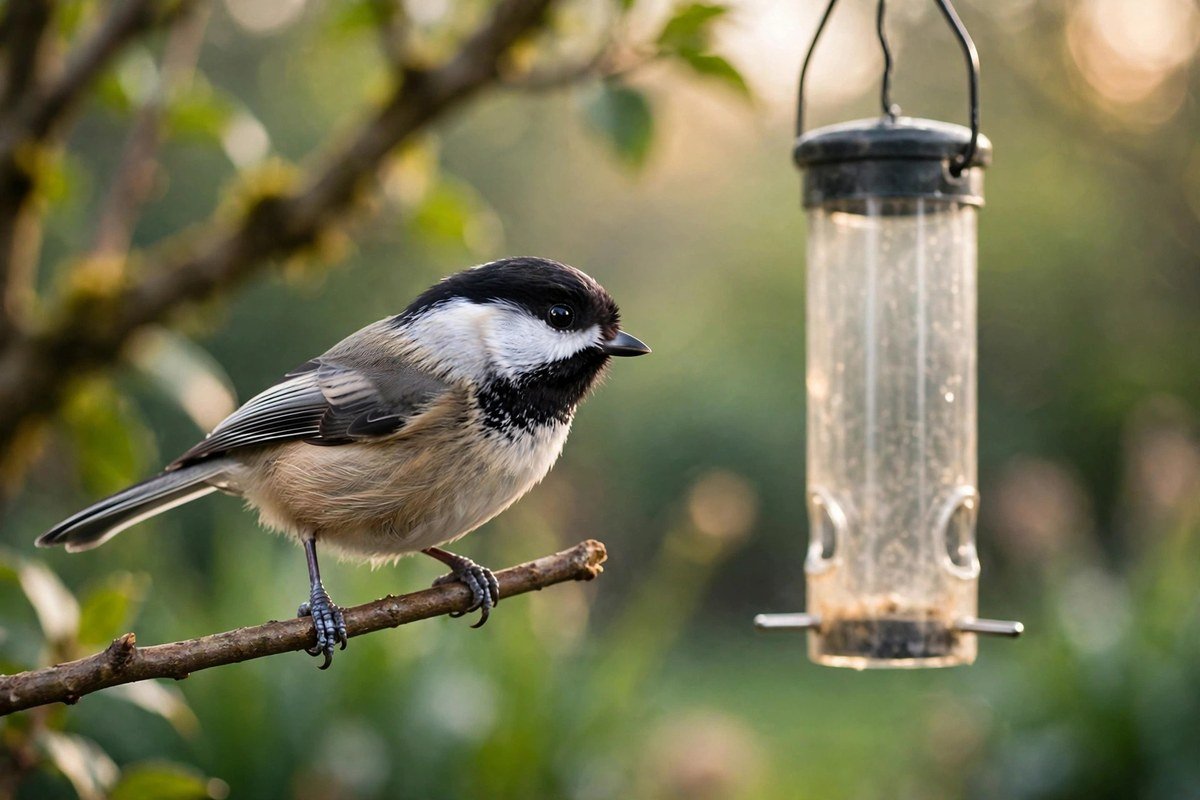
An empty feeder is one of the most frustrating sights in backyard birding. You picked out a nice feeder, filled it with seed, hung it in what looked like the perfect spot, and the only visitor so far is a curious squirrel. If you are asking why are birds not coming to my feeder, you are far from alone. This question comes up constantly from new feeder owners, and the answer is almost always fixable.
Birds are cautious by nature. They notice new objects slowly, test food carefully, and abandon any setup that feels unsafe or unrewarding. The good news is that nearly every empty-feeder problem traces back to a short list of causes. Work through the nine reasons below, apply the matching fix, and your feeder will likely earn its first regulars within days or weeks.

Why Are Birds Not Coming to My Feeder? The 9 Reasons
Before you move the feeder or buy a different one, run through these causes in order. The first three account for most empty feeders, but the rest are surprisingly common too.
1. Your Feeder Is Brand New (Discovery Takes Time)
Birds do not find new feeders by smell or by luck. They find them mostly by watching other birds. A chickadee or finch spots the feeder, lands to investigate, and its presence signals to the rest of the neighborhood flock that the spot is worth checking out. That chain reaction takes time to start.
A new feeder may take from one day to several weeks before local birds discover it, depending on the season, the neighborhood, and how many feeders already exist nearby. In winter, hungry birds exploring for calories often find new food fast. In spring and summer, when insects and seeds are everywhere, discovery can be slower.
Fix it: start with a small amount of fresh seed so it stays appealing while you wait, and scatter a handful on the ground or on a flat surface beneath the feeder. Visible seed on the ground catches the eye of passing birds far better than seed hidden inside a tube. For a deeper look at this process, read how birds discover new feeders and what speeds things up.
2. You Are Offering the Wrong Seed
Not all birdseed is created equal, and birds are picky customers. Cheap economy mixes often contain large amounts of red milo, wheat, and oats, which relatively few backyard species actually eat.
Black oil sunflower seed appeals to the greatest variety of backyard birds, according to Audubon feeding guidance. Its thin shells are easy for small beaks to crack, and the high oil content delivers the energy birds want. Nyjer (thistle) seed draws finches, while white millet suits ground-feeding sparrows and juncos.
Fix it: switch to black oil sunflower as your base seed and match specialty seeds to the birds in your area. Avoid mixes where milo or wheat appear high on the ingredient list. Our guide to the best seed choices for different birds breaks down which foods attract which species.
3. The Seed Has Gone Stale, Damp, or Moldy
This is the silent feeder killer. Seed that sits in a feeder through rain, humidity, and temperature swings can go stale or grow mold even when it still looks acceptable to human eyes. Birds, however, can tell immediately, and they will skip a feeder full of spoiled food without a second thought.
Keep feeders filled with only a one- or two-day supply of seed so it gets eaten before it degrades. Never mix old seed with new seed on top, because the older layer underneath keeps rotting and contaminates the fresh layer. Store bulk seed in airtight, rodent-proof containers in a cool, dry place, and discard any bag that smells musty or shows clumps.
Fix it: dump the current seed, scrub the feeder, let it dry fully, and refill with a small amount of fresh seed. Check tube feeders after heavy rain, since moisture collects at the bottom and clogs the ports first.

4. The Feeder Sits Too Far From Cover
A feeder hanging in the middle of a wide open lawn can feel like a trap to a small songbird. Birds want a nearby staging point, a branch or shrub where they can pause, scan for danger, and retreat in a hurry. Without that safety net, many species will pass your feeder by no matter how good the seed is.
About ten feet from natural cover is a practical starting point. That distance keeps shelter close enough for a quick escape while keeping the feeder itself out of easy ambush range for cats. Dense shrubs right beside the feeder can hide a stalking cat, while a small tree with clear sightlines underneath works well closer in.
Fix it: move the feeder within sight of shrubs, hedges, or a small tree, roughly ten feet away, and add a shepherd’s hook or branch perch as an intermediate landing spot. For more detail, see this feeder placement guidance.
5. Predators Are Keeping Birds Away
Birds constantly weigh food against risk. If a neighborhood cat patrols under your feeder, or a Cooper’s hawk has started hunting your yard, songbirds will vanish and stay gone. A hawk taking songbirds at a feeder can empty it for days, and birds remember dangerous spots long after the predator leaves.
Outdoor cats are one of the leading threats to feeder birds, according to wildlife extension research. Place feeders about ten feet from shrubs, brush piles, or low branches where cats can lie in ambush, and avoid ground feeding, which leaves birds fully exposed. If a hawk has claimed your yard as hunting territory, pausing feeding for a week or two often encourages it to move on.
Fix it: keep cats indoors or in an enclosed outdoor space, trim back dense ambush cover right next to the feeder, and consider a temporary feeder pause if a hawk is actively hunting. Our guide to keeping cats away from bird feeders covers deterrents in more depth.
6. Bully Birds Are Monopolizing the Food
Sometimes birds are visiting your feeder, just not the ones you hoped for. Grackles, European starlings, and house sparrows can descend in noisy flocks, empty a feeder in an afternoon, and intimidate smaller songbirds into staying away. From your window it looks like chaos; from a chickadee’s perspective it looks like a place to avoid.
The fix is selective feeding, not war. Caged feeders with openings sized for small birds physically exclude larger bullies. Tube feeders with short perches discourage bigger birds that cannot balance on them. Feeders that require clinging or hanging upside down favor woodpeckers, nuthatches, and chickadees over starlings. Switching to safflower seed also helps, since many bully species dislike it while cardinals and chickadees accept it.
Fix it: swap one open platform feeder for a caged or weight-sensitive model and see who returns. If grackles are your main problem, read our guide to discouraging grackles at feeders for tactics that keep small birds welcome.
7. The Feeder Is Dirty
Birds notice grime. Feeders coated in old seed hulls, droppings, and mold smell wrong and can spread disease between visitors. Clean seed feeders about every two weeks, and more often during wet weather, heavy use, or disease outbreaks.
The standard cleaning method is simple: empty the feeder, scrub every surface with a brush, soak it in a solution of nine parts water to one part bleach, rinse thoroughly, and let it dry completely before refilling. Also rake up the fallen hulls and droppings under the feeder, since that debris can grow mold and attract pests.
Fix it: take the feeder down today, give it a full clean and dry, and refill with fresh seed. Then put a recurring reminder on your calendar. Our step-by-step feeder cleaning routine walks through the process for tube, hopper, and platform styles.
8. The Feeder Type or Height Does Not Suit Your Birds
Different birds feed in different ways, and one feeder style cannot serve them all. Tube feeders suit perching finches, chickadees, and titmice. Platform or tray feeders attract cardinals, jays, and ground-feeding sparrows and doves. Suet cages draw woodpeckers, nuthatches, and wrens that ignore seed entirely. If your feeder style mismatches your local birds, it can sit full and untouched.
Height matters too. A common starting point for hanging feeders is about five feet off the ground, high enough to deter some predators and easy to reach for cleaning. But ground-feeding species like juncos, towhees, and mourning doves prefer food at or near ground level, so a single high tube feeder will never attract them.
Fix it: add a second feeder style rather than replacing your first one. A tube feeder plus a small platform or suet cage covers most backyard species. Variety of feeders, like variety of seed, increases the diversity of birds you will see.
9. Natural Food Is Abundant Right Now
Feeders compete with nature, and nature often wins. In late summer and early fall, wild seeds, berries, and insects are plentiful, so birds may visit your feeder rarely or not at all. During molting periods, many songbirds also go quiet and keep a low profile while they regrow feathers. Migration can empty a yard overnight as local birds move on.
This is the reason most often mistaken for a feeder problem. Nothing is wrong with your setup; the birds are simply eating elsewhere for a few weeks. A quiet feeder in September may be bustling again by November. Feeders matter most in winter, when natural food is scarce and birds actively seek reliable calories.
Fix it: be patient and keep the feeder clean and stocked. A feeder that stays reliable through the quiet months becomes a trusted stop when cold weather arrives. Resist the urge to overhaul a working setup just because of a seasonal dip.
The Quick-Fix Checklist
Work through this list in order. Most empty feeders recover within a week of fixing the top two or three issues.
- Give it time: a new feeder can take one day to several weeks to be discovered. Wait at least two full weeks before judging it.
- Refresh the food: dump old seed, clean the feeder, and refill with a small amount of fresh black oil sunflower seed.
- Check the distance: move the feeder to roughly ten feet from shrubs or trees, with clear sightlines around it.
- Scan for predators: look for cats using the area and watch for hawks. Adjust cover or pause feeding briefly if needed.
- Upgrade access: add a second feeder style (platform or suet) so more species can feed comfortably.
- Set a cleaning rhythm: wash seed feeders every two weeks with a nine-to-one water and bleach solution, drying fully before refilling.
- Match the season: in late summer and fall, expect slower traffic and keep the feeder maintained for winter.
| Symptom | Most likely cause | First fix to try |
|---|---|---|
| Brand-new feeder, zero visitors | Discovery time | Wait two weeks, scatter seed on the ground nearby |
| Seed untouched for days | Stale or wrong seed | Dump, clean, refill with fresh black oil sunflower |
| Birds land nearby but never feed | Too exposed or predator fear | Move within sight of cover, check for cats |
| Feeder empties fast but small birds are absent | Bully birds dominating | Switch to a caged or small-perch feeder |
| Busy feeder suddenly goes quiet | Hawk, cat, or seasonal shift | Watch for predators, keep feeder stocked |

Frequently Asked Questions
How long before birds find a new feeder?
Expect anywhere from one day to several weeks. Winter discovery tends to be faster because birds are actively searching for calories, while spring and summer can be slower. If nothing has visited after three weeks of fresh seed and good placement, revisit the checklist above rather than assuming the feeder is broken.
Should I move my feeder?
Move it only if the location is clearly wrong: fully exposed with no nearby cover, within ambush range of a cat’s hiding spot, or creating a window collision risk. If the spot is reasonable, moving the feeder resets the discovery clock, so patience usually beats relocation. When you do move it, shift it only a short distance at a time.
Does the color of the feeder matter?
There is no strong evidence that feeder color decides whether birds visit. Bright, glossy, or brand-new feeders may make cautious birds hesitate for a day or two simply because the object looks unfamiliar, not because of the color itself. Natural tones blend in faster, but a bright feeder that is clean, well stocked, and well placed will attract birds just fine.
Why did birds stop coming suddenly?
A sudden disappearance usually has an external cause. A hawk may have started hunting the yard, a cat may have moved in next door, or a neighbor may have put up a competing feeder. Seasonal shifts, molting, and migration also thin out visitors. Keep the feeder clean and stocked, watch for predators for a few days, and traffic typically returns.
Conclusion
An empty feeder feels personal, but it is almost never a mystery. The most common answers to why are birds not coming to my feeder are simple: the feeder is too new, the seed is stale or unappealing, the spot feels unsafe, or predators and bully birds are spoiling the welcome. Each of these has a straightforward fix that costs little and takes minutes.
Start with fresh seed and patience, then work the checklist from placement to predators to cleaning. Small changes compound: a feeder that is ten feet from cover, filled with appealing seed, and washed on schedule sends exactly the signals cautious birds are looking for. Resist the urge to buy a third feeder or relocate the setup every few days, since constant change resets the trust you are building.
Keep the feeder reliable through the quiet seasons, and it will become a trusted stop on the neighborhood birds’ daily route. Within a few weeks, the question usually changes from why no birds are coming to how to keep up with them all.





[…] You can also impress visitors. Point at the most ordinary bird in your yard and say it is a living dinosaur, then explain the wishbone, the hollow bones, and the T. rex protein that matches chicken. It never fails. To turn your yard into a better observation post, start with the beginner guide to attracting birds, which covers feeders, water, and shelter, and if your regulars suddenly vanish, here is how to troubleshoot a quiet feeder. […]