 Skip to content

It is the question every child eventually asks and every adult is secretly glad someone else asked first: do birds fart? The answer is one of the great disappointments of backyard science. For the most part, no. Birds do not fart the way mammals do, and they almost certainly do not produce the audible, room-clearing variety.
That does not mean the topic is closed. Birds digest, their digestion produces some gas, and a few species sit in a gray zone. There are also excellent reasons their plumbing never produces a proper toot, and those reasons reveal how beautifully a bird’s body is engineered. We are taking this question seriously, because the science behind it is genuinely fascinating.
Do Birds Fart? The Short Answer
Probably not in any way you would notice. Birds lack the slow-fermenting gut bacteria that produce most flatulence in mammals, and food races through their digestive system far too fast for gas to build up. What little gas forms tends to exit quietly along with droppings, not as a discrete event.
That is the consensus among biologists and veterinarians who have been asked this question, which is more often than you might think. As one veterinarian put it, birds have the physical ability to pass gas, but gas showing up on a bird’s x-ray would signal something abnormal, not business as usual.
Why Birds Rarely Fart: The Science
Three features of avian digestion conspire to keep things quiet back there. Each one is an adaptation for flight, and together they leave almost no opportunity for gas.
Lightning-Fast Digestion
A bird’s digestive tract is short and ruthlessly efficient. A berry eaten by a thrush can pass completely through the system in about 30 minutes. A human meal takes 24 to 72 hours to make the same journey. That speed matters because flatulence is, at its core, a product of time: gas forms when bacteria ferment food sitting in the gut. In birds, the food is gone before fermentation gets going.
This speed is not optional. Flight is expensive, and a gut full of slowly digesting food is dead weight. Birds evolved to process fuel quickly and dump the remains, keeping the airframe light. Our guide to why birds are not mammals digs into more of these fundamental differences.
The Wrong Gut Bacteria
In mammals, farts are mostly made by gut microbes breaking down complex carbohydrates, producing methane and sulfur compounds over many hours. Birds carry a different microbial community, one with far fewer of the gas-producing bacteria found in mammalian colons. Some species do ferment fiber in their ceca, paired pouches near the end of the intestine, but even there the scale of fermentation is modest compared to a cow or a human.
Without the right bacteria and without the time, gas simply does not accumulate. BirdFact’s breakdown of avian digestion walks through this chemistry in more detail.
One Exit, No Storage
Birds have a single external opening, the cloaca, through which digestive waste, uric acid, and reproductive products all exit. There is no separate plumbing, no bladder holding liquid waste, and no long colon where gas pockets can collect. When waste goes out, it goes out all at once, in one efficient package.
This all-in-one disposal system leaves little room for trapped gas. Anything gaseous produced along the way tends to slip out silently with the droppings rather than building pressure for a dramatic release. If you have ever wondered how birds urinate without a bladder, it is the same story of extreme streamlining.
The One Smelly Exception: The Hoatzin
There is exactly one bird famous for smelling bad, and it is worth meeting. The hoatzin, a strange pheasant-sized bird of the Amazon, is nicknamed the “stinkbird” because its body carries a strong, manure-like odor. The smell comes from bacterial fermentation of leaves in its enlarged crop, which works a bit like a cow’s rumen. It is the only bird known to digest food this way.
Here is the twist: even the stinkbird is not known for farting. The fermentation happens up front, in the crop, and the resulting gases and odors escape through the mouth and the general body, not the rear. The hoatzin proves that even when a bird ferments like a mammal, the flatulence still does not show up. If the smelliest bird on Earth cannot manage a proper toot, the case is closed.

Bird vs Mammal Digestion at a Glance
| Feature | Birds | Mammals |
|---|---|---|
| Digestive transit time | Under an hour to a few hours | 24 to 72 hours |
| Gut bacteria | Fast, low-fermentation community | Dense fermenting communities, methanogens |
| Large intestine | Short, minimal fermentation | Long, main gas-producing region |
| Waste exits | Single cloaca, all at once | Separate urinary and digestive exits |
| Bladder | None (most species) | Yes, stores liquid waste |
| Typical flatulence | Rare to nonexistent | Common, varies by diet |
But Can Birds Technically Pass Gas?
Here is where the answer gets its “mostly.” Veterinarian Mike Murray of the Monterey Bay Aquarium told PopSci that birds have the anatomical and physical ability to pass gas. The machinery is all there. It is just that in a healthy bird, there is rarely any gas worth passing. If gas showed up in a bird’s gastrointestinal tract on an x-ray, Murray said, he would suspect something abnormal was going on.
Larger birds with longer digestive tracts, like ostriches, are sometimes cited as possible exceptions. Their intestines can measure many meters long, giving fermentation more time and space to occur. Even so, there is no recorded evidence of ostriches, or any bird, producing audible flatulence. The jury is firmly out, and the silence is telling.
Do Chickens Fart?
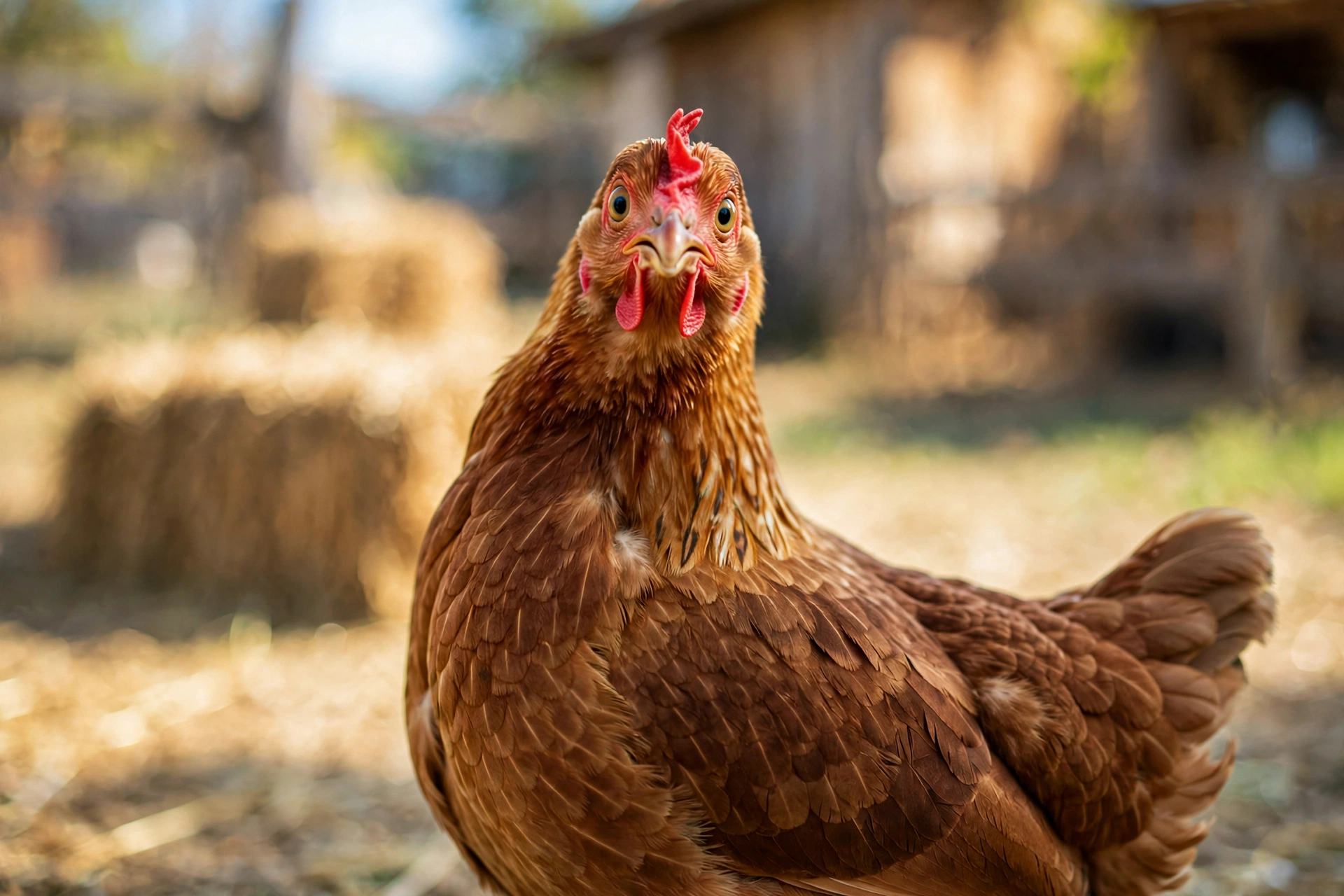
Chicken keepers are the most likely witnesses, since they spend the most time around birds with relatively rich diets. The honest answer: chickens almost certainly do not fart in any noticeable way. Backyard chicken forums are full of owners who have listened for years and heard nothing.
There is one scenario that comes up in anecdotes. Chickens fed large amounts of beans or other legumes, foods rich in the fermentable carbohydrates that cause gas in humans, are sometimes reported to produce smellier droppings or occasional suspicious sounds. These stories are unverified, but they make biological sense: give the gut more fermentable material and you get more fermentation. Chickens also have relatively large ceca for birds, giving fiber a bit more time to ferment than in most songbirds.
Still, keep the beans away from your flock. Chickens do best on a proper layer feed, and their digestive systems will thank you with quieter coops.

Do Parrots Fart?
Parrot owners swear their birds make fart-like sounds. They are right about the sound and wrong about the source. As Murray explained to PopSci, parrots love making playful sounds, including ones that sound exactly like a raspberry. But those sounds come from the north end, not the south. They are vocalizations, made with the syrinx, the bird’s voice box.
Parrots are master mimics. If a parrot lives with humans who find bodily sounds hilarious, and humans reliably do, the bird will learn that a well-timed toot gets a reaction. The bird is not farting. It is doing comedy. There is a difference, and the parrot knows it.
Can Birds Burp?
The natural follow-up question, and the answer is more optimistic. There is no official documentation of a bird burp, mostly because nobody has made it a research priority. But most ornithologists suspect birds can release gas from the mouth if needed.
Todd Katzner, director of conservation and field research at the National Aviary, told PopSci that birds regularly move material in reverse, regurgitating food for their young or expelling pellets of indigestible parts. Given that, he said he would be surprised if birds could not burp. The plumbing runs both ways when it needs to.
When to Worry About Gas in a Pet Bird
Since healthy birds produce almost no noticeable gas, visible bloating or repeated straining in a pet bird deserves attention. Gas in the gastrointestinal tract of a bird is, per the veterinarians, a sign that something may be off, not a normal bodily function.
- Bloating or a swollen abdomen: This can indicate digestive blockage, infection, or egg binding in females, all of which need a vet.
- Changes in droppings: Persistently watery, discolored, or foul-smelling droppings suggest diet problems or illness.
- Straining or discomfort: Repeated unsuccessful attempts to pass waste are never normal.
- Loss of appetite or lethargy: Digestive issues in birds escalate fast, so do not wait and see.
Birds hide illness instinctively, so any of these signs means a prompt visit to an avian veterinarian. A gassy bird is not a funny bird. It is a bird that needs help.
Do Birds Poop Gas?
In a sense, yes, and this is the closest birds get to farting. Whatever small amounts of gas form during digestion exit with the droppings through the cloaca, silently and unremarkably. There is no separate event, no sound, no drama. The gas simply leaves with everything else in the bird’s famously efficient combined waste package.
This is also why bird droppings sometimes look foamy or bubbly, a detail that has launched a thousand playground theories. The texture comes from the mix of uric acid paste and fecal matter, not from trapped flatulence. The cloaca is a multitasker, but flatulence is not really on its job description.

FAQs
Do birds fart silently?
Any gas birds produce exits quietly with their droppings through the cloaca. There is no evidence of birds producing audible farts the way mammals do.
Do parrots fart?
No. The fart-like sounds parrots make are vocalizations produced with the syrinx, often learned because humans laugh at them. Parrots are doing impressions, not passing gas.
Can birds burp?
Probably, though it has never been formally documented. Ornithologists note that birds routinely move material in reverse through the digestive tract, so releasing gas from the mouth should be well within their abilities.
Why do birds poop so much?
Speed is the whole strategy. Food passes through in under an hour to keep the bird light for flight, which means frequent, small droppings. It is the same fast digestion that prevents gas buildup.
Do all animals fart?
No. Many animals lack the gut setup for it. PopSci’s survey of animal flatulence notes that birds in general do not fart, largely because food passes through too quickly and their gut microbes differ from mammals’. Sloths, famously, do not fart either, but for the opposite reason: they digest so slowly the gas gets absorbed and breathed out.
Do baby birds fart?
There is no evidence of it, and no reason to expect it. Nestlings have the same fast, low-fermentation digestive design as adults, just smaller. Any sounds from the nest are begging calls, not bodily functions.
What is the stinkbird?
The hoatzin, a leaf-eating bird of the Amazon rainforest. It ferments leaves in its crop like a cow ferments grass, which gives it a strong manure-like smell. Even so, it is not known for farting. The odor escapes from the front end, proving once again that birds simply do not do rear-end gas.
Conclusion
So, do birds fart? The science says mostly no, and the “mostly” is doing very little work. Fast digestion, the wrong bacteria for fermentation, and a single-exit waste system leave birds with almost nothing to pass and nowhere to store it. What little gas forms slips out silently with the droppings, unnoticed by everyone except perhaps the most dedicated chicken keeper.
The exceptions prove the rule. A parrot’s raspberry is a joke told with the voice box. A chicken’s suspicious moment after too many beans is unverified barnyard lore. And a bloated bird is a sick bird, not a gassy one. Birds gave up flatulence in exchange for flight, and honestly, it seems like a fair trade. If this kind of bodily trivia delights you, you will also enjoy learning how birds handle the other end of waste and how their feet survive winter. Bird bodies are strange, efficient, and endlessly entertaining.




