 Skip to content

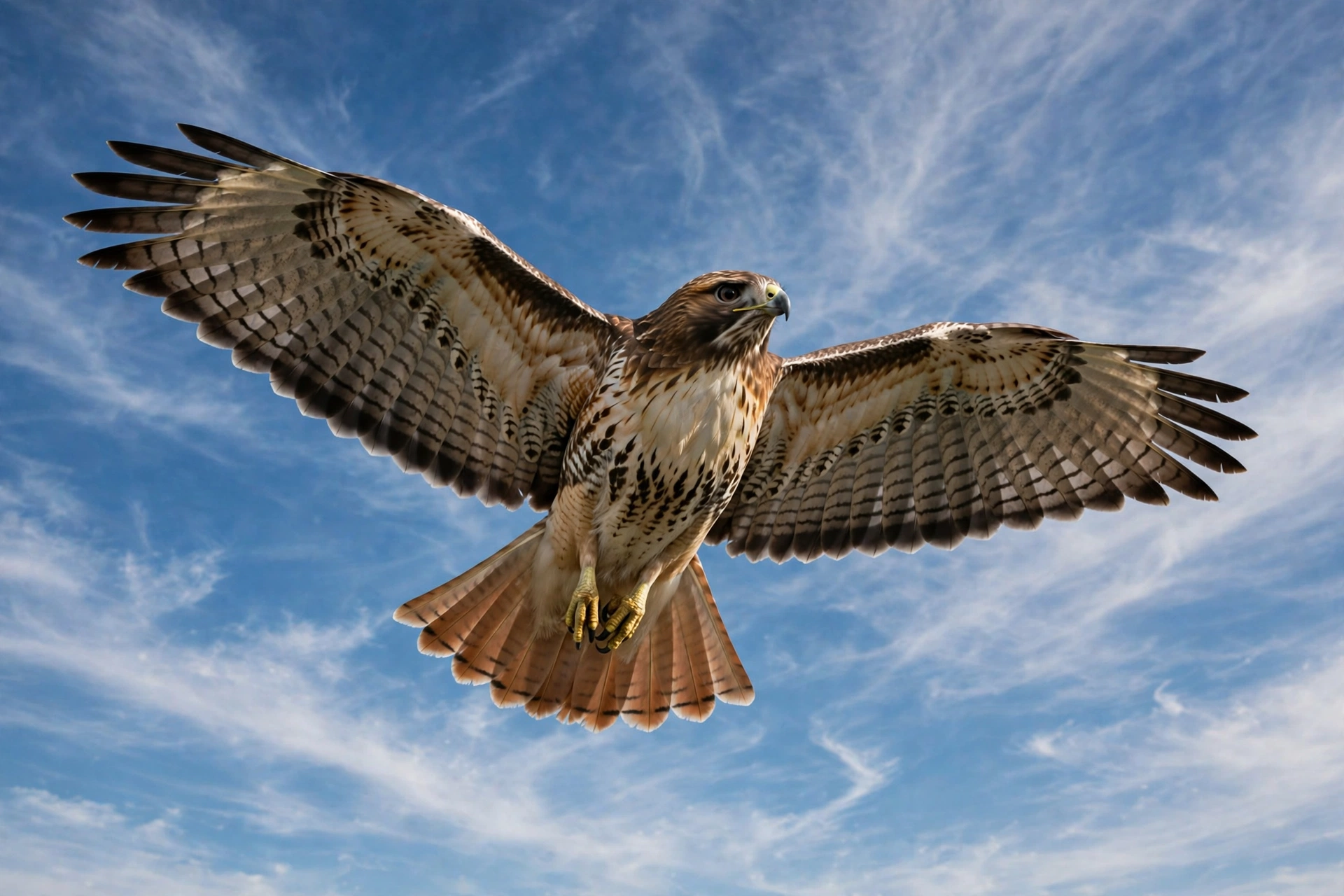
Learning how to keep hawks away from chickens starts with one non-negotiable fact: in the United States, hawks are federally protected by the Migratory Bird Treaty Act. Harming one can mean fines or even jail time. A Rhode Island man learned this the hard way when he was sentenced to federal probation for shooting red-tailed and Cooper’s hawks around his property. So the only options on the table are humane ones, and that is fine, because humane methods work.
Hawks are opportunists. They hunt where the hunting is easy, and a few smart changes to your setup can make your flock look like far more trouble than it is worth. This guide walks through seven humane, legal methods, from covered runs and guard animals to the humble rooster, plus an honest look at which popular tricks actually work and which ones are wishful thinking.
How to Keep Hawks Away From Chickens: Start With the Law
Before buying a single roll of netting, understand the legal landscape. The Migratory Bird Treaty Act of 1918 makes it illegal to pursue, hunt, kill, capture, or possess hawks and most other native birds without a federal permit. Red-tailed hawks, Cooper’s hawks, and sharp-shinned hawks, the three species most likely to eye your flock, are all protected. Violations are federal misdemeanors, and prosecutors do pursue them, as the Rhode Island hawk-shooting case shows.
This protection applies even when a hawk is actively attacking your livestock. You cannot legally shoot, trap, or poison a hawk that is killing your chickens. The U.S. Fish and Wildlife Service can issue depredation permits in severe, documented cases, but these are the exception, not the rule, and most backyard keepers will never need or qualify for one. Your state wildlife agency can advise you if losses are extreme.
The practical takeaway is simple: every method in this guide works with the law, not against it. Deterrence and exclusion are not just the ethical choice. They are the only legal choice, and they are effective.
Know Which Hawks Hunt Chickens
Not every hawk is a chicken thief, but three species have earned the old nickname “chicken hawk.” The red-tailed hawk is the big, soaring hunter of open country. It takes bantams, chicks, and occasionally small hens, usually with a dramatic stoop from high overhead. The Cooper’s hawk is the true specialist: a woodland ambush predator built for threading through trees at speed to snatch birds. If chickens are disappearing from a yard with plenty of trees, a Cooper’s hawk is the prime suspect. The sharp-shinned hawk is smaller and mostly hunts songbirds, but it will take chicks when the opportunity arises.
Hawks hunt by day, using eyesight estimated to be several times sharper than ours to spot movement from hundreds of feet up. A chicken scratching in an open lawn is about as subtle as a neon sign. If you have spotted one circling your property, you may have wondered what it means when you see a hawk. Symbolism aside, a circling hawk is shopping, and your yard is the store.
One more thing worth knowing: owls hunt at night and can take chickens too, which is why every method here assumes your birds are locked in a secure coop from dusk to dawn. Daytime is the hawk’s shift. Nighttime belongs to the owls.
7 Humane Methods to Keep Hawks Away From Chickens
No single method is foolproof. Hawks are smart, adaptable predators, and a hungry one will test every defense you build. The keepers who lose the fewest birds layer two or three of these methods so the flock is protected by overlapping systems. Here are the seven, roughly in order of effectiveness.
1. Cover the Run With Netting or Wire
This is the single most effective thing you can do. A hawk cannot dive through a physical barrier, and a covered run turns your flock from an easy target into an impossible one. Poultry netting, deer netting, chicken wire, or hardware cloth all work. Stretch it taut over the run, anchored to fence posts or a simple frame, and secure the edges so there are no gaps to slip through.
Two details matter. First, make the barrier visible. Tie bright ribbon or surveyor’s tape to the netting so a diving hawk sees it and pulls up instead of crashing through and getting tangled, which can injure a federally protected bird and leave you with a wildlife emergency. Second, keep the netting tight. Sagging net collects leaves and snow, and a heavy, sagging net is a net that fails. My Pet Chicken’s guide to birds of prey makes the same point: for daytime aerial hunters, a covered run is the only true exclusion.

2. Add a Rooster to the Flock
A good rooster is a full-time security guard who works for feed. Roosters scan the sky constantly, and when one spots a hawk he sounds a distinct aerial-predator alarm call that sends every hen sprinting for cover. Many roosters will also place themselves between the threat and the flock, and some will fight a hawk outright, occasionally at the cost of their own lives. Be honest with yourself about that risk before relying on it.
The practical notes: one rooster per eight to twelve hens is plenty, and check your local ordinances first, because many suburbs and towns ban roosters outright over noise. Where they are allowed, a rooster is the cheapest alarm system you can buy, and unlike gadgets, he never runs out of batteries and never habituates to the threat.

3. Get a Guard Animal
For larger properties, a dedicated guard animal changes the equation. Livestock guardian dog breeds like Great Pyrenees, Anatolian shepherds, and Akbash were developed over centuries to live with flocks and confront predators. A big white dog dozing among the hens is a powerful visual deterrent to a hawk sizing up the yard. The catch is real: these dogs need training, fencing, and time to bond with poultry, and an untrained dog is a bigger threat to chickens than any hawk.
Geese are the budget alternative. They are loud, territorial, and surprisingly aggressive toward intruders, and their alarm honking alerts the whole flock. Donkeys and miniature donkeys also deter aerial predators in pasture settings. None of these animals make hawks vanish, but they raise the perceived risk of every attack, and hawks prefer easy meals.
4. String Overhead Deterrents
If your birds free-range and you cannot cover the whole area with netting, a grid of fishing line or twine strung overhead is the classic low-budget alternative. Run lines in a crisscross pattern a few feet apart over the ranging area, anchored to posts, trees, or the house. Hawks see the lines at the last moment and veer off rather than risk tangled wings. Keepers who use this method often add reflective tape, old CDs, or strips of mylar that flash in the sun for extra discouragement.
Be honest about the limits. The evidence for line grids is anecdotal rather than scientific, and a determined or desperate hawk may learn to navigate them. Treat overhead deterrents as a supplement to cover and supervision, not a standalone solution, and refresh or reposition the reflective elements periodically so they stay novel.
5. Provide Plenty of Ground Cover
Hawks hunt by sight, and a chicken under a bush is a chicken that does not exist. Scatter the ranging area with dense shrubs, low evergreens, shade cloth on frames, picnic tables, brush piles of clean branches, and any structure a hen can duck under in two seconds. Red-tailed hawks, which hunt open ground, are strongly discouraged by broken-up terrain. Note the caveat: Cooper’s hawks hunt inside woodland, so cover alone will not stop the most dedicated chicken hawk. Pair it with other methods.
There is a pleasant side effect to planting for cover. Dense native plantings make your whole yard livelier, drawing in songbirds and beneficial insects along with sheltering your hens. If you enjoy that bonus, our guide on how to attract woodpeckers to your yard shows how to make those plantings work even harder for wildlife.
6. Supervise Free-Ranging and Time It Right
Hawks are daytime hunters, often most active in the morning and late afternoon. You can use that schedule against them. Keep the flock in the covered run during peak hunting hours and let them out to range when you are home and visible in the yard. Your presence is itself a deterrent: hawks prefer to hunt unwatched ground.
This method costs nothing and pairs with everything else. Many keepers settle into a rhythm of supervised ranging in the middle of the day or early evening, with the flock secured in the covered run the rest of the time. It is not as carefree as all-day free-ranging, but it is how you keep birds alive in hawk country.
7. Remove Attractants
Ask why the hawks keep visiting, and the answer is often on the ground. Spilled chicken feed draws rodents, and rodents draw hawks. Store feed in sealed metal containers, clean up spilled grain promptly, manage compost piles so they do not become rat buffets, and clear brush and junk piles near the coop where rodents nest. Fewer rodents means fewer reasons for a hawk to patrol your yard in the first place.
This is the least dramatic method on the list and one of the most overlooked. A tidy yard is simply less interesting to predators of every kind, from hawks to raccoons to foxes.
Do Fake Owls and Other Gadgets Work?
Probably not well enough to matter. Plastic owls, scarecrows, hawk kites, and reflective predator-eye balloons all share the same flaw: they do not move like living threats, and hawks figure that out fast. There is little solid evidence that static decoys provide lasting protection, and plenty of keepers report hawks perching cheerfully beside the very owl meant to scare them.
If you already own one, it is not useless. Move it to a new spot every few days and pair it with real defenses like netting and cover, and it may buy you a little extra wariness. But never rely on a decoy as your primary defense. A hawk that has learned your owl is plastic is a hawk with one less thing to fear.
Hawk Deterrent Methods Compared
| Method | Cost | Effort | Effectiveness | Best for |
|---|---|---|---|---|
| Covered run with netting | Low to moderate | Medium | High | Any flock; the best single step |
| Rooster | Low | Low | Medium | Suburban and rural flocks where allowed |
| Guard dog | High | High | High | Larger properties |
| Geese | Low to moderate | Medium | Medium | Alarm and deterrence on a budget |
| Overhead line grid | Very low | Low | Low to medium | Supplement to other methods |
| Ground cover | Low | Low | Medium | Free-range flocks |
| Supervised ranging | None | Medium | Medium | Keepers home during the day |
| Removing attractants | None | Low | Low to medium | Every flock |

FAQs
Do hawks eat chickens?
Yes. Red-tailed hawks, Cooper’s hawks, and sharp-shinned hawks all take poultry, with Cooper’s hawks being the most dedicated chicken hunters. Small bantams and chicks are the most vulnerable, but standard-size hens are taken too. Chickens are prey animals through and through, from their freeze-and-hide instincts to their famously odd digestive biology.
Is it illegal to kill a hawk that is attacking my chickens?
Yes. Hawks are protected by the federal Migratory Bird Treaty Act, which makes it illegal to kill, injure, or capture them, even when they are attacking livestock. Violations are federal misdemeanors with real penalties. If losses are severe, contact your state wildlife agency or the U.S. Fish and Wildlife Service to discuss legal options, including depredation permits.
What scares hawks away from chickens?
No single thing scares hawks away permanently, but physical barriers, guard animals, roosters, ground cover, and human presence all raise the cost of an attack until the hawk moves on to easier hunting. Layered defenses beat any single trick.
Do fake owls keep hawks away?
There is little evidence they work for long. Hawks quickly learn that a motionless plastic owl is not a threat. Move decoys frequently and use them only as a supplement to real defenses like netting and cover.
What is the best guard animal for chickens?
A trained livestock guardian dog is the most effective overall, but it is also the most expensive and demanding option. For most backyard keepers, a rooster is the best value: cheap, always on duty, and an excellent alarm system. Geese sit in the middle as loud, aggressive deterrents.
Will a hawk keep coming back to my yard?
Usually yes. Hawks are territorial and remember productive hunting spots, so a hawk that scores a kill will return. That is exactly why barriers matter more than scaring: you want the yard to stop being productive, not the hawk to stop being a hawk.
Do hawks hunt chickens at night?
No. Hawks are daytime hunters. Nighttime attacks on chickens come from owls, raccoons, foxes, and other nocturnal predators, which is why the coop itself must be locked and secure from dusk to dawn regardless of your hawk defenses.
Conclusion: How to Keep Hawks Away From Chickens
Keeping hawks away from chickens comes down to two principles: respect the law, and make your flock a hard target. Hawks are federally protected for good reason. They are native predators doing exactly what they evolved to do, and the legal line against harming them is bright and well enforced. Fortunately, you do not need to harm them to beat them.
Cover the run, add a rooster, give the birds places to hide, range them on your schedule instead of the hawk’s, and keep the yard tidy. No method is perfect on its own, but layered together they turn an easy buffet into a frustrating puzzle, and hawks are in the business of easy meals. Build the puzzle, and the hawks will take their business elsewhere.





