 Skip to content

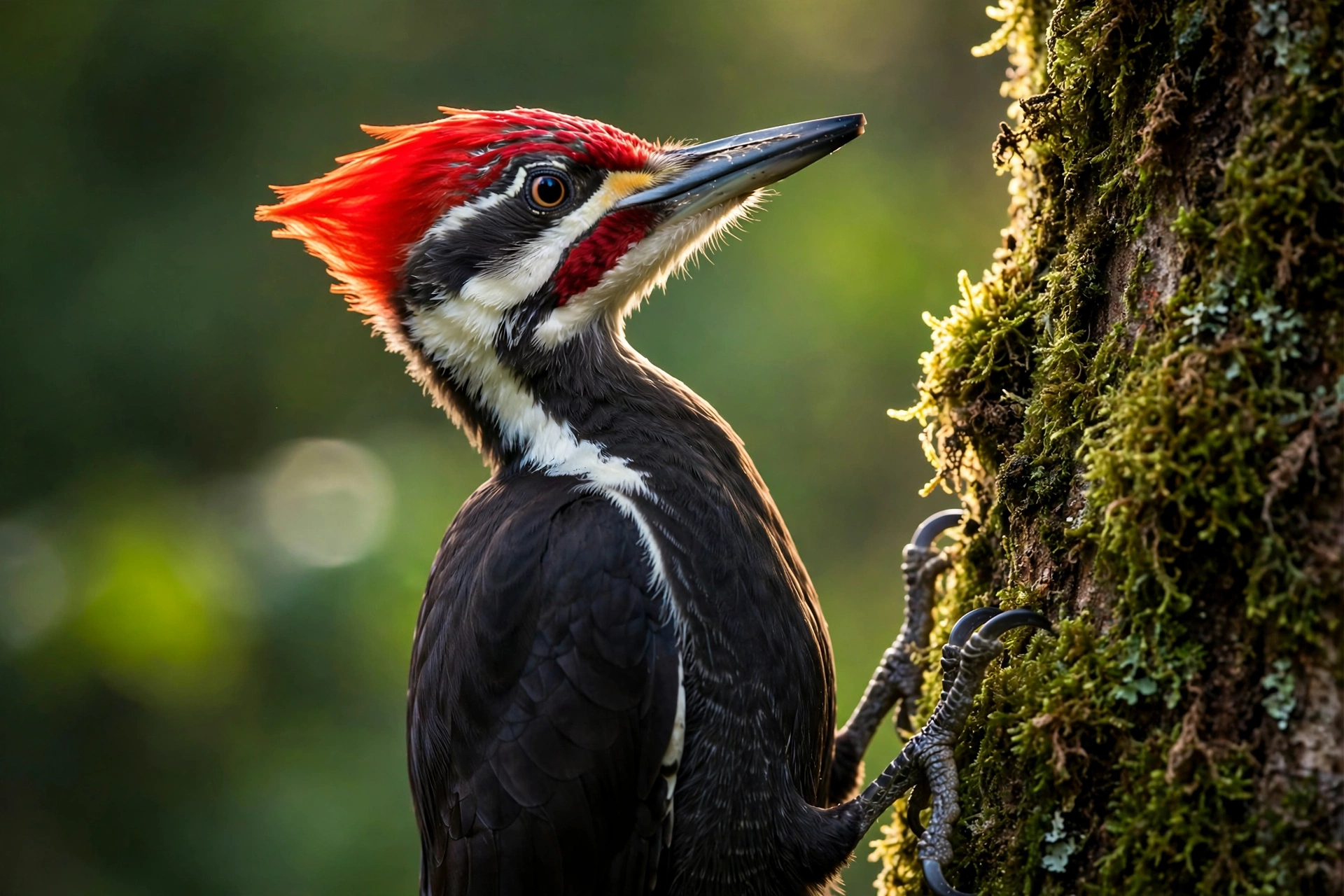
A woodpecker hammering at a suet feeder is one of the best shows a backyard can offer. Yet many people hang a standard seed feeder, wait all spring, and never see a single one. If you want to learn how to attract woodpeckers, the first thing to understand is that they are not seed eaters at heart. They are insect hunters that happen to love high-fat foods, and they judge a yard by its trees, dead wood, and water as much as by its feeders.
The good news is that almost any yard can become woodpecker friendly. You do not need acres of forest. A good suet setup, a few smart plantings, one safe dead tree, and a little patience will bring downy woodpeckers within weeks and give you a real shot at hairy, red-bellied, and even pileated woodpeckers over time. Here are nine proven ways to make it happen.
Why Woodpeckers Skip Most Yards
Most backyard feeding stations are designed for finches, chickadees, and cardinals. Tube feeders full of mixed seed, perched in the open, mean very little to a bird whose natural diet is beetle larvae pried from bark. Woodpeckers visit yards that offer three things: rich food, vertical feeding surfaces, and real habitat.
Food comes first. In the wild, woodpeckers spend their days excavating insects from wood, and they burn a lot of energy doing it. Suet, peanuts, and black oil sunflower seeds replace those calories at a feeder. Without a high-fat food source, woodpeckers have little reason to stop.
Habitat comes second. A yard with nothing but lawn and a lone maple is a food desert for a woodpecker, even with a feeder hanging in it. Dead wood full of insects, mature trees for drumming and nesting, and fresh water turn a quick feeder visit into a daily routine. Watching them work a tree trunk also raises the obvious question of how woodpeckers avoid concussions, and the answer is a marvel of natural engineering.
How to Attract Woodpeckers to Your Yard: 9 Proven Ways
These nine tactics are ordered the way woodpeckers seem to notice them: food first, then feeders, then habitat, then the long game. You do not need all nine on day one. Start with the first three and build from there.
Lead with suet: Suet is the single most effective woodpecker food you can offer. It is dense animal fat, packed with the calories woodpeckers would otherwise get from grubs and beetle larvae. Plain suet cakes work well in winter, while suet blended with peanuts, mealworms, or insects adds extra pull in spring and summer when birds are feeding young.
Buy quality. Cheap suet that melts into a greasy puddle on the first warm day, or cakes bulked out with filler seeds like milo and corn, will sit untouched. For a deeper look at choosing and serving it, see our complete suet feeding guide.
Pick a feeder built for clingers: Woodpeckers feed by bracing their stiff tail feathers against a vertical surface, so they do best on feeders that mimic a tree trunk. A basic wire suet cage hung near a tree will bring in downy and hairy woodpeckers quickly. For larger species, a tail-prop feeder with a board extending below the cage gives pileated and red-bellied woodpeckers the support they need to feed comfortably.
Log feeders, which are sections of branch drilled with holes and packed with suet or peanut butter, look natural and work beautifully. Platform feeders are the right choice for foods like peanuts, fruit, and mealworms. The comparison table below lays out the options.
Add peanuts, sunflower seeds, and mealworms: Variety keeps woodpeckers coming back. Offer peanuts in or out of the shell, black oil sunflower seeds, and mealworms on a platform feeder or tray. Downy woodpeckers are especially fond of peanuts, and northern flickers will visit ground-level trays for mealworms.
Mealworms deserve special attention because they mimic the insect diet woodpeckers crave. If you are unsure whether to buy dried or live, our breakdown of dried vs. live mealworms covers cost, convenience, and which birds prefer which.
Keep a dead tree, but make it safe: Nothing attracts woodpeckers like a dead tree. A standing dead trunk, called a snag, is a restaurant, drum, and apartment building in one: insects live under the bark, the hollow wood resonates for drumming, and soft interiors are perfect for excavating nest cavities. Woodpeckers find snags irresistible.
Safety matters. Have a certified arborist assess any dead tree near your house, paths, or power lines. In many cases the answer is not removal but reduction: cutting the tree to a sturdy 10 to 20 foot trunk removes the hazard while keeping the habitat. Wildlife agencies generally describe a good snag as at least 12 inches wide and 15 feet tall, so even a shortened trunk does real work. A snag tree guide with sizing and creation tips is worth a read before you call the tree crew.
Plant the trees they already love: If you are adding trees, choose the ones woodpeckers prefer. Oaks supply acorns, hickories and pines offer nuts and sap, and maples host plenty of bark insects. Fruit-bearing natives such as dogwood, elderberry, blackberry, sumac, and hackberry give pileated and red-bellied woodpeckers a reason to visit in late summer and fall.
Think in layers. A mix of mature trees, younger plantings, and a brushy corner gives woodpeckers foraging options at every height and something to look forward to as the plantings grow in.
Offer water they can trust: Like all birds, woodpeckers need water for drinking and bathing, and they are cautious about it. A shallow birdbath near cover, ideally at or near ground level in a quiet corner, gets far more woodpecker visits than a tall pedestal bath in the middle of the lawn. Moving water is even better: a small dripper or mister turns an ordinary bath into a magnet.
Keep it clean and ice-free in winter. A heated birdbath in January can make your yard the most popular stop on the block.
Hang a nest box sized for woodpeckers: Most woodpeckers prefer to excavate their own cavities in dead wood, but downy and hairy woodpeckers will use a well-built box. Aim for a 4 by 4 inch floor, an interior about 12 inches tall, and a round entrance hole 1.25 to 1.5 inches across, positioned about 9 inches above the floor. Mount it 5 to 25 feet high on a tree trunk or post at a woodland edge, and fill the bottom with a few inches of wood chips or sawdust.
These dimensions line up with how downy woodpeckers build naturally: round entrances about 1 to 1.5 inches wide leading to cavities 6 to 12 inches deep, excavated over one to three weeks, as described in the Cornell Lab of Ornithology life history. Do not expect a pileated woodpecker to use a box. They need large dead trees and excavate huge cavities, usually high up, so a snag is the only realistic nesting offer for them.
Cut back on pesticides and hard pruning: Every grub a woodpecker eats is one you do not have to spray for. Broad-spectrum insecticides wipe out the very food that draws woodpeckers, and they can poison the birds directly. Let beneficial insects live, tolerate some dead limbs on mature trees, and leave a brush pile in a back corner. A slightly messy yard is a woodpecker paradise.
This is also the year to stop stripping every dead branch. Woodpeckers forage on dead limbs, drum on them, and excavate them. Prune for safety and tree health, not for tidiness.
Stay consistent and be patient: Woodpeckers are creatures of habit that patrol regular routes. Keep suet fresh and available year-round, clean feeders every couple of weeks with a mild soap solution, and resist moving feeders around. It can take several weeks for local woodpeckers to add a new feeder to their circuit, and pileated woodpeckers may take a full season to get comfortable.
Once they come, they tend to stay. A yard that feeds woodpeckers reliably through one winter usually hosts them for years.

Woodpecker Feeder Types Compared
Use this table to pick the right feeder for the woodpeckers in your area. When in doubt, start with a classic suet cage and add a tail-prop feeder later.
| Feature | Classic suet cage | Tail-prop suet feeder | Log or plug feeder | Platform or tray feeder | Upside-down suet feeder |
|---|---|---|---|---|---|
| Best for | Downy, hairy, red-bellied woodpeckers | Pileated, hairy, red-bellied woodpeckers | All clinging woodpeckers | Flickers, red-bellied woodpeckers | Woodpeckers, nuthatches |
| Why it works | Cheap, easy to fill, hangs anywhere near a tree | Extended board supports the tail, letting big woodpeckers brace naturally | Natural look and feel; birds work suet from drilled holes like real bark | Ideal for peanuts, mealworms, fruit, and cracked corn | Woodpeckers cling underneath comfortably while starlings struggle with it |
| Watch out for | Starlings and grackles can take it over; small birds may dominate | Bulkier and pricier than a cage | Suet plugs can be harder to find than cakes | Needs frequent cleaning; squirrels love it too | Some woodpeckers take time to learn the approach |
Match the Tactic to the Species
Not every woodpecker wants the same thing. Tailor your setup to the species in your neighborhood for faster results.
| Species | How to recognize it | Favorite feeder foods | Extra tip |
|---|---|---|---|
| Downy woodpecker | Smallest woodpecker, about 6 inches; black and white with a small bill | Suet, black oil sunflower seeds, peanuts | Usually the first woodpecker to try a new feeder; a simple suet cage is enough |
| Hairy woodpecker | Looks like a bigger downy, robin-sized with a longer bill | Suet, peanuts, sunflower seeds | Appreciates a tail-prop feeder; shyer than downies |
| Red-bellied woodpecker | Zebra-striped back, red crown and nape, pale belly | Suet, peanuts, fruit, cracked corn | Bold and adaptable; visits platform feeders readily |
| Pileated woodpecker | Crow-sized with a flaming red crest; huge and unmistakable | Suet from a tail-prop feeder, peanuts | Needs mature trees and dead wood nearby; keep a snag with carpenter ants and be patient |
| Northern flicker | Brown barred back, black-spotted belly, white rump in flight | Mealworms, suet, cracked corn on the ground | Feeds low; try a ground tray rather than a hanging feeder |
The pileated deserves special mention because it is the prize of backyard woodpecking. At 16 to 19 inches long with a wingspan near 30 inches, it is the largest woodpecker in North America, and its diet is mostly carpenter ants pried from dead trees, which is why snags matter so much for this species. Pileated woodpeckers do visit suet feeders, especially large ones with tail props, but they are warier than smaller woodpeckers and may take a season to trust a new setup, as Birds & Blooms notes. Give them time and keep the suet coming.

What Not to Do
A few common mistakes will keep woodpeckers away no matter how good your suet is:
- Bread: It offers almost no nutrition and can cause health problems. Never use it as bird food.
- Salty or seasoned foods: Salt, spices, and flavorings can harm birds. Keep human snacks out of feeders.
- Bacon grease or kitchen fat: Processed fats and meat drippings can go rancid and contain additives birds should not eat. Stick to plain rendered suet.
- Damp or moldy peanuts: Peanuts stored in damp conditions can harbor mold and aflatoxins. Buy fresh and store dry.
- Rancid summer suet: In hot weather, regular suet spoils fast. Switch to no-melt suet dough or rendered products made for summer, and replace anything soft or smelly.
- Feeders far from cover: A feeder hanging in the middle of an open lawn feels exposed. Place feeders within about 10 feet of trees or shrubs so woodpeckers can retreat.
- Giving up after a week: Woodpeckers find new food sources on their own schedule. Keep feeders filled and clean for at least a month before judging results.

FAQs
What is the best feeder for woodpeckers?
A suet feeder is the best starting point. A classic wire suet cage works for downy, hairy, and red-bellied woodpeckers, while a tail-prop feeder with an extended board is better for large species like the pileated woodpecker. Log feeders packed with suet are a great natural-looking alternative.
What trees attract woodpeckers?
Oaks, hickories, pines, and maples are woodpecker favorites for insects, nuts, and sap. Fruit-bearing natives like dogwood, elderberry, blackberry, sumac, and hackberry add seasonal pull. Above all, keep a dead tree or snag if you safely can, since dead wood is where woodpeckers find most of their natural food.
Do woodpeckers come to bird feeders?
Yes, especially for suet, peanuts, and black oil sunflower seeds. Downy woodpeckers are usually the first to visit a new feeder, followed by hairy and red-bellied woodpeckers. Pileated woodpeckers visit feeders less often but will come to large suet feeders with tail props once they feel safe.
How do I attract a pileated woodpecker?
Offer suet in a large feeder with a tail prop, keep standing dead trees or logs that host carpenter ants, and maintain mature trees for drumming and nesting. Pileated woodpeckers are wary, so place feeders in quieter parts of the yard and give them a full season to get comfortable.
Will woodpeckers nest in a birdhouse?
Downy and hairy woodpeckers sometimes use a properly sized nest box with a 1.25 to 1.5 inch entrance hole. Most woodpeckers, though, prefer to excavate their own cavities in dead wood, and pileated woodpeckers essentially never use boxes. A safe snag is a far better nesting offer than any box.
Why did woodpeckers stop coming to my suet feeder?
The most common reasons are spoiled suet, a takeover by starlings, or a seasonal shift in natural food. Replace the suet with a fresh cake, clean the feeder, and consider an upside-down suet feeder if starlings are the problem. In spring and summer, abundant insects can also pull woodpeckers away temporarily.
Do woodpeckers eat fruit?
Yes. Many woodpeckers eat berries, apple slices, orange halves, and grapes, especially in late summer and fall. Red-bellied and pileated woodpeckers are the most enthusiastic fruit eaters. Offer fruit on a platform feeder or spiked onto branches.
Conclusion
Learning how to attract woodpeckers comes down to thinking like one. They want calorie-rich food they can cling to, dead wood full of insects, water they can reach safely, and a yard that is not scrubbed clean of everything wild. Suet gets their attention, but habitat earns their loyalty.
Start this weekend with a suet cage and a bag of peanuts near the closest tree. Add a tail-prop feeder when the regulars show up, spare one dead limb or trunk instead of removing it, and plant an oak or elderberry for the years ahead. Do that, and the hammering you hear on a quiet morning will not be coming from the woods down the street. It will be coming from your yard.





