 Skip to content

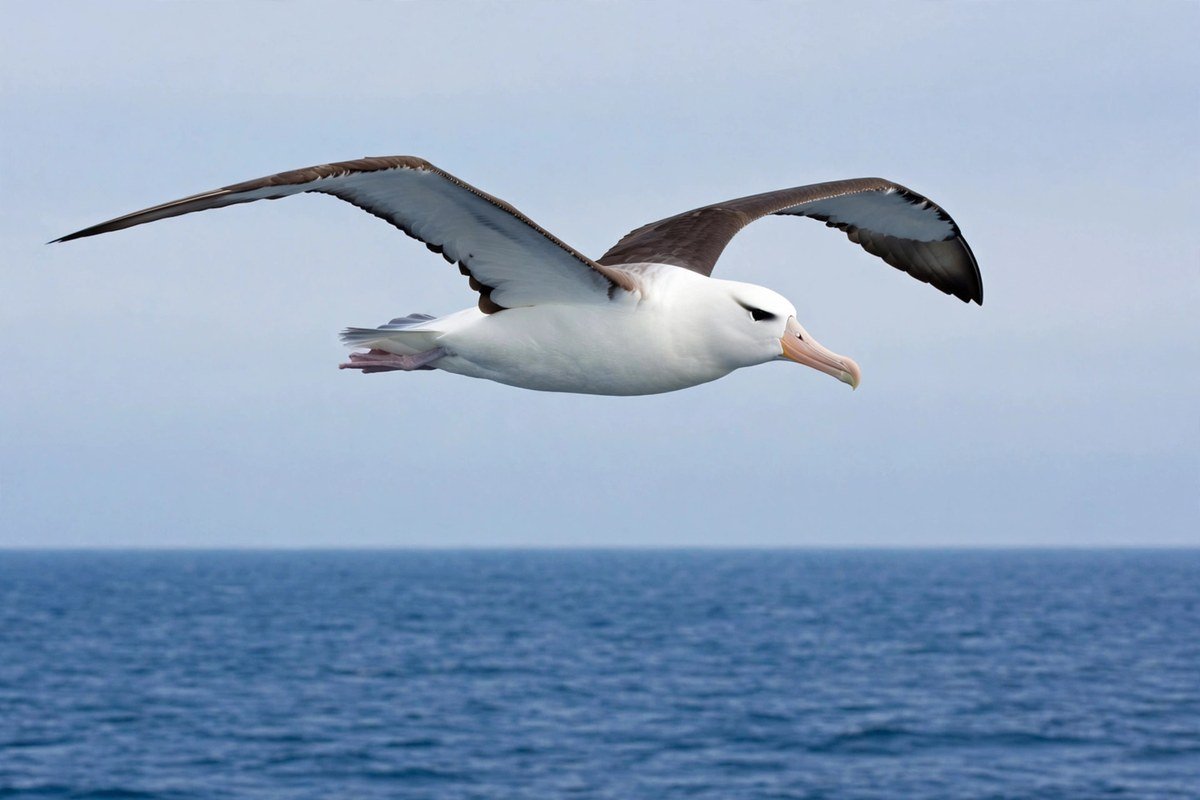
The robin singing outside your window this spring probably will not reach its sixth birthday. Wisdom, a Laysan albatross nesting on a remote Pacific atoll, is around 75 and still going. That gap explains why the question of how long do birds live has no single answer. A small songbird may measure its adult life in a handful of breeding seasons, while a large seabird or parrot can outlive the people who study it.
Across the bird world, lifespan stretches from about 2 years for some small songbirds to more than 80 years for the longest-lived individuals. Body size, lifestyle, and sheer luck all shape where a species lands on that spectrum. Captivity changes the math too, sometimes adding decades. This guide breaks it down with a lifespan chart by species group, the verified record holders, the science of why some birds age so slowly, the threats that cut lives short, and how researchers actually pin down a bird’s age.

How Long Do Birds Live? The Short Answer
Most wild birds die young. The average backyard songbird lives 2 to 6 years, not because old age is rare in theory but because the first year is brutal. Roughly half of all fledglings never see their second birthday. Predators, storms, starvation, and disease take an enormous toll, and only the lucky and wary make it to old age.
The birds that do survive that first year often live far longer than the averages suggest. A ruby-throated hummingbird, all three grams of it, can reach 9 years in the wild. Mourning doves, despite losing huge numbers to hunting and predation each year, have a banding record of 31 years and 4 months. Averages describe populations; individuals write their own stories.
Big birds generally outlive small ones, but the rule has famous exceptions. Hummingbirds live surprisingly long for their size, while chickens live surprisingly short for theirs. Lifestyle matters as much as body mass. Birds that mature slowly, lay few eggs, and take their time raising chicks, like albatrosses and eagles, tend to live slowly and die old.
Captivity rewrites the rules entirely. Wild African grey parrots live perhaps 25 to 35 years, while well-cared-for captives reach 50 to 60 years or more. Food on schedule, no predators, and a veterinarian on call can double a bird’s lifespan, which is one reason large parrots are a lifetime commitment rather than a pet purchase.
Bird Lifespan Chart: Typical Wild Lifespans by Species Group
Use this chart as a map, not a timetable. Lifespan figures vary between sources, and wild birds rarely reach the record ages. Averages reflect whole populations, including the many young birds that never survive their first year.
| Bird group | Typical wild lifespan | Notable record |
|---|---|---|
| Songbirds (sparrows, robins, warblers) | 2-10 years | A banded mourning dove reached 31 years and 4 months |
| Hummingbirds | 3-5 years | Oldest banded ruby-throated hummingbird: 9 years and 1 month |
| Crows, jays, and ravens | 6-15 years | Large corvids can reach their 20s in the wild |
| Hawks, eagles, and falcons | 8-20 years | Bald eagles often reach 20-30 years |
| Owls | 10-20 years | Large owls like the great horned owl can reach their late 20s |
| Ducks, geese, and swans | 5-15 years | Canada geese commonly reach their 20s; some pass 30 |
| Terns, puffins, and shearwaters | 15-30 years | Arctic tern record near 34 years; Manx shearwater 50+ |
| Albatrosses | 30-60 years | Wisdom the Laysan albatross: around 75 |
| Parrots (wild) | 15-40 years | Wild macaws reach 30-40 years; captives reach 50-80 |
| Parrots (captive) | 20-80 years | Cookie, a pink cockatoo, lived to 83 |
| Flamingos | 25-40 years | Oldest known wild flamingo identified through banding: 49 |
| Ostriches | 40-50 years | Few wild ostriches reach these ages; most data come from farms and zoos |
A few patterns jump out. Seabirds cluster at the long end of the scale, which makes sense when you consider that the open ocean has far fewer predators than a suburban backyard. Songbirds cluster at the short end, though their maximums still surprise. And parrots stand alone as the only group where a huge gap separates wild and captive lifespans.
The Record Holders: The Longest-Lived Birds Ever Documented
Longevity records come from banding programs, zoos, and decades of patient record keeping. These are the individuals that define the outer limits of what birds can do.
Wisdom the Laysan Albatross: Around 75 and Still Breeding
Wisdom is the oldest known wild bird in the world, and her story reads like a history of modern conservation. Biologist Chandler Robbins banded her as #Z333 at Midway Atoll on December 10, 1956. Because Laysan albatrosses breed no earlier than age five, scientists estimate she hatched around 1950 or 1951, which makes her roughly 75 years old.
The U.S. Geological Survey has replaced her worn leg band six times and estimates she has flown more than 3 million miles, about 120 trips around the Earth. She has laid an estimated 50 to 60 eggs and fledged around 30 chicks. In 2024, at an estimated 74 years old, she laid a viable egg that hatched in early 2025, making her the oldest bird known to have bred successfully, although that chick did not survive to fledge. She returned to Midway again for the 2025-26 season with a new mate, color-banded EX25, but skipped laying an egg, a normal rest year for her species, according to the Agreement on the Conservation of Albatrosses and Petrels.
Cookie the Pink Cockatoo: 83 Years in Captivity
Cookie, a Major Mitchell’s cockatoo (also called the pink cockatoo), lived at Brookfield Zoo near Chicago from 1934 until his death on August 27, 2016, at age 83. Guinness World Records recognized him as the oldest living parrot in the world. His species averages 40 to 60 years in captivity, according to the World Parrot Trust, so Cookie beat the upper end of the normal range by more than two decades. He remains the benchmark against which every claim about parrot longevity is measured, writes Lafeber, a well-known avian veterinary company.
The Seabird Century Club
Albatrosses and their relatives keep filling out the record books. A black-footed albatross documented by the USGS Bird Banding Laboratory reached at least 62 years old. A Manx shearwater tagged as an adult at Bardsey Bird Observatory in Wales in 1957 was recaptured at the same colony nearly 50 years later, making it the oldest known bird in Britain, according to the British Trust for Ornithology. A banded Arctic tern reached about 34 years, and an Atlantic puffin nearly 32.
Even an Ohio ring-billed gull, a bird most people ignore in parking lots, broke its species record at 28 years old, after going unseen for 28 years between its banding near Toronto and its rediscovery in Cleveland. Longevity hides in ordinary places.
Why Do Some Birds Live Decades While Others Burn Out in Years?
Three forces decide how fast a bird ages: the pace of its life history, how well it dodges death, and the toughness of its cells. Species that win on all three fronts can live astonishingly long.
Slow Lives Make for Long Lives
Long-lived birds live at a deliberately unhurried pace. An albatross lays a single egg and may skip breeding seasons entirely. A Laysan albatross chick takes most of a year to raise, with both parents sharing the work. Birds that invest this much effort in so few offspring cannot afford to die young, and evolution has shaped them accordingly.
Songbirds run the opposite strategy. A robin can lay three or four broods of eggs in one summer, and its chicks leave the nest in about two weeks. That speed comes at a cost: a body built for rapid reproduction is not built for a long maintenance contract. The pace-of-life rule holds across the animal kingdom, and birds are one of its clearest demonstrations.
Flight Is a Survival Superpower
Being able to leave the ground makes a bird dramatically harder to kill. Biologists point out that flight slashes adult mortality compared to ground-dwelling animals of the same size, and low adult mortality favors the evolution of slow aging. There is little payoff in building a body that lasts 50 years if a fox will probably eat you in year three.
This helps explain the seabird pattern. Out over the open ocean, adult albatrosses, shearwaters, and petrels face almost no predators. A Laysan albatross can cruise millions of miles across the Pacific for decades with remarkably little risk, which is exactly the kind of lifestyle that rewards a slow-aging body.
Tough Cells: DNA Repair and Telomeres
The cellular side of bird longevity is an active research frontier. Scientists studying telomeres, the protective caps at the ends of chromosomes, have found that telomere length and the rate at which telomeres shorten can predict lifespan in wild birds, including a 20-year study of the Seychelles warbler. Research on Norwegian bird populations found that slower-lived species, the ones that live long and breed little, carried shorter telomeres, a pattern also seen in long-lived mammals, where short telomeres may help suppress cancer.
Parrots are another piece of the puzzle. A Frontiers in Genetics study found that long-lived parrot species had longer telomeres and better antioxidant defenses than short-lived ones, and handled the oxidative stress of breeding with less damage. The short version: birds that live long tend to come with unusually good cellular repair crews. Scientists are still working out the full machinery, but birds remain one of the most promising models for understanding aging itself.
What Cuts a Bird’s Life Short
Wild birds do not die of old age very often. Something gets them first. The biggest threats wild birds face read like a list of modern hazards rather than natural ones.
Outdoor cats top the list in the United States, killing an estimated 1.3 to 4 billion birds a year, according to the Cornell Lab of Ornithology. Windows come next: as many as a billion birds die each year in North America colliding with windows. Cars, pesticides, and habitat destruction claim hundreds of millions more. None of these hazards existed when birds evolved their lifespans, and none care how slowly a species is supposed to age.
Even for wild birds, the first year remains the deadliest by far. A fledgling faces predators on every side, has no experience finding food, and may fly its first migration without a map it understands. Ornithologists estimate that half of songbirds die before their first birthday. Surviving that gauntlet is the single best predictor of a long life.
At sea, the picture is shifting. Seabirds that once aged gracefully now face plastic ingestion, shifting fish stocks, and rising seas threatening low-lying nesting islands like Midway. Long-lived species recover from losses slowly, because they raise so few young each year, which makes conservation of species like albatrosses especially urgent. You can read more about endangered birds around the world and the efforts working to protect them.
How Long Do Pet Birds Live Compared to Wild Birds?
A bird’s life in your living room follows different rules than a bird’s life in the wild. Captive birds eat on schedule, face no predators, and get medical care. The result is usually more years, sometimes dramatically more.
- Small parrots: Budgies average 5-10 years in the wild but reach 10-15 years with good care. Cockatiels commonly live 15-25 years as pets, well beyond their wild average.
- Medium parrots: Conures live 15-20 years in the wild and 20-30 in captivity. Quaker parrots and ringnecks reach their 30s with care.
- Large parrots: Amazon parrots and African greys reach 40-60 years or more in captivity, roughly double their wild lifespans. Macaws can exceed 60, and exceptional birds like Cookie reached 83.
- Songbirds: Hand-raised finches and canaries often outlive wild counterparts by years, but the wild-to-captive gap is far smaller than for parrots.
One common myth needs retiring. A veterinarian quoted in Chewy’s lifespan guide explains that despite stories of parrots living past 100, most live between 15 and 50 years, with exceptional African greys and macaws reaching their 60s or 70s. Century-old parrots belong to legend, not the veterinary record. Before choosing a long-lived companion, it helps to compare conures and parakeets honestly, and to read these bird care tips for first-time owners. A macaw can easily outlive its owner’s ability to care for it, which is why responsible owners plan for their bird’s future in their wills.
How Do Scientists Know How Old a Bird Is?
There is no way to guess a bird’s age from looking at it. A 40-year-old albatross looks much like a 10-year-old one. So scientists mark individuals and wait, sometimes for longer than the careers of the people who banded them.

Bird banding works by fitting a lightweight, uniquely numbered metal or plastic band around a bird’s leg. When that bird is recaptured, resighted, or found later, researchers can calculate exactly how long it has been alive since banding. The USGS Bird Banding Laboratory maintains longevity records for North American and Central Pacific species, verified by lab biologists from more than a century of banding data.
The method demands extraordinary patience. Wisdom’s band has been replaced six times because aluminum bands wear out long before she does. A Cape May warbler banded at the USGS fall migration station in 2013 turned up in Pennsylvania at 9 years old, shattering a previous species record of just 4 years and 3 months, a gap that shows how much we still have to learn about ordinary birds.
For pet birds, age comes from hatch certificates and breeder records instead. A captive parrot’s birth date is documented the day it hatches, which is how Cookie’s 83 years are known with such precision. Wild birds get metal bands; pet birds get paperwork.

Frequently Asked Questions
How long do hummingbirds live?
Ruby-throated hummingbirds live about 3 to 5 years on average in the wild, which is remarkable for a bird that weighs less than a nickel. The oldest known individual reached 9 years and 1 month. Interestingly, almost all hummingbirds older than 7 are females; males rarely survive past 5, likely because defending territories and migrating costs them dearly.
How long do parrots live?
It depends entirely on the species. Budgies and lovebirds live 10-20 years in captivity. Cockatiels reach 15-25. Conures and Amazons live 20-50. African greys, cockatoos, and macaws are the marathon runners, with 40-60 years typical for well-cared-for captives and exceptional individuals reaching their 70s or 80s. Claims of parrots living past 100 are myths, according to avian veterinarians.
What is the longest-living bird?
The longest-lived wild bird ever documented is Wisdom, a Laysan albatross estimated at around 75 years old, first banded in 1956 and still returning to Midway Atoll. The longest-lived bird on record overall is Cookie, a pink cockatoo who lived to 83 in captivity at Brookfield Zoo.
How long do backyard birds like robins and sparrows live?
American robins typically live 2 to 6 years, and house sparrows 2 to 5 years, in the wild. These averages hide enormous variation: most die in their first year, while the survivors can reach 10 to 14 years. A banded robin or sparrow that beats the odds is living proof that small birds are tougher than they look.
Do birds in captivity really live longer than wild birds?
Generally, yes, especially for parrots and other large birds. Reliable food, shelter, veterinary care, and freedom from predators can double a bird’s lifespan. The trade-off is quality of life: captive birds need enrichment, social contact, and space, or stress and boredom can erase the advantages of safety.
How can you tell how old a bird is?
You cannot tell by looking. Researchers determine age through banding: a numbered band placed on a young bird lets scientists calculate its exact age when it is recaptured or resighted years later. Zoos and breeders keep hatch records. Any claim about a specific wild bird’s age without a band or record behind it is a guess, not a fact.
The Long View
How long do birds live? The honest answer spans two orders of magnitude, from a warbler measuring its life in springs to an albatross that has flown since before most of its researchers were born. Small songbirds race through life in 2 to 6 years. Seabirds and large raptors stretch their years into decades. Captive parrots, shielded from everything the wild throws at them, can reach 60, 70, or in Cookie’s case, 83.
The deeper lesson is that a bird’s lifespan is not an accident of size but a strategy. Birds that live slowly, breed rarely, and dodge death by flying far from trouble have evolved bodies that last. The threats cutting those lives short are mostly ours to fix: cats, windows, vanishing habitat. Wisdom is still returning to her nest after 70 years of banding history, and her persistence is both a marvel and a reminder. Long lives need safe places to unfold.





