

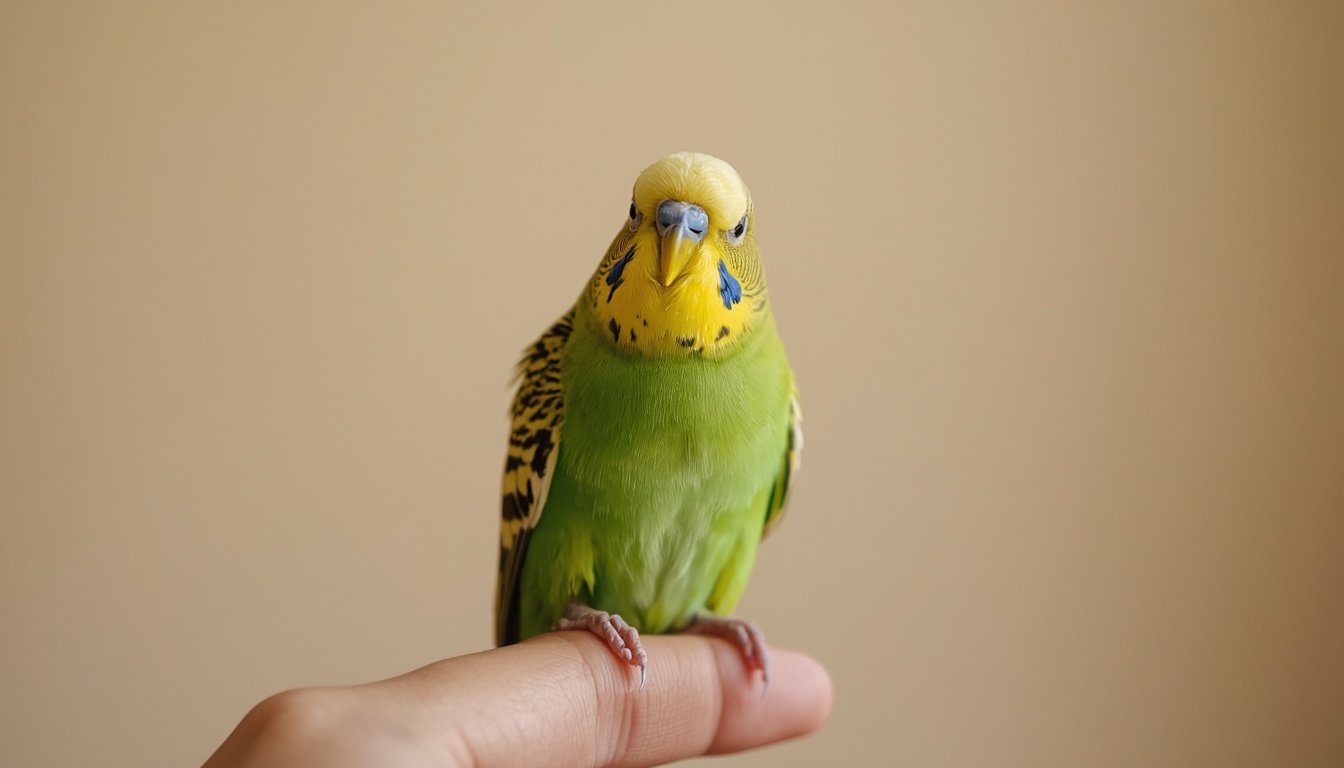
Bird Care Tips are the foundation of raising a happy, healthy pet bird, especially if you’re welcoming your first feathered companion. Birds are intelligent, social, and full of personality, making them rewarding pets for beginners who are ready to meet their daily needs.
However, successful bird ownership begins long before you bring your new pet home. Choosing the right species, preparing a safe living space, and understanding basic care requirements can make the transition easier for both you and your bird.
The three pillars of responsible bird ownership include providing a secure habitat, offering balanced nutrition, and maintaining consistent daily care through cleaning, interaction, and health monitoring. Following these Bird Care Tips from the start helps prevent common beginner mistakes and creates a positive environment where your bird can thrive.
In this step-by-step guide, you’ll discover practical Bird Care Tips that make caring for your new companion simple, enjoyable, and stress-free.
Step 1: Bird-Proof Your Home Environment
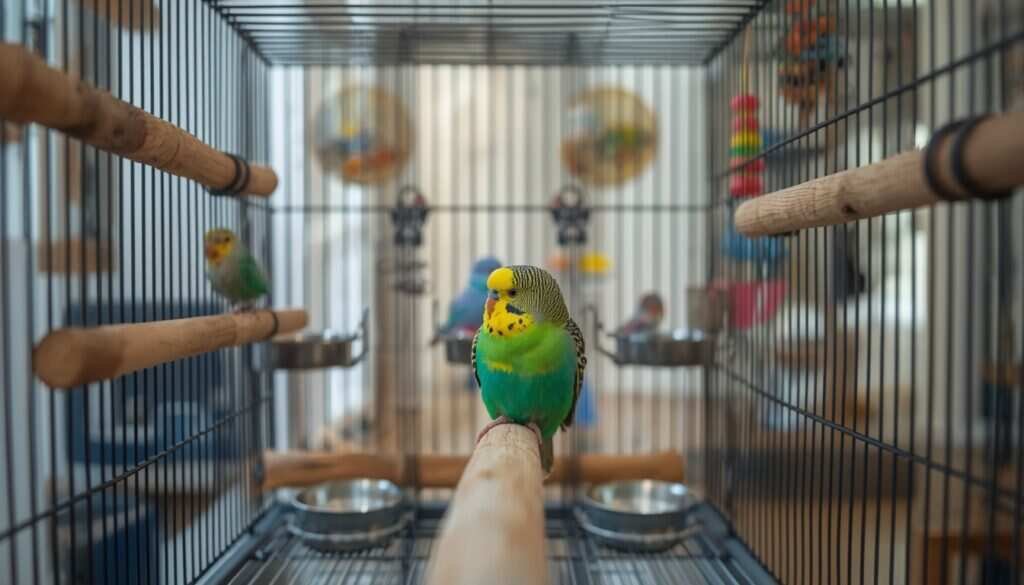
The most essential bird care tips for first-time bird owners begin long before your bird arrives home. A safe environment is the foundation everything else builds on, and several common household items pose life-threatening risks you may not expect.
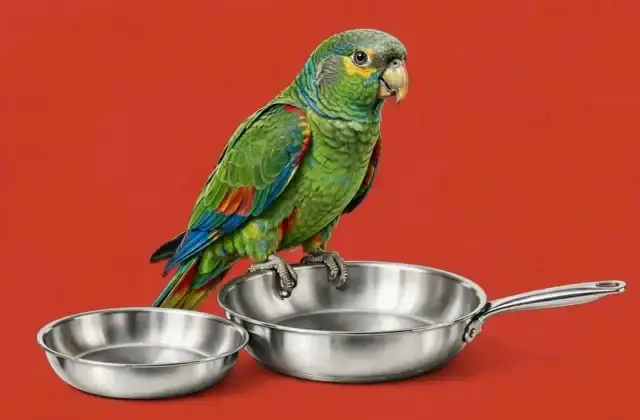
According to PetMD, birds have highly sensitive respiratory systems that can be fatally compromised by PTFE (Teflon) fumes and aerosol sprays. Act on the steps below before your bird’s first day home:
- Remove all PTFE-coated cookware from your kitchen and replace it with stainless steel or cast iron alternatives. Eliminate scented candles, air fresheners, and aerosol sprays from every room.
- Secure every window with snug-fitting screens and cover large mirrors or glass panels to prevent dangerous flight collisions.
- Audit your houseplants and discard any toxic varieties, including lilies, philodendrons, and pothos, which can cause severe illness or death if ingested.
- Designate a quiet zone for the cage a low-traffic area away from kitchen fumes, exterior drafts, and air vents.
⚠ Kitchen Warning: Never allow your bird near an active stovetop. Even brief PTFE exposure can be fatal within minutes.
While considering the environment, you will also soon need to research what to feed a pet bird a topic that pairs directly with habitat setup. After ensuring your home is hazard-free, the next priority is configuring a cage that supports your bird’s physical and behavioral health.
Step 2: Configure the Ideal Habitat and Cage
Understanding how to care for a pet bird means recognizing that the cage is far more than a containment unit it is your bird’s entire world. A well-configured habitat directly supports physical health and emotional stability. Follow these steps to build an environment your bird can genuinely thrive in.
- Select an appropriately sized cage that allows full wing extension in every direction and permits short horizontal flights between perches. A cage that is too small forces restricted posture and contributes to muscle atrophy a real concern given that birds require a minimum of 2 to 4 hours of out-of-cage activity daily to stay physically healthy.
- Vary perch diameters and textures throughout the cage using natural wood branches of different thicknesses. Uniform, smooth dowel perches are a leading cause of bumblefoot, a painful foot condition. Rotating perch types is beneficial for long-term foot health.
- Position food and water bowls away from perches and never directly below roosting spots. Fecal contamination of food sources is a preventable hygiene risk that experienced bird keepers consistently flag as an avoidable mistake.
- Install at least three categories of enrichment toys shredding toys (palm fronds, cork), foraging toys (hidden treat compartments), and auditory toys (bells, chimes). Enrichment variety prevents boredom-driven behaviors like feather plucking.
Bold tip: Rotate perch materials every few weeks natural willow, manzanita, and rope perches each engage different foot muscles and prevent pressure-point injuries.
Once the habitat is configured correctly, the next critical step involves what goes inside those food bowls and building a nutritional regimen that truly supports your bird’s long-term health.
Step 3: Implement a Balanced Nutritional Regimen
One of the most critical areas of bird care for beginners is nutrition and it is also one of the most frequently mishandled. This step guides you in building a diet that supports long-term health, prevents deficiency, and provides a practical daily feeding structure.
According to Dr. Laurie Hess, DVM, a seed-only diet is the leading cause of malnutrition and premature death in companion birds. Follow this sequence to build a properly balanced regimen:
- Establish pellets as the dietary foundation. High-quality pellets should make up 60–70% of your bird’s daily intake. They deliver consistent vitamins and minerals that seeds simply cannot provide.
- Prepare fresh “chop” every morning. Chop is a finely chopped mixture of leafy greens, carrots, and squash served raw. It supplies natural enzymes and hydration; offer a fresh portion daily and remove it within a few hours to prevent spoilage.
- Reserve seeds and millet strictly for training rewards. Seeds are high in fat and low in nutrients. Use them as high-value reinforcers during training sessions, not as a staple meal.
- Eliminate all toxic foods immediately. Avocado, chocolate, caffeine, and onion are each dangerous — and potentially fatal to birds. Keep these entirely out of any space your bird can access.
With a sound nutritional plan in place, the next logical focus becomes the daily routines that protect your bird’s health through consistent hygiene and rest.
Step 4: Establish a Daily Care and Cleaning Routine
With nutrition dialed in, consistent daily maintenance is what keeps your bird healthy over the long term. This routine will help you monitor your bird’s condition, prevent disease, and support the stable sleep cycle that directly shapes behavior. According to the Association of Avian Veterinarians, approximately 15% of pet birds in the U.S. are surrendered due to behavioral issues many of which stem from unmet care routines rather than personality conflicts.
- Change cage liners daily. Fresh liner paper lets you monitor droppings every morning; color, consistency, and volume are reliable early indicators of illness. Do not skip this step.
- Wash food and water dishes every 24 hours using bird-safe soap and hot water. Stagnant water and food residue breed bacteria fast, and a compromised immune system cannot fight back.
- Remove uneaten fresh food within two hours. Spoiled produce and toxic foods for birds, including avocado and onion, become a hidden hazard if left in the cage.
- Wipe down cage bars and surfaces daily with a damp, unscented cloth to remove dust and droppings between deep cleans.
- Deep-clean the entire cage and all perches weekly, using a bird-safe disinfectant. Scrub perches thoroughly, since feet health depends on clean contact surfaces. The Petmate bird care guidelines recommend rotating perches to allow them to dry fully.
- Schedule 10–12 hours of uninterrupted darkness each night. Cover the cage with a breathable cloth at the same time every evening. Consistent sleep reduces stress hormones, supports immune function, and is one of the most effective tools for preventing feather-destructive behavior.
Incorporate this routine into a fixed daily schedule. When owners standardize these tasks, both the bird and the household typically adjust quickly and problems get caught early. The habits you lock in now form the foundation of every long-term success principle covered next.
How to Maintain Long-Term Success: Key Takeaways
Consistent bird care comes down to four non-negotiable pillars: environment, diet, social engagement, and veterinary support. Apply these and your bird’s quality of life improves measurably.
- Protect air quality. Remove every source of airborne toxins: tobacco smoke, aerosol sprays, and critically — overheated non-stick cookware. Birds have highly sensitive respiratory systems that react to fumes that humans never notice.
- Prioritize pellets and fresh vegetables over seeds. As Dr. Laurie Hess, DVM, notes, vitamin A deficiency is a critical risk for birds on seed-only diets, directly impairing immune function. Treat seeds as an occasional supplement, not a staple.
- Commit to at least two hours of daily interaction. Birds are flock animals. Isolation causes stress behaviors: feather-plucking, screaming, and self-harm. Your presence is part of their health plan.
- Schedule cage maintenance proactively. Knowing how often to clean a bird cage spot-clean daily, deep-clean weekly is not optional; consistent hygiene prevents bacterial build-up that compromises respiratory and digestive health.
- Find an avian specialist before an emergency arises. General-practice vets often lack the expertise birds require. Locating a qualified avian veterinarian now means faster, better care when it matters most, according to AVMA guidance.
Begin with one improvement today, such as swapping seed mix for pellets or booking your first avian vet visit. Every step you take toward informed, consistent care builds a longer, healthier life for your bird.
Final Thoughts
Caring for a pet bird is a rewarding journey that becomes easier when you build good habits from the very beginning. By choosing the right bird, creating a safe and enriching habitat, providing a balanced diet, and monitoring your bird’s health every day, you can help your feathered companion live a long and happy life.
Remember that patience, consistency, and gentle interaction are essential for building trust and strengthening your bond. Even small daily routines, such as refreshing water, cleaning the cage, and offering mental stimulation, make a big difference over time.
Following these Bird Care Tips will help you avoid common beginner mistakes while giving your bird the best possible start. With the right knowledge and commitment, these Bird Care Tips can help you become a confident, responsible bird owner and enjoy years of companionship with your pet.


[…] a long-lived companion, it helps to compare conures and parakeets honestly, and to read these bird care tips for first-time owners. A macaw can easily outlive its owner’s ability to care for it, which is why responsible owners […]