Skip to content

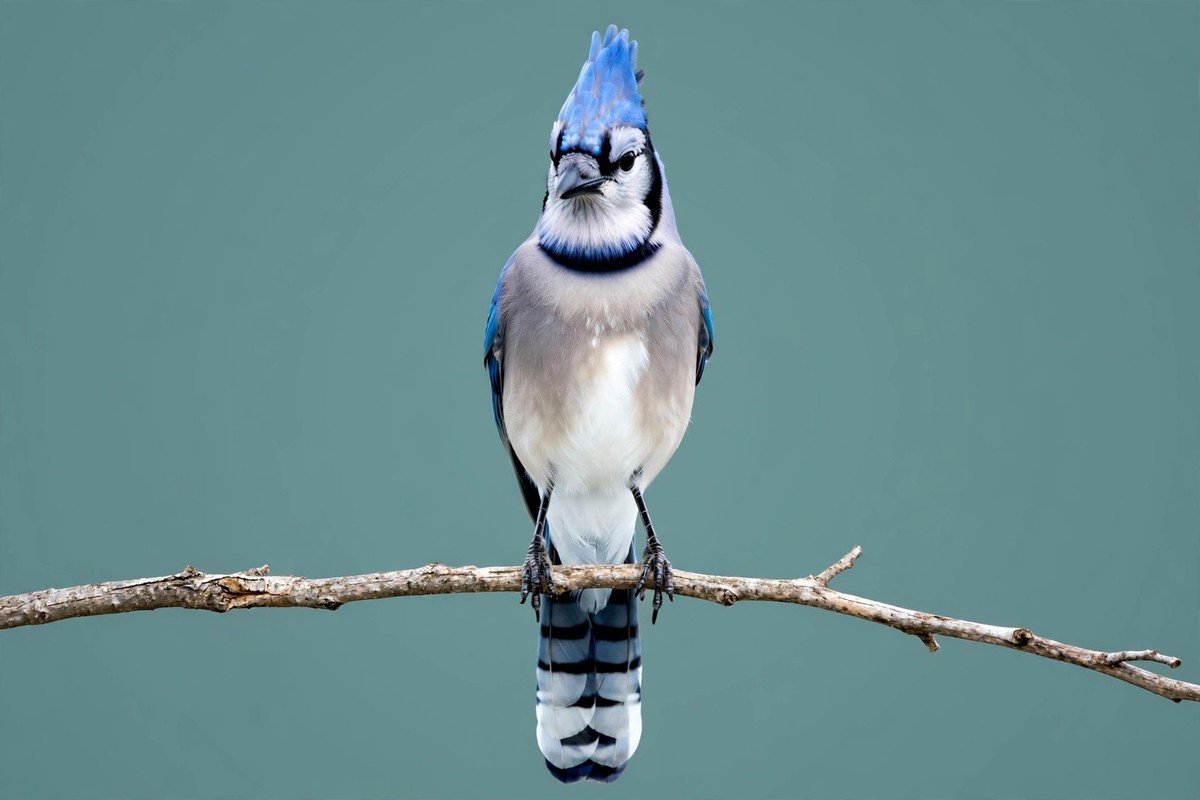
Blue jays are the loud, flashy, impossible-to-miss characters of the eastern backyard, and learning how to attract blue jays is simpler than most guides make it sound. These smart corvids spot new food sources fast, remember exactly where they found them, and alert the whole neighborhood. Get the basics right and your first jays can show up within days, not weeks.
The short version: serve peanuts in the shell on an open tray or platform feeder, keep fresh water nearby, and give them cover to retreat to. Jays are bigger and bolder than finches and chickadees, so a small hanging tube feeder will not hold their attention. This guide covers the exact foods, feeder types, and plantings that turn a yard into regular blue jay territory, plus how to handle their more demanding habits.

Peanuts in the Shell: The Fastest Blue Jay Bait
If you buy only one thing for this project, make it a bag of unsalted peanuts in the shell. Jays go after peanuts with a focus that borders on obsession. On the Cornell Lab FeederWatch cam, the peanut feeder is consistently the first to empty each morning, sometimes in about two hours, and blue jays do most of the damage. They grab each peanut and fly off to eat or stash it rather than dining in place.
The shell matters. Jays love cracking them open, and whole peanuts slow them down just enough that smaller birds still get a turn at your other feeders. Always buy unsalted and unflavored, since salted snack peanuts can harm birds. Whole or shelled both work, but in-shell peanuts are the classic jay offering, and watching each jay weigh, tap, and select its prize is half the fun.
Best Food for Blue Jays: Ranked by What Actually Works
Peanuts open the door, but a varied menu keeps jays coming back through every season. Jays are omnivores with a strong nut-and-seed habit, and field research shows plant material and insects make up the great bulk of their wild diet. At your feeders, these are the proven favorites, roughly in order of pulling power.
| Food | Why jays love it | How to offer it |
|---|---|---|
| Peanuts in the shell | Top attractant; jays carry them off to cache | A handful daily on a tray or platform feeder |
| Black oil sunflower seeds | High energy, easy to crack | Tray, hopper, or platform feeder |
| Striped sunflower seeds | Bigger reward; jays handle the tougher shell easily | Hopper feeder or tray |
| Suet | Protein and fat, especially valuable in winter | Suet cage or log feeder on a tree trunk |
| Cracked corn | Cheap filler that jays genuinely enjoy | Scatter on a tray or low ground tray |
| Acorns | Their wild staple; triggers the caching instinct | Plant native oaks rather than buying acorns |
| Berries | Natural summer and fall food | Plant elderberry, serviceberry, or dogwood shrubs |
| Dried mealworms | Protein snack, popular in breeding season | Small dish on a tray feeder |
Foods to skip: salted or flavored nuts, bread, and cheap filler mixes heavy on milo. Those attract complaints, not jays. If squirrels start stealing the peanuts (and they will), fight back smart: our guide on squirrel-proofing feeders covers baffles and placement tricks that keep the peanuts for the birds.
How to Attract Blue Jays With the Right Feeder Setup
Feeder shape matters more than feeder price. According to the Cornell Lab’s blue jay overview, jays prefer tray feeders or hopper feeders on a post rather than hanging feeders, and they take peanuts, sunflower seeds, and suet most readily. A jay is a big, broad-chested bird that needs landing room. It will not cling to a tiny tube port.
- Platform or tray feeder: Your workhorse. Open design, easy landing, and plenty of room for in-shell peanuts. Mount it on a pole or hang it from a sturdy branch.
- Hopper feeder on a post: Holds plenty of sunflower seed and gives jays a solid perch to work from.
- Peanut ring or peanut wreath: A mesh ring loaded with in-shell peanuts. Jays yank them out one by one, and it is genuinely entertaining to watch.
- Ground tray: A low tray near cover. Jays are comfortable feeding on the ground, especially under shrubs.
Place the main jay feeder within about ten feet of shrubs or a small tree. Jays like a quick escape route, and they will not commit to a feeder sitting alone in the middle of an open lawn. Wash feeders regularly with hot soapy water, since peanut and suet feeders can harbor mold in warm weather.

Water and Cover: The Quiet Half of the Formula
Food gets the credit, but water seals the deal. Jays drink and bathe, and a shallow birdbath with a dripper or mister gets noticed fast. Moving water reads as safe and fresh to birds, and it pulls in jays even on days they are not hungry. In winter, a heated birdbath can make your yard the most popular stop on the block.
Cover is the other half. Jays nest and roost in dense trees and shrubs, and they stage their feeder visits from nearby perches. A yard with nothing but lawn and one feeder feels exposed to them. Clusters of shrubs, a brush pile in a back corner, and evergreens for winter shelter all raise your yard’s jay appeal. If you are starting from scratch, our beginner guide to attracting backyard birds walks through cover, water, and food as one system.
Plants for Blue Jays: Grow a Jay-Friendly Yard
The long game for jays is planting what they evolved with: oaks. A jay can carry up to five acorns at once, three tucked in a throat pouch called the gular pouch, one in the mouth, and one gripped at the bill tip. Each bird may cache 3,000 to 5,000 acorns in a single fall, burying them up to three quarters of a mile from the parent tree. The forgotten caches sprout, which is why the Cornell Lab credits the blue jay’s fondness for acorns with helping spread oak trees after the last glacial period.
Researchers studying this partnership call jays ecosystem engineers: in the eastern US, blue jays even speed forest recovery after fires by caching more heavily in burned areas and choosing open canopy gaps.
You do not need a forest. One native oak in a yard gives jays a reason to visit every fall for decades. White oaks, red oaks, and pin oaks all work, so check which species are native to your area before planting. Pair the oak with berry producers for summer food. Elderberry, serviceberry, dogwood, and native viburnums all rank high with jays. Dense native shrubs like holly or juniper provide nesting cover at the same time. If you are also courting their smaller blue cousins, note that bluebirds want mealworms and nesting boxes rather than peanuts, so the two species can share a yard without competing.
That Hawk Scream Is Probably a Blue Jay
If you hear a convincing hawk call from your trees but no hawk ever appears, you are likely hearing a blue jay doing impressions. Jays are skilled mimics, and they will often mimic the call of a red-tailed or red-shouldered hawk as they approach a feeder, apparently to scare other birds away from the food. The same call can also warn jay family members that a real hawk may be near.
The giveaway is repetition without a body. A real hawk calls and moves on. A jay will run the routine from the same branch for minutes. Do not chase the sound away. A mimicking jay is a comfortable jay, and comfort is exactly what you are building.
When Blue Jays Get Too Comfortable: Managing Feeder Bullies
Honesty time. The same boldness that makes jays fun also makes them demanding. A family of jays can empty a peanut tray in an hour, cache nearly all of it, and return for more. They occasionally raid other birds’ nests for eggs or nestlings, though their reputation as serial nest raiders is exaggerated. In one widely cited study, only 6 of 530 jay stomachs contained egg material, and plant foods plus insects dominate their diet. They are opportunistic omnivores, not villains.
- Give jays their own station: Set a dedicated peanut tray 20 to 30 feet from your main feeders. Jays are territorial feeders and will often claim their own zone, leaving the rest of the yard alone.
- Feed cardinals safflower elsewhere: Jays tend to avoid bitter safflower seed, while cardinals and chickadees eat it happily. A safflower-filled feeder lets you attract cardinals to your yard without feeding the jay mob.
- Use caged or weight-sensitive feeders for small birds: Tube feeders with cages let finches through while blocking big bodies.
- Ration the peanuts: Offer a set amount each morning rather than an endless supply. Jays cache the surplus anyway, so a bottomless tray only speeds up the emptying.
- Clean up spilled seed: Jays happily vacuum the ground under other feeders. Sweeping up reduces the bonus buffet that keeps them loitering.
- Skip the bread and scraps: They bloat the jay crowd and attract pests. Stick to nuts, seeds, and suet.
Your 7-Day Blue Jay Welcome Plan
- Day 1: Mount or hang a tray feeder within ten feet of shrubs or a tree, and set a shallow dish of water nearby.
- Day 1: Put out a modest handful of unsalted in-shell peanuts plus black oil sunflower seed. Start small to avoid waste and squirrel raids.
- Day 2: Top up the peanuts at the same time each morning. Jays learn schedules fast and will start checking on time.
- Day 3: Add a suet cage to a nearby tree trunk for variety and winter-ready calories.
- Day 4: Watch from a window. Note which perch the jays stage from. If they seem skittish, move the feeder a few feet closer to cover.
- Day 5: If jays are hogging everything, set up their dedicated station farther out and switch one main feeder to safflower for the smaller birds.
- Day 7 and beyond: Keep the routine steady. If you have space, plant a native oak this fall for the long-term payoff. For seed choices across all your feeders, our rundown of the best bird seeds for different birds in the USA helps you stock the right mix for every visitor.

Frequently Asked Questions
Do blue jays like peanuts?
Yes. Peanuts in the shell are one of the most reliable blue jay attractants there is. Offer them unsalted. Jays carry peanuts off to cache for later, so do not be surprised when a tray empties fast. The birds are storing, not just eating.
How long does it take to attract blue jays?
With peanuts on an open tray near cover, many yards see their first jay within a few days. Consistency matters more than quantity. Refill at the same time daily, and word spreads through the local jay network.
Do blue jays scare away other birds?
They can dominate a feeder, especially when peanuts are involved. The fix is zoning: a dedicated jay station set apart from your main feeders, plus safflower or caged feeders for smaller birds, keeps the peace.
Will blue jays use a tube feeder?
Rarely. Jays are large and prefer landing room, so they favor tray, platform, and hopper feeders. A tube feeder’s small perches and ports suit finches and chickadees instead.
Are blue jays bad for other nesting birds?
They occasionally take eggs or nestlings, but studies show this is a small part of their diet, which is mostly plant material and insects. Their reputation as nest raiders is overstated.
What time of day do blue jays visit feeders?
Early morning is prime time, with a second wave in late afternoon. Put peanuts out first thing in the morning to catch the breakfast rush.
Do blue jays stay all winter?
In most of their range they are year-round residents, so your winter jays are often the same birds you saw in summer. Northern populations migrate south in fall, so in the far north the cast of characters may change with the seasons.
Conclusion: How to Attract Blue Jays Made Simple
Learning how to attract blue jays comes down to respecting what they are: big, smart caching machines with a peanut habit. Serve unsalted peanuts in the shell on a tray or platform feeder, back it with sunflower seed and suet, keep water fresh, and give them shrubs to stage from. If you plant a native oak, you are investing in decades of fall visits.
Expect personality. Jays will mimic hawks, stash your peanuts across the neighborhood, and occasionally boss the finches. Manage the chaos with a dedicated jay station and safflower for everyone else, and you get the best of both worlds: front-row seats to one of the smartest, most entertaining birds in North America, without sacrificing the rest of your backyard flock.