Skip to content

One minute your feeders are busy with chickadees and goldfinches. The next, a noisy gang of blackbirds sweeps in, shoves the little birds aside, and drains a week of seed in an afternoon. If that scene feels familiar, you are dealing with common grackles, and you are not alone.
Learning how to keep grackles away from bird feeders matters because these flocking blackbirds do more than eat your budget. Their sheer numbers and aggressive feeding style push shy songbirds off the feeders entirely, and the birds you planted your garden for may stop visiting at all. The good news is that you can push back without giving up feeding or harming a single bird.
This guide walks through seven proven fixes that work by changing what grackles find at your feeders, not by fighting them directly. You will learn which seeds grackles avoid, which feeder designs shut them out, and what to stop doing right now. There is also a short section on what the law actually says, because grackles enjoy federal protection that limits your options.

Why Grackles Take Over Bird Feeders
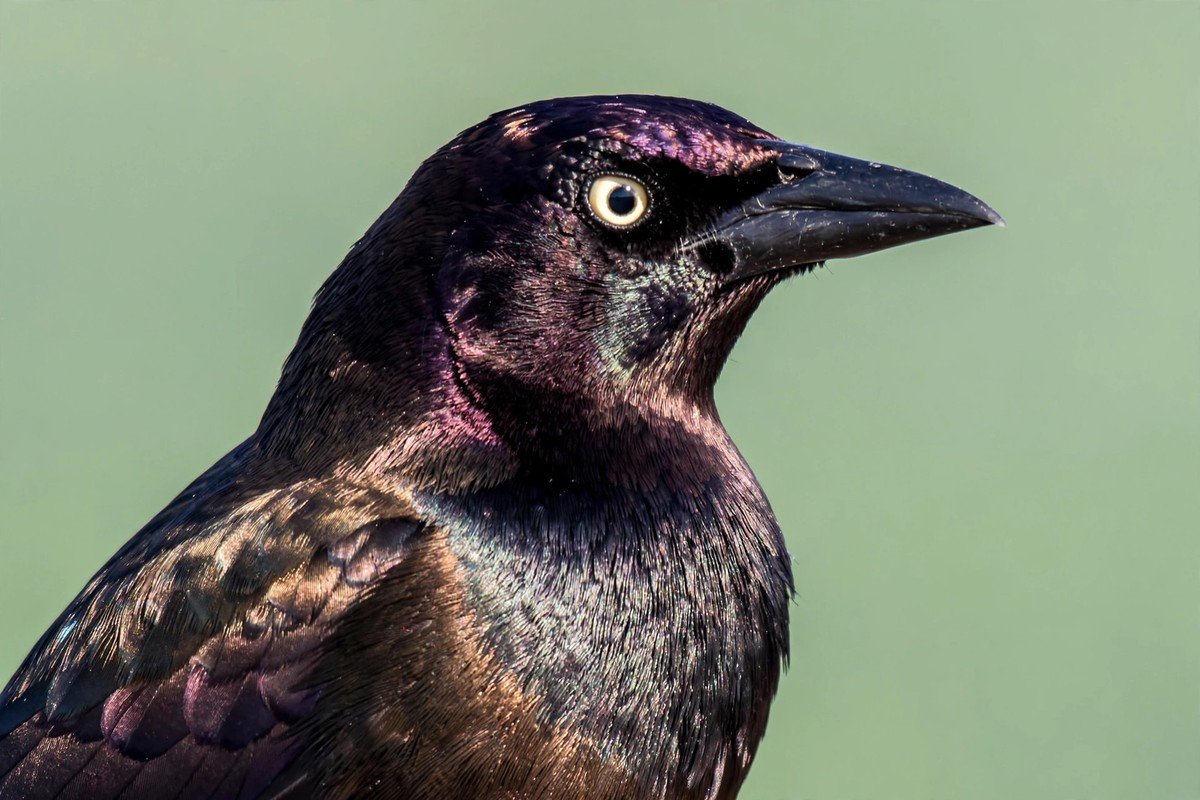
The common grackle is a large, lanky blackbird with a long tail, a flat head, and a bill longer than that of most blackbirds, according to the Cornell Lab of Ornithology. Up close, males flash iridescent bronze, purple, and green plumage with startling pale yellow eyes. They look almost black from a distance, which is why many people mistake them for crows or starlings at first glance.
What makes them such a problem at feeders is not one bird but dozens. Grackles travel and feed in noisy flocks, and the Cornell Lab notes they gather in large groups high in trees and eat nearly anything, from crops and corn to garbage. Audubon describes big flocks flying overhead in the evening toward major communal roosts. A single grackle eats a modest amount, but thirty of them acting together can empty a hopper feeder before lunch.
Size and behavior give them another edge. Grackles are bold ground foragers and aggressive perchers, and smaller birds usually lose the standoff. They also scoop and scatter seed with their bills, dumping food that then attracts more grackles, plus rodents. Understanding this pattern is useful, because every fix below targets one part of it: the food, the feeder design, or the timing.
Identification is worth getting right before you act. Starlings are chunkier with short tails and dark eyes, while grackles show pale yellow eyes and long tails that sometimes fold into a shallow V in flight, according to the Cornell Lab. Crows are much bigger with heavier bills. If your blackbird has yellow eyes and a long tapered tail, you are looking at a grackle.
How to Keep Grackles Away From Bird Feeders: 7 Proven Fixes
No single trick eliminates grackles forever. The fixes that work combine seed choices grackles dislike with feeders their bodies cannot use, plus habits that break the feeding routine they have settled into. Use several together for the best results.
1. Switch to safflower seed
This is the easiest change with the biggest payoff. Safflower seeds taste bitter to grackles, starlings, and red-winged blackbirds, while cardinals, chickadees, finches, and nuthatches eat them happily.
Fill your tube and hopper feeders with straight white safflower instead of a mixed blend. Give your regular visitors one to two weeks to adjust to the new taste, since even cardinals may hesitate at first. Grackles, on the other hand, usually move on within days once they learn the feeder no longer serves their favorites.
Keep in mind that a determined grackle can crack a safflower shell. The seed works as a deterrent because most grackles find it unpleasant, not because it is impossible to open. Pair it with one of the feeder fixes below if your flock is stubborn.
| Seed | Grackles like it | Songbirds that eat it |
|---|---|---|
| Safflower | Rarely | Cardinals, chickadees, finches, nuthatches |
| Nyjer (thistle) | Rarely | Goldfinches, siskins |
| Black oil sunflower | Yes | Almost everything, including bully birds |
| Cracked corn and millet | Yes | Sparrows, doves, juncos |
| Peanuts in shell | Rarely | Jays, woodpeckers, titmice |
Nyjer seed deserves a mention too. It comes in special feeders with tiny ports that suit goldfinches but frustrate larger bills. If grackles are your only problem, straight safflower covers most feeders; if starlings are raiding alongside them, a nyjer feeder adds another grackle-resistant option that keeps finches visiting.
2. Use caged tube feeders
A caged feeder wraps a standard tube feeder in wire mesh with openings sized for small birds. Chickadees, finches, and titmice slip through easily, while a grackle cannot fit past the bars. This physical barrier is one of the most reliable solutions available.
Place caged feeders where grackles already feed so your target birds find them fast. Keep the surrounding area clear of branches and railings that a grackle could perch on while reaching through the cage. If you also want ideas tailored to other feeder raiders, our guide on squirrel-proof bird feeders covers exclusion designs that work against several pests at once.
3. Try weight-sensitive perches
Weight-calibrated feeders close their feeding ports when a heavy bird lands on the perch. A cardinal or chickadee feeds normally, but a grackle triggers the mechanism and the seed ports shut. Wild bird stores point to this design as one of the most effective tools against grackles, since it discriminates by body weight automatically.
Adjust the sensitivity so it closes at roughly the weight of a large blackbird while staying open for cardinals and grosbeaks. Check the ports and springs periodically, because wet seed and debris can jam the mechanism. For a deeper look at matching seeds to the birds you want, see our breakdown of the best bird seeds for different birds.
These feeders also frustrate squirrels, which is why many backyard birders buy them for double duty. One well-chosen feeder can solve two pest problems at once.

4. Offer upside-down suet feeders
Grackles love suet, but they are clumsy at hanging upside down. An upside-down suet feeder mounts the suet cake above a flat roof so birds must cling beneath it to feed. Woodpeckers, nuthatches, and chickadees do this naturally. Grackles and starlings struggle and usually give up.
Hang the feeder away from walls, poles, and tree trunks that a grackle could brace against. If woodpeckers have not found it within a week, smear a little peanut butter on the cake to help them discover it. This single swap often solves the suet problem completely.
5. Remove platform and tray feeders temporarily
Open platform and tray feeders are grackle magnets. Their wide surfaces suit a big bird’s bill-sweeping feeding style, and a flock can cover a tray in seconds. During peak grackle season, usually spring migration and early summer, take platform feeders down for two to three weeks.
This temporary removal breaks the habit. Grackles learn locations quickly and return to reliable food sources, so a feeder that goes empty for a couple of weeks often drops off their route. When you put the tray back, they may not bother returning. Ground-feeding birds still need to eat, so keep one small ground-feeding area far from the main feeders, or skip ground feeding entirely until the flock moves on.
6. Clean up spilled seed under your feeders
Spilled seed is an open invitation. Grackles are enthusiastic ground foragers. Every handful of waste under your feeders trains more grackles to check your yard daily.
Sweep or rake beneath feeders every few days and use seed trays that catch falling seed before it hits the ground. Offer only as much seed as your birds will finish in a day so nothing piles up overnight. Dirty, moldy seed piles can also spread disease, which is why regular cleaning matters. Our step-by-step guide on how to clean bird feeders covers the full routine.
7. Adjust your feeding schedule
Grackles often hit feeders hardest in the early morning when the whole flock is foraging together. You can use that pattern against them by filling feeders later in the morning, after the first big wave has moved through. Many backyard birders report that songbirds visit steadily all day, while grackle flocks arrive in concentrated bursts.
Another option is to bring feeders in overnight and put them out mid-morning. Grackles scouting at dawn find nothing and may cross your yard off their list. This takes some effort, so treat it as a supplement to the seed and feeder fixes rather than a standalone solution. Curious about how birds locate your setup in the first place? Read how birds find bird feeders to understand the scouting behavior you are disrupting.
What NOT to Do: Grackles Are Protected Birds
When frustration peaks, some people reach for traps, poison, or pellet guns. Do not. Common grackles are native birds protected under the Migratory Bird Treaty Act, which makes it illegal to kill, trap, or harm them without authorization.
There is a narrow federal depredation order covering blackbirds, cowbirds, and grackles, but it applies to specific situations like agricultural crop damage or genuine health hazards, and only after non-lethal methods have been tried. A flock emptying your feeder does not qualify. Stick with the deterrents above, which work without touching a single feather.
Also skip so-called repellent shortcuts like vinegar sprays, citrus oil, or ultrasonic gadgets marketed for birds. There is no credible evidence these keep grackles away from feeders, and strong smells or chemicals can just as easily drive off the songbirds you want. Non-lethal, feeder-based fixes are the honest answer.

Frequently Asked Questions
Are grackles bad birds?
No. Grackles are native North American birds with a real ecological role, including eating large numbers of insects that damage plants. They get a bad reputation because their flocking behavior and appetite clash with backyard feeding. They are worth appreciating from a distance, just not at your feeders.
Do grackles scare away songbirds?
Yes, indirectly. Grackles are bigger and bolder than chickadees, finches, and sparrows, and smaller birds usually retreat when a flock arrives. The fix is not removing grackles from the neighborhood but giving songbirds feeders the grackles cannot use, which is exactly what caged and weight-sensitive feeders do.
Will grackles leave on their own?
Often, yes. Common grackles are partial migrants, and many northern birds move south for the winter while southern populations stay put. Flocks are also worst during spring and early summer, then thin out. If you can wait a few weeks, the pressure usually eases on its own.
What seed do grackles hate?
Safflower is the top answer. Its bitter taste puts off grackles, starlings, and red-winged blackbirds while cardinals, chickadees, and finches accept it. Nyjer seed and peanuts in the shell also discourage them, since their bills handle those foods poorly. Avoid cracked corn, millet, and cheap mixed blends, which are grackle favorites.
Are grackles protected by law?
Yes. Common grackles are protected under the federal Migratory Bird Treaty Act as native migratory birds. That means killing, trapping, or poisoning them is generally illegal. Non-lethal deterrents like seed swaps and feeder changes are the legal and effective way to handle feeder conflicts.
Conclusion
Keeping grackles away from bird feeders comes down to making your setup unrewarding for them while keeping it welcoming for everyone else. Swap in safflower seed, switch to caged or weight-sensitive feeders, hang suet upside down, and keep the ground clean. Each change removes one more reason for the flock to visit.
Start with the seed swap, since it costs nothing extra and works within days for most yards. Add a caged feeder if a stubborn few keep coming. Check on your feeders after two weeks and note which birds have returned; that feedback tells you which fixes earned their keep. Within a few weeks, your chickadees, cardinals, and finches should have their feeders back, and the grackles will have moved on to easier pickings. That balance is the whole point of feeding birds in the first place.