 Skip to content

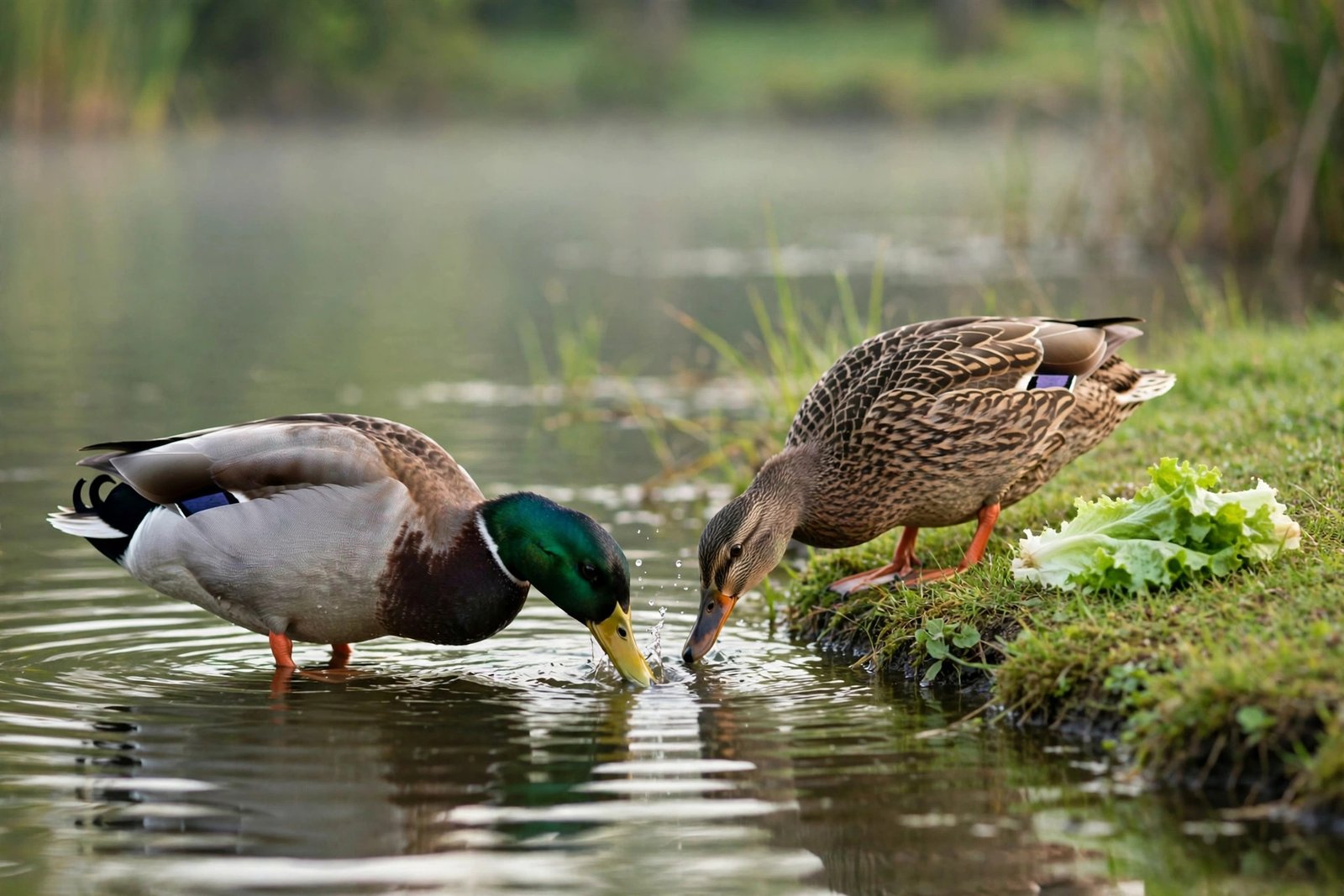
You are standing at the edge of a pond with a bag of stale bread, and a crowd of ducks is already paddling toward you. It feels like a kindness. So can birds eat bread, really?
The honest answer is yes, in small amounts, plain bread will not poison a bird on the spot. But bread is junk food for birds, and when it becomes a regular meal, especially for ducks and geese, it causes real harm.
Wildlife experts do not argue that a single crumb is dangerous. The problem is what happens when bread fills birds up instead of the foods they actually need.
This guide explains what bread does and does not do to birds, why ducks and geese are the most vulnerable, what the science says about angel wing and mold, and what to feed birds instead. You will also learn how the rules differ for backyard songbirds, waterfowl, and pet birds.

Can Birds Eat Bread? The Short Answer
Technically, birds can digest bread. The Royal Society for the Protection of Birds has said that ducks and swans can digest all types of bread, and that bread is not harmful when fed in small amounts as one part of a varied diet. That nuance matters, because it is the reason this debate never fully dies.
The trouble starts with quantity. White bread in particular is mostly refined starch with little protein, fat, vitamins, or minerals. A bird that fills up on bread eats less of the natural foods that supply what it actually needs. The RSPB warns that birds on a diet of predominantly or only bread can suffer serious vitamin deficiencies or even starve with full stomachs.
So the practical rule is simple: an occasional small piece of plain bread is unlikely to hurt a bird, but bread should never be a bird’s meal plan. And for young waterfowl, for pet birds, and for anyone feeding ducks regularly at a pond, the answer tilts firmly toward skipping the bread and offering something better instead.
Why Bread Is Nutritional Junk Food for Birds
Think of bread the way you would think of candy for a child: energy with almost nothing useful attached. White bread is baked from refined flour, water, yeast, and salt. The refining strips away most of the fiber, B vitamins, and minerals found in whole grains, and the finished loaf is typically 70 to 80 percent carbohydrate.
Wild birds evolved to eat seeds, insects, greens, grains, and aquatic plants, a mix that delivers protein, fat, calcium, and micronutrients in balance. Bread delivers a spike of fast calories and very little else. A duckling growing on a bread-heavy diet misses the protein and minerals its bones and feathers need during the most critical weeks of its life.
Whole-grain bread is marginally better than white, since it retains more fiber and nutrients, but it is still a poor substitute for real bird food. Bread also contains added salt and sometimes sugar, preservatives, and flavorings that birds simply do not need. No wild bird’s natural diet includes a sandwich loaf, and their bodies show it when one becomes the centerpiece of their meals.
The Real Risks of Feeding Bread to Birds
Opponents of bread feeding are not imagining things. Wildlife rehabilitators and waterfowl experts point to several documented problems, all of which get worse the more bread a bird eats.
Angel Wing in Ducks and Geese
Angel wing is a deformity in which the last joint of a young waterfowl’s wing twists outward, leaving the feathers sticking out at an unnatural angle. Once the wing bones harden, the condition is permanent, and the bird cannot fly. It cannot migrate, cannot escape predators reliably, and often dies young.
Rehabilitation centers link angel wing to diets high in carbohydrates and low in the nutrients growing birds need. The Wildlife Haven Rehabilitation Centre in Manitoba describes the condition as a nutritional deficiency from humans feeding wild birds foods high in carbohydrates and sugar.
Such as bread, which makes the growing flight feathers too heavy for the developing wing bones. A city wildlife guidance sheet puts it bluntly: feeding bread products to ducks and geese greatly increases the occurrence of this condition.
Honesty requires a caveat here. Reviews of the research note that direct evidence tying bread specifically to angel wing is limited, and some experts question the connection. What experts do agree on is that fast-growing waterfowl need balanced nutrition, and that a diet dominated by handouts of processed food is a poor way to provide it.
Malnutrition Hiding Behind Full Stomachs
A duck that eats two slices of bread feels full and stops foraging. That is the core danger. Bread displaces pondweed, insects, snails, and the other foods that deliver protein, calcium, and vitamins. Over weeks, the result is a malnourished bird that looks perfectly fed.
Young birds pay the highest price. Ducklings fed mostly bread can develop weak bones, poor feather quality, and stunted growth. Adult birds on bread-heavy diets tend to gain excess fat while missing micronutrients, a combination that weakens their immune systems heading into migration or winter.
Moldy Bread and Dirty Water
Bread goes stale fast, and the bag people bring to the pond often contains pieces already going moldy. Moldy bread can harbor fungi and toxins that make birds sick, and wet bread in particular spoils quickly in warm weather.
Uneaten bread causes damage even when no bird touches it. Soggy bread sinks and rots, feeding algae blooms that deplete oxygen in the water and kill fish and invertebrates. It also draws rats and other vermin to the water’s edge, where they spread disease to birds and people alike. This is why many parks now post signs asking visitors not to feed bread at all.
Overcrowding and Dependency
Regular bread feeding trains birds to gather in unnatural numbers at the same spot. Crowded birds spread disease more easily, foul the water with droppings, and become aggressive toward each other and toward people. Young birds that grow up on handouts may also fail to learn proper foraging, leaving them dependent on humans through seasons when people stop coming.

Bread Myths Worth Clearing Up
Because this topic is emotional, a few myths circulate in both directions. Sorting them out helps you make better decisions.
Myth: Bread swells up inside a bird’s stomach and kills it. This dramatic claim shows up often, but the documented problems wildlife agencies actually cite are nutritional deficiency, angel wing, mold, and water pollution. Bread is not a ticking time bomb; it is a slow nutritional drain.
Myth: Bread is instantly toxic to birds. Also false. As the RSPB has stated, bread is digestible and not acutely harmful in small amounts. The harm comes from bread becoming the diet, not from a single feeding.
Myth: If bread were bad, ducks would stop eating it. Ducks cannot judge nutrition. They, like humans at a dessert table, reliably choose the tastiest calorie source available, even when it shortchanges them nutritionally. Appetite is not a dietitian.
Myth: Stopping bread feeding will starve the ducks. Ducks are skilled foragers that survived for millennia without sandwich crusts. Birds at well-fed ponds may visit less often if the handouts stop, but they will not starve; they will simply return to foraging, which is healthier for them.
Wild Birds, Ducks, and Pet Birds: The Rules Differ
Not every bird faces the same risk from bread. The species, the setting, and the amount all change the answer.
Backyard Songbirds
For songbirds visiting a feeder, bread is a minor concern mainly because they rarely eat much of it. A crumb snatched from a picnic table will not harm a robin or chickadee. Still, bread offers them nothing that good feeder food does not offer better. If you want to help backyard birds, fill feeders with foods matched to their needs instead of table scraps. Our guide to the best bird seeds for different birds covers what each species actually prefers.
Ducks, Geese, and Swans
Waterfowl are the birds most harmed by bread, for two reasons: they are the birds people feed most, and their fast-growing young are the most vulnerable to nutritional imbalance. If you feed ducks at a park, bread should be off the menu entirely. The small effort of bringing peas or oats instead makes a measurable difference to the birds that live there.
Pet Birds and Parrots
Pet birds follow different rules because their whole diet is in your hands. The bird nutrition company Lafeber advises that a small piece of unbuttered 100-percent whole wheat bread, toasted or fresh, is fine as an occasional treat for pet birds.
While warning that many breads labeled “wheat” are really just processed white bread with a little wheat flour. Keep portions tiny, skip anything salted, buttered, sweetened, or flavored, and never let bread replace the pellets, vegetables, and grains that should form the diet. For more on building a healthy routine, see our bird care tips for first-time owners.
What to Feed Ducks Instead of Bread
The good news is that ducks love plenty of foods you probably already have at home. These are all closer to what waterfowl forage naturally:
- Cracked corn: An excellent energy food and a long-standing waterfowl feed. Offer it dry, scattered on grass near the water.
- Oats: Rolled or quick oats, uncooked. Cheap, nutritious, and easy for ducks to eat.
- Defrosted frozen peas: Ducks adore peas. Thaw them first and toss a small handful; they are one of the best pond treats.
- Sweetcorn: Tinned (drained) or frozen and thawed sweetcorn is a firm duck favorite.
- Birdseed: Any standard mixed seed works and adds welcome variety.
- Chopped lettuce and greens: Romaine, leaf lettuce, and other greens mimic the aquatic plants ducks eat naturally. Tear into small pieces.
- Cooked rice: Plain white or brown rice, cooked or uncooked, is safe in moderation.
- Halved grapes: Cut large grapes in half or quarters so ducks can swallow them safely.
A few feeding habits matter as much as the food itself. Feed only what the birds will eat in a few minutes so nothing rots in the water. Scatter food on the grass rather than throwing it into the pond. And keep portions modest; you are offering a supplement, not dinner.
What to Feed Backyard Birds Instead
If your impulse is to help the birds in your yard, skip the bread basket and stock a feeder properly. Black-oil sunflower seeds are the single best all-around feeder food, attracting cardinals, chickadees, finches, and nuthatches. Suet feeds insect-eating birds through the cold months, and nyjer seed draws goldfinches in droves.
Seasonal feeding guides help you match food to the moment. Our complete guide to feeding birds in winter covers high-energy cold-weather foods, and our suet guide explains which birds benefit most from it. Even ground-feeding species like mourning doves do far better on seed than on scraps.
Bread vs. Better Alternatives at a Glance
| Food | What it offers birds | Best for |
|---|---|---|
| White bread | Fast calories, almost no protein, vitamins, or minerals; added salt | Nothing; avoid as a staple |
| Whole-wheat bread | More fiber than white, still low in the nutrients birds need | Occasional tiny treat for pet birds only |
| Cracked corn | Good energy, closer to natural grain foraging | Ducks, geese, ground-feeding birds |
| Rolled oats | Fiber and moderate nutrition, easy to eat | Ducks, geese, swans |
| Defrosted peas | Protein and vitamins, ducks love them | Ducks, geese |
| Black-oil sunflower seeds | High fat and protein, thin shells | Cardinals, chickadees, finches, nuthatches |
| Suet | Concentrated energy for cold weather | Woodpeckers, chickadees, nuthatches |
| Chopped greens | Vitamins and moisture, mimics aquatic plants | Ducks, geese, swans |

Frequently Asked Questions
Is bread bad for ducks?
Bread is not acutely poisonous to ducks, but it is bad for them as a regular food. It fills them without delivering the protein, vitamins, and minerals they need, and wildlife rehabilitators link bread-heavy diets to the wing deformity angel wing in young waterfowl. Small, occasional amounts are unlikely to harm an adult duck, but peas, oats, corn, and greens are far better choices.
Can baby birds eat bread?
Baby birds should not eat bread. Nestlings and fledglings need protein-rich food, usually insects or regurgitated natural food from their parents, and their digestive systems are not built for processed starch. If you find a baby bird, do not feed it anything; the right move depends on whether it is a nestling or fledgling. Ducklings are especially vulnerable, since poor nutrition during rapid growth can cause permanent deformities.
Is white bread or whole wheat bread better for birds?
Whole wheat is the lesser evil. It retains more fiber and nutrients than white bread, which is almost pure refined starch. But neither is a good bird food. If you are choosing a rare treat for a pet bird, pick unbuttered 100-percent whole wheat and keep the piece small.
What about moldy bread? Can birds eat that?
Never feed moldy bread to birds. Mold can produce toxins and fungal spores that cause respiratory and digestive illness, and wet, spoiled bread also pollutes pond water as it rots. Throw moldy bread in the trash, not the pond.
Can pigeons eat bread?
Pigeons can digest bread, and city pigeons eat plenty of it, but it is still poor nutrition for them. Pigeons do best on grains and seeds such as wheat, corn, millet, and peas. If you enjoy feeding pigeons, a bag of inexpensive mixed grain helps them far more than sandwich crusts.
Why do parks ban feeding bread to ducks?
Parks ban or discourage bread feeding because the harm goes beyond the birds. Uneaten bread rots in the water, feeding algae blooms that kill fish, attracting rats, and spreading disease among unnaturally crowded birds. Many parks now suggest peas, corn, and oats instead, or ask visitors not to feed waterfowl at all.
The Bottom Line on Bread and Birds
So, can birds eat bread? A small piece of plain bread will not drop a bird on the spot, and wildlife agencies are clear that bread is digestible in modest amounts. But digestible is a low bar. Bread is nutritional junk food that fills birds up, crowds out the foods they need, and, in waterfowl, is linked to the crippling deformity angel wing. Rotting leftovers then poison the pond itself.
The kindest thing you can do with that stale loaf is compost it and bring peas, oats, or seed to the park instead. Your backyard birds will thank you more for a well-stocked feeder than for any table scrap, and the ducks will be healthier for it. Feeding birds is a wonderful habit; feeding them well is what makes it one.





