 Skip to content

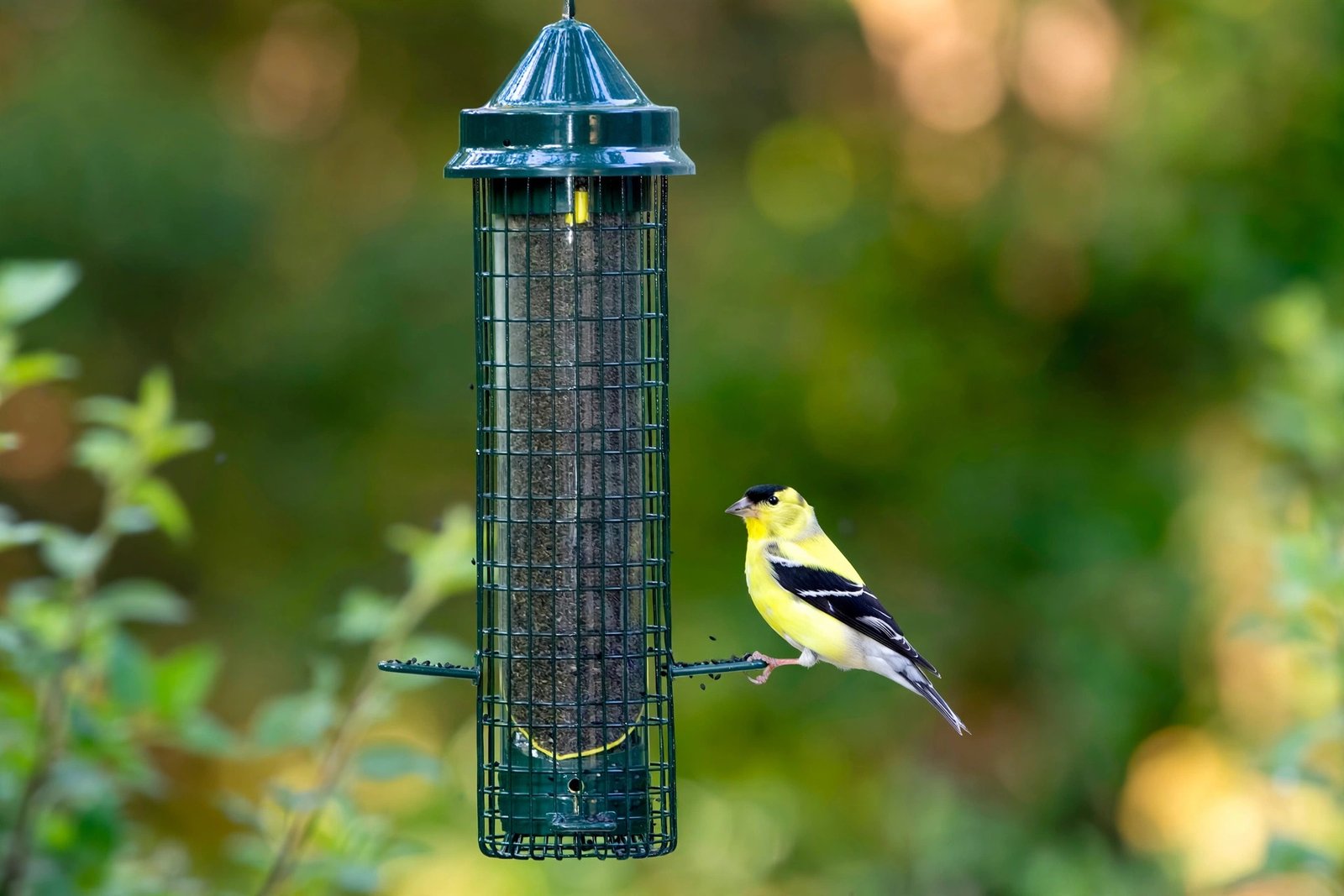
To attract goldfinches, start with what they eat. Fresh nyjer seed and black-oil sunflower seed in a feeder built for small finches will pull in more goldfinches than anything else you can do. Add a shallow bird bath and a few seed-bearing native plants, and your yard becomes the kind of stopover these bright finches remember and revisit.
Goldfinches are among the most rewarding backyard birds in North America. Spring males glow lemon yellow with black caps, and their bouncing flight and cheerful po-ta-to-chip calls announce them before you ever see them. Yet many people hang a feeder, fill it with the wrong seed, and wonder why the finches never come. This guide covers exactly how to attract goldfinches: the right seeds, the right feeders, the plants that feed them naturally, water, and the mistakes that quietly drive them away.

What Goldfinches Actually Want From Your Yard
Understanding goldfinch behavior makes every other decision easier. These birds are strict seed eaters. According to the Cornell Lab of Ornithology’s goldfinch life history, goldfinches select an almost entirely vegetable diet, and they even feed their nestlings regurgitated seeds instead of insects. That is unusual. Most songbirds switch to protein-rich insects when raising young.
That seed-only lifestyle shapes everything. Goldfinches nest late, waiting until June or July when thistle, milkweed, and other plants have produced the fluffy seed material they weave into their nests and feed to their chicks. They travel in loose, nomadic flocks that wander wherever seed crops are good, which explains why a yard full of goldfinches one week can go quiet the next. Nothing is wrong. The flock simply followed the food.
Goldfinches are also acrobats. They use their feet extensively while feeding and happily hang upside down from seed heads and feeders, a trick most backyard birds cannot manage. And their appearance changes dramatically through the year: breeding males are brilliant yellow and black, while winter birds of both sexes turn a dull olive brown. If your “goldfinches disappeared” in fall, check again. They may be right there in winter plumage.
How to Attract Goldfinches With the Right Seeds
Seed choice is the single biggest factor. Goldfinches have small, conical bills built for cracking small seeds, and they know fresh seed from stale at a glance. Two seeds matter most, and everything else is secondary.
Nyjer seed: the goldfinch magnet
Nyjer is the tiny black seed sold for finches, and it is the closest thing to a guaranteed goldfinch attractant. The seed comes from the African yellow daisy (Guizotia abyssinica), not from true thistles, despite the common name “thistle seed.” It is high in oil, which gives goldfinches the energy they need, and its small size suits their bills perfectly.
Freshness is everything with nyjer. The seed dries out and loses appeal within a few months, and goldfinches will ignore a sock full of stale nyjer while mobbing a fresh one nearby. Buy in quantities you will use within a season, store it in a cool dry place in a sealed container, and replace uneaten seed regularly. If goldfinches suddenly abandon a feeder they used to love, stale seed is the first suspect. For a deeper look at matching seeds to species, see our guide to the best bird seeds for different birds.
Black-oil sunflower: the reliable backup
Black-oil sunflower seeds are the second pillar of a goldfinch feeding station. Their thin shells crack easily in a finch bill, and the high oil content keeps birds fueled through cold months. Hulled sunflower chips, the kernels with shells already removed, work too and create far less mess under the feeder, though they cost more per pound.
What to skip
Cheap mixed seed bags full of milo, cracked corn, and wheat are filler that goldfinches ignore. The uneaten grain sits, rots, and attracts rodents while doing nothing for your finches. Striped sunflower seeds, with their thick shells, are harder for small bills to open. Goldfinches may work at them, but black-oil is the better buy. The table below sums up the options.
| Seed | Goldfinch appeal | Notes |
|---|---|---|
| Nyjer (thistle) | Highest | Must be fresh; replace every few weeks in the feeder |
| Black-oil sunflower | High | Thin shell, high oil; good year-round staple |
| Hulled sunflower chips | High | No shells, less mess; pricier |
| Striped sunflower | Moderate | Thick shell is work for small bills |
| Cheap mixed seed | Low | Milo and corn filler; goldfinches ignore it |
Choose the Right Goldfinch Feeder
Goldfinches will use many feeder styles, but the right design wastes less seed and keeps flocks coming back. Tube feeders with small ports sized for nyjer are the classic choice. The tiny openings stop larger birds from emptying the feeder in an afternoon while letting finches feed comfortably.
Mesh sock feeders are the budget option that works surprisingly well. Goldfinches cling to the fabric and pull seeds straight through the mesh, which suits their acrobatic feeding style. Socks wear out faster than tubes and let seed spoil in rain, so treat them as seasonal tools rather than permanent fixtures.
Consider an upside-down finch feeder if house sparrows or starlings raid your station. These feeders place the perches above the ports, so birds must hang upside down to feed. Goldfinches do this naturally and barely notice. Heavier bully birds cannot manage it and give up. It is one of the simplest selective feeders you can buy.
Whatever style you choose, think about numbers and placement:
- Multiple stations: Goldfinches flock, and a single feeder turns into a battleground. Two or three feeders spread across the yard reduce squabbling and hold bigger groups.
- Near cover: Hang feeders within about ten feet of shrubs or small trees so finches can dive for shelter when a hawk passes. Avoid wide open placements that leave them exposed.
- Window-safe distance: Place feeders either very close to windows (under three feet) or well away (over thirty feet) to reduce collision injuries.
- Steady and cleanable: Goldfinches tolerate feeders that sway in the wind, but every feeder should come apart for scrubbing. If you cannot clean it easily, do not buy it.

Plants That Feed Goldfinches All Season
Feeders bring goldfinches in, but plants keep them around. In the wild these birds feed on the seed heads of composite flowers: coneflowers, sunflowers, asters, black-eyed Susans, zinnias, and true thistles. A garden that lets these plants stand through fall and winter is a goldfinch restaurant that never closes.
Plant for a long season of seed. Sunflowers and coneflowers produce heavy summer seed heads that goldfinches perch on directly, prying out seeds while hanging at impossible angles. Asters, goldenrod, and black-eyed Susans extend the buffet into fall. Leave the dried heads standing instead of cutting them back. The “messy” garden is the productive one.
Think beyond food too. Goldfinches build their famously tight nests from plant down, often the fluffy pappus from the same seed heads they feed on, lashed together with spider silk. Milkweed earns a special mention: its silky fluff is prime nesting material, and the plant supports monarch butterflies at the same time. If you are planning a broader habitat project, our guide to creating a bird-friendly garden covers layout and plant selection in detail.
The Cornell Lab’s goldfinch overview backs this up, recommending native thistles and other composite plants, plus native milkweed, to encourage goldfinches into the yard. A short list of proven goldfinch plants:
- Purple coneflower: Summer seed heads that finches work for weeks.
- Black-eyed Susan: Reliable, long-blooming, heavy seed set.
- Sunflowers: Annual giants; leave heads standing into fall.
- Asters: Late-season seeds when little else remains.
- Zinnias: Easy annuals; finches pick at the seed heads.
- Milkweed: Nesting fluff plus butterfly value.
- Native thistles: The wild original; plant the native species, not invasive types.
Skip the pesticides. A yard sprayed for insects loses the spider silk goldfinches need for nest construction, and contaminated seed heads can poison the birds you are trying to help. Native plants largely take care of themselves once established.
Add Water: The Overlooked Goldfinch Magnet
Many birders focus entirely on seed and forget water. Goldfinches drink and bathe daily, and a clean, shallow bird bath can draw in finches that have never touched your feeders. Moving water works even better. A simple dripper or small solar fountain turns a still basin into a visible, audible beacon that birds notice from a surprising distance.
Keep it shallow. One to two inches of water is plenty for a finch, and a textured basin bottom or a few flat stones gives them secure footing. Change the water every couple of days and scrub the basin weekly so algae and droppings never build up. In freezing weather, a heated bird bath keeps water open when natural sources ice over, which can make your yard the only drink in the neighborhood. Our complete bird bath guide covers choosing, placing, and maintaining one through every season.
Keep Feeders Clean and Disease-Free
Where finches gather in numbers, disease follows. House finch conjunctivitis, salmonella, and trichomonosis all spread at dirty feeders when sick birds rub their faces on ports and perches. Goldfinches share feeders with house finches constantly, so hygiene is part of attracting them, not an optional extra.
Project FeederWatch recommends cleaning seed feeders every one to two weeks, and more often during heavy use or wet weather. Their research on cleaning methods found that scrubbing off debris and soaking feeders for ten minutes in a dilute bleach solution removes bacteria far more effectively than soap and water alone. Rake up spilled seed and hulls under your feeders regularly, since ground feeding concentrates birds where droppings accumulate. And let feeders dry completely before refilling, because damp seed grows mold fast.
If you spot a finch with swollen, crusty eyes or a bird that sits fluffed and lethargic at the feeder, take the feeders down for at least a week or two, clean everything thoroughly, and let the flock disperse. It feels counterproductive when you are trying to attract birds, but a feeder that spreads disease will empty your yard far faster than a temporary takedown.
Why Your Goldfinches Disappeared
Few things frustrate new finch fans more than a vanishing flock. Before you change anything, run through the usual explanations. Goldfinches are nomadic, and a flock that found a better wild seed crop may simply have moved on. They usually circle back.
Summer is the other classic disappearing act. Because goldfinches nest late, in July and August, breeding pairs scatter into shrubs to raise young on thistle down and seeds, visiting feeders less often. Then the late-summer molt turns bright males patchy and dull, so the “different birds” at your feeder may be your goldfinches in work clothes.
In northern regions, some goldfinches do migrate south for winter, roughly following the line where January temperatures stay above zero. Many others stay put wherever feeders and seed heads remain. If your birds left in fall and never returned, stale nyjer is worth checking first, followed by a dirty feeder, a new neighborhood cat, or a hawk that has learned your station’s schedule.
Give any new setup time. A fresh feeder in a yard goldfinches have never visited can sit empty for two to six weeks before a scout finds it. Once one bird trusts the station, the flock follows quickly. Patience is part of the method.

Frequently Asked Questions
How long does it take to attract goldfinches after hanging a feeder?
Expect two to six weeks for the first visitors if goldfinches do not already know your yard. A lone scout usually finds the feeder first, and once it feeds safely, flock mates follow within days. Fresh nyjer shortens the wait considerably.
Why do goldfinches eat upside down?
They are built for it. Goldfinches use their feet extensively while feeding and can cling and hang in positions most songbirds cannot manage. In the wild this lets them work the undersides of seed heads that other birds cannot reach. Upside-down finch feeders exploit this to exclude larger bully birds.
Is nyjer seed the same as thistle seed?
Not exactly. Nyjer comes from the African yellow daisy, Guizotia abyssinica, while true thistles are different plants. The name “thistle seed” stuck because nyjer looks and behaves like the tiny seeds of thistles that goldfinches eat in the wild. For feeding purposes they are interchangeable terms at the store.
Do goldfinches migrate or stay for winter?
Both. Some goldfinches migrate south in winter while others remain as year-round residents, depending on region and food supply. Birds that stay will visit feeders heavily in cold months, and their dull olive winter plumage surprises people who only know the bright yellow summer look.
Can I attract goldfinches without a feeder?
Yes. A yard planted with coneflowers, sunflowers, black-eyed Susans, asters, and native thistles, with the seed heads left standing, feeds goldfinches from summer through winter with no feeder at all. Add a shallow bird bath and you cover food, water, and nesting material in one landscape.
Why did my goldfinches disappear in summer?
They are probably nesting. Goldfinches breed later than most songbirds, waiting until June or July for thistle and milkweed seed material. Breeding pairs spend their time in shrubs rather than at feeders, and the late-summer molt makes males look patchy and dull. Numbers usually rebound by fall.
What does it mean when a goldfinch looks dull brown?
It is in nonbreeding plumage. Goldfinches molt twice a year, and outside the breeding season both males and females wear drab olive-brown feathers with dark wings and pale wing bars. The bright yellow returns with the spring molt. Check the conical bill, notched tail, and wing bars to confirm the ID.
Conclusion
Learning how to attract goldfinches comes down to a short list done well: fresh nyjer and black-oil sunflower seed in feeders designed for small finches, multiple stations near protective cover, a shallow bird bath with clean water, and native seed-bearing plants left standing through the seasons. Keep the seed fresh, clean the feeders on schedule, and skip the pesticides that undermine the habitat you are building.
Expect some mystery along the way. Flocks wander, summer nesting scatters your regulars, and the winter molt disguises them. Stay consistent and the goldfinches will treat your yard as a reliable stop on their rounds. Few backyard sights repay the effort like a branch full of bright yellow finches working a coneflower head on a summer morning. If you enjoy attracting one species at a time, our bluebird attracting guide and flowers that attract hummingbirds round out a yard that feeds birds from spring through fall.





