Can Birds Eat Oats? Safe Types, Serving Tips and What to Avoid
Yes, birds can eat oats, and most backyard species take them readily. Plain rolled oats and plain porridge oats are safe for wild birds as long as they have no added salt, sugar, flavourings, or milk powder. Serve raw oats in small amounts as a supplement, not a staple, and avoid instant or flavoured oatmeal packets entirely.
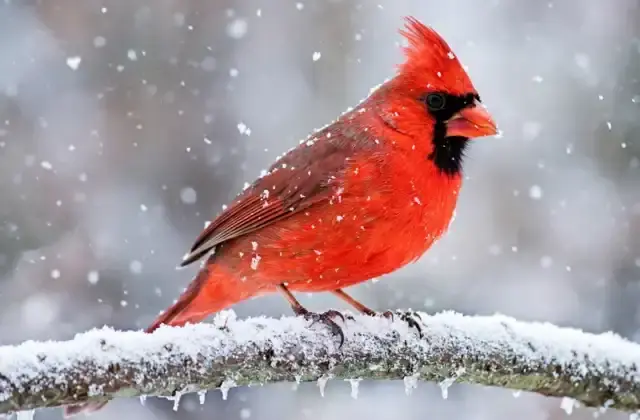
Oats work best as a winter supplement: roughly 12% protein with slow-release carbohydrates that keep birds fuelled on cold nights. They suit sparrows, juncos, doves, cardinals, and jays, though goldfinches usually pass them by. Read on for the safe oat types, the right way to serve them, and the mistakes that turn a good food bad.
The Fast Answer
Raw and dry is the rule: scatter plain oats on a platform feeder or the ground and you are done. The most persistent myth about oats is that dry flakes swell dangerously inside a bird’s stomach. They do not. Wild birds process dry seeds and grains routinely, and feeding guidance rejects the swelling claim outright.
The genuine risks are narrower than most guides suggest. Processed oatmeal carries salt, sugar, and artificial flavourings that birds do not need. Cooked porridge clumps on beaks and spoils fast. Damp oats can grow mould. Get those three things right and oats are one of the simplest, cheapest foods you can offer.
Why Oats Work as Bird Food
Oats pack a useful nutrient profile for a seed-eating bird. Alongside roughly 12% protein, they contain B vitamins that support metabolism, plus zinc and magnesium, which play roles in feather growth and enzyme function. These are the same nutrients birds seek from natural grains and seeds, delivered in a cheap pantry staple.
The slow-release carbohydrate is the real selling point. Unlike simple sugars, which spike and crash, oat starches break down gradually and keep a bird fuelled through cold nights. In winter, small birds can lose a dangerous share of their body weight overnight simply by staying warm. A carbohydrate source that lasts matters in that context.
Oats also absorb and carry other nutrients well. When mixed into suet or peanut butter, they soak up fat and make it easier for birds to eat a balanced mouthful. This is one reason feeder-makers include oats in commercial suet blends alongside rendered fat and seed.
Finally, oats store well and cost little. A kilogram bag of plain rolled oats costs a fraction of premium wild bird seed and keeps for months in an airtight container. For feeders watching the budget, that makes oats one of the most economical ways to add variety through winter.
Which Oats Are Safe for Birds
Not every oat product belongs in a feeder. The safe ones are the plainest: rolled oats, old-fashioned porridge oats, and pinhead or steel-cut oats with nothing added. If the ingredient list shows only oats, it passes the test. AvianBliss’s guide to feeding oats to birds reaches the same conclusion: plain and uncooked is the rule.
Rolled Oats (Old-Fashioned Porridge Oats)
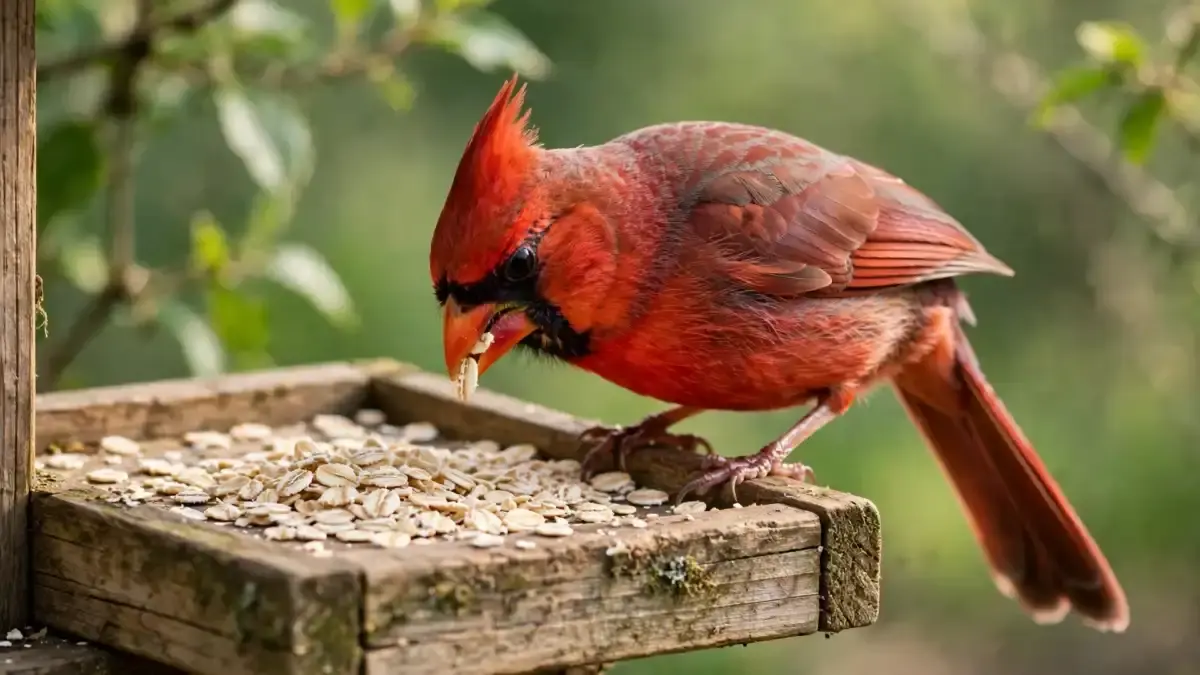
Rolled oats are the best all-round choice for backyard birds. The flattened flakes are easy for medium and small birds to pick up and eat. House sparrows, blackbirds, blue jays, northern cardinals, and starlings all take rolled oats without hesitation.
Steel-Cut and Jumbo Oats
Steel-cut and jumbo oat groats are larger and harder, which makes them better suited to medium and large birds such as mourning doves and pigeons. Smaller birds may peck at them but often abandon pieces that are too bulky. Breaking larger groats into smaller bits helps.
Pinhead Oats
Pinhead oats are cut into tiny pieces and suit small birds such as robins and wrens. They can also tempt pickier eaters like dark-eyed juncos. If your feeder traffic is dominated by small species, pinhead oats are a good match.
Oat Types Compared: Safe or Avoid
| Oat Type | Best For | Verdict |
|---|---|---|
| Rolled oats (plain) | Most backyard birds | Safe: ideal everyday choice |
| Old-fashioned porridge oats (plain) | Most backyard birds | Safe: same as rolled oats |
| Pinhead oats | Small birds: robins, wrens, juncos | Safe: great for small species |
| Steel-cut / jumbo oats | Medium and large birds: doves, pigeons | Safe: break up for smaller birds |
| Cooked plain porridge | Occasional supplement | Use with care: sticky, spoils fast |
| Instant oatmeal packets | None | Avoid: salt, sugar, artificial flavourings |
| Flavoured oatmeal (apple cinnamon, etc.) | None | Avoid: added sugars and flavourings |

How to Serve Oats Safely
Raw, dry oats are the best way to offer this food. Follow these steps and oats become one of the simplest, cheapest feeder foods you can put out.
- Choose plain oats with a single ingredient and nothing added.
- Scatter a small handful on a platform feeder, a feeding tray, or open ground.
- Start small: a quarter cup is plenty for one feeding station, since oats are a supplement.
- Watch which species show up over two or three days, then adjust the mix toward your visitors.
- Remove any uneaten oats after two to three days and replace with fresh.
Dry Oats vs Cooked Porridge
Always favour dry oats. Cooked porridge can be served only if it is completely plain and cooled to room temperature, and even then it is a second choice. Warm or sticky porridge clumps on beaks, cakes around the face, and spoils far faster than dry flakes. If you do offer it, put out only a small amount in mild weather and clear leftovers within hours.
Oats in Homemade Suet
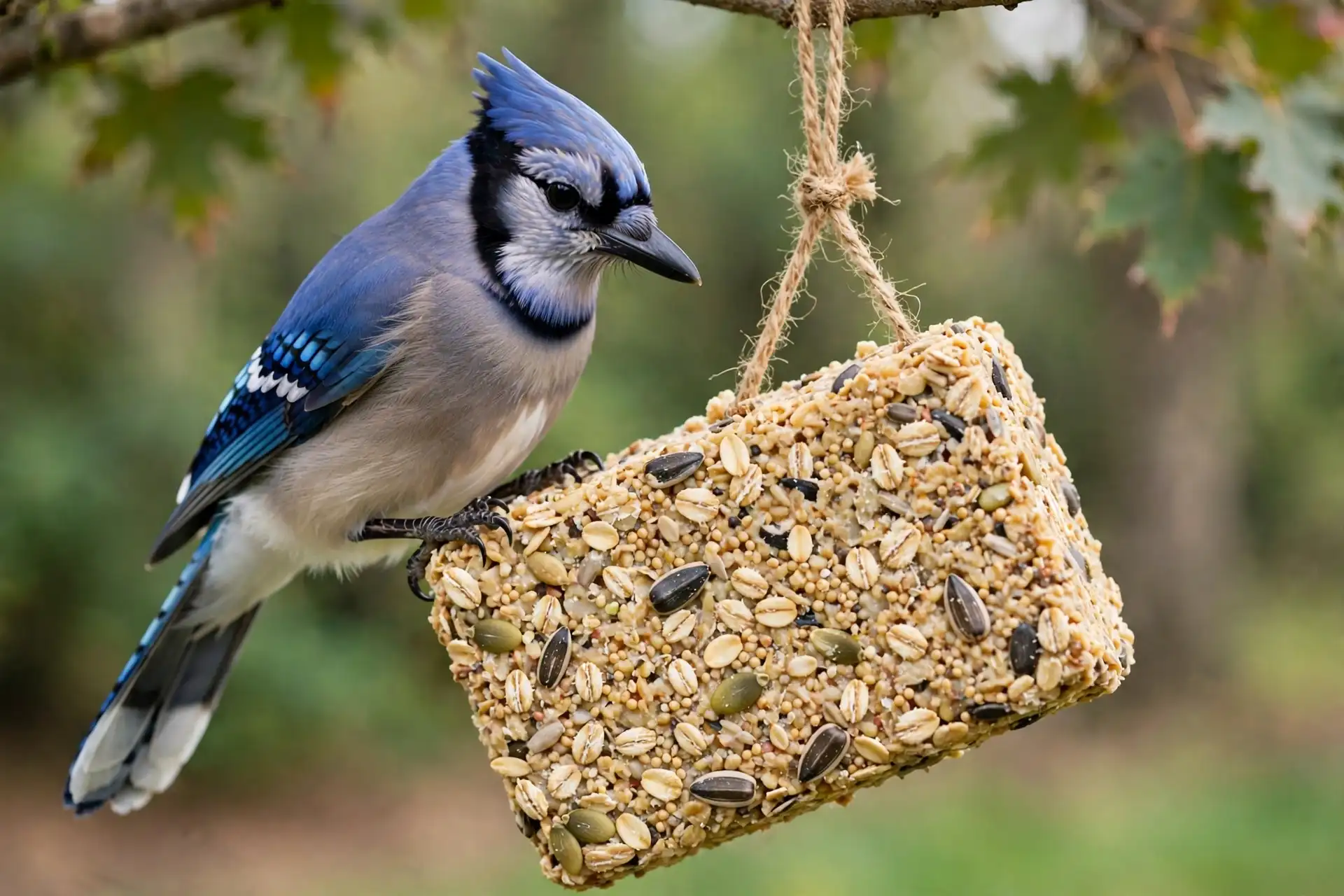
Oats shine as a binder in homemade suet. Mix plain oats with an unsalted fat such as unsweetened peanut butter or rendered suet, then stir in seeds. The oats absorb some fat and give the block structure. A full method is in our guide on how to make suet for birds, and Birdfy’s detailed oat-treat recipe shows another simple way to combine oats with peanut butter for winter feeding.
Portions and Timing
Oats are a supplement, so portion control keeps your feeder balanced. A quarter cup of dry oats per feeding station per day is plenty for a typical suburban garden. Larger flocks of doves and sparrows may finish that in an hour; smaller stations can stretch it across the day.
Feed oats most heavily in winter and during spring and autumn migration. These are the periods when natural food runs thin and birds face the highest energy demands. In breeding season, cut back: nesting birds need the protein and fat from insects and suet to raise chicks, and oats cannot carry that load alone.
Rotate oats with other foods rather than offering them continuously. A weekly rhythm works well: oats on a platform tray two or three days a week, seed and suet on the others. Rotation keeps visiting species interested and prevents any single food from dominating the diet.
Serving Ideas Beyond the Tray
Ground Scattering for Ground Feeders
Juncos, mourning doves, and towhees prefer to eat off the ground. Scatter pinhead or rolled oats under shrubs or near cover where ground feeders feel safe. This simple approach often draws more species than a raised feeder filled with the same oats.
Oat and Seed Mixes
Blend rolled oats into your regular seed mix at a ratio of roughly one part oats to three parts seed. The oats add bulk and nutrition without costing much, and the familiar seeds encourage cautious birds to sample the unfamiliar flakes. Watch what gets eaten first and adjust the ratio next time.
Fat Balls with Oats
Roll a mixture of peanut butter, plain oats, and seed into balls, then chill them until firm. Hang them in mesh feeders or from branches. Fat balls give clinging birds such as woodpeckers and chickadees a way to eat oats they would otherwise ignore on a tray.
Mistakes to Avoid
Instant and Flavoured Packets
Most oat problems come from the processed products, not the grain itself. Instant oatmeal packets look convenient, but they carry salt, sugar, artificial flavourings, and sometimes dried fruit mixes that birds do not need. Flavoured varieties such as apple cinnamon are worse: extra sugar plus added flavouring compounds.
Sticky Cooked Porridge
Warm porridge clumps around beaks and can harden as it cools. Birds have been seen struggling with pasty residue glued to their faces. If you ever serve cooked oats, wait until they are completely cold, offer only a spoonful, and clear the remains the same day.
Oatmeal for Baby Birds
Never feed oatmeal to baby birds or nestlings. A nestling’s developing digestive system cannot handle dry grains, and human-supplied food is never a substitute for what parent birds provide. If you find a fallen nestling, contact a licensed wildlife rehabilitator rather than offering any food.
Poor Storage and Dirty Feeders
Hygiene matters as much as the oat type. Damp or mouldy oats can grow Aspergillus, a fungus that causes serious respiratory disease in birds. Store oats in an airtight container in a dry place, never put out food that smells musty or looks clumped, and clean your feeders regularly with a 10% bleach solution soak, rinsing thoroughly afterwards.
When Oats Matter Most
Oats earn their place in the feeder during cold snaps and migration. Winter birds burn extra energy overnight just to stay warm, so a morning scatter of oats gives them quick, steady fuel. Migrants passing through also benefit from carbohydrate-rich food that does not require a long stop to process.
In milder months, treat oats as one option in a varied buffet alongside seed, suet, and fresh water. Birds need dietary variety, and oats cannot replace the fats and nutrients in specialised foods. Our winter feeding guide explains how to build that balance through the cold season.
Which Birds Actually Eat Oats
Oats are broadly accepted, but some species take to them faster than others. Expect regular visits from house sparrows, dark-eyed juncos, mourning doves, blackbirds, blue jays, northern cardinals, and starlings. Goldfinches, by contrast, rarely prefer oats and usually keep to nyjer and sunflower seed.
Do not be surprised if the first scattering sits untouched for a day. Birds are cautious about unfamiliar food, and it often takes two or three offerings before a species decides oats are worth eating. Blue jays tend to investigate quickly, while starlings arrive in noisy flocks once one brave bird has approved the new item. If you wonder whether a different grain suits your visitors better, our article on whether birds can eat rice covers another common kitchen staple.
What to Watch at the Feeder
Oats are cheap, which makes them attractive to more than birds. Squirrels, mice, and rats will happily clean up spilled oats, so scatter only what birds will eat in a day. Sweep up husks and uneaten flakes each evening to keep night visitors away.
Rain is the other enemy. Oats swell and turn mushy when wet, then spoil within a day. Use a platform feeder with a roof or bring the tray under cover when rain is forecast. If oats get soaked, discard them and start fresh rather than waiting for them to dry out, since mould can start before the flakes feel wet.
Pay attention to how long a serving lasts. If oats sit untouched for three days, the mix, the placement, or the season is wrong. Try ground scattering instead of a tray, switch to pinhead oats for small birds, or pause until colder weather. The best feeder menu is the one your local birds actually eat.

Frequently Asked Questions
Can birds eat raw uncooked oats?
Yes. Raw, dry oats are actually the best choice for wild birds. They are easy to eat, do not clump, and stay fresh on a feeder tray far longer than cooked porridge. Scatter them on a platform feeder or the ground.
Will dry oats swell up in a bird’s stomach?
No. This is a persistent myth, and wild bird feeding guidance rejects it. Birds routinely eat dry seeds and grains without issue, and oats behave no differently. Keep portions small and the oats plain, and there is nothing to worry about.
Can birds eat instant oatmeal?
No. Instant oatmeal packets contain salt, sugar, artificial flavourings, and sometimes dried fruit that are unsuitable for birds. Only plain oats with no added ingredients are safe.
Are oats a complete diet for wild birds?
No. Oats are a useful supplement with around 12% protein and steady carbohydrates, but they cannot replace a varied diet of seed, suet, insects, and fresh water. Offer oats alongside other foods, never as the only item at a feeding station.
Can I give cooked porridge to garden birds?
You can, but only if it is completely plain and cooled to room temperature. Serve small amounts and clear leftovers quickly, because cooked porridge goes sticky and spoils fast. Dry oats remain the safer, simpler option.
Do oats attract specific bird species?
House sparrows, dark-eyed juncos, mourning doves, blackbirds, blue jays, northern cardinals, and starlings all eat oats readily. Goldfinches rarely bother with them. For dove-sized and larger birds, steel-cut or jumbo oats work well; for small birds, try pinhead oats.
How should I store bird-feeding oats?
Keep oats in an airtight container in a cool, dry place. Moisture leads to mould, and mouldy oats can grow Aspergillus, which causes dangerous respiratory infections in birds. Discard any oats that smell musty or look clumped.
Conclusion
Oats are a cheap, simple, and safe supplement for most backyard birds when kept plain and served dry. Offer small amounts on a platform feeder or tray, avoid processed packets and sticky cooked porridge, and keep everything clean and fresh. With that approach, oats become a reliable part of a winter feeding routine.