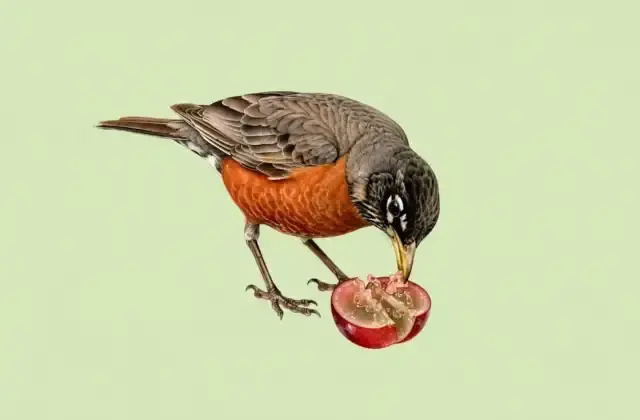

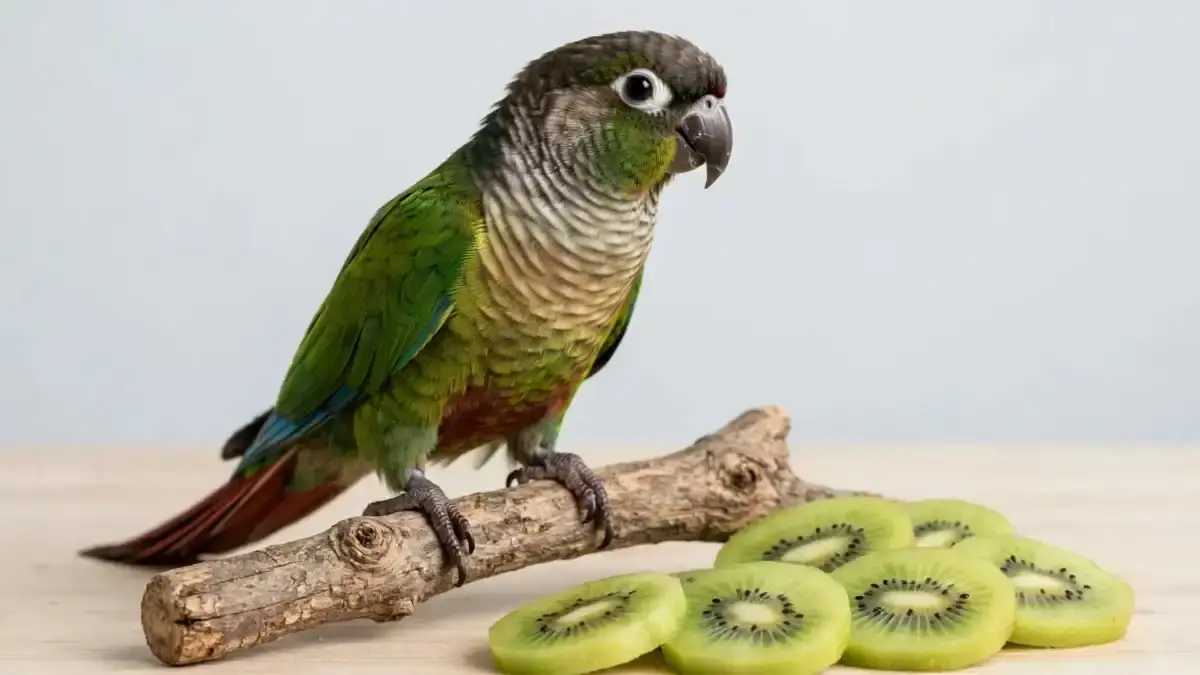
Yes! Kiwis are very suitable for birds as most fruit-loving birds will enjoy eating this. This is because the flesh is soft, high in vitamin C and easy to feed as the fuzzy skin can be peeled off. The seeds are also very small and safe to eat unlike fruits such as apples and cherries. Kiwis should be served ripe, peeled and fresh. They should only be fed in small amounts and should never be dried or sweetened. If these things are done then kiwis can be a great source of hydration for your parrots, orioles, waxwings and many backyard birds.
The Short Answer: Flesh Yes, Skin Off, Seeds Fine
Ripe kiwi can be fed to most pet and wild birds as long as it is served fresh, peeled and cut into small pieces. It is non-toxic, featured on avian veterinary safe-food lists, and is a natural food for fruit-eating species that already eat soft, pulpy fruit in the wild. The concerns are around how it is prepared and the amount fed, not about the fruit itself.
The only part that needs any processing is the skin. While the skin isn’t poisonous, the fuzzy coat is very fibrous and difficult to digest, and it can leave pesticide residue behind. Fortunately, peeling takes just a few seconds and solves this issue entirely. The seeds don’t need to be processed. They’re very small and soft and free of the cyanide compounds that make apple and cherry seeds dangerous, so they’re safe for birds to eat.
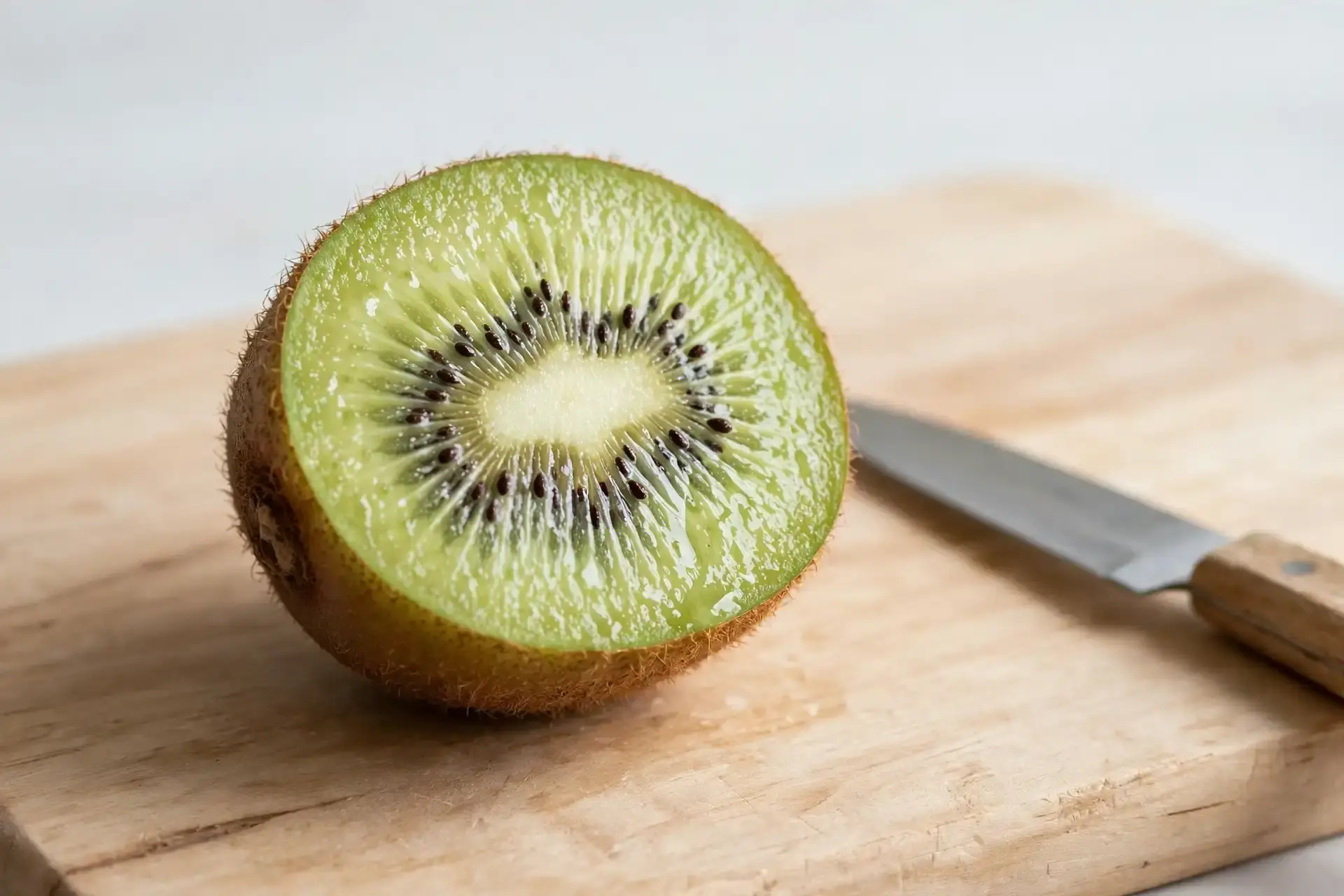
The flesh and seeds are separated from the skin, and that’s it. Kiwi is one of the easiest fruits to serve because there’s no pit to dodge, no stone to avoid, and no complicated preparation involved. All you need is a peeler and a knife.
Why Kiwi Is Worth Offering
Kiwi can be a great treat to add to your bird’s rotation due to it being very nutritious. Kiwi is extremely high in vitamin C and contains vitamin K, potassium, folate, fiber and antioxidants. Vet-reviewed guides for parrots confirm that kiwi can be a safe and nutritious treat when served in moderation. Kiwi is also very high in water content (around 83%), so it can help hydrate your bird. This can be a great treat on hot days or for those who are reluctant to drink.
The soft texture of kiwi means older birds, those with beak injuries or small species who have difficulty eating harder foods can eat ripe kiwis. The sweet and tangy taste will help with fussy eaters too. Often the first thing birds who won’t eat more bland foods will try is kiwi. This makes kiwi a great starter fruit if you want to get your birds eating more than just seed.
Kiwi gives variety. A diet consisting of just one or two foods will lack nutrients and bore your bird. By varying the kiwi with other safe fruits such as mango and strawberries you can keep things interesting. Fruit shouldn’t be the main food but if you are going to give your bird some treats then kiwi is one of the better options.
Every Part of the Kiwi, Judged
Not every part of a kiwi deserves the same treatment. The table below settles each one, so there is no guessing at the cutting board.
| Part | Safe for birds? | What to do |
|---|---|---|
| Ripe flesh | Yes | Peel, cut into small pieces, serve fresh. |
| Skin | Best removed | Not toxic, but tough and hard to wash clean; peel it off. |
| Seeds | Yes | Tiny and safe; no need to remove them. |
| Unripe flesh | Avoid | Hard and sharply acidic; wait until the fruit yields gently to pressure. |
| Golden kiwi flesh | Yes | Sweeter and less acidic than green kiwi; serve the same way. |
There are two points to note here. First, the seed issue is surprising. In general seeds should be removed from fruit. However, kiwi fruit is an exception. Avian vets confirm that kiwi fruit, seeds included, is on lists of safe foods for parrots. Second, the ripeness is more important than the type. Both green and golden kiwis are safe. However, if they are unripe they will be firm and sour and are likely to give your bird an upset stomach, so make sure they are ripe.
How to Serve Kiwi, Step by Step
Serving kiwi well takes about two minutes. Follow these steps and the fruit is ready for any bird, from a budgie to a macaw.
- Wash the fruit thoroughly under running water. Even though you are going to peel the fruit, you want to avoid any dirt or debris from getting onto the fruit.
- Remove both ends. Use a peeler or a small knife to remove the fuzzy skin.
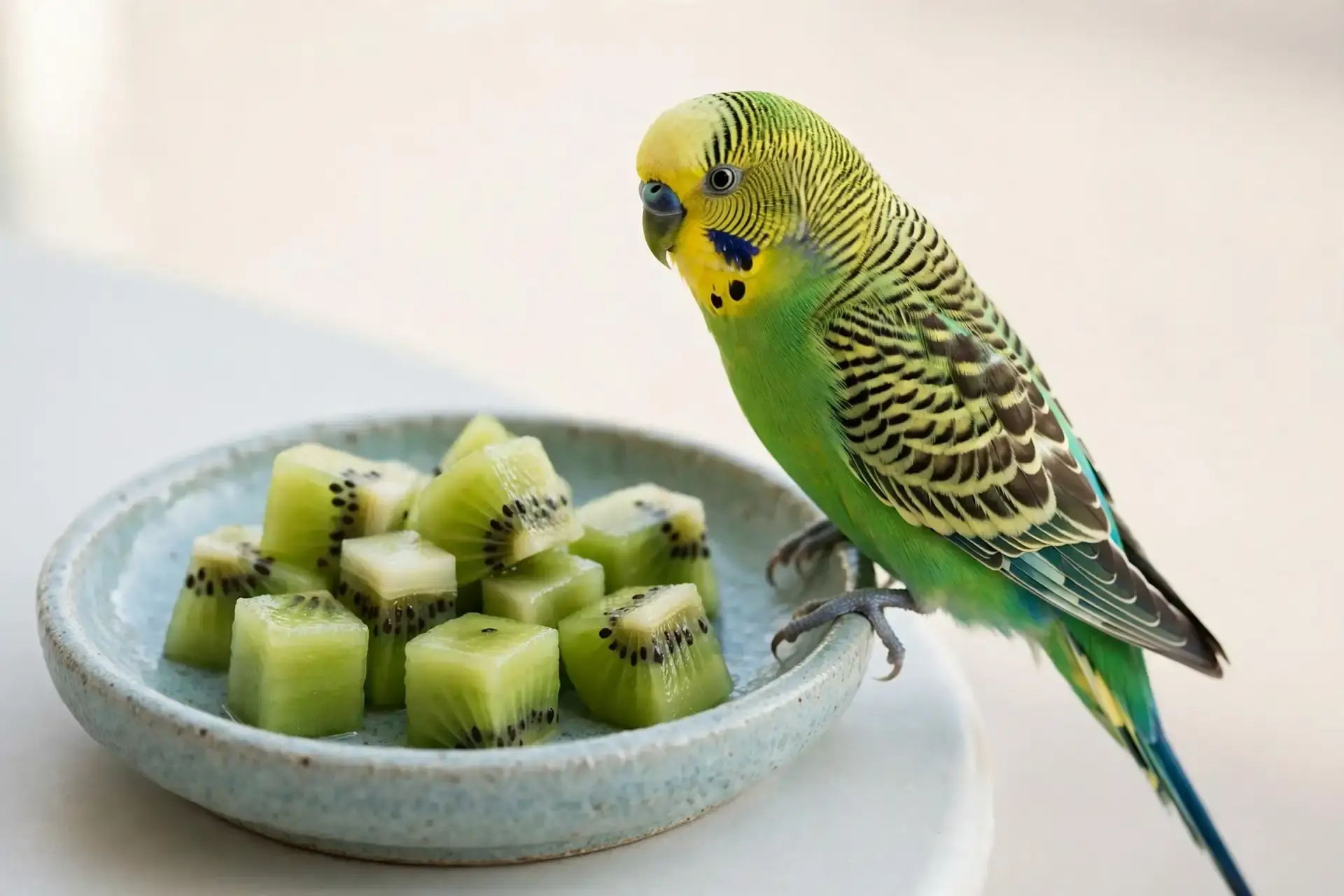
- Cut the flesh into pieces according to which bird you have. Budgies and finches like pea-sized cubes. Conures and cockatiels like thumbnail-sized chunks. Macaws and toucans can have larger pieces.
- Place the pieces in a clean dish or on a skewer. If you are mixing them into your bird’s chop, add them to the vegetables. Remove anything that has not been eaten within 2 hours. In warmer weather, remove sooner.
- Monitor your bird’s droppings for a day after offering them the fruit for the first time. If they are loose then they had too much or are still getting used to it. Next time offer less.
If your bird hasn’t tried kiwi before then start them off slowly. Offer one small cube on the first day. Some birds will jump in right away but others will need to see the fruit a few times before they feel comfortable eating it. It is best to leave a piece where the bird can investigate it at its own pace.
How Much Kiwi by Bird Size
The most common error will be portion sizes. Kiwi has a high sugar content. You should not feed too much, or too often, of a safe fruit. The table below can be used as a guide and can be adapted to suit the individual bird.
| Bird size | Examples | Serving | How often |
|---|---|---|---|
| Small | Budgies, finches, canaries | One pea-sized cube | Once or twice a week. |
| Medium | Cockatiels, conures, lovebirds | One to two teaspoons of cubes | Once or twice a week. |
| Large | African greys, Amazons, macaws | One to two tablespoons of chunks | Up to three times a week. |
Kiwi can also be used as an enrichment item. If you thread the cubes onto a stainless steel skewer, pop some in a foraging toy or hide them in leafy greens, it adds some extra work to the treat. This will keep their brain busy, and their beak working. The fruit will also take longer to eat as they have to work for it, which helps with portion control too.
This will be within the normal treat allowance. The fruit should form around 10 to 20 percent of your bird’s daily diet. You need to consider how active your bird is. If your bird is flighted and active, it will burn more energy and can have more at the higher end of its range. If your bird is very sedentary and lives in a small cage they should be at the lower end. During molting periods many birds eat more fruit as they require more nutrients, however this should still be kept to a small percentage. Pellets or good quality seed mix with vegetables should still be the main source of nutrition. If your bird is becoming full from eating kiwi and not eating their staple food then they are having too much.
Kiwi Forms to Avoid
Fresh, ripe kiwi is the only form worth offering. Every processed version adds a problem that the fresh fruit does not have.
- Dried kiwi: Drying concentrates the sugar and many commercial dried kiwis will also have added sugar or sulfur dioxide. This shouldn’t be fed to birds.
- Kiwi in syrup or canned kiwi: The syrup will have sugar added and canned fruit often has preservatives that shouldn’t be eaten.
- Kiwi juice: This removes fiber and concentrates the sugar. It will provide calories but not help with chewing or foraging.
- Kiwi-flavored snacks: Sweets, yogurt coatings, and flavored treats may not actually contain any kiwi fruit but just kiwi flavoring. They will also contain sugar, salt, or artificial additives.
- Unwashed, unpeeled kiwi: Skipping the wash and peel leaves pesticide residue on the one part of the fruit that is hardest to clean.
The rule is simple. The more natural and the closer to a basic ripe fruit it is, the better. If it has added sugars, salts, preservatives or flavorings then it should be left in the cupboard.
Wild Birds and Kiwi
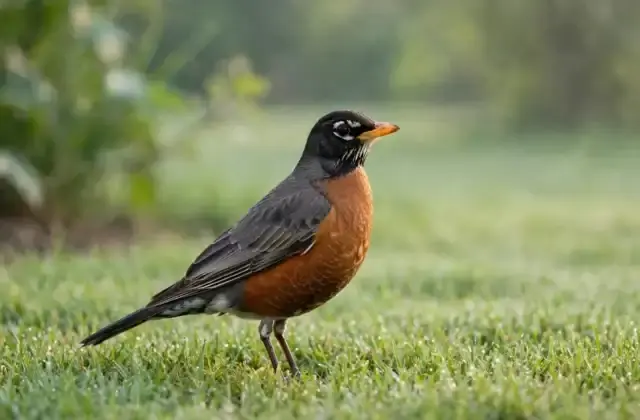
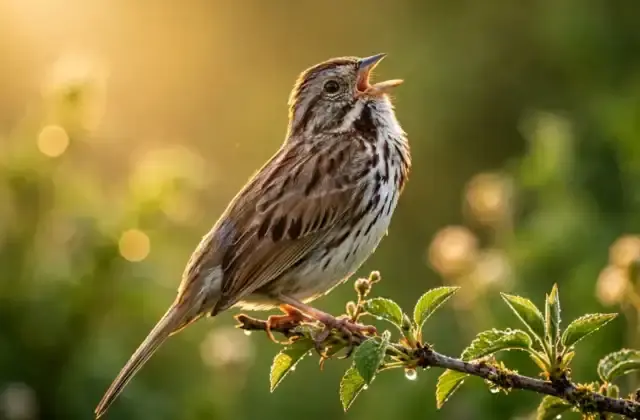
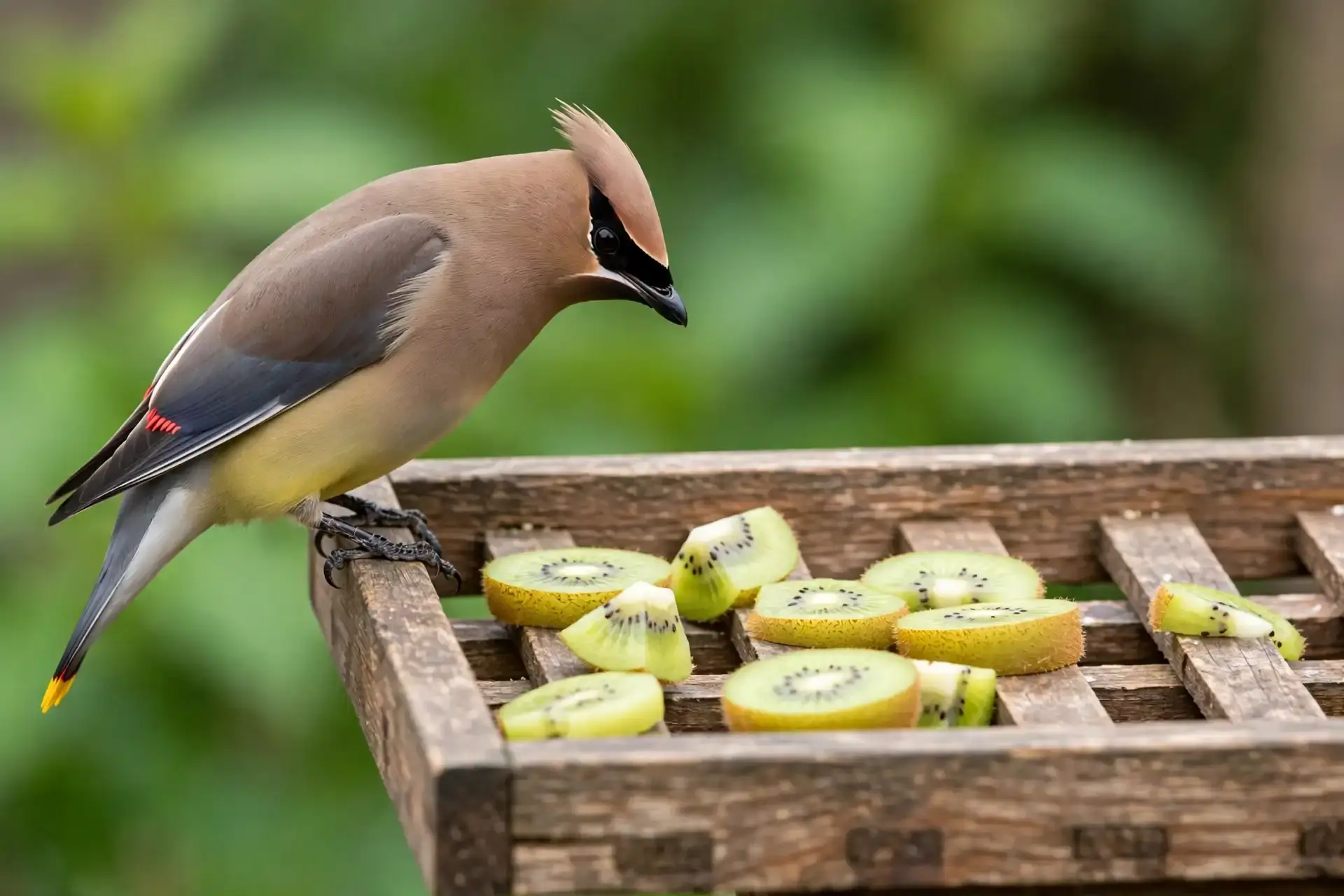
Wild birds can also enjoy kiwi. The audience is less broad than with pet birds but fruit-eating visitors such as orioles, waxwings, robins and starlings will enjoy eating the soft fruit from a feeder, especially during the winter when natural sources are scarce. PetsRadar lists peeled kiwi among the safe treats birds can eat besides bird food. Seed-eating birds such as finches and sparrows will usually have little interest in kiwi. This is normal, not a sign that something is wrong with the fruit.
Kiwi can be offered on a platform feeder or fruit spike. Use peeled, diced pieces and ideally place them near other fruit the birds already visit. Feed only enough to be eaten within a few hours, and clear the feeder daily. If fruit is left overnight it will start to ferment and become moldy, attracting wasps and rodents. This causes hygiene issues for all the birds using the feeder.
A common misconception is that the kiwi bird (New Zealand’s flightless national bird) eats kiwi fruit. It probes the soil for worms and insects. The shared name is a coincidence, and no wild kiwi bird will ever meet a kiwi fruit at a feeder.
Which Birds Should Skip Kiwi
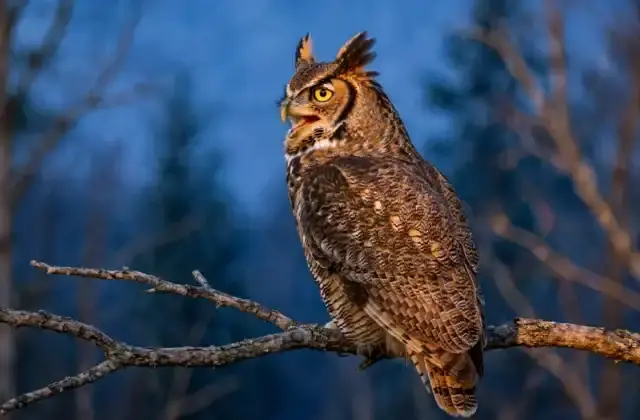
Most birds are able to eat kiwi, however some species should avoid eating it. Raptors such as hawks and owls are carnivores, and fruit plays no part in their diet. Strict insect eaters such as swallows and swifts will not recognize fruit as food at all. Nectar specialists such as lorikeets need a liquid nectar-based diet, and solid fruit can upset their digestion.
Your bird’s individual health may also need consideration. If your bird has diabetes or kidney issues, they should not eat high-sugar fruits unless an avian veterinarian advises otherwise, since the sugar load can worsen their condition. Baby birds are another exception: nestlings need protein-rich food from their parents or a rehabilitator, and fruit has no place in their diet until they are weaned and eating solid food independently.
If you’re unsure, ask an avian veterinarian before adding a new food, especially for a bird with a known health condition. It’s easy to ask a quick question during a check-up to avoid getting the diet wrong and causing problems that could take weeks to correct. For a broader sense of what to keep away from birds entirely, see the guide to toxic foods for birds.
Frequently Asked Questions
Can birds eat kiwi skin?
The skin is not toxic, but it is best removed. The skin is tough and unpleasant to most birds, and hard to wash free of pesticide residue. Peeling takes a few seconds and removes the only real risk the skin carries.
Are kiwi seeds safe for birds?
Yes. Kiwi seeds are very small, soft, and free of the toxic compounds found in apple and cherry seeds. The seeds can be eaten by birds along with the flesh. They don’t need to be removed.
Can budgies eat kiwi?
Yes, but only a little. A single pea-sized cube, peeled and ripe, once or twice a week is plenty for a budgie. Watch out for loose droppings after the first taste, which usually means the portion was too large.
Can baby birds eat kiwi?
No. Nestlings need a protein-rich diet suited to their growth, and fruit is not suitable for them. Kiwi should be offered to young birds only once they are fully weaned and eating solid food on their own.
How often can birds eat kiwi?
Most birds will be fine eating kiwi once or twice a week, and large parrots can have it up to three times. Kiwi is a treat, not a staple, and fruit overall should stay near 10 to 20 percent of the daily diet.
Is golden kiwi safe for birds?
Yes. Golden kiwi is sweeter and less acidic than green kiwi, and it is served exactly the same way: ripe, peeled, and cut into small fresh pieces.
Conclusion
Kiwi can be a safe, healthy and easy treat for most birds. As long as it is ripe, peeled and fresh, the flesh and tiny seeds are fine, and the skin comes off. Keep the portion small. Serve it once or twice a week alongside a balanced staple diet, and clear away leftovers promptly. Skip it for raptors, nectar specialists, and unweaned chicks. Handled that way, a humble kiwi adds color, hydration, and variety to a bird’s week.