Skip to content

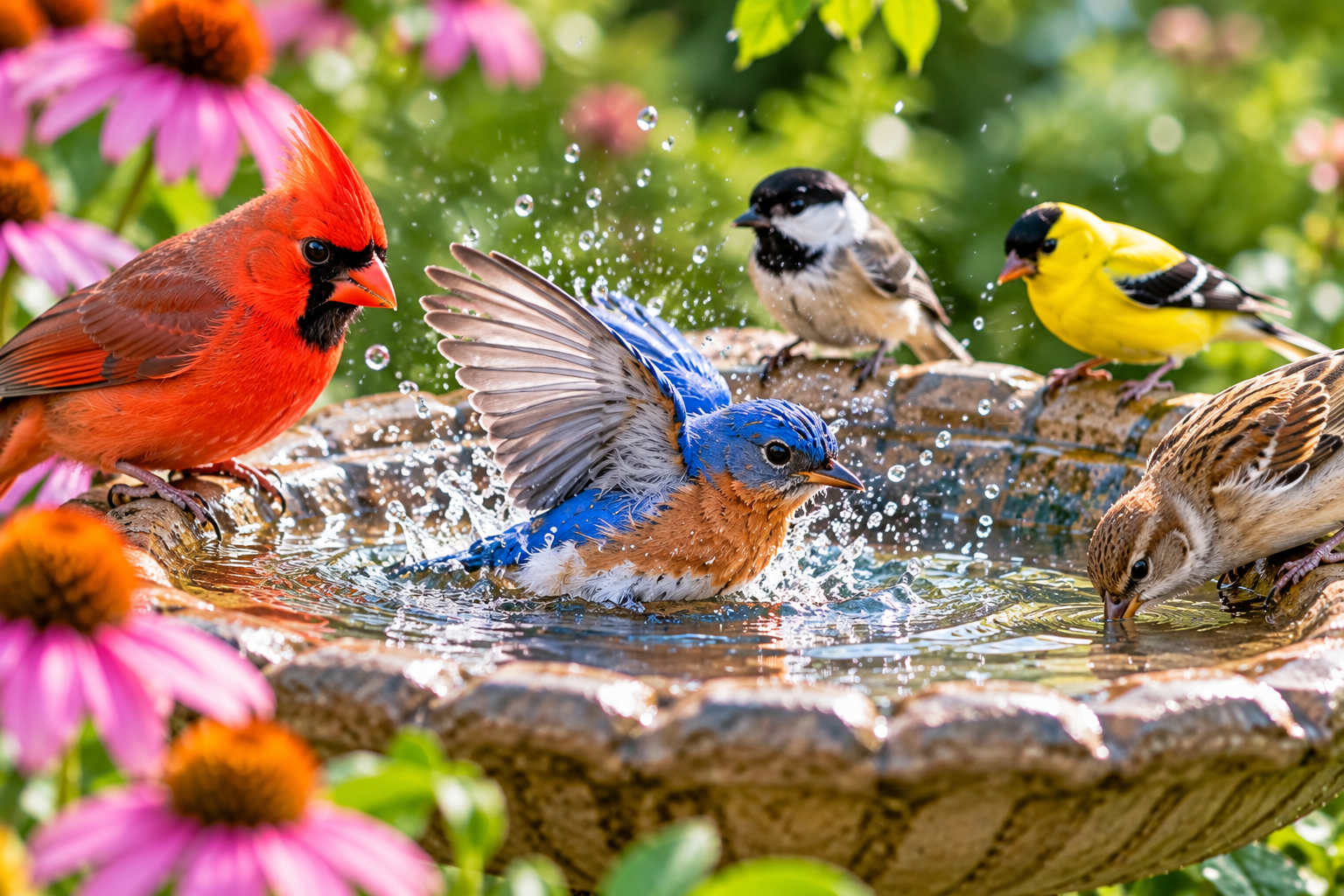
Water brings more birds into a yard than seed does. A feeder appeals to a narrow set of species that eat what you’re offering; open water appeals to every bird that passes through warblers, thrushes, orioles, and woodpeckers that would never touch a tube feeder will drop in for a drink.
Birds need water for two separate jobs: drinking and bathing. Both matter year-round, and natural sources dry up, freeze over, or sit too far from safe cover to be useful. A well-designed bird bath fills that gap.
The formula behind every successful setup is short and worth memorizing before you buy anything. Choose the right basin. Keep the water shallow. Place it where birds feel safe approaching. Clean it on a schedule. Inspect and repair it before small problems become expensive ones.
Everything that follows builds on those five points. Treat this as a bird bath setup and maintenance guide you can work through in order pick the bath, site it, fill it correctly, then settle into a cleaning rhythm you’ll actually keep.
What Is a Bird Bath and Why Do Birds Use One?

A bird bath is any shallow, stable container of clean water placed where birds can reach it safely. The design matters less than the depth and the sight lines.
Birds use water for four things. They drink it, because most species cannot survive long without a daily source — seed-eaters especially, since dry food gives them almost no moisture. They bathe in it, which loosens dust, dried skin, and parasites trapped in the plumage.
They preen afterward, working oil from the gland near the base of the tail through each feather; damp feathers accept that oil more readily, and clean, well-oiled feathers insulate and fly better. And in hot weather, wet plumage helps shed heat.
Species use water differently. Robins, jays, and starlings are enthusiastic splashers that empty a basin fast. Finches and sparrows prefer to stand at the rim and dip. Chickadees and titmice hit the water briefly and retreat to a branch.
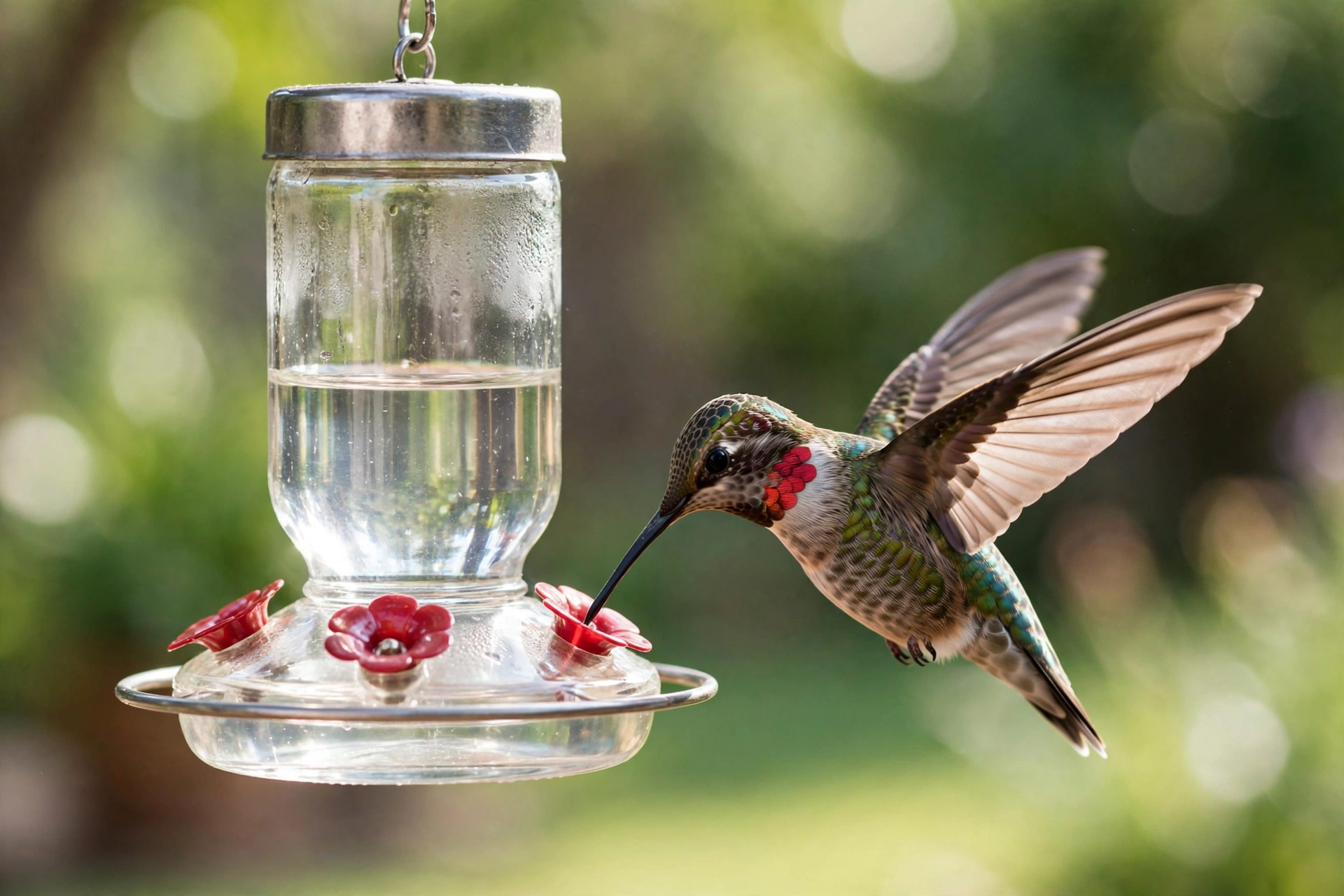
Hummingbirds rarely bathe in standing water at all they prefer to fly through a mist or brush against wet leaves. Doves drink by suction rather than tipping their heads back, so they need stable footing and a clear approach.
What Makes a Good Bird Bath?
The best bird baths share four features, and none of them are decorative.
- A shallow basin with a gentle slope. Birds wade in from the edge. A basin that drops off sharply gives them nowhere to stand, so they perch on the rim, drink, and leave without bathing. A gradual slope from the rim toward a shallow center creates a range of depths in one bowl, which lets a chickadee and a robin use the same bath.
- A textured, non-slip surface. Glazed ceramic and smooth molded plastic turn slick the moment they’re wet, and a bird that can’t grip won’t stay. Run your fingers across the inside of the basin before you buy. You want the feel of unglazed stone, brushed concrete, or lightly pebbled resin enough grit to catch a claw.
- Room to add rocks. Even a good basin benefits from a few flat, rounded stones set in the water. They give smaller birds secure footing, break up the surface so the bath doesn’t look like an open pool, and provide a dry perch for species reluctant to get their feet wet. Choose stones wide enough that they won’t shift under a landing bird.
- A design you can actually clean. Deep decorative grooves, narrow fluted channels, and tight corners collect droppings and algae you’ll never scrub out. A plain, open, bowl-shaped basin with a smooth curve where the wall meets the floor takes about a minute to scrub. Complicated basins take ten, which means they get cleaned less often.
Weight matters too. A bath heavy enough to resist wind won’t tip on a bird mid-bath.
Where Should You Put a Bird Bath?
Placement decides whether birds use the bath at all. A perfect basin in the wrong spot sits empty all season.
- Give birds a clear view. A bathing bird is vulnerable — wet feathers slow takeoff, and a bird with its head down can’t watch for cats or hawks. Site the bath in open ground where an approaching predator has nowhere to hide. Avoid setting it directly against a dense shrub, a fence line, or tall grass that a cat can crawl through unseen.
- But keep escape cover in range. Open doesn’t mean exposed. Birds want a branch or shrub roughly ten to fifteen feet away — close enough to reach in one flight, far enough that nothing can ambush them from it. That nearby perch also gives them somewhere to preen and dry off.
- Balance sun and shade. Full sun all day heats the water, accelerates algae, and evaporates the basin by afternoon. Full shade under heavy tree cover keeps the water cold and drops leaves and sap into it. Dappled light or morning sun with afternoon shade is the sweet spot.
- Mind the distance from feeders. Bird bath placement near feeders is a common mistake: hulls, husks, and droppings blow straight into the water and foul it within a day. Set the bath several feet off to the side so birds can move between the two without the debris following. Under a tree that constantly drops seeds or berries is the same problem.
- Pick the right style for the site. Ground-level baths mimic puddles and attract doves, towhees, and thrushes, but they’re the most exposed to cats. Pedestal baths raise birds out of reach and suit open lawns. Hanging baths work where ground space is short, though they sway and spill. Deck-mounted baths clamp to a railing and bring birds close to a window.
Whichever you choose, know how to stabilize a bird bath before you fill it: set the base on a paving stone or compacted level ground, not soft soil, and rock the basin with one hand to confirm it doesn’t shift.
How Deep Should a Bird Bath Be?
The ideal bird bath water depth is 1 to 2 inches at the deepest point shallower still, around half an inch, at the sloped edges where small birds enter.
That depth is not arbitrary. A bathing bird needs to stand on the bottom with its belly in the water and its head clear. Deeper water forces it to swim, which songbirds cannot do. Waterlogged feathers add weight and cost the bird the quick escape it depends on.
Deep basins also drown fledglings and, less dramatically, simply go unused birds inspect the water, judge it unsafe, and move on. Most decorative baths sold at garden centers are too deep as designed. Fix that instead of returning them.
Set flat stones across the floor of the basin to raise the standing surface. Drop in a layer of clean pea gravel. Or place a shallow terra-cotta saucer inside the oversized bowl and fill only the saucer. Each approach creates graduated depth: shallow at the edge, slightly deeper toward the middle, with visible footing throughout.
Check the level every time you refill. Evaporation and splashing shift it fast.
How to Clean a Bird Bath
Standing water fouls quickly. Droppings, shed feathers, seed hulls, insects, and dust collect within hours, and warm sun turns the film into algae in a couple of days.
Dirty water spreads disease between birds, and a slimy basin becomes too slippery to stand on. Knowing how to clean a bird bath properly and doing it often is the single biggest thing separating a busy bath from an abandoned one.
- Dump the old water away from the base so runoff doesn’t soften the ground under the pedestal.
- Scrape out solids — leaves, hulls, feathers, droppings — with a stiff brush or plastic scraper before adding any liquid.
- Scrub the dry basin with a dedicated stiff-bristled brush, working the walls, the floor, and the seam where they meet. Most light grime comes off with friction alone.
- Attack algae with the brush first. Green film releases under mechanical scrubbing; reach for a solution only where staining persists.
- Clean bird bath with vinegar when scrubbing isn’t enough: mix roughly one part white vinegar to nine parts water, pour it in, and let it sit fifteen minutes before scrubbing again. Vinegar cuts mineral deposits and algae without leaving a residue dangerous to birds.
- Rinse three times with clean water, tipping the basin out between rinses until you can’t smell vinegar.
- Refill to the correct shallow depth and reset any stones you removed.
Never use bleach, dish soap, or household cleaners in a bath you’re about to refill. Soap strips the oils from feathers, and bleach residue is toxic. If a stubborn stain forces a stronger product, scrub it, rinse until every trace is gone, then let the basin dry completely in the sun before refilling.
How to Maintain a Bird Bath
Change the water every one to two days even when it looks clean. Fresh water discourages mosquito larvae, which need several undisturbed days to develop, and it keeps the basin from building the film that becomes algae.
Tip out floating debris daily with a quick sweep of the hand or a dump-and-refill. Thirty seconds of attention most mornings eliminates most deep cleanings.
Inspect the structure monthly. Look for hairline cracks in concrete, a pedestal that has started to lean as the soil settles, loose bolts on a deck mount, and chipped glaze that exposes porous material underneath. Small cracks widen when water freezes in them, so repair or seal them before cold weather.
Step up the routine in hot weather. Water evaporates fast, algae multiplies in warm sun, and birds visit far more often — which means more droppings and more frequent refills. During a heat wave, check the level twice a day and top it up.
Keep the brush, a scraper, and a jug of vinegar together near the bath so nothing about the routine requires a trip indoors.
How to Make a Bird Bath
A do it yourself bird bath costs almost nothing and often outperforms store-bought models, because you control the depth.
The simplest version takes one item: a terra-cotta plant saucer, the wide shallow dish that sits under a pot. Set it on the ground, on a tree stump, or on an overturned pot, fill it with an inch of water, add two flat stones, and it’s finished. Trash can lids, old pie pans, ceramic serving platters, and shallow metal baking trays all work the same way.
For a pedestal version, stack three clay pots of decreasing size, run a bead of outdoor-grade adhesive between them, and glue the saucer on top. It’s an afternoon project with no tools.
More involved builds include casting a basin in concrete using a mound of damp sand and a rhubarb or hosta leaf as the mold, mounting a shallow dish on a length of galvanized pipe sunk in gravel, or mortaring a stone basin into an existing rock garden. Those take a weekend and some patience.
Whatever you build, keep it shallow, keep it textured, and keep it stable.
Bird Bath Fountain: Is Moving Water Better?
A bird bath fountain is any basin with a pump that circulates or agitates the wate such as a bubbler, a small spray head, a dripper, or a recirculating waterfall.
Moving water attracts birds from a distance. The sound carries and the glint of motion catches the eye in a way still water doesn’t, so a fountain often pulls in species that never noticed the plain basin. Circulation also slows algae growth and makes the water unusable for mosquito larvae, which need a still surface.
The trade-offs are real. Pumps clog with debris, fail without warning, and need a power source. A spray set too high soaks the surrounding area and empties the basin through evaporation and overspray. Some shy species are put off by strong motion.
Solar units avoid the cord entirely but stop the moment a cloud passes unless they include a battery. Solar bird bath fountain maintenance means keeping the panel clean and angled toward the sun, and pulling the pump weekly to rinse grit and algae out of the intake a clogged intake is the most common reason a solar fountain quits.
Concrete Bird Bath: Is It a Good Choice?
A concrete bird bath is the traditional choice for good reasons. It’s heavy enough that wind and large birds won’t tip it, the surface is naturally rough so birds get secure footing, and it holds a consistent water temperature through the day.
The drawbacks come from the same properties. Concrete is porous, so algae stains sink in and never fully scrub out. It’s brittle: water trapped in the material expands when it freezes and cracks the basin, which is why concrete baths must be emptied and stored or covered before winter. And moving one is a two-person job.
| Feature | Concrete | Plastic / Resin | Ceramic |
|---|---|---|---|
| Stability | Excellent | Poor unless weighted | Good |
| Grip for birds | Excellent | Fair, often slick | Poor when glazed |
| Freeze resistance | Poor — cracks | Good | Poor — cracks |
| Ease of cleaning | Fair, stains | Excellent | Excellent |
| Weight to move | Heavy | Light | Moderate |
| Lifespan | Long if wintered | Fades in UV | Long if protected |
Pick concrete for a permanent lawn installation, resin for a balcony or a bath you’ll move, ceramic for looks with stones added for grip.
Best Bird Bath Types for Different Yards
- Small yards. A single pedestal bath in the open center does more than two crowded baths against fences. Keep it modest in diameter so refilling stays quick.
- Large gardens. Run two or three baths at different heights one ground-level near a border, one pedestal in the open lawn, one with a dripper. Different species use different levels, and spreading them out reduces crowding and disease transmission.
- Balconies and patios. Use a deck-mounted or hanging bath, or a heavy resin dish on a plant stand. Weight is the limiting factor, and so is drainage: put a tray underneath to prevent splashing from soaking the neighbors below.
- Winter. Choose a heated basin or a freeze-resistant resin bowl with a submersible heater. Solar bird bath recommendations for cold climates come with a caveat, panels produce little on short, overcast days, so treat solar as a warm-season feature.
How to Keep a Bird Bath Clean and Algae-Free
Algae needs sunlight, warmth, and still nutrient-rich water. Remove any one and growth slows dramatically.
Shade is the easiest lever. Move the bath so it catches morning sun and afternoon shadow, or site it where a shrub or overhang blocks the hottest part of the day. A bath in full midday sun will green over roughly twice as fast as one in dappled light, and no cleaning schedule fully compensates.
Keep organic matter out. Seed hulls, fallen berries, and leaves feed algae as they break down, which is another argument for keeping the bath away from feeders and out from under fruiting trees.
For mosquitoes, motion is the answer. Change the water every couple of days, or install a small solar bubbler or dripper. Larvae cannot complete development in water that’s disturbed or dumped regularly. Skip chemical algaecides entirely birds drink this water.
How to Protect Birds Using Your Bird Bath
Run through this list once when you install the bath and again each season.
- Open sight lines. No dense cover within a few feet where a cat can wait unseen.
- Escape perch nearby. A branch within one short flight, not so close that predators can leap from it.
- Shallow water. An inch or two at most, with stones for footing and no sudden drop-off.
- Stable base. The bath does not rock when pushed. A tipping pedestal injures birds and breaks basins.
- Clean water. Changed every day or two, scrubbed weekly, free of droppings and floating debris.
- No chemicals. No soap, bleach, antifreeze, or algaecide left in the basin.
- Window distance. Site the bath either very close to glass or well beyond twenty feet, since collisions happen most at intermediate distances where reflections look like open sky.
- Cats indoors during peak bathing hours, or a collar bell at minimum.
Bird Bath Maintenance Schedule
- Daily: Check the water level and top it up. Sweep out floating leaves, feathers, and hulls by hand.
- Every one to two days: Dump the water completely and refill with fresh. In hot weather, do this twice a day.
- Weekly: Scrub the basin with a stiff brush, rinse thoroughly, reset the stones. Pull and rinse any pump or solar intake.
- Monthly: Deep clean with a diluted vinegar soak. Inspect for cracks, leaning pedestals, and loose hardware. Check that the base still sits level.
- Seasonally: Empty and store porous baths before the first hard freeze, or switch to a heated setup.
Common Bird Bath Mistakes to Avoid
- Water too deep. The most frequent error, and the one that keeps birds away entirely. Add stones.
- Slick surface. Glazed decorative bowls look good and offer nothing to grip.
- Placed against cover. A bath backed into a hedge is a cat trap.
- Placed directly under a feeder. Hulls and droppings foul the water within a day.
- Unstable base. Soft soil under a heavy pedestal means a slow lean and eventual tip.
- Cleaned with soap or bleach. Both strip feather oils or leave toxic residue.
- Left full over winter. Freezing water splits concrete and ceramic.
- Filled and forgotten. Stagnant green water is worse than no water it breeds mosquitoes and spreads disease among the birds that do visit.
How to Attract More Birds to Your Bird Bath
- Add sound. A dripper — even a bucket with a pinhole suspended above the basin produces the steady plink that draws birds from beyond the yard. Misters work for species that bathe in foliage rather than open water.
- Add perches. A bare branch propped near the bath gives arriving birds a place to survey the area before committing and a spot to preen afterward. Birds that can’t scout the approach usually don’t land.
- Plant native. Native shrubs and grasses near the bath supply insects, berries, and cover in one package, and they pull in species that ignore feeders completely.
- Be patient and consistent. A new bath can sit untouched for a week or two. Birds learn locations by repetition, so keep it filled and clean while they find it.
Can Birds Use a Bird Bath in Winter?
Birds need water more in winter, not less. Snow is a poor substitute melting it costs body heat they can’t spare and natural sources freeze solid. An open bath in January often draws heavier traffic than the same bath in July.
The practical bird bath winter care tips come down to three things. Use a heated bath or a submersible heater rated for bird baths, which keeps water just above freezing rather than warming it. Switch porous concrete and ceramic basins out for freeze-resistant resin or metal, or empty and store them. And lower the water slightly, since shallow water is easier to keep open.
Never add antifreeze, salt, glycerin, or any chemical to stop the water freezing. All of them are toxic to birds, and glycerin coats feathers and destroys their insulation at exactly the moment birds depend on it most.
Frequently Asked Questions About Bird Baths
How deep should the water be?
Keep the water about 1 to 2 inches deep at the deepest point, with the basin gradually becoming shallower toward the edges. This depth works well for many common backyard birds because they can stand safely while drinking and bathing. If your bird bath is deeper than this, add flat stones, terracotta pieces, or clean gravel to create shallow areas and secure footing instead of replacing the entire bath.
How often should I clean a bird bath?
For best results, change the water every one to two days and give the basin a thorough scrub at least once a week. In hot weather, increase the cleaning frequency because warm, stagnant water can become dirty more quickly. You should also clean it more often if you notice algae, bird droppings, leaves, or other debris building up. Regular cleaning keeps the water more inviting and helps maintain a healthier bathing area.
Can I use bleach to clean a bird bath?
Bleach is generally best avoided for routine bird-bath cleaning because improper dilution or inadequate rinsing can leave residues. For normal maintenance, diluted white vinegar is a simpler option for removing mineral deposits, grime, and light buildup. If you use bleach on a heavily fouled basin, rinse it repeatedly and allow the bath to dry completely before refilling it. The basin should have no noticeable cleaning residue or odor when you put fresh water back in.
Is soap safe for cleaning a bird bath?
No. Avoid soap and household detergents when cleaning a bird bath. Residue can remain on the basin even after rinsing, and birds may come into direct contact with it while drinking or bathing. Soap can also interfere with the natural oils on feathers, which birds rely on for proper feather condition. Scrubbing with water and an appropriate non-detergent cleaning method is usually sufficient for routine maintenance.
What material is best for a bird bath?
The best material depends on your priorities and local weather conditions. Concrete provides excellent stability and is less likely to tip or move in strong wind. Resin is lightweight, portable, and convenient in areas where freezing temperatures are a concern. Ceramic can look attractive and works well when properly maintained, although some ceramic baths can be vulnerable to cracking during freezes. Regardless of material, prioritize a basin that is shallow, stable, easy to clean, and textured enough to provide secure footing.
Do birds prefer moving water?
Many birds are attracted to the sound, movement, and visibility of moving water, so a dripper, bubbler, or small recirculating feature can make a bath more noticeable. Moving water may also help reduce stagnation and can make the bath less favorable for algae buildup. However, you do not need a fountain or pump to attract birds. Fresh, clean, shallow water is perfectly suitable as long as you replace it regularly and keep the basin clean.
Should a bird bath be in sun or shade?
Partial shade is usually the most practical choice. A location with some morning sunlight and afternoon shade can help keep the water cooler during the hottest part of the day while reducing the rate of algae growth. Avoid placing the bath in a completely enclosed or heavily overgrown area where birds may have difficulty seeing approaching predators. The goal is a location that offers birds visibility, nearby cover, and relatively clean water.
How far should a bird bath be from a feeder?
Place the bird bath several feet away from a feeder rather than directly underneath it. Seed hulls, dropped food, and bird droppings can quickly contaminate the water when the bath sits directly below a feeding station. Keeping some distance between the two helps reduce debris and makes cleaning easier. A nearby location is still useful because birds can move between food, water, and cover without traveling too far.
Why aren’t birds using my bird bath?
If birds are ignoring your bath, start by checking depth, footing, water quality, and placement. The basin may be too deep or slippery, the location may be too exposed, or dense vegetation may give predators a place to hide nearby. Make sure the water is shallow, the surface provides traction, and the bath is easy for birds to see. Then give it time. Birds may not discover a new water source immediately, especially if other natural water sources are available nearby. Keeping the bath consistently clean and filled can help establish it as a reliable stop.
Do I need to empty a bird bath in winter?
Winter care depends on the bath’s material and your local temperatures. Porous concrete and some ceramic baths may need to be emptied and stored when freezing conditions are expected because water that freezes inside small pores or cracks can contribute to damage. In cold climates, a properly designed heated bird bath or safe bird-bath heater can keep water available when natural sources freeze. Always follow the manufacturer’s instructions for heated models and electrical components.
How do I keep mosquitoes out of a bird bath?
The simplest approach is to replace the water frequently and avoid allowing it to become stagnant for long periods. Emptying and refilling the basin every one to two days helps reduce the time available for mosquito larvae to develop. Keeping the basin clean and using a small bubbler or dripper can also reduce prolonged stagnation. Avoid adding chemicals or mosquito treatments to the water unless they are specifically designed and labeled for use around birds and drinking water.
Where is the best place to put a bird bath?
Choose a location that gives birds a clear view of the surrounding area while keeping the bath reasonably close to natural cover. Shrubs or trees nearby can provide escape routes, but the bath should not be surrounded by dense vegetation where predators could remain hidden. A stable, level surface is also important. Avoid placing the bath directly beneath a feeder or in an area where falling leaves and debris constantly collect.
Should I put rocks or stones in a bird bath?
Yes. Flat, clean stones can improve footing and create different water depths, especially if the basin is deeper than ideal. Place them securely so they cannot easily shift when birds land or move around the basin. Choose stones with rough or natural surfaces rather than smooth materials that may become slippery. Adding a few stable stones can make a deeper bath more accessible to smaller birds.
How can I make my bird bath more attractive to birds?
Focus on the basics before adding decorative features: fresh water, shallow depth, secure footing, cleanliness, and a safe location. A small dripper or bubbler can make the water easier for birds to notice because movement and sound attract atten
tion. Keeping the bath in a visible location near, but not surrounded by, natural cover can also help. Most importantly, maintain the water consistently so birds learn that the bath is a reliable source of fresh water.
Bird Bath Quick-Start Checklist
- Choose a shallow basin with a sloped floor and a textured surface.
- Set it on level, compacted ground or a paving stone; confirm it doesn’t rock.
- Site it in the open, with escape cover about ten to fifteen feet away.
- Keep it clear of feeders and overhanging fruit or seed.
- Fill to one to two inches; add flat stones for footing.
- Aim for morning sun and afternoon shade.
- Dump and refill every one to two days.
- Scrub weekly with a stiff brush; deep clean monthly with diluted white vinegar.
- Inspect for cracks and leaning each month.
- Empty, store, or heat the bath before the first hard freeze.
Final Thoughts
The formula holds no matter what your yard looks like: the right basin, shallow water, safe placement, regular cleaning, and honest maintenance. Get those five right and the bath works. Miss any one and it sits empty or, worse, becomes a health risk to the birds it was meant to help.
None of it is difficult. A minute most mornings and a proper scrub once a week keeps water available in every season. Do that consistently and the bath will out-earn any feeder in your yard, bringing in species that would otherwise pass straight overhead.