

Owl pellets are one of the best clues that birdwatchers can find. They are small oval packages of bones and fur that owls regurgitate after they have eaten. Each package contains information about what the owl ate the previous night.
If you carefully and safely dissect an owl pellet you can learn all about what the owl ate by looking at each bone individually. In this guide we will explain how owl pellets are formed, what they contain, how to find and dissect one, and what they can tell us about owls and their prey.
What Are Owl Pellets?
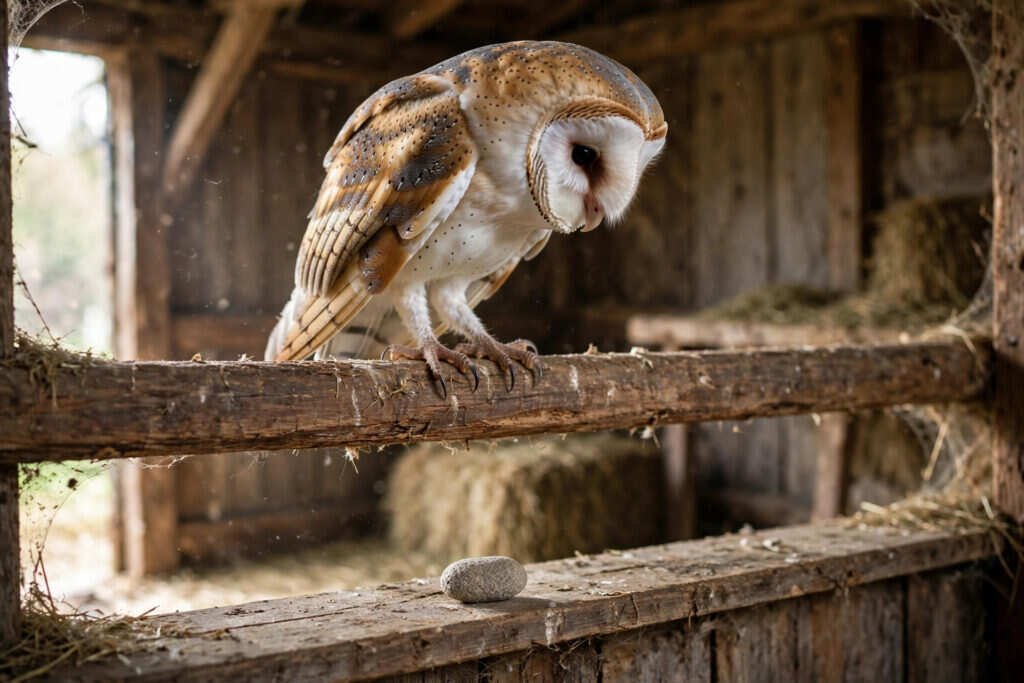
An owl pellet is a tight package of the parts of a meal that the owl cannot digest. Fur, feathers, bones, teeth, claws, and insect shells pass through the meal undamaged, get rolled into a bundle, and come back up through the mouth.
A pellet is not droppings. Droppings leave from the rear of the bird and are mostly liquid. A pellet leaves from the beak, hours after eating, and is dry, firm, and surprisingly clean to handle once it has dried out.
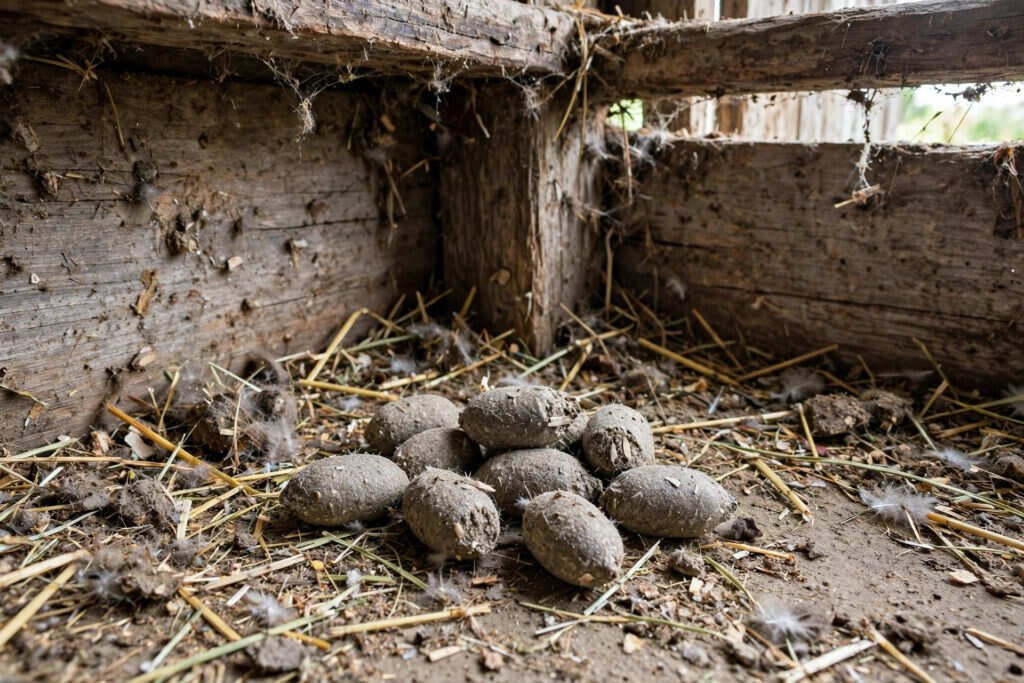
Fresh barn owl pellets tend to be dark gray or black and have a slight sheen. Older pellets will be light gray when dry and be more crumbly. They often form small clumps and can be found around a regular roosting spot. This short explanation gives you a basic understanding of what an owl pellet is. This guide will give you more detail on the diet, dissection and science.
The size of the pellet will depend on the species. Barn owl pellets will usually be thumb sized, around 4 to 7 cm long. Great horned owl pellets are larger. Small owls will have very small pellets, sometimes less than 2 cm.
How an Owl Pellet Forms
Owls swallow most prey whole. That single habit is the reason pellets exist, because a whole mouse arrives in the stomach with all of its hard parts still attached.
From Swallow to Stomach
Owls have no teeth and do not chew their food. Small prey are swallowed whole, headfirst. Larger prey are ripped into pieces but often the feet, skulls and long bones are swallowed whole.
The food goes into the first stomach. The digestive fluids in the stomach begin to break down the meat. Owls have weaker stomach acid than hawks and eagles. This means that the bones are much more intact. Owl pellets will have intact skulls whereas hawk pellets often have very little bone.
The Gizzard Does the Sorting
Once the soft components have been digested, the food is sent to the gizzard. This is a muscular second stomach and acts as a filter and compactor.
The digestible food continues through to the intestines. The indigestible parts such as fur, bone, teeth and claws are compacted and formed into a tight oval shape. Anything sharp is surrounded by a cushion of fur to protect the owl’s throat when it is regurgitated.
Cast Up Before the Next Meal
Once the pellet has been formed it is stored in the upper part of the digestive system until it is regurgitated. Usually this will happen between 10 to 20 hours after the owl has eaten. Most owls produce one or two pellets per day.
It is essential that the pellet is regurgitated as it would cause a blockage if they tried to eat again. Most owls will regurgitate their pellet before going out to hunt again. This makes daytime roosts the best place to find pellets as they will be resting, regurgitating and dropping them.
What Is Inside an Owl Pellet?
Inside a barn owl pellet there is lots of fur. But once you start picking the fur apart you will see what it really contains. There will be skulls, jawbones, leg bones, ribs and teeth from the animals the owl has caught.
A single pellet often holds the remains of more than one animal. A barn owl may eat three or four voles in a night, and the bones of several meals can end up packed together.
| Prey animal | What you find in the pellet | How to recognise it |
|---|---|---|
| Field vole | Skulls, jaws, leg bones, orange front teeth | Rooted molar teeth with a zigzag pattern, short tail bones |
| Wood mouse | Skulls, jaws, long tail vertebrae | Smooth molars, longer leg bones than a vole |
| Common shrew | Tiny skulls, red tipped teeth, fine bones | Very small skull, teeth stained reddish at the tips |
| Bank vole | Skulls and jaws, slightly smaller than field vole | Molars with rounder loops, common in hedgerow country |
| Small bird | Hollow bones, feathers, sometimes a beak | Very light bones, feather shafts among the fur |
| Frog or toad | Delicate bones, long thin leg bones, no fur padding | Bones feel fragile, pellet often looser and darker |
The teeth give the clue. Voles and mice will have very different molar patterns, and shrews have red-tipped teeth. Using a hand lens and a simple bone guide most pellets can be identified in a matter of minutes.
There is no soft tissue. The muscles, skin and organs have been digested. Earthworms which are often eaten by owls in wet weather leave little trace. So the pellets will tell you most of the story but rarely the whole story.
What Pellets Reveal About Owl Diet
The pellets are very good at preserving bones meaning that they give a good indication of what an owl population has been eating. Scientists will collect pellets from owl roosts during each season and count the number of skulls to track the menu.
For barn owls, the results are consistent across many studies. Voles usually dominate, often making up around half or more of the prey by number, with shrews and mice making up most of the rest. The exact mix shifts with habitat: rough grassland produces voles, while field edges and farm buildings add more mice.
Our guide to what owls eat covers the wider menu across species, from moths to rabbits. Pellet analysis is how much of that knowledge was gathered in the first place.
The number of pellets can give an indication of how healthy the countryside is. When vole numbers crash, the pellets will show a shift in diet to mice, shrews and even small birds. If rough grassland is lost to tidy fields, the pellet contents will change within a season or two, often before we realize the owls are struggling.
That makes pellets an early warning system. Conservation groups read them to judge whether a farm’s grass margins are working, whether a reintroduced owl population is feeding well, and how small mammal numbers rise and fall year to year.
Owl Pellets Versus Droppings and Hawk Pellets
There are three types of bird signs that often get mixed up. But if you know what to look for then they are easy to tell apart.
Owl pellets are dry, solid ovals found under roosts, made of fur and bone. Owl droppings, by contrast, are white splashes of liquid waste that streak walls and beams below a roost. If it splashes, it is droppings. If you can pick it up in one piece, it is a pellet.
Hawks, eagles and other daytime raptors will also leave pellets but they will look very different. As they have stronger stomach acids most of the bones will have dissolved leaving a pellet made up mostly of fur or feathers. This will be softer and fall apart quickly. Gulls, crows and herons will also leave pellets. These will usually be less compact and made up of lots of shells, seeds or fish remains.
Tawny owls and other woodland owls drop pellets under trees rather than in barns. Their pellets are often grayer and more crumbly than barn owl pellets, and they may contain more beetle cases and earthworm grit alongside the bones.
Where and How to Find Owl Pellets
Pellets can be found where owls roost. Look under barn beams, in corners of old buildings, under church towers, in hollow trees and on regular roosting branches in quiet woodland.
A whitewash of droppings on walls or the ground is the classic sign that an owl uses the spot. Pellets on the floor below complete the picture. Farm buildings used by barn owls often hold dozens of pellets at different ages, from glossy black fresh ones to pale, moth eaten old ones.
Search gently and quietly. A roosting owl is easily disturbed, and in many countries it is an offense to disturb a nesting or roosting owl deliberately. If an owl is present, leave, and come back another day. If you want owls visiting your own ground, our guide on how to attract owls to your yard explains boxes, perches, and habitat.
Never remove pellets from an active nest site. Never touch pellets in a building where owls are rearing their young. Dissection can be left until later but the owls can’t.
Pellets found outside will quickly become old. They will become soft from rain, insects will burrow into them and fungi will grow in the old fur. The best pellets to dissect will be the fresh and firm ones.
How to Dissect an Owl Pellet, Step by Step
Dissecting a pellet is easy, safe and fun but must only be done on heat sterilized pellets. These can be purchased from schools and scientific suppliers.
Wild pellets may contain bacteria and parasites from the prey animals. Never dissect a fresh wild pellet in a classroom or kitchen. If you have collected your own pellets then treat them as a display only or leave them where they are.
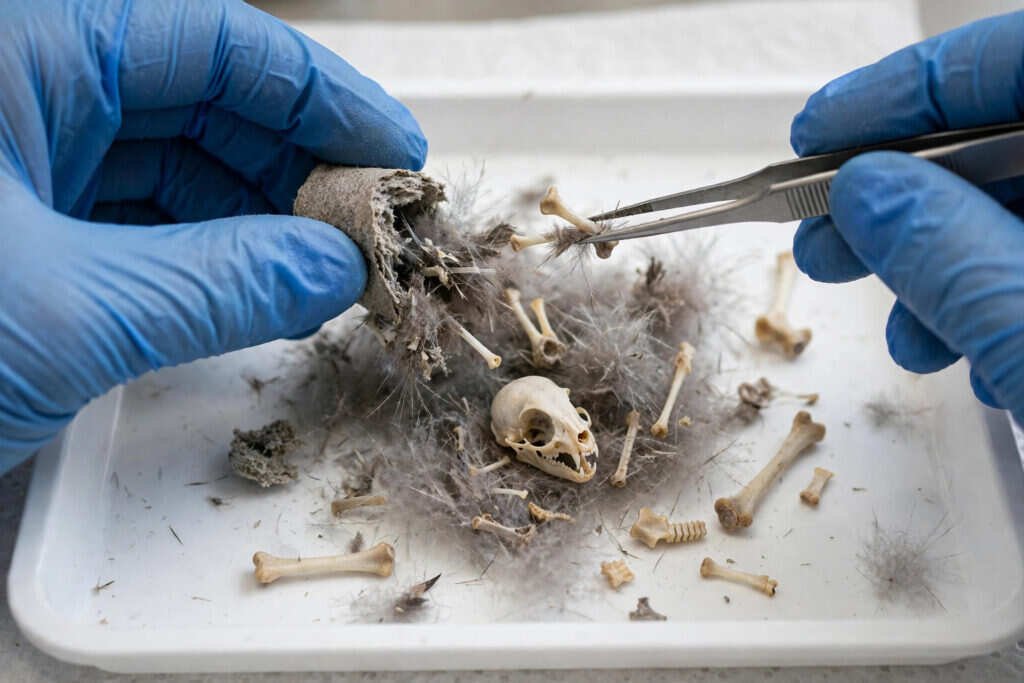
- Set up: Work on a tray or a sheet of white paper. You need gloves, two wooden skewers or tweezers, a hand lens, and a bone identification chart.
- Soak if needed: Very dry pellets can be softened briefly in water with a drop of disinfectant. Sterilized classroom pellets are usually ready to open dry.
- Tease apart: Pull the pellet open gently with the skewers, working from the outside in. Keep the fur in one pile and lift bones out as they appear.
- Sort the bones: Separate skulls, jawbones, leg bones, ribs, and teeth into groups. Skulls and jaws carry the most information, so handle them with care.
- Count the prey: Match each jawbone pair to a skull where you can. The number of skulls is your minimum count of animals the owl ate.
- Identify and record: Use the teeth and skull shape to name each animal, then write down your results. A simple species list from one pellet already mirrors real field research.
- Clean up: Bag all remains and gloves, wash tools, and wash hands thoroughly with soap, even though gloves were worn.
Work slowly. The tiny jawbones of shrews are easy to snap, and the full picture only appears when every fragment is out of the fur.
Identifying Prey From Bones and Skulls
The skull is the most informative part. Rodents will have two large incisors and a definite gap between them and the cheek teeth. Shrews will have a long, thin and pointed skull with no gap and very distinctive red tipped teeth.
The mandibles are generally more numerous than the skulls. They are quite robust and can withstand digestion. Counting just the left mandibles will give a rough estimate of how many prey animals there were when skulls are broken.
Size separates the common species. A field vole skull is about 25 mm long, a wood mouse skull is longer and narrower with bigger eye sockets, and a common shrew skull is barely 20 mm and feels feather light.
The age can also be determined. Young voles have smaller skulls and their teeth are not worn. Pellets collected in late summer will be full of young voles. This is one reason why owls rear their chicks in the summer. There are lots of young, inexperienced prey in the countryside for a short time.
Why Owl Pellets Matter for Science and Schools
Pellet dissection is one of few wildlife activities that can give you lots of real data for little effort. The class is doing real ecological work by collecting, separating, identifying and counting the contents of the pellets. They can then compare their results with those published.
Pellets help researchers. Owls are nocturnal and silent, making them hard to observe. Pellets allow scientists to study their diet without trapping and with no disturbance to individual birds. The same roost can be studied for many years.
Studies into pellets have found out about the distribution of small mammals in areas that would not have been possible to survey using trapping methods. Rare shrews or spreading species are often found in pellets before any other records.
Pellet studies also help people connect with owls. Holding a vole skull from a barn owl pellet gives people real insight into the food chain that cannot be matched by any diagrams. This is why owls (the nocturnal hunters that make the calls explained in our guide to why owls hoot at night) gain so much public support.
Are Owl Pellets Safe and Legal to Collect?
Owls are protected birds in most countries, including the United States and the United Kingdom. It is illegal to harm them, take their eggs, or disturb them at a nest or regular roost, and some species need a special license even to approach closely.
Generally it is okay to collect pellets from the ground. The most important thing to remember is that they are protected. Keep visits short and never climb up to the roost. Don’t take pellets from inside a nest box when the owls are breeding.
As pellets have been through an owl’s digestive system they can contain bacteria, such as salmonella from their prey. Always wear gloves, don’t place them near food and never allow young children to touch unsterilized pellets. Wash your hands after touching them.
If an owl appears sick, dead, or trapped, do not handle it or its pellets. Contact a local wildlife rehabilitator or bird protection group instead.
Frequently Asked Questions
How often does an owl produce a pellet?
Most owls will produce one or two pellets per day. They are produced around 10 to 20 hours after a meal. This is because they need to regurgitate their pellet before they can properly swallow their next catch, so casting follows a regular daily rhythm.
Do all owls make pellets?
Yes. All owls produce pellets as they all eat their prey whole or in large chunks. They cannot digest fur or bone. Hawks, eagles, gulls, crows and herons also produce pellets although they usually contain much less bone.
Can you tell which owl a pellet came from?
Often, yes. The size, shape and position of the pellets can give you a good indication. Large smooth dark pellets in a barn will indicate a barn owl. Whereas grayer, more crumbly pellets under trees in woodland will indicate a tawny owl. The contents will confirm this as the prey will be a mixture depending on what each species hunts.
Are owl pellets dangerous to touch?
Dry pellets are low risk but not risk free. They can carry bacteria and parasites from the prey the owl ate. Wear gloves, wash your hands well afterwards, and only dissect pellets that have been heat sterilized.
Why do scientists count the bones in pellets?
Because each skull or jawbone is a record of one animal caught. Counting them across many pellets shows what owls eat, how prey numbers change through the year, and whether the habitat around a roost is in good health.
What is the difference between a pellet and droppings?
Pellets are a solid lump of indigestible fur and bone regurgitated through the beak. Droppings are the liquid waste passed out the other end. They are mainly white and tend to be splattered. Pellets and droppings are often found together underneath the roost.
Sources
- Cornell Lab of Ornithology, All About Birds: Barn Owl
- Audubon Field Guide: Barn Owl
- The Barn Owl Trust: Barn Owl Facts and Pellet Analysis
Conclusion
Owl pellets are a great source of information. They give evidence of silent hunting, a neat package of local wildlife, and a free lesson on food chains. If you search around roosts you will find these small pellets. If you carefully examine the bones inside you will gain more information about the owls in your area than you would by watching the skies for a month.
As long as you follow the guidelines to keep the birds safe and only use sterilized owl pellets for dissection, you will gain one of the best tools a bird lover can learn from.