
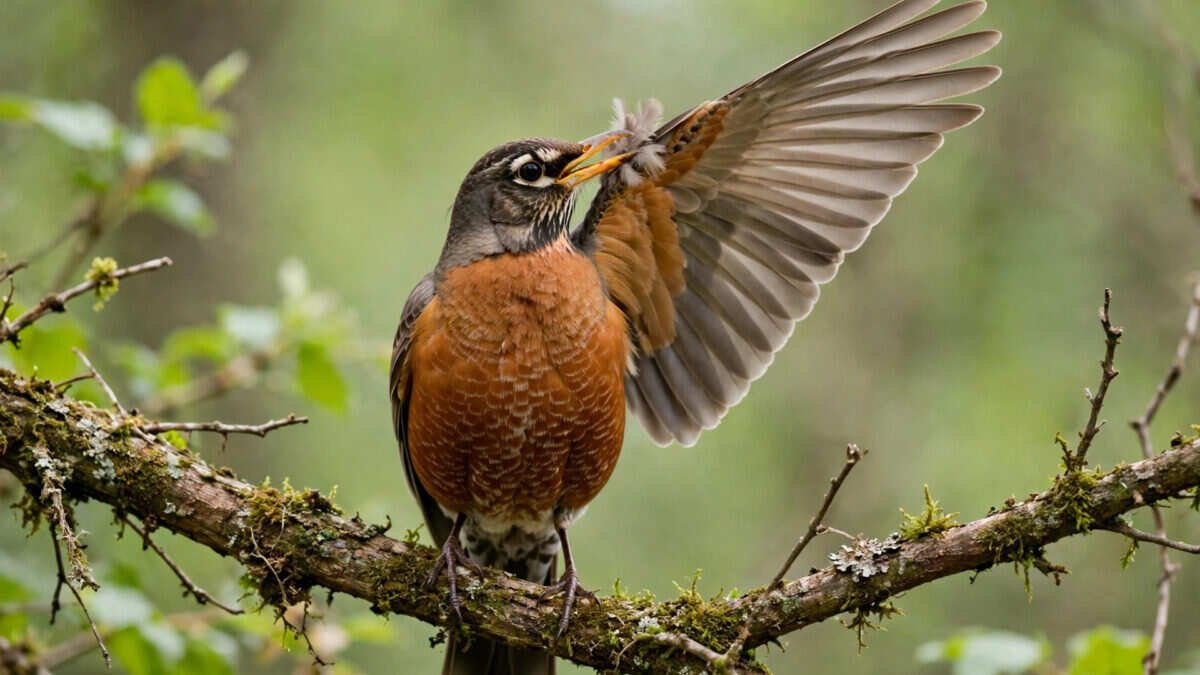
All birds carry out daily maintenance by preening their feathers with their bill. They clean, apply oil, and ensure that all their feathers are in perfect condition to allow them to fly. If a bird stops preening properly, it will be in trouble.
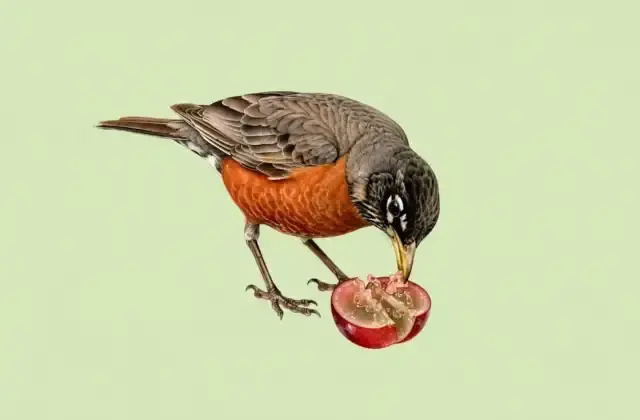
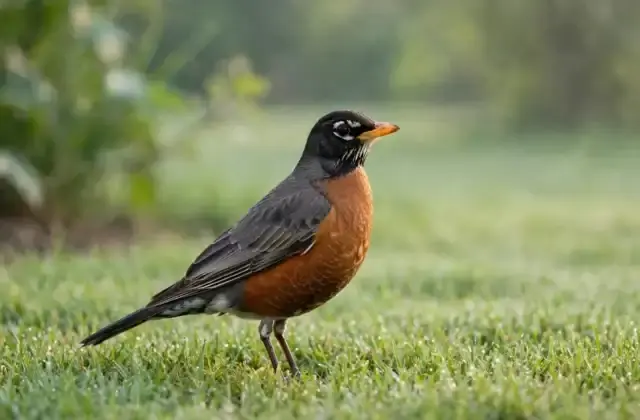
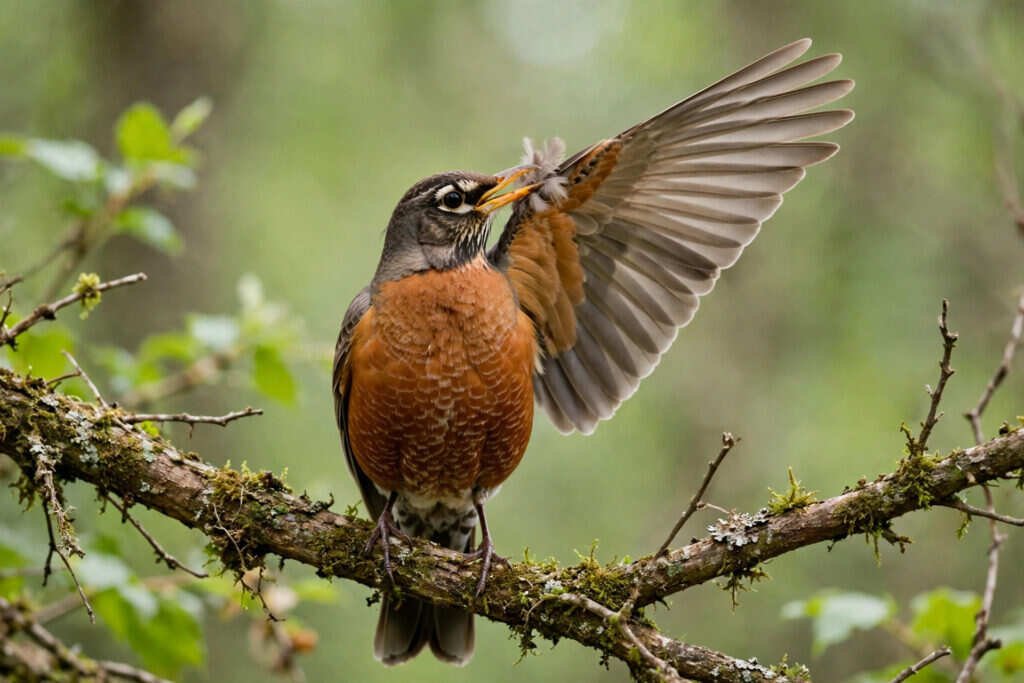
When a robin preens its wings feather by feather, it is using its engineering skills. This guide will show you how birds preen, what their preen gland does, how different birds preen, and what signs to look out for if they are having issues with preening.
What Bird Preening Actually Does
During preening, birds clean, align, and maintain their plumage to keep parasites away. Feathers are an important part of a bird’s life, providing the surface for flight, waterproofing, and insulation. All parts need to be in the correct place.
A healthy bird will spend a lot of time throughout the day preening. Often this is done for a few minutes at a time and is usually done after bathing, feeding, and before resting. It is an essential part of a bird’s life.
The routine covers four jobs at once:
- Cleaning: Dirt, dust, and loose flakes are worked out of the feathers.
- Repair: Split feathers are drawn through the bill and zipped back into a smooth surface.
- Oiling: Waterproofing oil from the preen gland is spread across the feathers.
- Parasite control: Feather lice and mites are crushed or removed before they multiply.
If a bird does not preen for long periods of time, it will lose its warmth, waterproofing, and efficiency of flight. This is why sick or injured birds that often stop preening will look very scruffy very quickly.
How Preening Works, Feather by Feather
A bird preens with the tip of its bill, nibbling and stroking along each feather from base to tip. The movements look fussy. They are anything but random.
Zipping Feathers Back Together
The flight feathers are made up of many fine filaments that interlock like tiny zippers. If a feather becomes damaged or ruffled, the filaments no longer stay interlocked and air will escape. Our guide to bird feathers explains that structure in full, barbs, barbules, and hooklets included.
When preening, the bird will gently pass the split feather through its bill. This lines up the filaments and allows the tiny zippers to lock back together, meaning the feather is once again smooth and airtight.
Birds will generally preen their wings and tail first, before moving onto their body and neck. Any areas that cannot be reached by the bill can be scratched with a foot, particularly around the head. Social preening can take place later with a partner.
The Role of the Bill and Feet
The bill is well adapted. Many birds have a slight overhang or fine edge at the tip of their bill, which acts like a comb and tweezers together. This is ideal for crushing lice and picking out debris.
The feet are used for scratching the head. Some birds will raise their foot over or under the wing to scratch their head. Some species will also spread oils or powder between their foot and feathers. Parrots use their feet as hands to hold onto a tail feather while their bill runs along it.
The Preen Gland and Preen Oil
Most birds have a small gland at the base of the tail, on the rump. This is known as the preen gland (or uropygial gland), and it secretes a greasy, waxy substance called preen oil.
The bird turns around and rubs its bill or head against the gland to gather the oil, then spreads it through its feathers as it preens. You will often see this twist at the start of a preening session.
Preen oil does several jobs:
- It keeps feathers supple, so they flex instead of snapping.
- It helps water bead and run off instead of soaking in.
- It discourages some bacteria and fungi that would break feathers down.
- In some species it carries vitamin D precursors, which the bird ingests as it preens.
Not all birds have a functioning preen gland. Pigeons and many parrots use special feathers called powder down. These break down into a fine powder that can be used for waterproofing. Ostriches, emus, and some other flightless birds do not have a preen gland.
The oil itself does not make the feathers waterproof. It is the tight, overlapping structure of the feathers that makes them waterproof, as the bird feathers guide sets out. The oil helps keep this structure and makes them flexible.
How Different Birds Preen
The basic routine is the same across species, but each group adapts it to its own way of life.
Waterbirds: The Most Dedicated Preeners
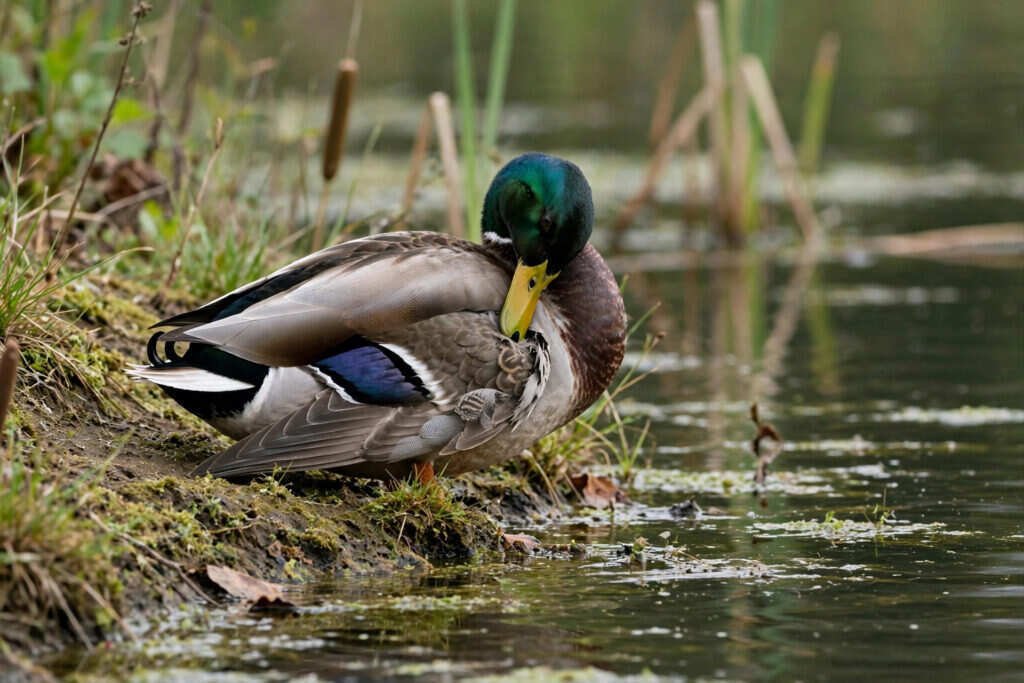
Waterfowl such as ducks, geese, and swans spend a lot of time preening, because a waterlogged duck is a cold duck. A mallard will work its breast, wings, and tail thoroughly after every swim, spreading oil generously. In any pond, you will see birds preening in rotation, usually keeping one eye open for danger.
Grebes and cormorants also spend a lot of time preening. Cormorant feathers are partly wettable, which helps them dive, so they need to dry out too, holding their wings open in that familiar spread posture after fishing.
Raptors and Large Birds
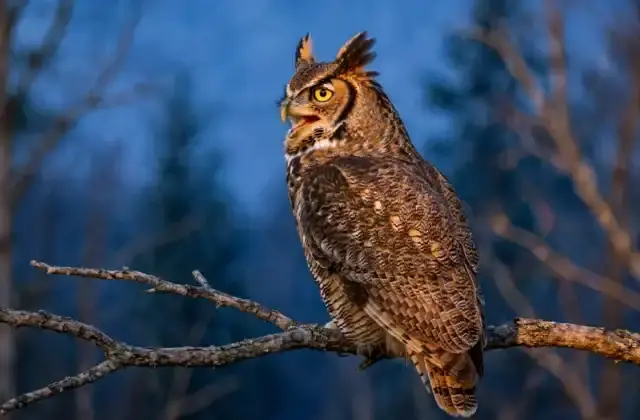
Hawks, eagles and owls all preen very thoroughly. They pay special attention to their long flight feathers. Owls also carefully preen their facial disk feathers. This is an area that channels sound to their ears, so it needs to be in the right place.
Large birds all preen quite frequently but for shorter periods of time. They need to preen very thoroughly, as a damaged primary feather would be a big problem when they are hunting. Small damage can be picked up early by thorough preening.
Parrots: Preening as a Craft
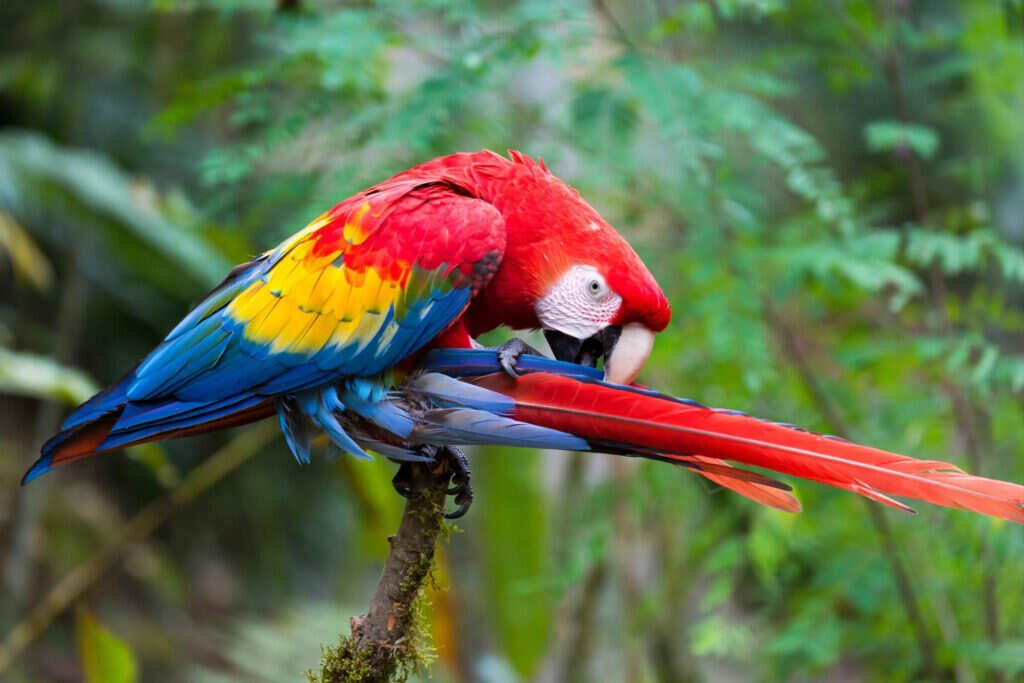
Parrots are some of the best preeners. They have strong bills, flexible necks, and feet to keep the feathers still. Macaws will spend a long time carefully running each of their large tail feathers through their bill. Many pet parrots will want to preen your hair in return, a social gesture as much as a grooming one.
Small Garden Birds
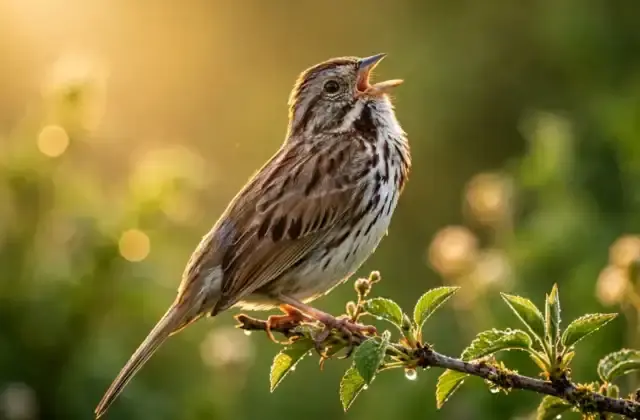
Robins, chickadees, and finches preen quickly. They will preen for short amounts of time. Often they will preen in a safe place high up with a good view. All of the regulars in our guide to feeder birds will feed, retreat to a branch, preen, and repeat.
Allopreening: Preening Each Other
Birds cannot reach their own heads properly, so many species preen each other. This is called allopreening, and it is part grooming service, part social glue.
This is most common in pair-bonded birds. Lovebirds (the famously loving small parrots in our pet birds guide) spend long periods preening each other’s heads and necks, removing parasites and straightening feathers that they would not be able to do on their own.
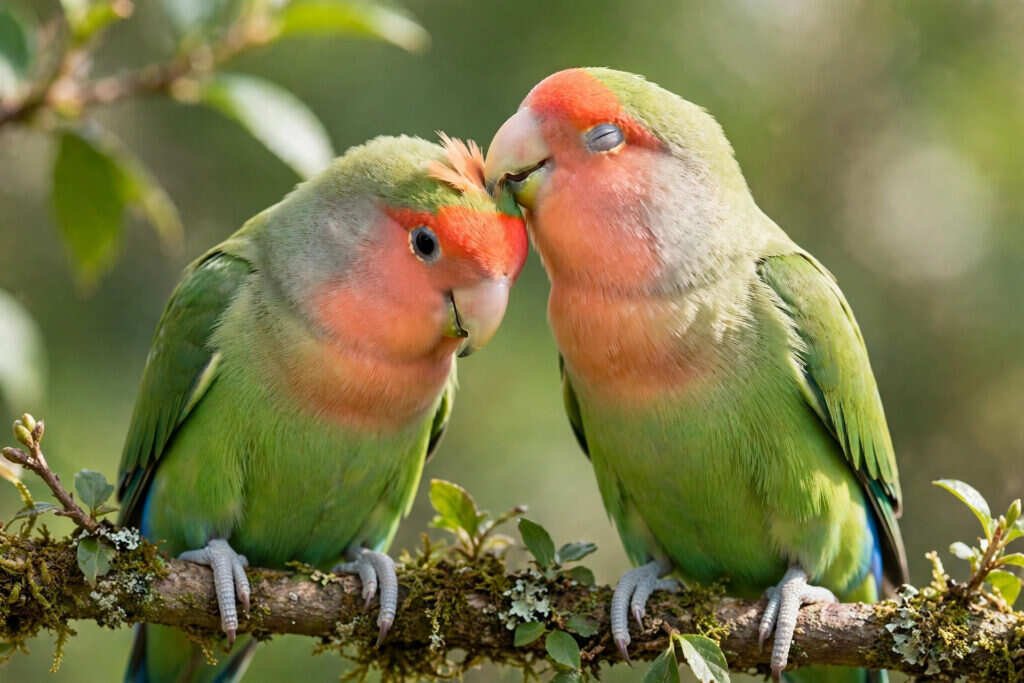
Allopreening helps to create a bond between two birds. In flocks of crows, ravens and parrots, asking to be preened by another shows they trust them and the acceptor will feel less stressed. Juvenile birds will often ask their parents to preen them even when they are capable of doing so themselves.
Practically, parasites like to live on the head and neck, as they cannot be reached. Allopreening is the main defense in those spots.
Preening, Bathing, and Dust Bathing
Preening rarely works alone. Most birds combine it with bathing, and the two routines run in a set order: wash first, then preen.
After a bath, the dirt and parasites are washed out. The bird will then vigorously shake, fluff, and preen. This spreads oil around the feathers and helps to zip them back up while they are still damp and pliable. If a bird has just bathed and is fluffed up with no preening, it may be unwell.
Dust bathing is the dry alternative. Sparrows, wrens, and many gamebirds wriggle into loose soil or sand. They work the dust into their feathers. This will absorb extra oil and smother the parasites. They will then shake and preen. Chickens are famous for dust bathing, but wild sparrows will do the same in any dry, dusty area.
Some birds also sunbathe. They will spread their wings in strong sunlight. Some will also ant. This involves rubbing ants through their feathers. These are still debated, but they are part of the wider feather care toolkit.
| Behaviour | What you see | What it usually means |
|---|---|---|
| Normal preening | Calm nibbling and stroking along feathers, bird relaxed | Routine maintenance, bird is settled and healthy |
| Preening after a bath | Long session, shaking and fluffing between bouts | Drying, oiling, and re-zipping wet feathers |
| Head scratching with a foot | Foot raised over or under the wing to the head | Reaching feathers the bill cannot touch |
| Allopreening | One bird gently working another’s head feathers | Pair bonding, trust, and parasite removal |
| Fluffed and preening slowly | Bird puffed up, eyes half closed, little progress | Possibly cold, tired, or unwell: watch closely |
| Frantic preening and biting | Bird agitated, pulling at skin and feathers, calling out | Irritation from mites, pain, or stress: a problem sign |
Preening Through the Molt
Preening is a major part of a bird’s workload during molting. Our bird feathers guide covers how and why molting works; preening is the tool that manages the changeover day by day.
New feathers begin to grow inside a waxy protective sheath, often called a pin feather. As the feather matures, the bird nibbles and crumbles the sheath away so the feather can unfurl. A molting bird therefore spends long sessions working at the itchy, waxy pins on its neck, wings, and tail, and loose sheath flakes are a normal sight under a perch at this time of year.
While molting, birds will also preen to remove the old feathers that are ready to drop, and to keep the remaining old plumage functional while gaps exist. They molt their flight feathers one by one, partly so the bird can keep flying, and careful preening will help ensure their partially new wing is still working as well as possible.
This is a demanding season. Growing feathers are full of blood and easily damaged, and birds in heavy molt often seem quieter and more irritable. Pet birds may resist handling when pin feathers are fresh, and wild birds in molt keep closer to cover. Extra preening at this time of year is expected and healthy, and it settles once the new coat is complete.
Bathing is especially important during molting. Damp feathers are easier to work, and regular bathing will soften the sheaths so the bird can clear them with less effort. If you offer a molting pet bird daily misting, it will usually take it eagerly. It will then settle into a lengthy and productive preening session.
When Preening Signals a Problem
Preening is a healthy behavior. Preening that becomes constant, violent, or destructive is not. One of the most useful things to know as a bird keeper or birdwatcher is how to tell the difference.
Over Preening and Feather Plucking
Pet parrots are the best known sufferers. If they become bored, lonely, stressed, or unwell, they may start chewing their feathers and pulling them out. This can cause damage to the skin underneath in serious cases. Once learned, the habit can persist even after the original cause is fixed.
Our pet birds guide covers the housing, diet, and company that prevent most of these problems. Space, sleep, foraging toys, and daily interaction are prevention. A bird already plucking needs an avian vet first, not just new toys.
Mites, Lice, and Skin Irritation
Feather mites and lice cause itching in birds. They will often preen frantically, especially around the vent, under the wings, and at the base of the tail. Wild birds with high parasite loads can appear unkempt, with frayed and chewed feathers and bare patches appearing.
Scaly leg mites, air sac mites in finches and canaries, and red mites in nest boxes will cause a bird to preen restlessly and become agitated at night. Any pet bird preening itself raw should be checked for parasites as a first step.
The Wild Bird Warning Signs
In the garden, treat these as red flags: a bird preening weakly and staying fluffed for hours, feathers that stay disheveled no matter how much the bird works at them, bare skin showing, or a bird too busy preening to feed or watch for predators.
Those signs usually mean illness, injury, or heavy parasites. The kindest response is to note where the bird is and contact a wildlife rehabilitator, rather than trying to catch a bird that can still fly.
How to Support Healthy Preening
You cannot preen a bird, but you can provide everything the routine needs.
The best thing you can do for garden birds is provide a clean, shallow birdbath. Providing fresh water will encourage them to bathe, and they will then spend a lot of time preening their feathers. Providing a textured birdbath will help small birds grip, and providing a perch branch nearby will give them somewhere safe to preen.
Don’t use any chemicals. Don’t ever spray wild birds or birdbaths with oils, detergents, or parasite treatments meant for other animals. Healthy birds will take care of their own feathers if they have clean water.
For pet birds, misting can be provided, or a shallow dish. Many parrots enjoy a shower rather than a soak. Provide a reasonable level of humidity in your home (due to heating), offer toys that satisfy the urge to chew, and protect sleep: 10 to 12 hours of quiet darkness will help keep their hormones, mood, and plumage in better balance.
Finally, give birds time. Preening is not wasted time in a bird’s day, and a pet bird allowed to complete its sessions undisturbed is a calmer, healthier bird. New birdwatchers learning the hobby through our bird watching for beginners guide quickly find that preening behavior is one of the easiest and most rewarding things to observe in the field.
Frequently Asked Questions
How often do birds preen?
Healthy birds will preen themselves many times a day, for periods ranging from just a few seconds to half an hour or more. Waterbirds and parrots have the longest preening sessions. Expect a thorough preening session after bathing, feeding, and before roosting.
Why does a bird preen after bathing?
Bathing helps to loosen dirt and parasites, but leaves the bird’s feathers wet, separated, and unprotected. Preening afterwards spreads fresh oil, re-zips the feather vanes, and restores waterproofing and insulation while the feathers are still easy to arrange.
What is the preen gland?
Most birds have a small gland at the base of their tail called the preen or uropygial gland. This gland produces an oily secretion, which the bird will use to help keep their feathers supple, reduce microbe growth, and support waterproofing by spreading it over their feathers using their bill.
Why do birds preen each other?
Partly because they are unable to reach their heads, where parasites can accumulate, and partly because it helps to build and maintain pair bonds and trust between members of the flock.
Is it normal for a bird to pull out its feathers?
No. Normal preening never removes healthy feathers or breaks skin. If a bird is chewing, pulling out, or removing feathers, then there is a medical, environmental, or behavioral issue. If a pet bird is doing this, it needs an avian vet.
Can a bird preen too little?
Yes. A bird that stops preening and sits fluffed and dirty is often sick, injured, or in pain. In wild birds this is a clear distress sign; in pet birds it is a reason to book a vet visit quickly.
Sources
- Cornell Lab of Ornithology, All About Birds
- Audubon: Bird Guide and Feather Care Resources
- RSPB: Advice on Birds and Wildlife
Conclusion
Preening is an essential behavior for birds. It allows them to fly, stay warm, stay waterproof, and display well. A bird that preens in a calm manner is keeping itself in good condition. If you can recognize when a bird is preening in a relaxed way rather than frantically or destructively, you will be able to understand your garden and pet birds much better.