
The conure vs parakeet debate is one of the most common questions among first-time bird owners and for good reason. Both are colorful, charismatic members of the parrot family, yet they differ sharply in size, noise level, social needs, and cost.
Your lifestyle matters here. A small apartment with thin walls calls for a different bird than a spacious house where noise isn’t an issue. Budget plays a role, too initial purchase price, cage size, and ongoing vet care vary considerably between the two.
Quick snapshot of what you’ll weigh:
- Personality: bold and cuddly vs. independent and cheerful
- Noise: conures are notoriously vocal; parakeets (budgies) are gentler talkers
- Cost: parakeets are typically more budget-friendly
- Care demands: both need daily interaction, but to different degrees
Before diving deeper, it helps to understand exactly what separates these two birds at a foundational level starting with the key terminology.
Key Terms to Know Before Comparing
Before diving into the conure vs parakeet or, as it’s sometimes framed, the conure vs budgie debate. It helps to get a few foundational terms straight. Bird taxonomy can get surprisingly confusing, especially when common names don’t always match up with scientific categories.
1. Conure
A broad group of small-to-medium parrots native to Central and South America, known for their bold personalities and vocal nature. The term covers dozens of species across several genera.
2. Parakeet
A general term for any small, slender parrot with a long tail not a single species. In the United States, “parakeet” most often refers to the budgerigar (budgie), though technically many other birds qualify.
3. Budgerigar (Budgie)
A small Australian parrot (Psittacidae (single species)) and the most popular pet bird in the world. When Americans say “parakeet,” this is almost always the bird they mean.
4. Psittacine
The scientific order that includes all parrots meaning both conures and parakeets are parrots, just different types.
Aviculture
The practice of keeping and breeding birds in captivity; understanding basic aviculture principles applies to caring for either bird on this list.
Clearing up that parakeet-equals-budgie assumption matters because once you know both birds are parrots with distinct traits, the comparison gets a lot more useful. Speaking of which, let’s take a closer look at conures first.
Knowing these definitions sets a clearer baseline so you can evaluate each bird on its actual merits, not on naming confusion.
What Is a Conure?
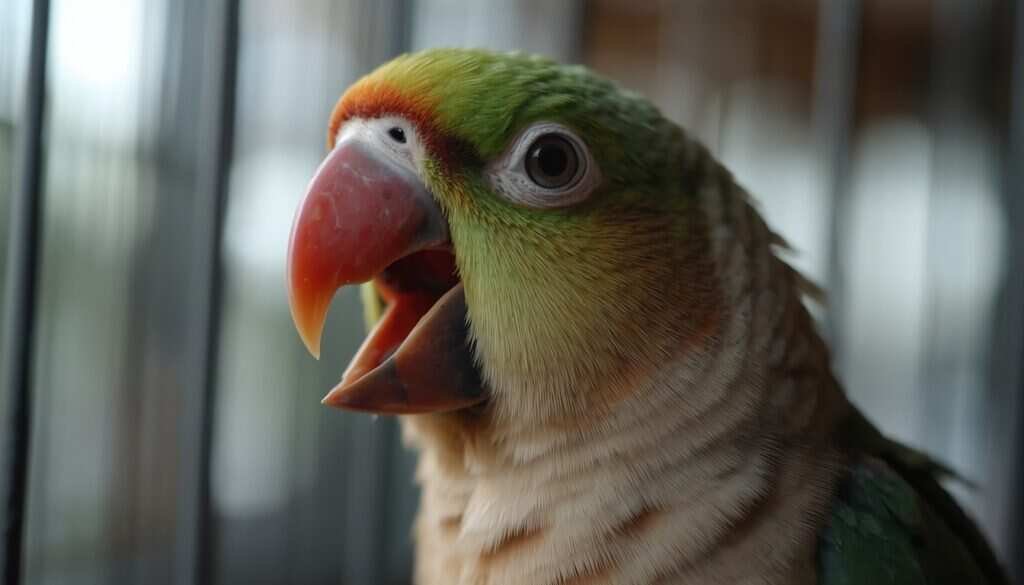
Conures are a broad group of small-to-medium parrots native to Central and South America, where they inhabit everything from tropical rainforests to open grasslands. They belong to several genera within the family Psittacidae, and that diversity is exactly what makes them so interesting as pets.
Common species you’ll encounter in the pet bird world include:
- Green-cheeked conure: small, quieter, and playful; a frequent contender in the green cheek conure vs parakeet debate
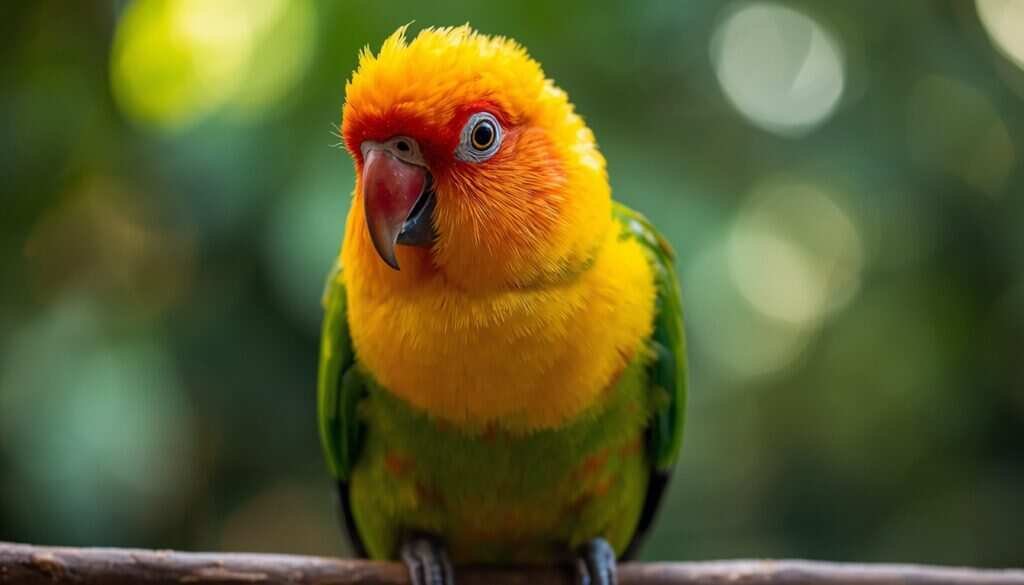
- Sun conure: vibrant yellow-orange plumage, famously loud
- Jenday conure: visually similar to the Sun, equally vocal
- Blue-crowned conure: larger, known for impressive talking ability
Size and lifespan vary by species, but most pet conures range from 10 to 19 inches in length and weigh between 2 and 4 ounces. With proper care, they typically live 15 to 30 years a meaningful commitment compared to many other small pets.
Personality is where conures truly stand out. They are affectionate, curious, and highly social. In practice, conures bond deeply with their owners and can become genuinely distressed without daily interaction.
Their popularity has grown steadily, particularly among first-time bird owners who want a parrot-like experience without the size (or price tag) of a macaw.
Before you decide, it’s equally important to understand what a parakeet actually is because the answer might surprise you.
What Is a Parakeet?
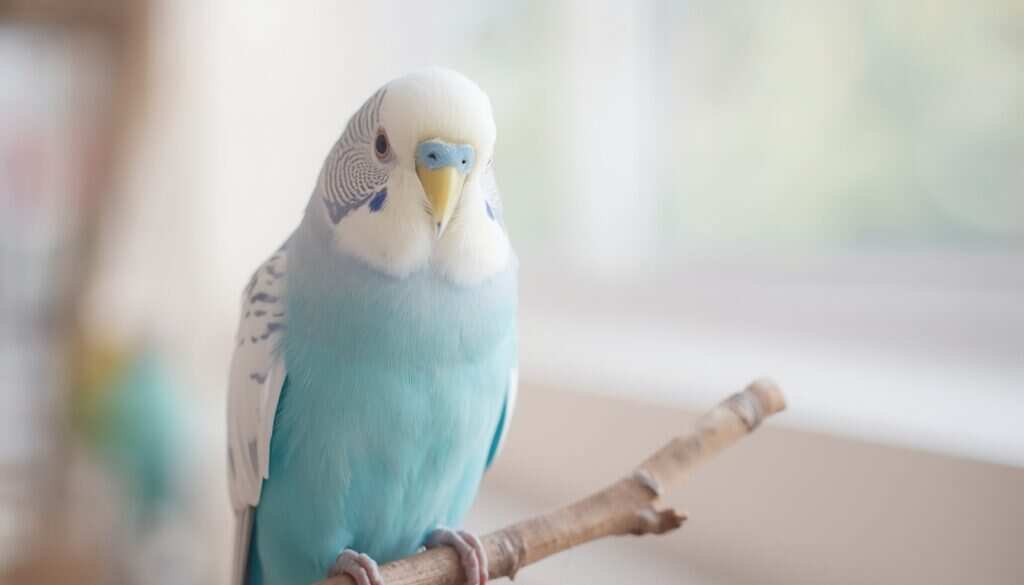
Parakeet is a catch-all term, and that’s exactly where most beginner confusion starts. In North America, “parakeet” almost always refers to the budgerigar (or budgie), a small, slender parrot native to the arid grasslands and scrublands of Australia. In the wild, budgies travel in enormous flocks, which helps explain their social wiring as pets.
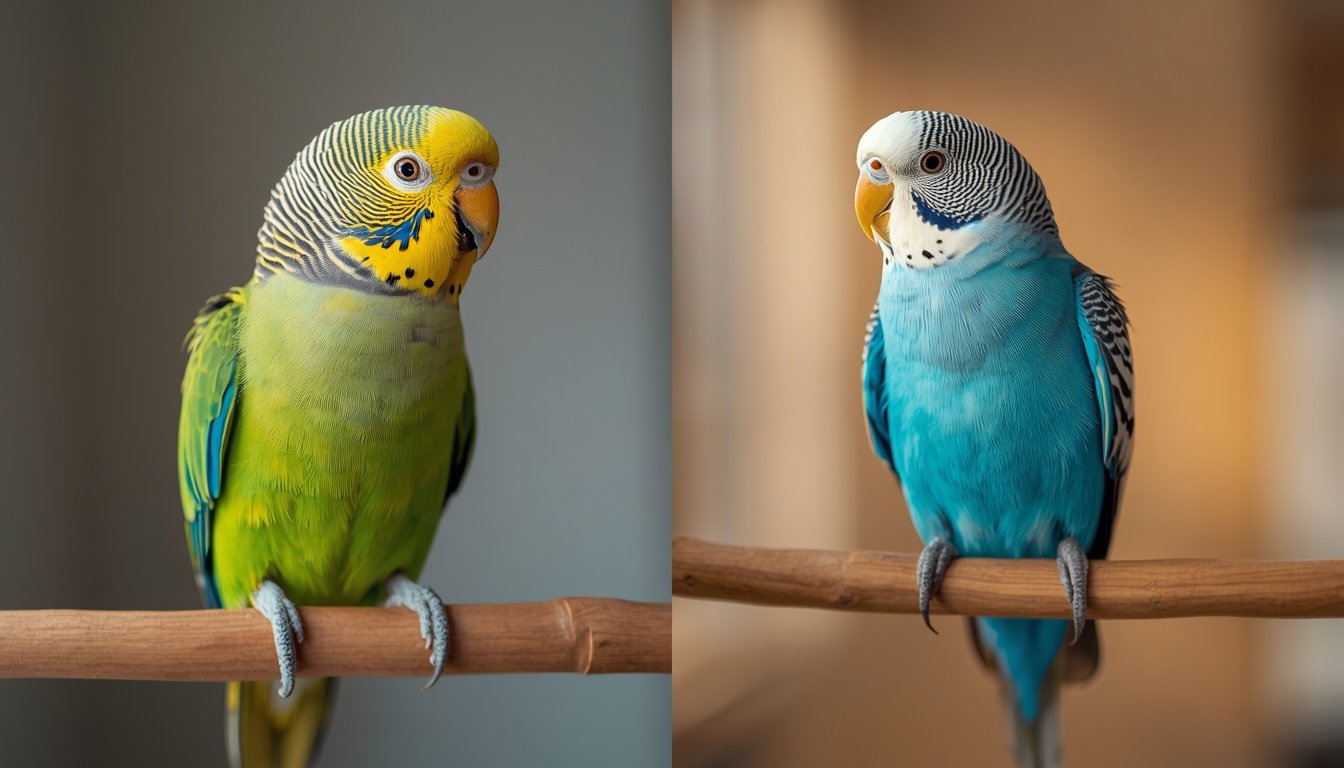
Appearance and size set them apart immediately. A standard budgie typically measures 6–8 inches from beak to tail and weighs between 1 and 1.4 ounces noticeably smaller than even the most compact conure. They come in a wide range of color mutations (green, blue, yellow, white, and beyond), though wild-type birds are primarily green with black-barred markings.
Temperament is where budgies genuinely shine. They’re gentle, curious, and surprisingly trainable — capable of learning words and simple tricks with consistent handling. That approachable personality is a big reason budgies are so often recommended as the best pet bird for beginners.
One quick distinction worth noting: technically, all budgies are parakeets, but not all parakeets are budgies. The term covers dozens of species. In this guide, “parakeet” refers to a budgie unless stated otherwise.
If you’re unsure which species you’re comparing, assume “parakeet” means budgie the comparison table ahead will make the differences concrete.
Conure vs Parakeet: Quick Comparison Table

Now that you understand what each bird actually is, the real question becomes: how do they stack up side by side? The table below distills the most critical factors from scientific classification to apartment suitability. So you can evaluate both birds at a glance before diving into the deeper details ahead.
| Factor | Conure | Parakeet (Budgie) |
|---|---|---|
| Scientific Family | Psittacidae (various genera) | Psittacidae (single species) |
| Size & Weight | 9–21 inches; 2–4 oz | 6–8 inches; 1–1.4 oz |
| Lifespan | 15–30 years | 7–15 years |
| Personality | Bold, cuddly, clownish | Gentle, social, curious |
| Talking Ability | Moderate; conure talking ability is limited but possible | Strong; surprisingly large vocabulary |
| Noise Level | High — loud screaming calls | Low-to-moderate chirping |
| Bite Strength | Stronger; can draw blood | Mild; rarely breaks skin |
| Minimum Cage Size | 24″×24″×24″ | 18″×18″×18″ |
| Startup Cost | $200–$600+ (bird only) | $20–$100 (bird only) |
| Apartment-Friendly | Challenging | Yes |
| Beginner-Friendly | Moderate |
Pick a parakeet if you’re a first-time bird owner, live in an apartment, or want a quieter, lower-cost companion. Pick a conure if you want a bold, hands-on personality and can commit to a multi-decade relationship and tolerant neighbors.
The biggest takeaway: both are rewarding pet birds, but they suit very different lifestyles, and the detailed differences below will help you choose with confidence.
Conure vs Parakeet: Key Differences
The comparison table earlier gave you a snapshot now let’s unpack what those differences actually mean for your daily life as a bird owner. Size, noise, cost, lifespan: each one carries real weight when you are choosing a companion you’ll share your home with for years (or decades).
| Attribute | Conure | Parakeet (Budgie) |
|---|---|---|
| Size | Medium typically 10–20 inches depending on species | Small around 6–8 inches |
| Appearance & Colors | Bold, vivid plumage greens, reds, oranges, and yellows dominate | Wide color variety through selective breeding greens, blues, whites, yellows |
| Lifespan | 15–30 years (a long-term commitment) | 5–10 years on average |
| Personality | Highly affectionate, cuddly, and attention-driven | Social and friendly, but generally more independent |
| Intelligence & Trainability | Very trainable; learns tricks readily | Clever and curious; parakeet talking ability is surprisingly strong for such a small bird |
| Noise Level | Loud screaming is common, especially at dawn and dusk | Quieter chatters and chirps, rarely disruptive |
| Bite Strength | Stronger bite; can break skin during hormonal periods | Light bite uncomfortable but rarely harmful |
| Activity Level | High energy needs extended out-of-cage time daily | Active but manageable with a well-sized cage |
| Cage Size | Larger cage required minimum 24″x24″x36″ | Compact 18″x18″x24″ works for a single bird |
| Diet | Pellets, fresh fruits, vegetables, and limited seeds | Seed-based diet supplemented with greens and pellets |
| Grooming | Regular nail trims, occasional beak checks, feather care | Minimal grooming; nail trims and periodic baths |
| Common Health Issues | Proventricular Dilatation Disease (PDD), feather-destructive behavior | Tumors, scaly mites, respiratory illness |
| Exercise Needs | High foraging toys, flight time, and mental stimulation daily | Moderate flight in cage plus short out-of-cage sessions |
| Upfront Cost | $150–$600+ depending on species | $20–$100 at most pet stores |
Conure vs Parakeet Pros and Cons
Understanding the trade-offs on both sides makes the choice much clearer. Here’s a straightforward breakdown of what you’re actually signing up for with each bird.
| Category | Conure | Parakeet (Budgie) |
|---|---|---|
| Key Pros | Deeply affectionate; loves cuddling and shoulder time. Highly trainable can learn tricks and simple words. Long lifespan (20–30 years) means a lasting bond. | Gentle, beginner-friendly temperament. Quieter and apartment-compatible. Low cost to purchase ($20–$80) and maintain. Can still learn to mimic speech. |
| Key Cons | Loud screeching a genuine issue in shared living spaces. Demands significant daily interaction. Any solid conure care guide will flag the high time commitment upfront. | More fragile health-wise; sensitive to drafts, fumes, and stress. Shorter lifespan (5–10 years). Less physically cuddly than a conure. |
Bottom line: Conures reward owners who have the time and space to invest. Parakeets fit more easily into busy or first-time households, which is exactly where the next section picks up.
If noise and time are your biggest constraints, the pros and cons here already point toward your answer.
Which Bird Is Better for Beginners?
When you stack up the pros and cons from earlier, a clear pattern emerges for first-time bird owners. Parakeets win on beginner-friendliness nearly across the board.
| Factor | Parakeet | Conure |
|---|---|---|
| Ease of care | Low-maintenance, forgiving routine | Needs consistent daily interaction |
| Training difficulty | Gentle learning curve | Faster learner, but needs firm boundaries |
| Budget | $20–$60 upfront, low ongoing costs | $150–$600 upfront, higher vet costs |
| Space needed | Compact cage fits most apartments | Larger cage required |
| Noise tolerance needed | Low quiet chirps | High loud, piercing calls |
Any solid parakeet care guide will tell you: these birds are resilient, adaptable, and far less demanding than conures on both your time and wallet.
Conures aren’t a bad choice but they reward owners who already understand bird behavior. For someone just starting out, the lower stakes of parakeet ownership give you room to learn.
Parakeets are the smarter starting point for most beginners but if you crave a deeply bonded, interactive companion and you’re ready for the responsibility, a conure might be calling your name.
Who Should Choose a Conure?
Conures are a strong match for a specific kind of owner someone who genuinely wants a bird that’s in it with them, not just perching nearby.
| Owner Profile | Conure Fit | Key Consideration |
|---|---|---|
| Highly interactive owner | Excellent | Conures thrive on daily hands-on time |
| Noise-tolerant household | Good | Screaming calls are normal behavior |
| Long-term commitment ready | Essential | Lifespans reach 20–30 years |
| Limited daily availability | Poor | Neglect leads to behavioral problems fast |
Bottom line: choose a conure if you have the time, the noise tolerance, and you’re ready for a decades-long commitment. If a quieter, lower-maintenance companion sounds more appealing, the next section on parakeets might be your answer.
A conure rewards owners who can genuinely match its energy but it’s a serious commitment, not a casual one.
Who Should Choose a Parakeet?
Building on the beginner-friendly case made earlier, parakeets fit a remarkably specific lifestyle. And if that lifestyle sounds like yours, the decision is pretty straightforward.
| Owner Profile | Why a Parakeet Works | Why a Conure Doesn’t |
|---|---|---|
| Apartment dweller | Quieter vocalizations are neighbor-friendly | Conure screaming can trigger noise complaints |
| Budget-conscious owner | Lower purchase price ($20–$60) and smaller food portions | Sun conures can cost $400–$700+ upfront |
| Quieter pet preference | Chirps and soft chatter stay under 65 decibels | Contact calls regularly hit 120 decibels |
| First-time bird owner | Forgiving of learning curves; less demanding of attention | Needs experienced handling and consistent socialization |
Parakeets don’t demand a lot but they do reward attentiveness. You get a genuinely interactive bird without the noise, space, or budget commitment that conures require.
Of course, you might wonder whether the two species can share the same home entirely. That question whether a conure and parakeet can actually live together is worth exploring carefully next.
If you want a social, low-maintenance bird that fits comfortably into apartment life without straining your budget, a parakeet is the clear choice.
Can a Conure and Parakeet Live Together?
It’s a question that comes up often in the conure vs parakeet conversation especially for owners who already have one bird and are considering adding the other. The short answer is: with care, yes. But the nuances matter a lot.
| Factor | Risk Level | What to Watch For |
|---|---|---|
| Size difference | High | Conures can injure parakeets unintentionally during play |
| Territorial behavior | Medium–High | Cage guarding, feather pulling, or food blocking |
| Supervised interaction | Low (when monitored) | Short, structured out-of-cage sessions reduce conflict |
Separate housing is the safest default conures and parakeets should never share a cage unsupervised. A conure’s beak is significantly stronger, and even friendly roughhousing can turn dangerous fast.
Cohabitation is possible with patience, but separate cages and closely watched introductions are non-negotiable starting points something new owners often underestimate before bringing home a second bird.
Common Mistakes New Owners Make
Even with solid research, new bird owners fall into predictable traps whether they’re choosing a conure or parakeet. Understanding where things go wrong helps you sidestep them entirely.
| Mistake | How It Plays Out | The Fix |
|---|---|---|
| Buying on appearance | A sun conure’s vivid orange plumage sells the dream — until the screaming starts. Parakeet color mutations attract impulse buyers who haven’t researched temperament | Research personality and noise level before visiting the breeder or pet store |
| Underestimating noise and needs | Conures average 120 decibels at peak — comparable to a chainsaw. Parakeets chatter constantly. Apartment dwellers often discover this too late | Watch owner videos, visit birds in person, and check your lease before committing |
| Poor diet choices | An all-seed diet shortens lifespan significantly for both species; pellets, fresh vegetables, and limited fruit are essential components of proper parakeet care and conure care | Transition birds to a pellet-based diet supplemented with fresh produce from day one |
| Wrong cage size | Undersized cages restrict movement and cause stress behaviors like feather plucking a common pattern in poorly housed conures especially | Size up: minimum 18″×18″ for parakeets, 24″×24″ for conures |
The good news? All of these mistakes are avoidable which is exactly what the next step, a practical decision checklist, is designed to help you do.
Before choosing between a conure and a parakeet, audit your lifestyle honestly against each species’ real daily demands, not just their visual appeal.
How to Choose Between a Conure and a Parakeet
Your lifestyle, budget, and experience level are the three variables that actually determine which bird fits your home not which one is cuter.
Use this checklist to cut through the noise:
- Apartment or shared living? A parakeet’s quieter chatter is far more neighbor-friendly than a conure’s sharp calls.
- First-time bird owner? Parakeets are more forgiving of beginner mistakes.
- Budget under $200 all-in? A parakeet is the realistic choice. Conures cost more upfront and in ongoing care.
- Want a hands-on, bonded companion? Conures reward that investment deeply.
- Limited daily free time? Neither bird thrives on neglect, but conures need more active interaction.
| Factor | Conure | Parakeet |
|---|---|---|
| Upfront cost | $150–$600+ | $20–$80 |
| Noise level | High | Moderate |
| Best for | Experienced owners with time | First-time or busy owners |
Pick a conure if you want a bold, affectionate bird and can match its energy. Pick a parakeet if simplicity and affordability matter most. Still have questions? The FAQs ahead tackle the specifics.
Match the bird to your real daily life not the version you imagine having.
Frequently Asked Questions (FAQs)
These quick answers cover the questions that come up most often when comparing conures and parakeets as pets cutting straight to what you actually need to know.
| Question | Conure | Parakeet (Budgie) |
|---|---|---|
| Which is friendlier? | Highly affectionate, bonds deeply with one person | Friendly and social, bonds well with gentle handling |
| Which talks more? | Limited vocabulary, clearer mimicry | Larger vocabulary potential, softer voice |
| Which is noisier? | Loud — frequent screaming possible | Quiet chirping, apartment-friendly |
| Which is easier to tame? | Responds well but needs consistent time | Easier for first-time bird owners |
| Which costs less? | $150–$700+ purchase price | $10–$65 purchase price |
| Which lives longer? | 15–30 years | 7–15 years |
Choose a parakeet if you’re a first-time bird owner prioritizing affordability and a quieter home. Choose a conure if you want a deeply interactive companion and can commit to decades of care.
The right pet bird comparison always starts with your lifestyle not the bird’s personality alone.
Conclusion
The conure vs parakeet decision ultimately comes down to one honest question: what does your daily life actually look like?
Parakeets are quieter, more affordable, and forgiving for first-time bird owners. Conures bring bold personality and deeper bonding but demand more time, space, and patience. Neither is objectively better. They’re just built for different households.
| Option | Best For | Key Trade-off |
|---|---|---|
| Parakeet | First-time owners, apartments, quieter homes | Less hands-on bonding |
| Conure | Experienced owners, interactive households | Louder, costlier, more demanding |
Pick the parakeet if you want a low-maintenance companion. Pick the conure if you’re ready to invest in a deeply social bird. Either way, you’re making a real commitment so choose the one that fits your life right now, not the one you hope to have someday.