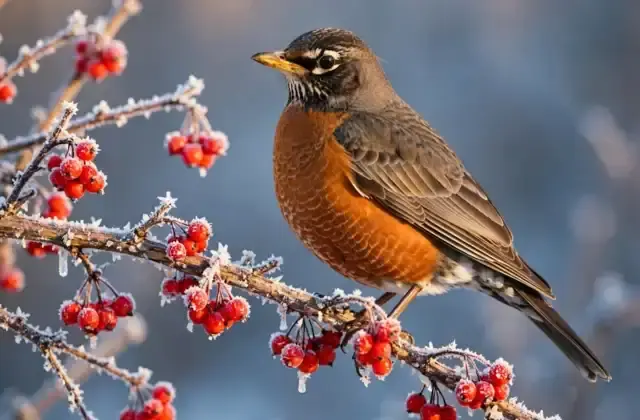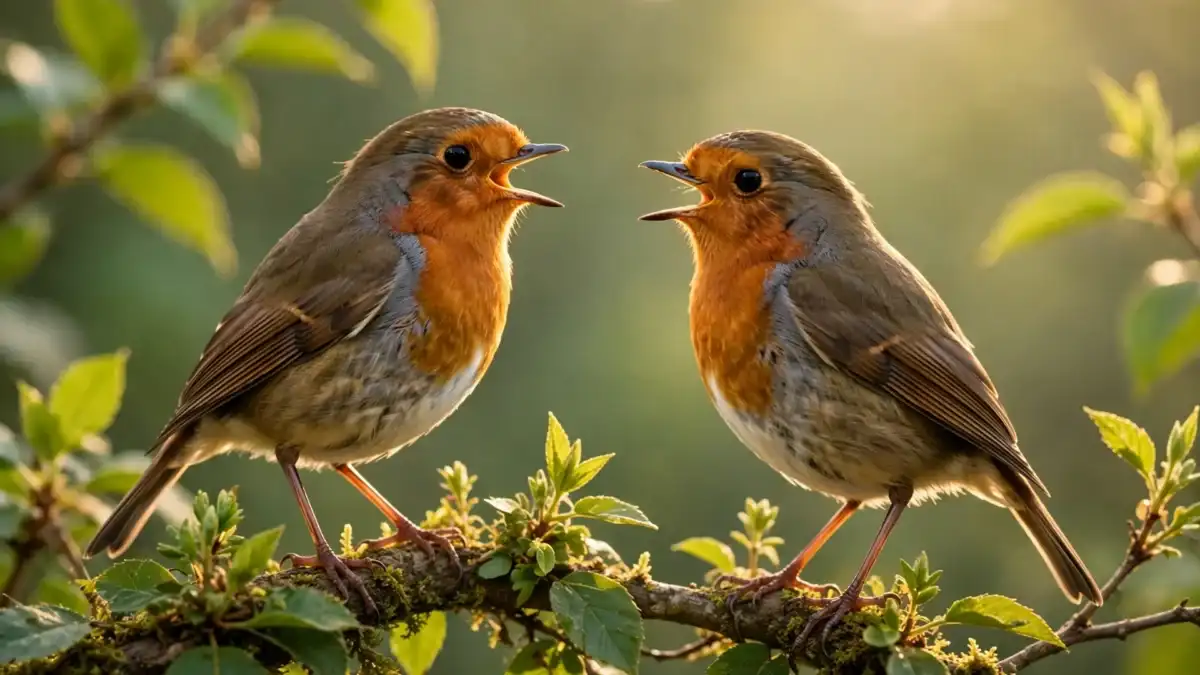
Yes, birds talk to each other constantly. They warn of predators, defend territory, attract mates, keep track of their flock, and call their chicks to food. They do all of this through songs, calls, and body language. What they do not do is hold conversations the way humans do. A robin cannot ask another robin how its day went, but it can say a great deal with a sharp alarm call, a repeated song, or a flick of its wings. Once you know what to listen for, a garden full of birds stops sounding like random noise and starts sounding like a busy neighbourhood.
The Short Answer: Yes, and It Never Really Stops
Birds communicate from dawn until dusk, and some species keep going through the night. Sound is their main channel because it travels through trees, across fields, and around corners where sight cannot reach. A bird hidden in dense leaves can still announce itself clearly to every other bird in the area.
Communication covers the essentials of survival. Birds use sound to claim a nesting territory, to find and keep a mate, to warn others about a hawk overhead, and to stay in contact with a moving flock. Young birds beg for food with calls that parents recognise instantly. None of this needs words. It needs a shared code, and birds have one.
How Birds Make Sound: The Syrinx
Humans speak with a larynx, a voice box at the top of the windpipe. Birds use a different organ called the syrinx. It sits much lower, at the base of the trachea where it branches into the two lungs. Air passing over membranes inside the syrinx creates sound, and muscles around it shape the pitch and tone.
The syrinx gives birds a remarkable trick. It has two sides, one for each bronchial tube, and a bird can control each side independently. That means some birds can produce two notes at once, or switch rapidly between a low note and a high note without a pause. The result is the rich, layered quality of a nightingale or a thrush song that a human voice cannot copy.
Size matters too. A syrinx in a sparrow is only about 8 millimetres across, yet the muscles around it are among the fastest known in any animal, contracting at remarkable speed. This speed lets birds pack dozens of notes into a single second of song.
Birds also shape sound after it leaves the syrinx. The trachea, mouth, and beak act as a filter, changing the tone of the note. A bird can open its beak wider to make a sound louder or shift its throat shape to change the pitch.
Songs vs Calls: Two Different Tools
Ornithologists split bird sounds into two broad groups: songs and calls. The distinction rests on length, complexity, and purpose. Songs are longer, more musical, and usually linked to territory and mating. Calls are shorter, simpler, and used for everyday business such as alarms, contact, and begging.
Both males and females use calls. Songs are more often sung by males, especially in temperate regions, but research over the past twenty years has shown that female song is far more common worldwide than early bird guides assumed. Female northern cardinals, for example, sing regularly and use song for many of the same reasons males do.
The table below sums up the main differences between the two types of vocalisation.
| Feature | Song | Call |
|---|---|---|
| Length | Seconds long, often repeated in phrases | Usually under a second, one or a few notes |
| Complexity | Many syllables, varied pitch and rhythm | Simple, often a single repeated note |
| Main purpose | Territory defence and attracting a mate | Alarms, contact, begging, food alerts |
| Who uses it | Often males, but many females too | Both sexes, all ages including chicks |
| When heard | Mostly breeding season, especially spring | All year round |
| Learned or innate | Often learned from adults in songbirds | Often innate, present from hatching |
Some species blur the line. Pigeons make short cooing sounds that function like songs, and woodpeckers drum on hollow wood to mark territory without singing at all.
What Birds Actually Say to Each Other
Most bird messages fall into a few clear categories. Each one solves a specific problem that birds face every day, from finding food to staying alive.
Territory warnings
A male songbird singing from a prominent perch is posting a notice. The message is simple: this patch of ground is taken, and any rival that enters will be challenged. Singing lets a bird defend a large area without patrolling every corner of it, which saves energy for feeding and nesting.
Rivals listen and respond. Two neighbouring males often sing back and forth, each matching the other phrase for phrase. Studies of song sparrows show that matching a rival song type is treated as a direct challenge, while switching to a different song can defuse the confrontation. Birds negotiate boundaries with song before they ever resort to chasing or fighting.
Mating and courtship
Song is also an advertisement. A male that sings long, complex, and often is signalling health, age, and experience to listening females. Females in many species choose mates partly on song quality, so the best singers tend to win the best territories and the most attentive partners.
Courtship communication goes beyond song. Pairs use soft contact calls to stay close while foraging, and some species duet, with male and female singing coordinated phrases together. Duetting strengthens the pair bond and tells neighbouring pairs that two birds hold this territory together.
Alarm calls that cross species lines
Alarm calls are the most urgent messages in the bird world. When a chickadee spots a hawk, it gives a sharp, high-pitched call that sends nearby birds into cover. The call is designed to be hard for the predator to locate, yet easy for other birds to hear and understand.
Remarkably, alarm calls are often understood across species. A robin that hears a chickadee alarm will freeze or flee even though it speaks a different vocal language. Mixed-species flocks rely on this shared warning system, and birds that forage together learn the alarm calls of their regular companions. The more “dee” notes a chickadee adds to its call, the greater the danger it signals, and listening birds respond in proportion.
Contact calls and flock coordination
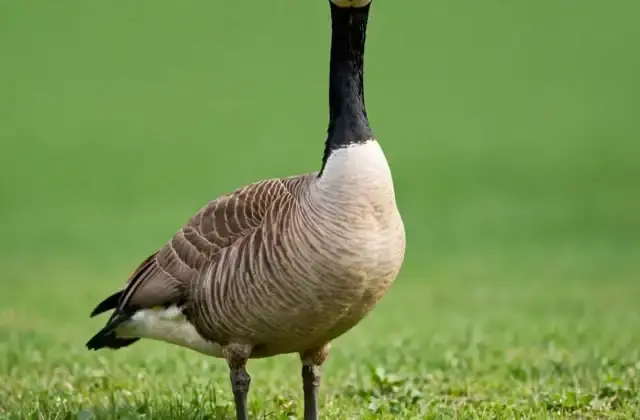
Flocks stay together with contact calls, short sounds repeated at regular intervals. A Canada goose honking in flight is telling the flock to follow, and a robin foraging in bushes gives quiet “tut” notes so its mate knows where it is. These calls act like a running roll call that keeps the group from splitting apart.
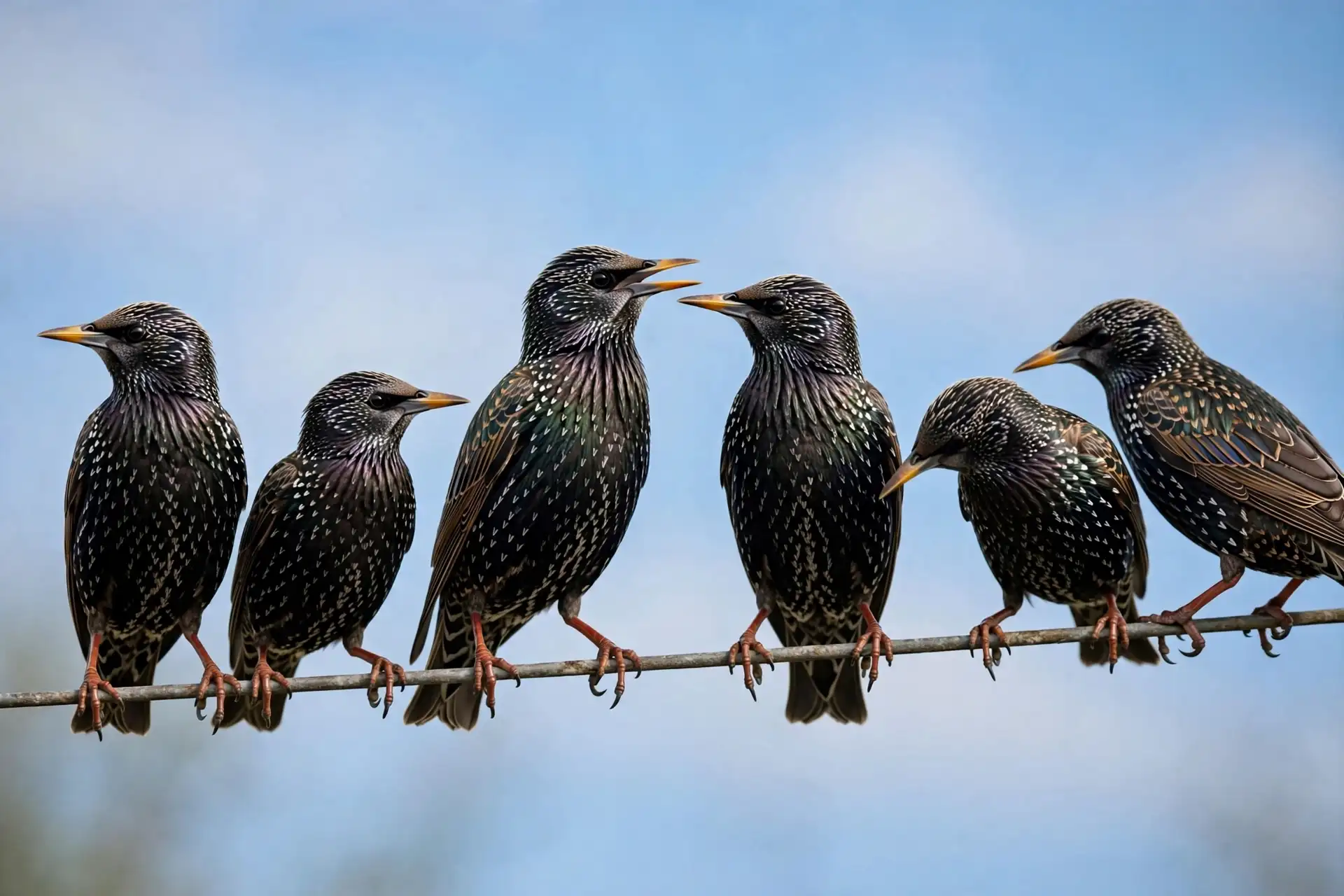
Contact calls matter most for birds that feed while moving, such as finches and starlings. When a flock lifts off, contact calls help stragglers find the group again. Young birds use a special version to keep track of their parents, and parents answer so the chick knows where to go.
Food calls
Some birds announce food. Chickadees and titmice give a specific call when they find a rich food source, and other members of the flock come to investigate. Jays do something similar when they find a pile of acorns. Sharing the news helps the whole group, and the caller benefits too because more eyes watching for predators means safer feeding.
Chicks beg with loud, insistent calls that tell parents they are hungry. Parents learn to recognise the calls of their own chicks, and in dense colonies such as cliff-nesting seabirds, a parent can pick its own chick out of hundreds by voice alone. The begging call also signals how hungry the chick is, so parents can decide which chick to feed first.
Do Birds Learn Their Language?
Many songbirds learn their songs the way children learn speech. A young male listens to adult males, usually his father and neighbours, and practises until his song matches the local version. Birds raised without hearing adult song develop only a rough, simplified version of the species song.
Learning creates regional dialects. White-crowned sparrows in one valley can sing a measurably different version of the species song from birds in the next valley, and birds respond more strongly to their own local dialect. These dialects pass from one generation to the next, shifting gradually as young birds add small changes of their own.
Not all bird sounds are learned. Calls are often innate, meaning a chick can produce them without ever hearing an adult. A newly hatched chick gives a distress call the first time it is handled, and it needs no lesson to do so. The split between learned song and innate calls is one of the reasons scientists study birds to understand how vocal learning evolved.
The learning window is limited. Most songbirds learn during their first year, and after that their song becomes fixed. A few species, such as canaries and starlings, keep learning new sounds throughout their lives, which is why a starling in spring may sound different from the same bird in autumn.
The Dawn Chorus Explained
The dawn chorus is the loudest and most concentrated burst of bird communication of the day. Just before sunrise, male songbirds of many species sing at full volume from exposed perches, filling the air with overlapping songs. It is one of the most impressive soundscapes in nature, and it has a clear purpose.
Singing at dawn is a display of condition. A male that has survived the night and still has energy to sing is advertising that he is healthy and his territory is worth holding. Cool, still air at dawn also carries sound further than warm, turbulent air later in the day, so the message reaches more listeners.
The chorus is mainly a breeding season event. It peaks in spring when territories are being claimed and mates are being chosen, then fades as summer progresses and birds switch to feeding chicks. Some species, such as robins and blackbirds, start singing before first light, while others join as the sky brightens. Our guide to why birds chirp in the morning explains the timing species by species.
Body Language: Talking Without Sound
Sound is only half the conversation. Birds use posture, feather displays, and movement to send messages that sound alone cannot carry. A bird that puffs up its feathers looks larger and more threatening to a rival, while a bird that crouches low with its feathers slicked flat is signalling submission or fear.
Wing flicks, tail flicks, and head bobs all carry meaning. A robin flicking its wings while facing a rival is showing agitation. A jay raising its crest is showing alarm or excitement. Courtship displays are the most elaborate form of visual communication, from the dancing of cranes to the fanned tail of a peacock.
Visual signals work best at close range, which is why they dominate courtship and aggression between birds that can see each other clearly. Sound works at long range, which is why it dominates territory defence across a wood. Together, the two channels give birds a flexible system for every situation they face.
Mimics and Copycats: Lyrebirds, Mockingbirds, and Parrots
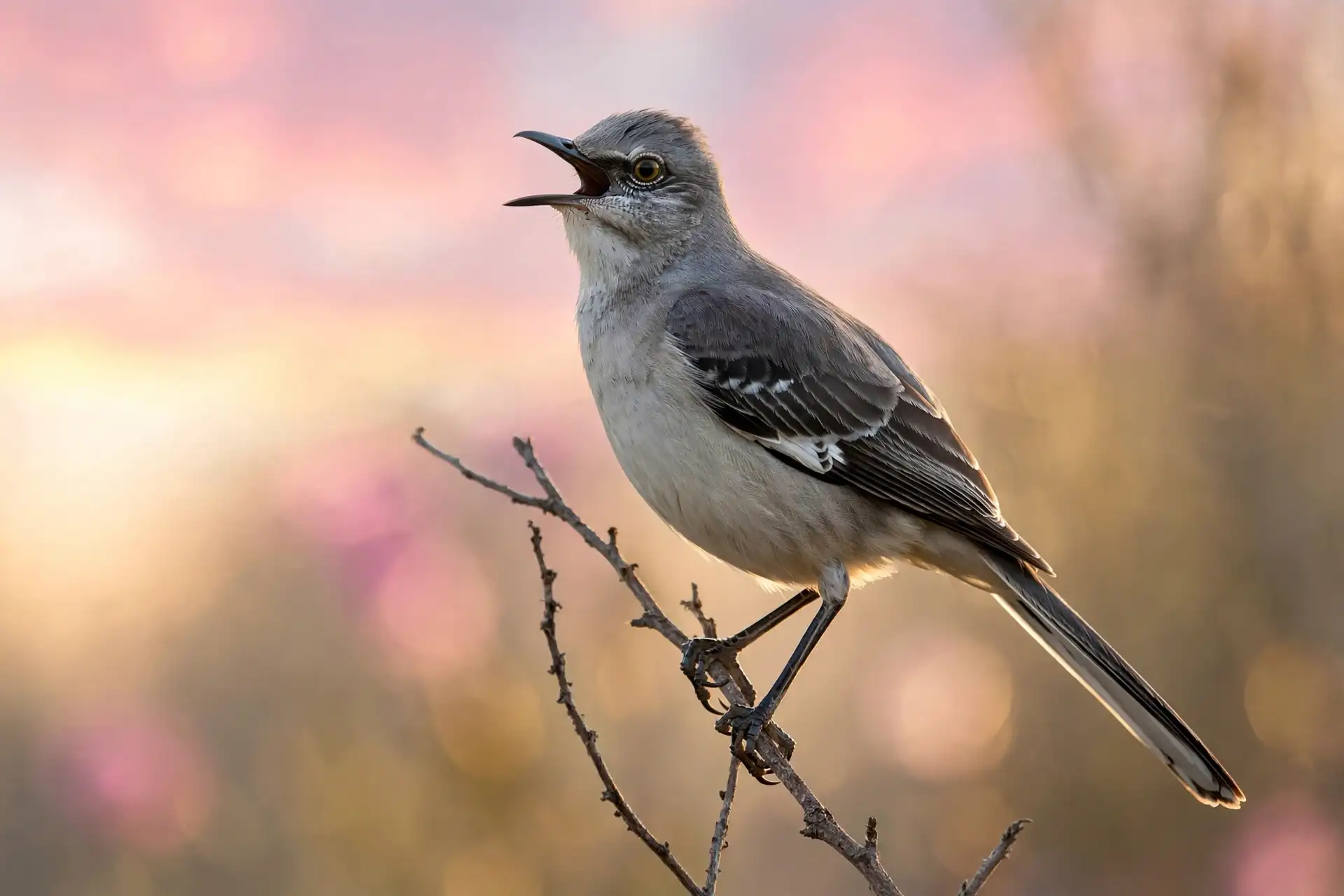
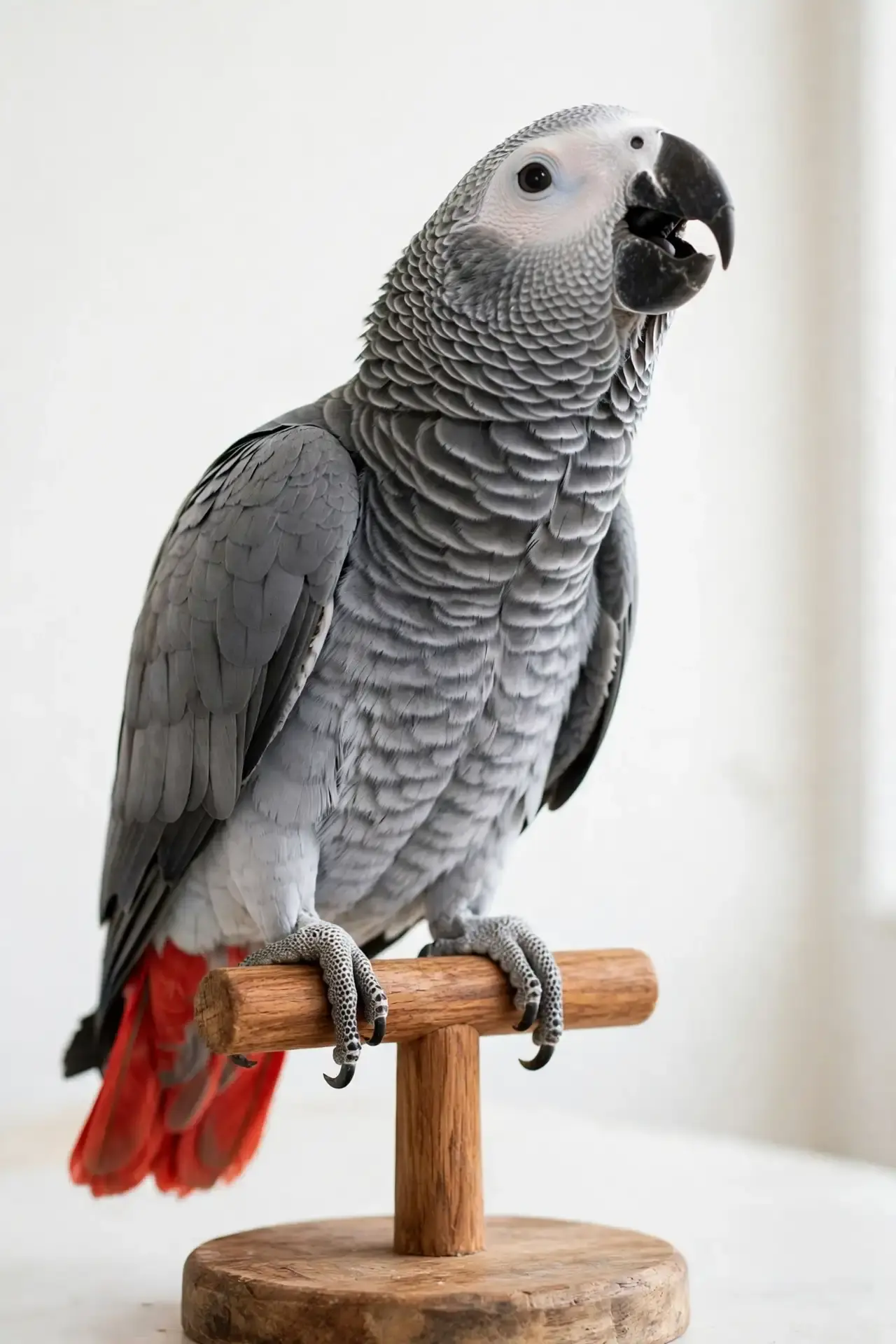
A few birds are famous for copying sounds they hear. Lyrebirds in Australia can imitate chainsaws, camera shutters, and the songs of a dozen other species. Northern mockingbirds repeat the songs of other birds in long, confident sequences. African grey parrots can copy human words with startling accuracy.
Mimicry is impressive, but it is not conversation. A mockingbird that copies a cardinal song is not telling the cardinal anything. It is using borrowed sounds as part of its own display, often to impress a mate or to confuse rivals.
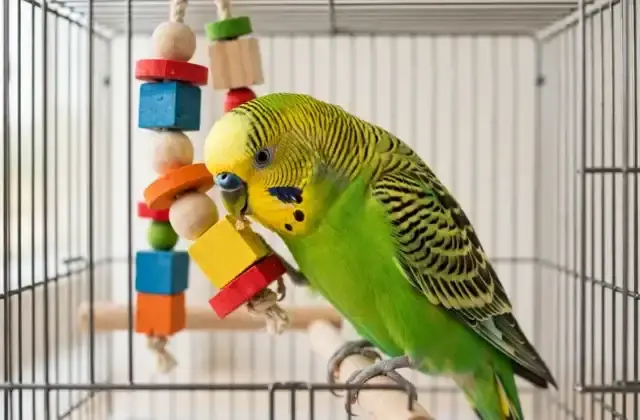
Parrots are the exception that proves the rule. African greys can learn to associate specific words with specific meanings, and some individual birds have learned to use words in context, such as asking for a particular food. Even so, this is a learned skill in captivity, not a natural language that wild parrots use with each other. Wild parrots communicate with their own species-specific calls, not with human words.
Can Birds Understand Other Species?
Yes, up to a point. Birds learn to recognise the calls of species they share habitat with, especially alarm calls and food calls. This cross-species understanding is most developed in mixed-species flocks, where birds of several species forage together and rely on each other for warnings.
Understanding is not the same as speaking. A nuthatch that flees at a chickadee alarm call is not producing chickadee sounds itself. It is recognising a signal that means danger and acting on it, a skill learned by watching older birds react.
Some birds go further and eavesdrop on other species for information about food. Jays watch where other birds hide seeds and later steal the caches. Crows listen to the calls of ravens to find carcasses. Bird communication is a public broadcast, and any bird that learns the code can use it.
Do Birds Talk at Night?
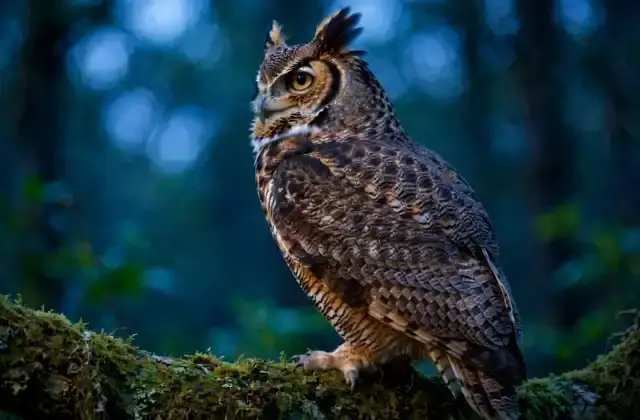
Most birds fall silent after dark, but a few species are active and vocal at night. Nightingales sing through the night during breeding season, and owls hoot to defend territory and contact mates. Nightjars and whip-poor-wills call in the dark hours of summer, and migrating birds give short flight calls as they pass overhead.
Night calling has different rules. Sound travels well in cool night air, and there is less competition from other birds, so a night singer can be heard over a long distance. The risks are different too, since calling in the dark can attract predators that hunt by sound. That is why most birds stay quiet at night and save their loudest communication for daylight. Our guide to why birds chirp at night covers the nine main reasons in detail.
How Well Do Birds Hear Each Other?
Communication only works if the listener can hear the message clearly. Birds hear a similar range of frequencies to humans, roughly 1 to 4 kilohertz for most songs, but they process sound much faster. A bird can distinguish two notes separated by a few milliseconds, which is why songs that sound like a blur to us are full of detail to a bird.
Birds also hear sounds that humans miss. Some species produce very high or very low notes at the edge of human hearing. Hearing is so important that their ears are specialised for locating sound precisely, which helps them find a singing rival or a calling mate in dense cover. Our guide to whether birds have ears explains how their hearing works and why it is so sharp.
Listen for Yourself: A Simple Five Step Routine
You do not need expensive equipment to start understanding bird communication. A quiet morning, a notebook, and ten minutes are enough to hear the difference between songs and calls.
- Pick one spot: Choose a garden, park, or woodland edge and visit it at the same time each morning.
- Listen before you look: Close your eyes for two minutes and count how many different sounds you can hear.
- Separate songs from calls: Long, musical phrases are songs, while short chips and chirps are calls.
- Watch the singer: When you hear a song, find the bird and note its posture, perch, and behaviour.
- Repeat and compare: Visit the same spot for a week and notice how the sounds change as birds pair up and territories settle.
Recording apps can help you identify species from their songs, but your own ears are the best tool. The more you listen, the more patterns you will notice, and the more the dawn chorus will start to sound like a conversation rather than a wall of sound.
Frequently Asked Questions
Do birds talk to each other with words?
No. Birds do not use words or grammar the way humans do. They use songs, calls, and body language to send specific messages such as warnings, territory claims, and mating signals. These messages are real and meaningful, but they are not sentences.
Can birds understand human speech?
Some pet parrots learn to associate human words with objects and actions, and a few have used words in context. This is a learned skill in captivity. Wild birds do not understand human speech, though they can learn to recognise the sound of a familiar human voice.
Why do birds sing in the morning?
The dawn chorus is mainly males defending territory and attracting mates at a time when sound carries well and most birds have not yet started feeding. Singing at dawn also signals that the bird survived the night in good condition.
Do all birds sing?
No. Most songbirds sing, but many other birds do not. Jays rarely sing, cedar waxwings do not sing at all, and birds such as woodpeckers use drumming instead of song. Every bird species has some form of vocal communication, but song is only one form of it.
Can birds learn new songs?
Many songbirds learn their songs from adults during their first year, and some species keep learning throughout life. Starlings and canaries can add new phrases every season. Calls, by contrast, are usually innate and need no learning.
The Bottom Line
Birds talk to each other all day, every day, through a system of songs, calls, and body language that is far richer than most people realise. They warn, court, negotiate, and coordinate without ever using a single word. The next time you hear a robin singing at dawn or a chickadee sounding the alarm, you are not hearing noise. You are hearing a conversation, and with a little practice, you can learn to follow it.
Further reading: the Wikipedia overview of bird vocalization covers the science of songs and calls in depth, Mass Audubon explains the difference between bird songs and bird calls, and the Field Museum describes how the syrinx works.