

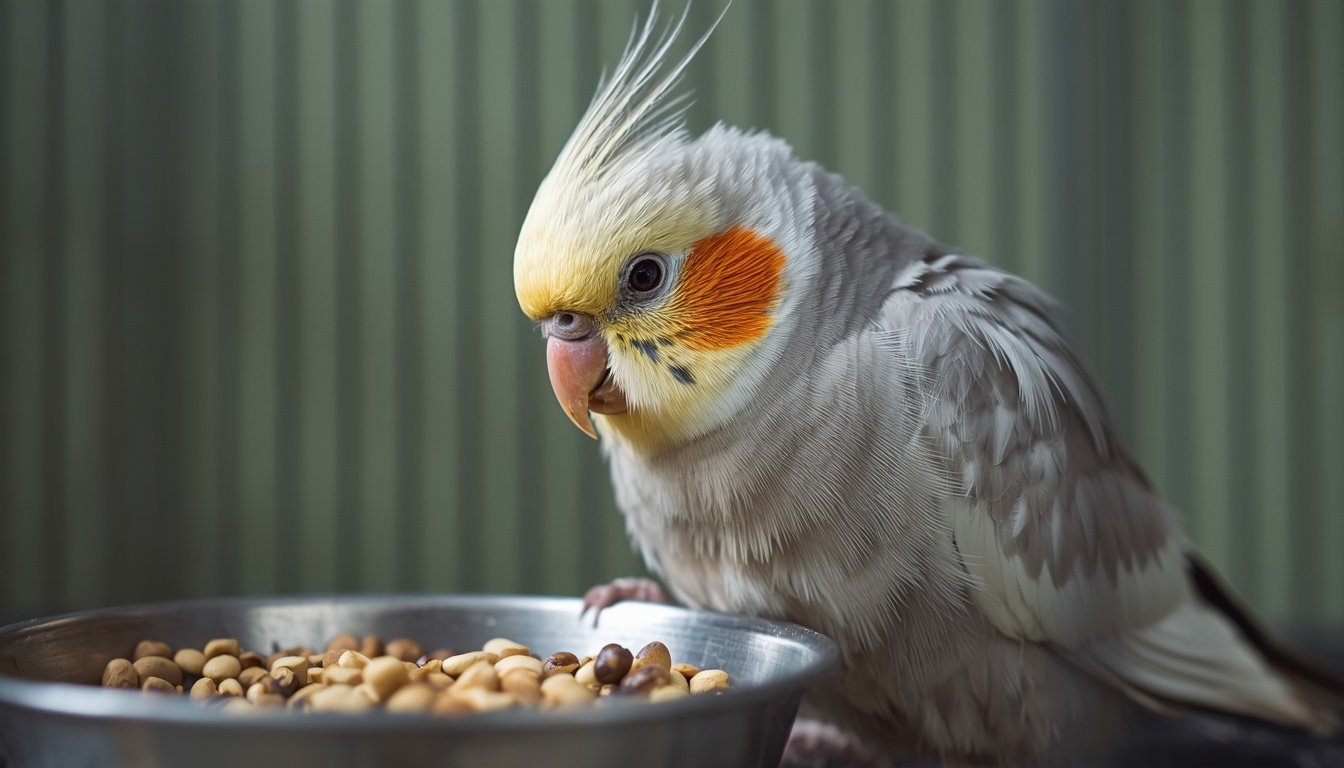
Why is my cockatiel not eating and refusing it? It’s a scary question for any bird owner & one that you just can’t brush off. A little cockatiel has a super fast metabolism and can go downhill pretty quickly if it doesn’t get enough to eat for too long.
Sometimes the reason is pretty straightforward, like it’s stressing about a new cage. It just can’t get used to switching from seeds to a pellet diet. OR it’s been having a tough time adjusting to its new home and won’t feel comfy enough to really settle in until it does.
Your cockatiel might even go off its favorite treats like millet for no reason at all, but also be aware that loss of appetite can be a sign of much more serious problems like digestive issues, infections, reproductive issues, or other nasty illnesses.
The thing is, birds tend to hide when they’re not feeling well, so by the time you notice any warning signs, it’s often too late & their condition has gotten a lot worse.
So keep an eye out for things like it staying fluffed up all the time, sleeping loads, getting weak, not wanting to sit on its perch, or just sitting on the cage floor – if you spot any of those signs, get in touch with an avian vet ASAP.
Why Is My Cockatiel Not Eating?
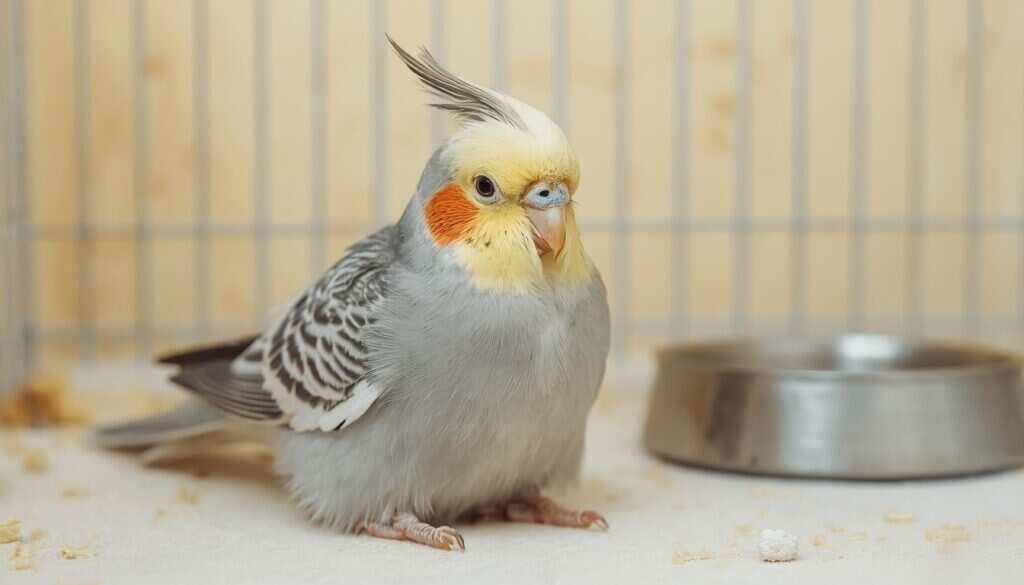
If you’re asking yourself why your cockatiel isn’t eating, first take a step back and see whether your bird is just eating a lot less or has all of a sudden stopped eating altogether. Sometimes a new cockatiel just needs some time to get used to its new digs and will take a little while to start eating normally again.
On the other hand, a bird may want to reject something new but still have a hankering for its usual grub. Lafeber Pet Birds says that stress is a pretty common thing when a new bird comes into your home, and you just have to be extra careful if a young cockatiel chick isn’t eating as it should.
Especially when it’s just a few weeks old and just starting to get used to eating on its own. If your bird is suddenly refusing both food and water, you really need to get them seen to fast.
That’s not normal, and Lafeber and the experts are quite clear on that: appetite loss is more of a symptom than a disease itself, and can be a sign that something is really wrong, whether that’s illness, anorexia, or just feeling really lethargic.
10 Common Reasons Why Your Cockatiel Is Not Eating
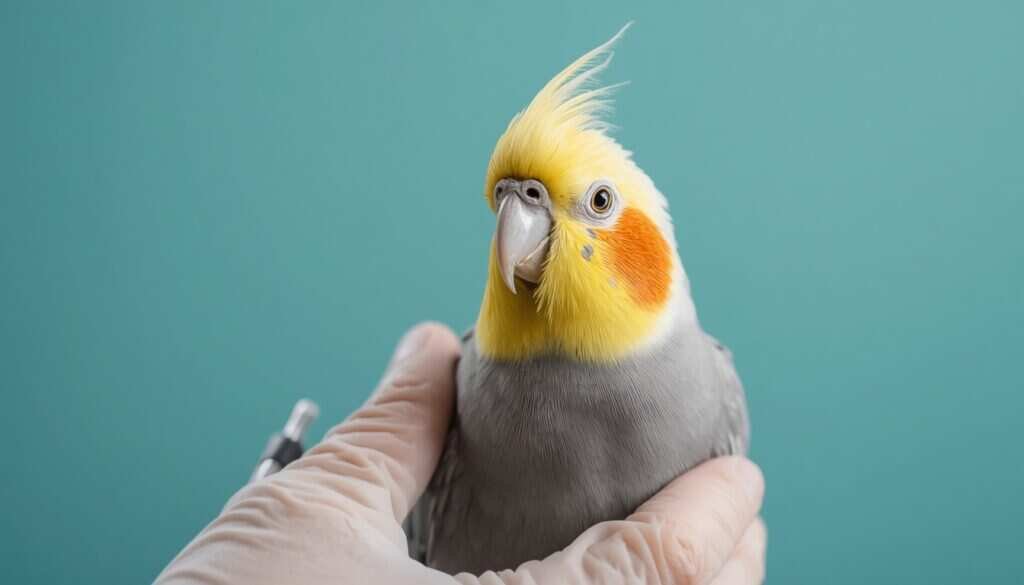
1. Stress From a New Home or Environment
A new cockatiel can really struggle to eat and drink normally when it first moves into a new place – that’s just the way it goes. If a cockatiel just stops eating altogether, stress might be the reason, but if it keeps on refusing food and water, you need to be on it straight away.
- A new bird just needs a bit of time to feel safe in its new digs, especially when it’s brought home for the first time or if its cage gets moved. A cockatiel needs to feel safe before it’ll eat properly.
- Changes in the household can also be an explanation for a cockatiel not eating new family members or pets, a noisy household with a budgie flying round the place, or even some loud construction work outside can all contribute.
- Diet and age can also play a role – if a cockatiel chick isn’t eating at just a few weeks old, you need to figure out if it’s fully weaned yet. And don’t even think about trying to hand feed it that’s a recipe for disaster unless you know what you’re doing.
- Making the food and water environment comfortable can help using millet spray or providing familiar food can sometimes persuade a cockatiel to start eating again.
- But here’s the thing: cockatiel owners need to keep a close eye out for this stuff – you can’t just assume that an appetite loss is just because the bird is stressed. A healthy cockatiel should be eating normally if it’s not, there’s probably something going on that needs to be addressed.
2. Sudden Diet Changes or Picky Eating
A cockatiel may refuse to eat when its familiar seed mix is suddenly replaced with pellets, vegetables, or a different brand of food. Changes in textures, colors, taste and smells can make even tame cockatiels suspicious of unfamiliar meals.
- Avoid sudden switches: Before feeding your cockatiel a new diet, ask what diet it previously ate, especially if you recently brought him home.
- Make gradual changes: Mix small amounts of pellets with familiar seeds and give the bird time and patience to explore them.
- Offer variety: You can try offering food such as cooked sweet potato or brown rice alongside its regular diet.
- Watch actual intake: Do not assume your bird is eating well simply because you see him eat or nibble occasionally.
- Monitor carefully: Ensure your cockatiel gets enough to eat during any dietary transition and never force feed without veterinary guidance.
3. Spoiled, Stale, or Unfamiliar Food
Sometimes, the problem is inside the food bowl itself. Old seeds, damp pellets, mold contamination, or a sudden change in the food brand can cause a cockatiel to reject food or become sick.
- Check freshness: Seeds and pellets should smell fresh and remain dry. Discard anything moldy, damp, stale, or unusually discolored.
- Clean dishes daily: A dirty feeder or new feed dish may collect droppings, moisture, and harmful bacteria.
- Store food correctly: Keep the seed mix and pellets in sealed containers away from heat, humidity, and direct sunlight.
- Avoid unnecessary extras: Do not add any supplements to food or water unless an avian veterinarian recommends them.
- Offer fresh meals: Provide fresh food and clean water daily, and remove perishable foods in the cage before they spoil.
4. Illness or Infection
When a cockatiel suddenly stops eating, illness must always be considered. Appetite loss alone cannot identify a specific disease, but a bird that appears lethargic, unusually quiet, or stops being talkative may not be feeling well.
- Possible infections: Bacterial, fungal, and viral diseases can all reduce appetite and energy.
- Respiratory problems: Psittacosis and other respiratory illnesses may cause nasal discharge, breathing difficulty, or unusual tiredness.
- Digestive disease: Gastrointestinal problems can affect appetite and produce an abnormal dropping pattern.
- Watch for warning signs: Fluffed feathers, weakness, breathing trouble, or sitting on the bottom of the cage require serious attention.
- Act quickly: If these symptoms appear together, contact a vet as soon as possible. Severe breathing difficulty or collapse means seeing a vet immediately.
5. Digestive Problems or Crop Issues
A cockatiel may stop eating when food is not moving normally through its crop and digestive system. Crop stasis, infection, blockages, or delayed emptying can leave a bird uncomfortable, weak, and unwilling to eat.
- Crop stasis: Food remains in the crop longer than normal instead of passing through the digestive tract.
- Infection or blockage: Bacteria, yeast, or foreign material may interfere with normal digestion.
- Watch for vomiting: Forceful vomiting, head shaking, and food scattered around the cage differ from controlled, affectionate regurgitation.
- Avoid home treatment: Never force feed or give baby food without professional instructions, as incorrect feeding can cause aspiration.
- Seek veterinary help: If the bird cannot keep food down, becomes lethargic, or stops producing normal droppings, veterinary assessment is essential.
6. Grit or Foreign-Body Impaction
Cockatiels naturally hull seeds before swallowing them, so they generally do not need grit to eat the seed or digest a normal diet. Excessive grit, sand, fibers, bedding, and other non-food materials can potentially create dangerous digestive problems.
- Remove risky materials: Check the cage for loose fibers, sand, damaged toys, bedding, or objects your bird may nibble and swallow.
- Avoid unnecessary grit: Unlike birds that swallow seeds whole, cockatiels remove the outer hull before eating.
- Watch behavior closely: Reduced appetite, vomiting, weakness, or abnormal droppings can be important warning signs.
- Check living conditions: Safe living quarters reduce exposure to objects that may be accidentally swallowed.
- Get professional help: A suspected blockage cannot be reliably diagnosed at home. If your cockatiel deteriorates or stops eating completely, contact an avian vet promptly.
7. Beak, Mouth, or Dental-Type Problems
Sometimes a cockatiel wants to eat but physically cannot. An overgrown beak, injury, mouth lesion, infection, or pain while cracking seeds can turn every attempt at eating into an uncomfortable experience.
- Watch the food bowl: Your cockatiel may approach the feeder, pick up food, and repeatedly drop it without swallowing.
- Check eating ability: A bird that tries to eat the seed but cannot crack or swallow it may have a physical problem.
- Notice personality changes: A normally talkative bird may become quiet when experiencing pain.
- Try offering food carefully: Familiar soft foods may help entice interest, but they should not replace veterinary evaluation.
- Seek expert care: Never trim or reshape an abnormal beak yourself. Persistent eating difficulty requires examination by an avian veterinarian.
8. Egg Binding or Reproductive Problems in Female Cockatiels
Female cockatiels can develop reproductive problems that quickly affect appetite and energy. Egg binding occurs when a bird cannot pass an egg normally and may become a life-threatening emergency without prompt treatment.
- Recognize warning signs: Weakness, straining, a swollen abdomen, reduced appetite, and difficulty producing a normal dropping may signal trouble.
- Observe cage position: A female repeatedly sitting on the bottom of the cage or appearing too weak to perch needs urgent attention.
- Consider nutrition: Calcium deficiency and nutritional imbalances can contribute to reproductive complications.
- Do not delay: Never attempt to manually remove an egg or force feed a weak bird at home.
- Get emergency care: Severe weakness, breathing difficulty, or suspected egg binding means you should contact a vet immediately.
9. Organ Disease or Other Serious Medical Conditions
A cockatiel that stops eating may have an underlying condition involving the liver, kidneys, nutrition, tumors, or toxin exposure. Unfortunately, these problems often produce similar symptoms, making accurate home diagnosis impossible.
- Look for broader changes: Weight loss, unusual thirst, abnormal droppings, weakness, and reduced activity may accompany organ disease.
- Notice personality differences: A normally active bird may stop its usual whistle, become less talkative, or appear unusually withdrawn.
- Consider toxin risks: Unsafe metals, fumes, household chemicals, and toxic foods can cause sudden illness.
- Do not guess: Similar warning signs can occur with several unrelated medical conditions.
- Arrange testing: Bloodwork, imaging, and other veterinary tests may be needed to identify the cause. If your bird is extremely weak or struggling to breathe, see a vet immediately.
10. Pain, Injury, or General Weakness
Falls, wing injuries, leg injuries, internal pain, trauma, or extreme weakness can cause a cockatiel to become quiet and lose interest in food. A bird that is afraid to move because of pain may stay in one position and avoid its feeder.
- Watch for physical changes: Limping, drooping wings, poor balance, or difficulty gripping a perch may indicate injury.
- Notice unusual silence: A bird that normally likes to whistle but suddenly becomes withdrawn may be experiencing discomfort.
- Provide comfort: Keep the cage calm and away from a high traffic area to create a greater feeling of comfort.
- Avoid forced handling: Excessive handling can increase stress and worsen possible injuries.
- Know when to act: A bird that becomes extremely weak, stops eating, or remains on the cage floor needs veterinary attention without delay.
How Long Can a Cockatiel Go Without Eating?
There is no single safe number of hours that every cockatiel can survive without food. Small birds have fast metabolisms and limited energy reserves, so a cockatiel not eating can become weak quickly.
The level of risk depends on the bird’s age, overall health, hydration, environmental temperature, underlying illness, and whether it is secretly consuming small amounts of food.
Extra caution is essential if a cockatiel chick is not eating, as young birds may be especially vulnerable, particularly during weaning. Waiting for a fixed 12- or 24-hour deadline can be dangerous if the bird already looks unwell.
A cockatiel showing persistent fluffed feathers, weakness, vomiting, breathing difficulty, rapid weight loss, fewer droppings, or sitting at the bottom of the cage needs urgent veterinary attention. In these situations, contact an avian veterinarian immediately, regardless of exactly how many hours have passed.
Final Thoughts: Never Ignore a Cockatiel That Stops Eating
A cockatiel not eating may simply be reacting to stress, a new environment, unfamiliar food, or a sudden change in routine. However, complete food refusal should never be ignored, especially when accompanied by lethargy, persistent fluffed feathers, rapid weight loss, breathing problems, vomiting, or sitting at the bottom of the cage.
Extra caution is necessary when a cockatiel chick is not eating, as young birds have limited energy reserves and may weaken quickly. Cockatiels naturally hide signs of illness, so visible symptoms may not appear until a health problem has already progressed.
Monitor your bird’s food intake, droppings, weight, and behavior closely. If something seems wrong or your cockatiel continues refusing food, contacting an avian veterinarian promptly is always safer than waiting for the bird to become visibly weaker.


[…] Cockatiel Not Eating: Causes and When to Worry […]