

Birds do sneeze! A healthy bird will sneeze occasionally throughout the day. However, they do not sneeze as loudly as we do. Often it is a quick head twitch and a gentle puff of air so many owners don’t notice their bird sneezing until they start to do it frequently.
However, this can be confusing. Is this just a normal issue with dust or is this the start of a respiratory problem? It depends on how often the bird sneezes, what comes out of their nostrils and any other changes in the bird.
What a Bird Sneeze Actually Looks Like
Usually a bird will not make the sound associated with the word sneeze. Budgies and finches may just make a small clicking noise or a soft pfft while moving their head slightly. Larger parrots may make a more pronounced puffing sound with some clear droplets of fluid. Some birds will sneeze in a couple of short bursts, 2 or 3 times, especially after a bath, preening or shaking of their dusty feathers. Whereas others may just sneeze once, move their head and carry on as normal.
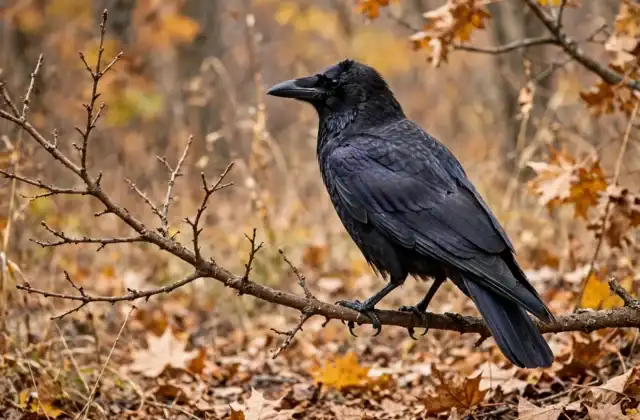
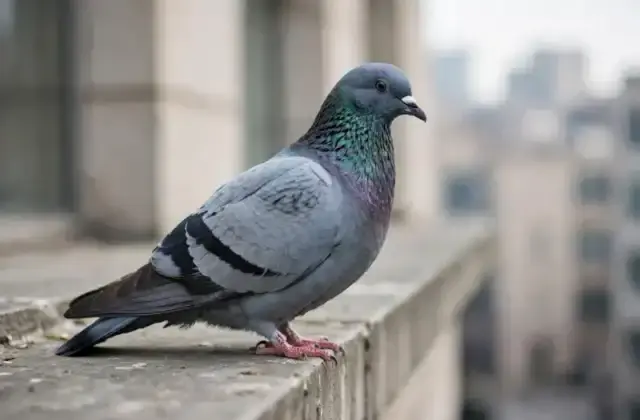
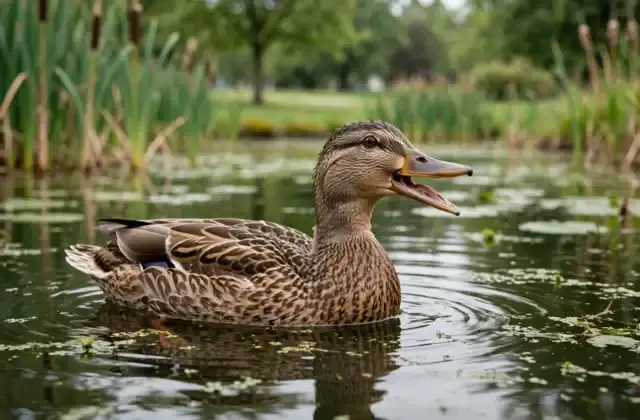
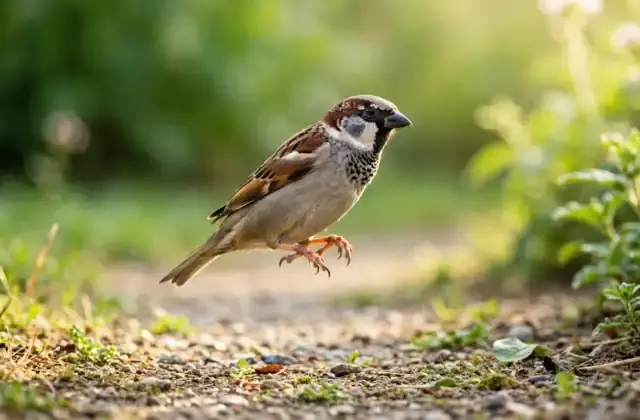
Wild birds do sneeze too, although rarely. A robin shaking its head after dust bathing, a duck jerking its head after dipping its bill, and a pigeon flicking its head on a dusty ledge are all trying to clear their upper airways.
As a quick and quiet action it can be difficult to notice, hence the myth that birds cannot sneeze. However, they can sneeze, just like humans, as something has irritated the inside of their nose and their body has tried to remove it.
How Sneezing Works Without a Diaphragm
Birds have a very different breathing system from mammals. They do not have a diaphragm. Birds use their chest and abdominal muscles to move air around their lungs which are rigid and attached to a complex system of air sacs. Air can only move in one direction through their lungs.
That system is remarkably efficient for flight, but it also means airborne particles and pathogens can travel deep into the body quickly once they pass the upper airways.
Sneezing is part of this early defense system. Air is taken in through the nares which are small holes in the lower part of the upper beak. The air passes down the nasal passages which are covered in mucus and small hairlike cilia to trap dust and debris.
If the irritant is too strong for these defenses, the sensory nerves cause a reflex that rapidly contracts the chest and abdominal muscles. This causes air to be forced out of the nares removing the irritant. Some species have additional filters.
For example, the small flaps known as opercula which cover the nares of pigeons and doves. This is a much more simple mechanism than a human sneeze but fulfills the same purpose of clearing the air passage before trouble travels deeper.
That efficiency cuts both ways. A healthy bird will sneeze a couple of times to remove the dust and move on. However, if the bird has an existing issue with their airways (infection, poor air quality or vitamin A deficiency causing weak mucous membranes) they will sneeze more frequently, because the defenses are already struggling. The frequency of sneezing is the most useful thing to monitor as an owner. An occasional sneeze is maintenance. A pattern of sneezing is a message.
Normal Sneezing: What Counts as Ordinary
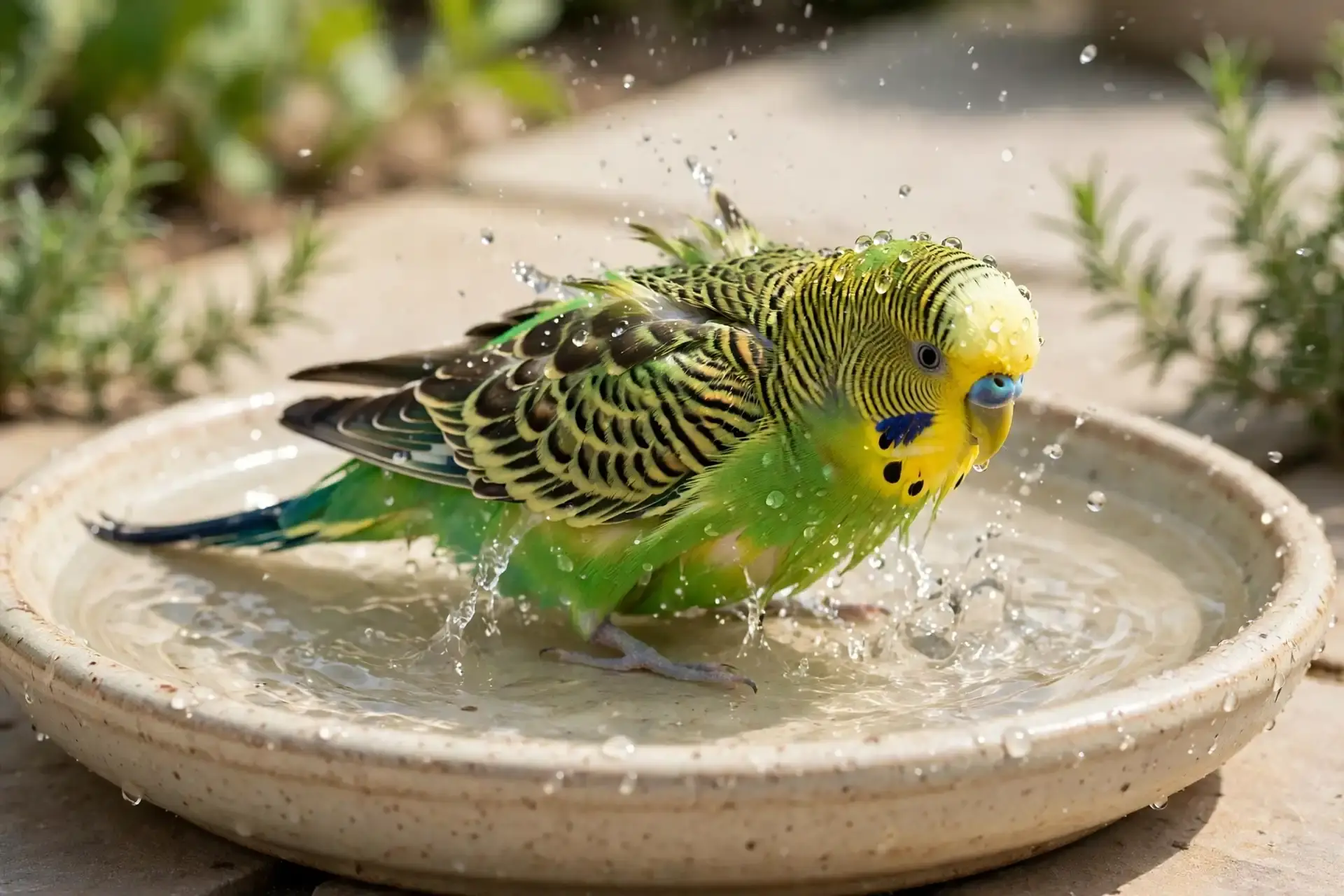
Most healthy birds will sneeze a couple of times a day. There are certain times that will cause them to sneeze. After a bath or misting they will sneeze as the water goes into their nares and then comes out again. This helps to clear out any dry mucus or dust from their nasal passages.
Feathers shed during preening and molting can cause dust and small particles to enter the nostrils. Cockatiels, cockatoos and African greys are notorious for creating more dust. It is also very common for them to sneeze after eating when a seed hull or crumb gets into their nares.
Typical sneezing is not constant, but occasional. There will be no discharge or just clear fluid. The bird will behave and appear normal. It will be feeding, drinking, preening, calling and moving normally.
The nostrils look clean between sneezes, with no crusting, swelling, or colored discharge. This means that a sneeze is not a symptom, but the normal function of the respiratory system. You would not try to prevent a human from clearing their throat after a dusty walk.
Another bad habit to avoid is thinking that one sneeze is an emergency situation. Like humans, birds will sneeze after a sneeze-inducing event. If there has only been one incident with nothing else changing then it is worth noting but shouldn’t be an emergency.
Watch for a day, note how often it happens and whether anything else changes, and you will usually find the pattern settles on its own. The time to act is when the pattern does not settle, or when other signs join it.
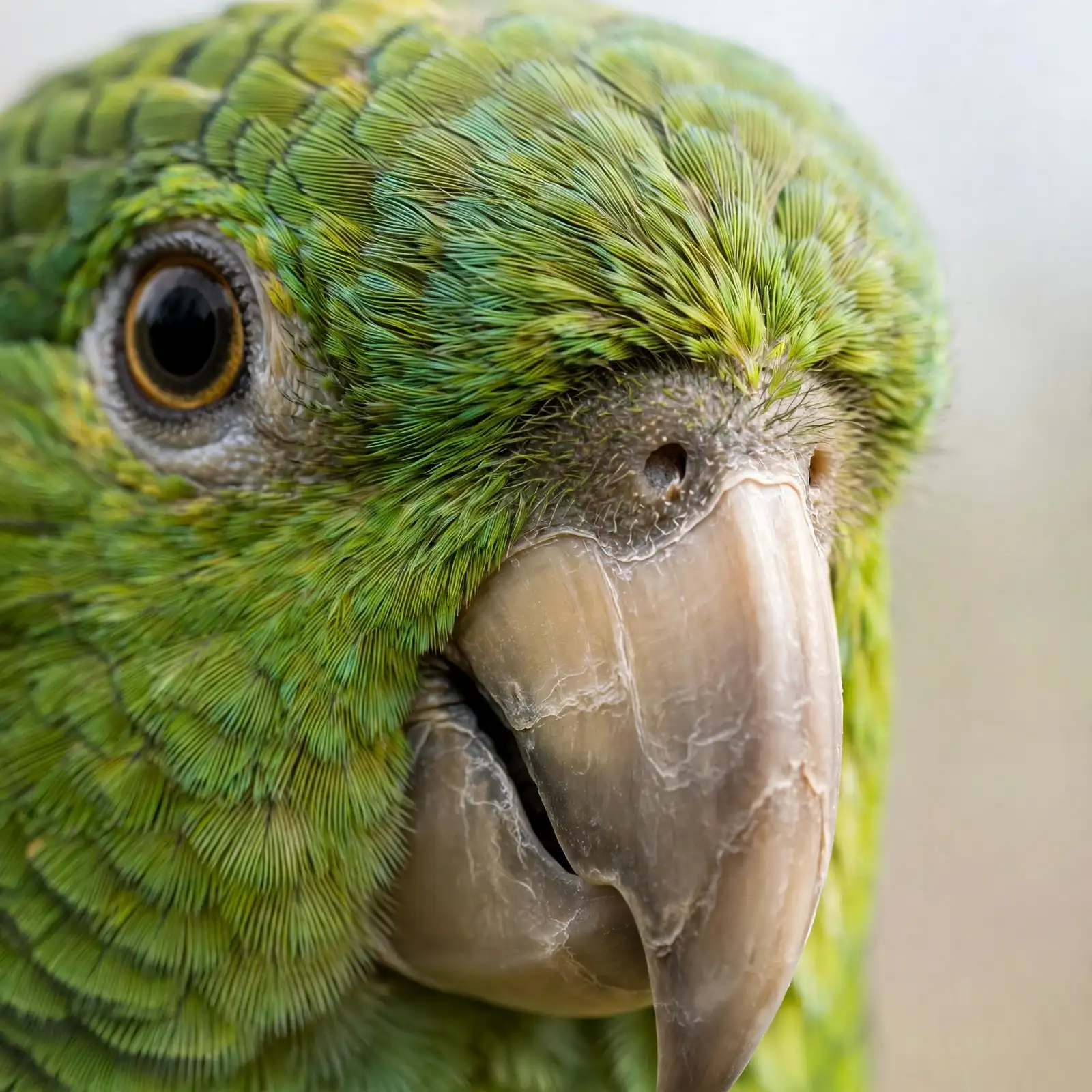
Everyday Triggers, From Dust to Dry Air
The majority of sneezing that can cause concern for owners has an environmental cause sitting in plain sight. The table below shows the most common causes and how they can be resolved without visiting your vet.
| Trigger | Why it causes sneezing | What to do |
|---|---|---|
| Feather dust and dander | Powder-down species and moulting birds fill the air with fine particles | Improve ventilation, bathe or mist the bird regularly, clean the cage often. |
| Dry indoor air | Heated homes dry the nasal membranes, making them twitchy | Run a humidifier nearby, offer regular baths, avoid placing the cage beside a radiator. |
| Dusty seed, bedding, or litter | Seed hulls and dusty bedding release particles every time the bird moves | Switch to a low-dust bedding, sieve dusty seed, clean food dishes daily. |
| Smoke and fumes | Cigarette smoke, candles, incense, and cooking fumes irritate sensitive airways | Keep the bird’s room smoke free, never use non-stick cookware fumes or air fresheners nearby. |
| Perfume and cleaning sprays | Aerosols and strong scents hit the nares directly | Clean with plain water and bird-safe products, never spray anything near the cage. |
| Pollen and outdoor dust | Seasonal pollen drifts through open windows and aviary mesh | Limit exposure on high-pollen days, keep wild-bird feeding areas clean. |
Two triggers deserve emphasis because owners underestimate them. The first is dry winter air: when you turn on the heating at home, many tropical species will begin to sneeze more. These include Amazon parrots and macaws who are used to a humid climate. Usually using a humidifier and regular bathing will help.
Secondly, scented products. Birds have a much more sensitive respiratory system than humans do. So if you have a plug-in air freshener or scented candles that you find only have a light scent, they can be a constant irritant to your bird in the same room. Removing the product is a better test than any supplement. If your bird’s sneezing fades within a few days then you have found the cause.
Why Some Birds Sneeze More Than Others
Every species will sneeze differently. Understanding what your bird’s norm is will prevent any false alarms. Birds with powder down (cockatiel, cockatoo, African grey) will sneeze more than a canary or finch as they produce a fine powder from their feathers during regular feather maintenance. This is perfectly normal; however, they will require more ventilation and more frequent cleaning in their environment than a low-dust species.
The same behavior is seen in waterfowl. Ducks and geese often make a jerky movement of the head after swimming or feeding which appears to be a sneeze but is actually to remove water and food particles from the bill and nares.
Their nostrils are adapted to prevent water getting in, so shaking their heads quickly after a dip is routine maintenance, not illness. Raptors are rarely prone to sneezing unless they have been exposed to something very irritating. A hawk or owl sneezing frequently would be more of an issue than a cockatiel.
Age and feather condition change the picture too. Birds will also sneeze more if they are young, have not fully developed their feathers, are in heavy molt or have lost feathers due to plucking or illness. This is because the feathers around the nares will be less protective and there will be more loose material in the air.
If the bird is losing feathers for any other reason then this is what will need to be addressed. Often the sneezing is just a side effect. If your bird is molting then you will expect to see a little more sneezing as they eat and behave normally. Just check if they are molting versus plucking before worrying about the sneezes themselves.
When Sneezing Stops Being Normal
Frequency, discharge and company are all key factors. If your bird is sneezing constantly during the day, has wet sneezes with discharge or is sneezing along with any change in behavior then they have crossed the line.
The most obvious indicator is discharge. A small amount of clear and runny discharge may be normal. Abnormal discharges are those that are thick and yellow, green or bloody. Crusts around the nostrils and facial or cere swelling would also be abnormal.
| Warning sign | What it can mean | How urgent |
|---|---|---|
| Sneezing many times an hour, day after day | Chronic irritation or early respiratory infection | Vet visit within days, sooner if worsening. |
| Coloured or thick nasal discharge | Bacterial or fungal infection | Vet visit promptly. |
| Crusting, swelling, or blocked nostrils | Sinus infection, foreign body, or vitamin A deficiency | Vet visit promptly. |
| Sneezing plus laboured or noisy breathing | Lower respiratory disease | Urgent, same-day vet care. |
| Sneezing plus lethargy, fluffed posture, or appetite loss | Systemic illness | Urgent, same-day vet care. |
| Sneezing plus watery or swollen eyes | Respiratory infection spreading to the sinuses and eyes | Vet visit promptly. |
There are many causes of chronic sneezing, ranging from treatable to serious. The most common medical causes are bacterial and fungal infections of the upper respiratory tract. Deficiency in vitamin A weakens the mucous membranes lining the airways, and this is why seed-only diets are often associated with sneezing.
Unilateral discharge and sneezing can be caused by a foreign body such as a seed hull trapped in the nostril. These will not respond to environmental changes. A less common cause of irritation to the nasal passages is nasal mites. However, sneezing cannot be used to diagnose the cause of the problem. As there are very different treatments for infections, deficiencies and foreign bodies, a vet should be consulted when these warning signs are noticed.
A word of caution to all bird owners. Birds hide illness as a survival instinct and are naturally very good at hiding their symptoms. If your bird is sneezing, and sitting with its feathers puffed up, eating less or having trouble breathing, it is already showing you more than it wants to.
Don’t delay. Keep them warm and still. Limit handling and contact an avian vet on the same day. If you are unsure whether any of the other symptoms are relevant, then use the signs your pet bird is sick as the checklist to run through before you decide.
What the Vet Will Do, and What Helps at Home
An avian vet will start by asking about the history of the problem. A good history will help keep the appointment short. You should mention when the sneezing started, how often it occurs, is there any discharge and if so is it clear or colored? Has the sneezing started from one nostril or both? Any changes in the bird’s environment at the same time? New bedding, new cleaning products, heating on, new bird in the house? Write these down and take them to the appointment as the vet will ask for them before examining your bird.
A thorough examination will be performed which will include an inspection of the nares, cere, eyes and mouth. The vet will listen to your bird’s breathing, and weigh and assess their body condition. If necessary a swab will be taken for culture. The vet may flush the bird’s nares and run blood work to check for infection or vitamin A deficiency.
Depending on the cause of the problem, your bird may need antibiotics (for a bacterial infection), antifungals (for a fungal problem), correction to their diet (for deficiencies) or removal of the foreign body under sedation. Don’t try using home remedies like steam, essential oils or nasal sprays for humans. The bird’s airways react badly to these things, which are harmless to humans.
Until you can get your bird to the vet, take some simple steps to keep it safe at home. Keep the room warm and draft free. Provide a shallow bath or light misting if your bird likes it. Remove any obvious irritants e.g. perfumed products or dusty bedding.
A clean bird bath can help in two ways. It helps keep the nares clean by bathing the bird and also prevents adding any extra bacteria to the water the bird dips its face into. However, if there are any warning signs then this should not be used as a substitute for going to the vet.
Reducing Sneezing in a Healthy Bird
For a bird that has the occasional sneeze but is otherwise fine, changing the environment slightly will usually reduce the number of sneezes. The most important thing is to increase ventilation. If the room is very still then the feather dust and dander can build up but if there is some gentle air movement this will help remove the dust. This is not a draft blowing on the cage that will make your bird cold but ensuring that the room isn’t completely airtight over the winter.
Humidity is the second lever. Most pet birds come from a more humid climate than a heated home in winter. Dry indoor air will cause your bird’s nasal membranes to dry out quicker than your own skin.
Having a humidifier nearby (not blowing directly into the cage) and regular bathing will keep the membranes functioning correctly. Thirdly, keeping the cage clean by washing out the food bowls daily, changing the bedding before it gets too dusty and wiping down the bars will reduce the amount of particles they are breathing in. While none of these things are particularly dramatic, they are usually sufficient to reduce your sneezy bird to one that only sneezes occasionally.
Frequently Asked Questions
Do birds sneeze like humans?
Not quite. Birds don’t have a diaphragm, so their sneezing consists of a softer puff of air, produced using the muscles of the chest and abdomen. Often they will also quickly move their head. This clears the nares and upper airways, as a human sneeze would, but rarely produces a loud noise.
Is it normal for my bird to sneeze every day?
Yes, a few sneezes a day are normal for a healthy bird, especially after bathing, preening and molting. However, occasional dry or clear sneezes without any other symptoms are normal. Frequent, wet or colored sneezes are not.
Why does my bird sneeze after a bath?
This is normal and beneficial. The bird will sneeze out the water from the nares. This will help to moisten and loosen any dust and dried secretions in the nasal passages. Clusters of sneezing often occur soon after bathing and will usually stop after a few minutes.
Can birds catch a cold and sneeze?
Although birds do not get human colds, they can get their own respiratory infections caused by bacteria, fungi and avian viruses. Sneezing is often an early sign. If your bird is sneezing constantly, has discharge or any other symptoms you should consult an avian vet, not take a wait-and-see approach.
Why is my bird sneezing with discharge from one nostril only?
Unilateral nasal discharge and sneezing would suggest a foreign body (such as a seed hull) in that nostril or a localized sinus issue. This should be checked by your vet as it will not resolve itself and flushing at home may cause the object to be pushed further into the nose.
Should I worry if my bird sneezes but eats and plays normally?
Typically not. If they’re just occasional sneezes and there is no discharge or only clear thin discharge, monitor for a day or two. If they start to become more frequent, or you notice any other symptoms, try to identify any potential triggers (such as dust or dry air) and take action quickly.
The Bottom Line
Birds sneeze. Most of the time it is nothing to worry about. It is just a gentle puff to remove any dust, feather particles or bath water from their nostrils. The skill is not stopping the sneeze, it is reading it.
Occasional, clear and solitary sneezes mean a healthy airway. If they are frequent, colored, wet or associated with breathing difficulties, lethargy or a reduced appetite, then a visit to the vet is required, promptly. As long as you keep the air clean, humidity at an acceptable level and away from any irritants, then most sneezing will be fine. If it is not, then the pattern you have identified will give the vet the information they need.
Sources: Chewy, Do Birds Sneeze?, PetPlace, Sneezing and Nasal Discharge in Birds, ScienceABC, Do All Animals Sneeze?.