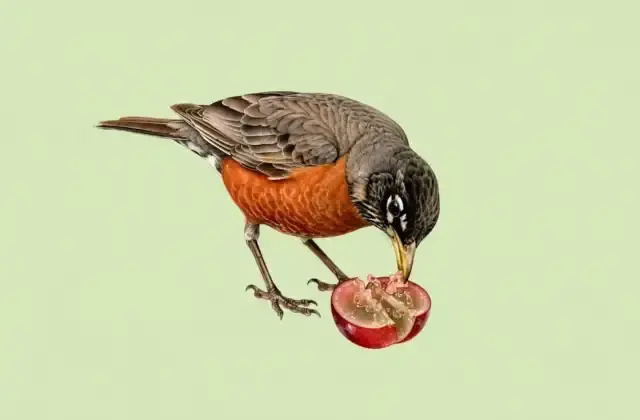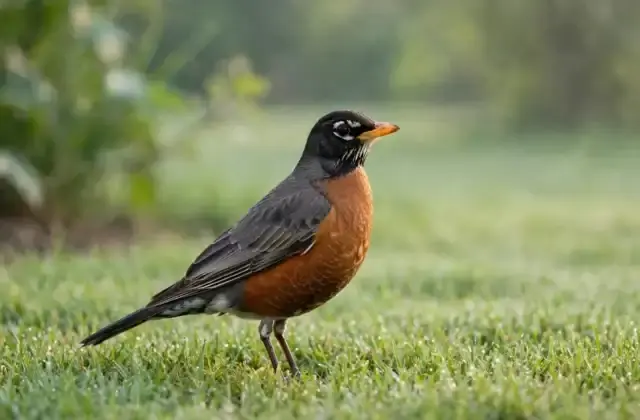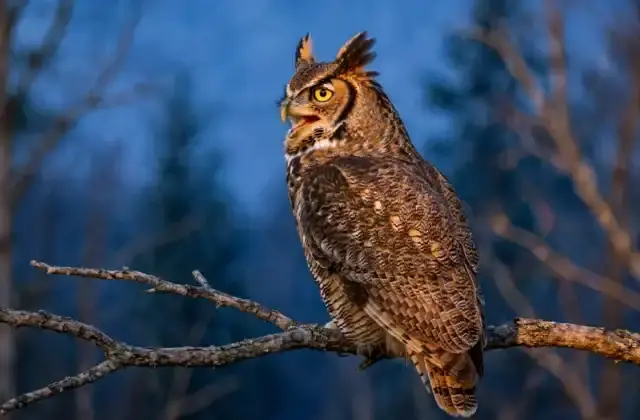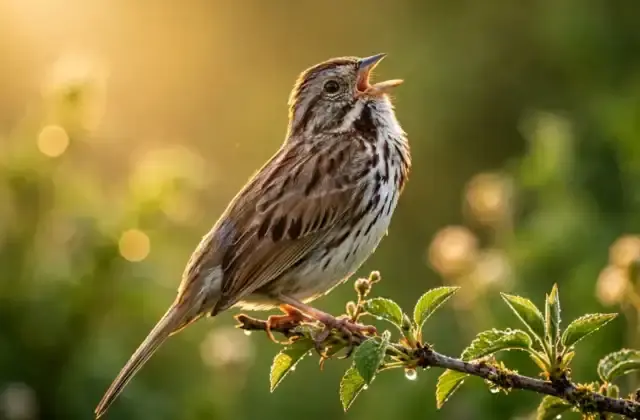


If you look at a bird’s feathers you will notice that they have one unique feature that no other living animal has. They can help them fly, keep them warm in cold winter rain, provide camouflage when hiding in reeds, and even make them appear bright blue without any blue pigment.
This also includes some key points that many people may not know. In the United States, most feathers from native wild birds are protected by law and cannot be collected if they are on the ground.
This is a lot of effort for such a light object! This guide will explain what feathers are made up of, how they are constructed, what different types do, how they get their colors, and why you may find one feather on a path.
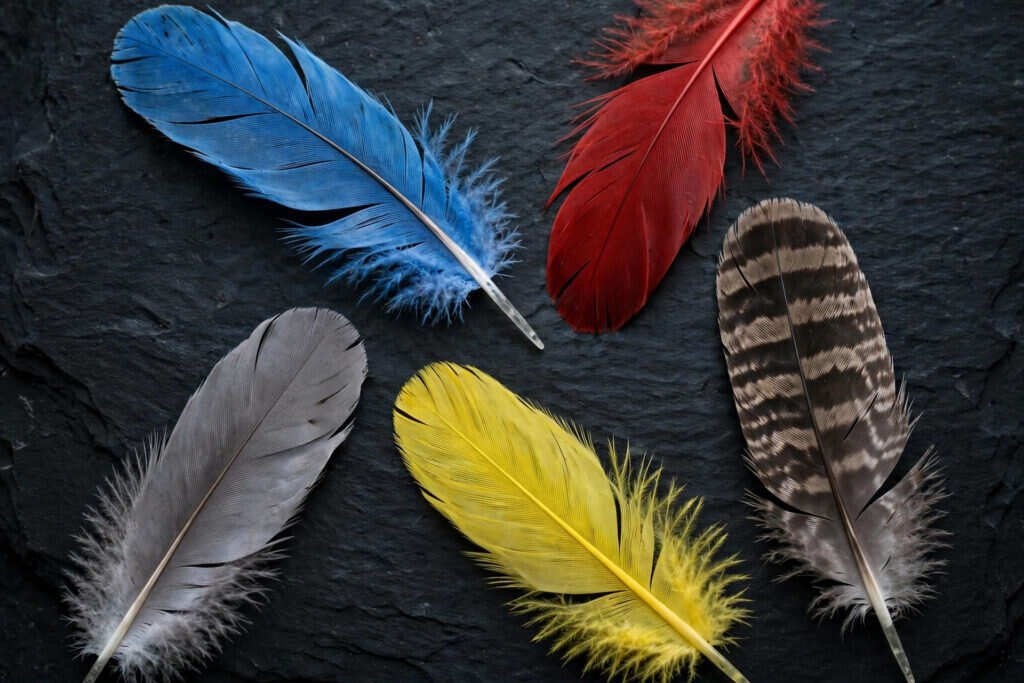
What Feathers Are
Feathers are skin growths unique to birds. No mammals, reptiles or living creatures grow real feathers. They are mainly made up of a protein called keratin. This is the same tough protein that makes up our hair and fingernails. The keratin in feathers is very strong but light, so they can push against the air in flight, yet a bird can carry thousands of them.
The quill and the shaft
The hollow tube at the bottom is known as the calamus (or quill). The solid part above this is called the rachis. This provides strength and spring.
When a feather is growing, there is a sheath covering it and blood running to the base of the feather. For this reason, a damaged growing feather is sometimes referred to as a blood feather. Once the feather has finished growing, however, the blood supply is removed and the mature feather is made up of dead material, like the tip of a fingernail.
Barbs, barbules, and hooklets
Fine filaments called barbs branch from either side of the rachis; together they form the flat part of the feather called the vane. Each barb has smaller filaments called barbules branching from them. Many barbules on flight feathers have little hooks, called hooklets. This allows the vane to be held together so that it becomes a single flexible surface that can push against the air. Often a bird can repair a split vane by preening. The bill aligns the barbules so they can join together with their hooks.
The afterfeather and the fluffy base
Many body feathers have a small, soft, extra branch near the base called an afterfeather. The lower part of many feathers is fluffy rather than flat: those loose barbs trap air, while the smooth upper vane sheds wind and rain. One feather can be a raincoat on the outside and a warm blanket underneath.
Types of Bird Feathers
Birds grow several specialized feather types, each shaped for a different task.
| Feather type | Where it is found | What it does |
|---|---|---|
| Flight feathers | Wings and tail | Form the surfaces that lift and steer the bird in flight |
| Tail feathers | Rear of the body, in a fan | Steer, brake, and balance the bird, and prop birds up in some species |
| Contour feathers | Outer body, head, wings, and tail base | Give the bird its smooth shape and outer colour, and shed wind and water |
| Down feathers | Under the contour feathers, close to the skin | Trap air and insulate against cold |
| Semiplumes | Mostly hidden under contour feathers | Add insulation and help fill out body shape |
| Filoplumes | Scattered among other feathers, near follicles | Sense the position and movement of other feathers |
| Bristles | Around the eyes, nostrils, and mouth of some species | Protect sensitive areas and sense nearby objects, much like whiskers |
Flight feathers on the wing
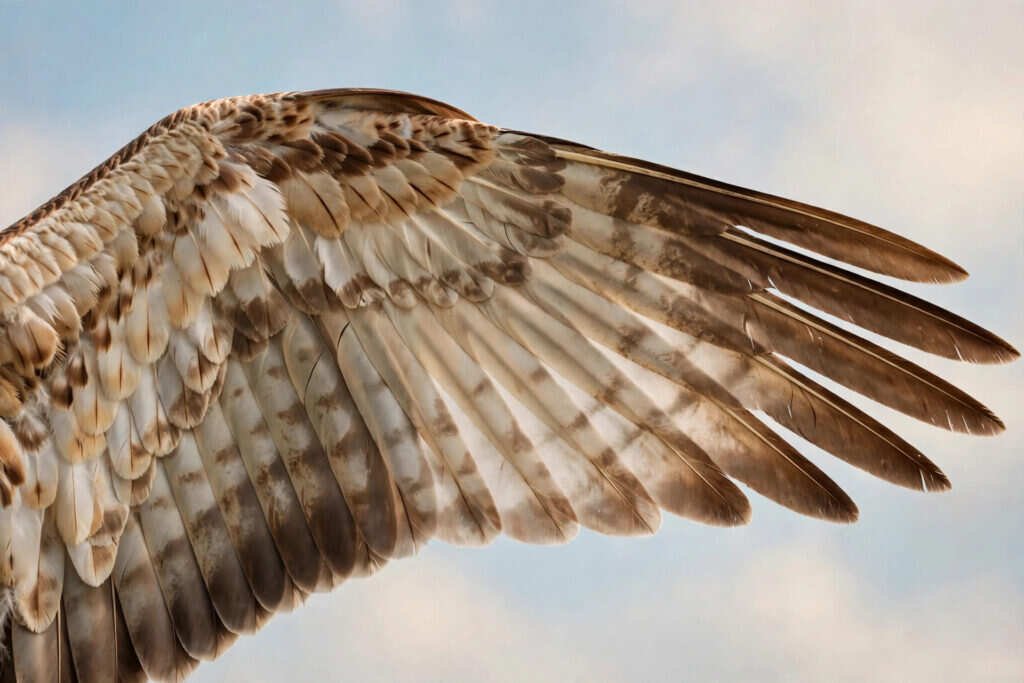
Flight feathers are long, rigid and asymmetrical. The longest feathers in the wing are called the primaries and provide most of the thrust during the downward stroke. The secondaries are closer to the body and form the inner wing surface that provides lift.
Tail feathers
The tail feathers are generally long and more symmetrical than wing feathers. When fanned out they help the bird to steer, slow down and balance. If the tail is forked it allows quick and agile flight, if it is broad and rounded it allows more precise steering at slower speeds. Woodpeckers also brace against trunks with stiff tail feathers, as you can see when you compare the different woodpecker species.
Contour feathers
Contour feathers are the ones you see on the outside of the body. They give the bird its shape, color, and pattern. Their upper vanes are smooth and firm, and their bases are soft and downy, and because they overlap like shingles, rain runs off them rather than soaking through.
Down and semiplumes
Down feathers have a short rachis and are soft and fluffy. The barbs do not interlock. Chicks have natal down on their bodies to keep them warm until their contour feathers develop. This down is not waterproof so they require shelter and a parent close by. Semiplumes sit between down and contour feathers, mostly hidden, adding insulation and soft bulk.
Filoplumes and bristles
Filoplumes are hairlike feathers with a thin shaft and only a few barbs at the tip. They have nerve connections at their base and detect the position of nearby feathers. Bristles are very simple, stiff shafts with very few or no barbs. They are found around the eyes and act like eyelashes. Around the mouth of insect-catching birds they help to detect prey.
What Feathers Do
Flight is the famous job, but it is only one of several. A bird without healthy feathers can struggle to stay warm, dry, hidden, or able to breed.
Flight, steering, and sound
The light weight, spring, and smooth locked vanes of flight feathers make them ideal for converting muscle power into movement through the air. Flight feathers also affect the sound made during flight. Owls have soft fringes on their flight feathers to help them fly silently and sneak up on their prey at night.
Insulation against cold and heat
Air is a good insulator. The down and fluffy bases of the contour feathers trap a layer of warm air around the skin. When it is cold the feathers are fluffed up to trap more air, whereas in hot weather they are sleeked down. Small birds lose body heat so quickly that a good feather coat helps them survive.
Waterproofing and preen oil
Most birds have a preen gland at the base of the tail, which secretes an oily substance that is spread over the feathers using the bill. This helps keep the feathers flexible and allows water to form droplets and roll off the closely interlocking vanes. Cormorants are an exception as they have their outer feathers partially soaked and will stand with their wings out to dry.
Display and courtship
Bright coloration, long tails, crests, and iridescent throat patches are all used in courtship displays. Often males are more brightly colored. A bright display shows a healthy bird because bright and undamaged feathers require a lot of energy and good food to grow. Birds will also raise their crests, fan their tails, and angle iridescent patches toward the light.
Camouflage
Just as some birds use their plumage to attract attention, others use it to blend into their surroundings. Many ground-nesting birds have mottled brown and gray plumage with streaking which helps to break up their outline against a background of bark, leaf litter or reeds. In these species the females are often more drab.
Sensing the world
Filoplumes report on feather position and facial bristles respond to touch, helping a bird adjust its plumage and keep the wing surface smooth.
How Feather Colour Works
Feather color comes from three main sources, and many birds use more than one at once: pigments, physical structure, and a combination of the two.
Pigments: melanin
Melanins are pigments that birds produce themselves. They give black, dark brown, gray and warm reddish brown colors. Feathers with high levels of melanin are also stronger and resist wear better than pale feathers.
Pigments: carotenoids from food
Carotenoids are pigments that birds cannot produce and are obtained from their diet. This includes algae, crustaceans, fruits, seeds, and insects. Carotenoids provide a range of yellow, orange, and red colors. The bright red color of a Northern Cardinal and yellow of an American Goldfinch are both reliant on carotenoids in their diet. A bright carotenoid display is an honest signal of health: flamingos without carotenoids in their food fade from pink toward white.
Structural colour: why blue is not blue pigment
There is no common blue pigment in feathers. Structural coloration causes blue coloration in bluebirds, blue jays and kingfishers: tiny arrangements of keratin and air scatter light, reflecting blue wavelengths back while a dark melanin layer beneath absorbs the rest. Crush a blue feather and the blue can disappear, because the scattering pattern is broken. The blue in blue jay feathers and other facts about this species is structural, which is why a jay can look vivid blue in bright light and much duller in shade.
Iridescence and combined colours
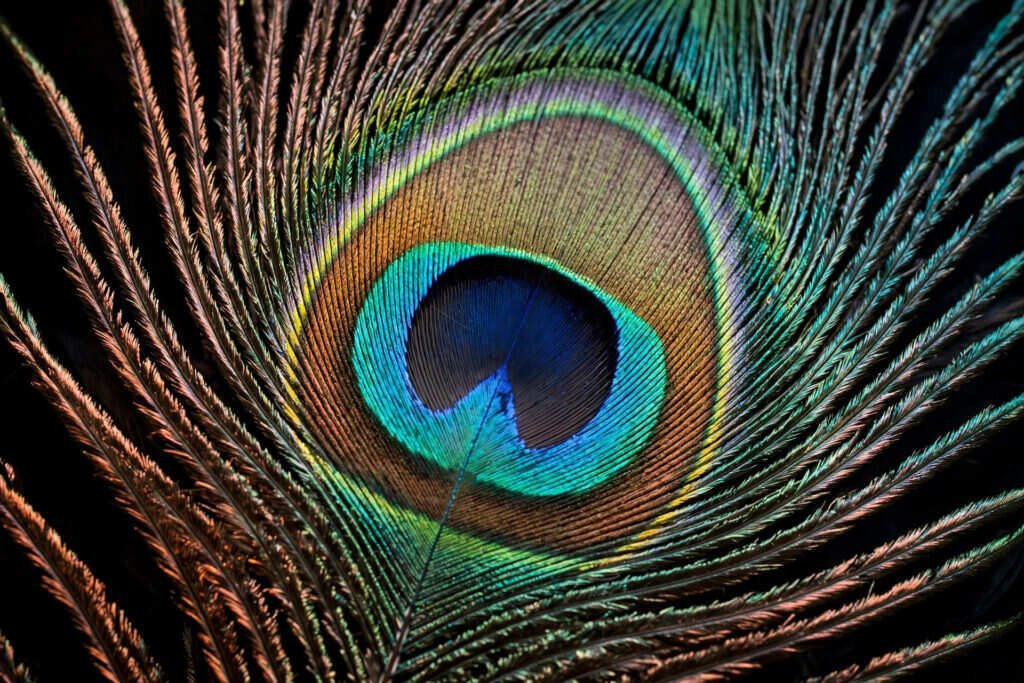
These colors are structural. They can change depending on the angle you look at them from. For example the throat of a hummingbird can appear green or red, but almost black when turned. Often green feathers will use both methods. The yellow pigment combined with the blue structural color will create the green color found in many parrots. Patterns are formed during development but colors can change later. Sunlight fades feathers and abrasion wears pale edges away.
Growth and Molting
A mature feather cannot repair itself. Once worn, broken, or faded, the only fix is a new feather, and that is what molting provides.
How a new feather grows
New feathers grow covered in a sheath, supplied with blood vessels while they form. Once growth has finished, the blood supply closes off and the feather becomes dead, light structure. Growing feathers takes a lot of energy and protein, so many species molt when food is plentiful and breeding or migration demands are lower.
Why birds molt
During molting, old feathers are replaced. This is so that flight feathers will be less frayed, they will be camouflaged better and they will insulate better. Most birds undergo at least one molt every year. Some birds undertake a partial molt before the breeding season so they have more vibrant plumage. Young birds will go through several plumages until they undergo molting which will give them adult colors.
Symmetrical wing molt
Many birds shed their flight feathers in a very particular sequence, losing the equivalent feather on both wings at the same time to ensure they can still fly. However, ducks, geese and some other waterfowl lose all of their flight feathers at once and are unable to fly for a while. They will therefore stay on or close to the water so they can swim and dive to avoid danger.
Why molting birds look scruffy
During molt, birds often look patchy, thin tailed, or uneven, with old feathers missing and new ones half grown in sheaths. This scruffy look is normal and temporary, but it is also a vulnerable time. If you see a scruffy bird that is still feeding, moving well, and alert, molt is a likely explanation. A weak or injured bird is a different case: contact a local wildlife rehabilitator.
Finding Feathers Outdoors
A feather on the ground is a small record of a bird’s day.
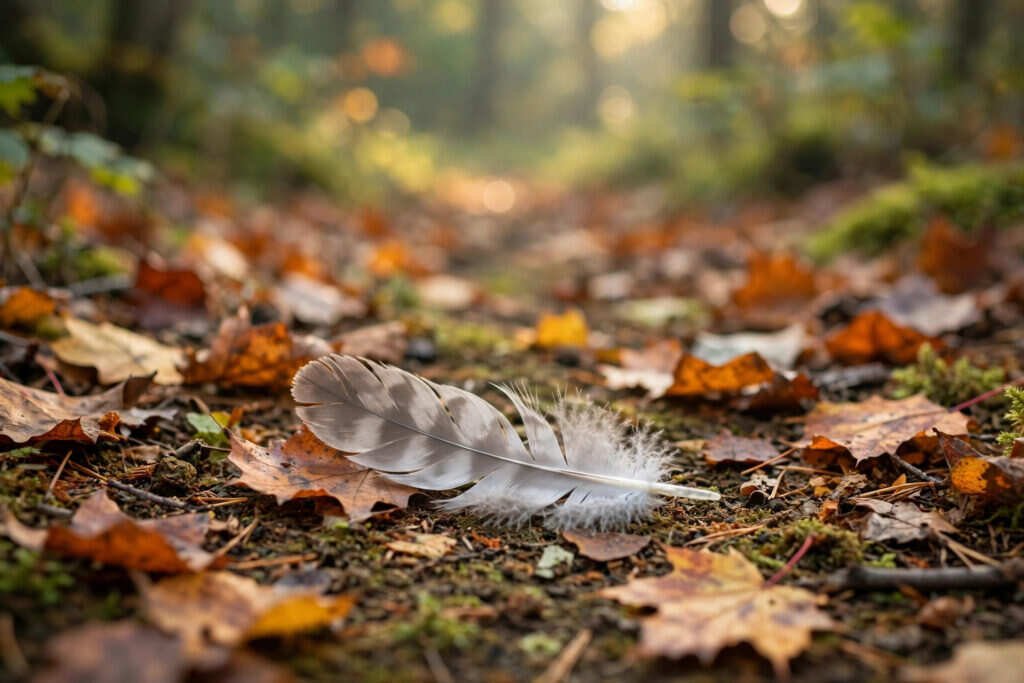
What a loose feather usually means
Single feathers are lost during daily molting and preening. The old feather will gently fall to the ground or the edge of a pond. In late summer you will find more feathers as many species are undergoing a large molt. Areas where birds congregate will give more feathers, such as around a busy feeder used by common feeder birds. Long, rigid, and asymmetrical feathers are likely to be from a wing. Broad and symmetrical feathers are likely from the tail. Small, soft feathers are likely to be from the body.
Molt or a predator event
A pile of feathers tells a different story from a single one. If there are lots of feathers in one small spot, especially with down scattered around, it often means a predator caught a bird there. Molted feathers, by contrast, usually appear one at a time and spread out over a wider area. The right response is to observe, not intervene, and keep pets away from the spot.
Hygiene around found feathers
Wild birds can carry parasites and bacteria. It is safest to just observe, take photos, and leave it in place. Wash hands thoroughly after touching one. You should never touch dead or ill birds with bare hands, and report unusual numbers of dead birds to your local wildlife agency.
Is It Legal to Keep a Found Feather?
The Migratory Bird Treaty Act
The Migratory Bird Treaty Act is a federal law protecting most native migratory birds in the United States, including their feathers, nests, and eggs. Possession is the key point: keeping a protected species’ feather without a permit is not legal, even if the feather was already loose. The protected list covers most native birds people commonly see, from robins and cardinals to hawks and owls. Permits exist for research, education, and rehabilitation, but not for general collecting. Certain Native American uses are recognized under separate federal rules tied to tribal enrollment and traditional practice.
Limited exceptions
Exceptions are narrow. Feathers from legally hunted game birds are treated differently, as are feathers from non-native species the Act does not protect, such as House Sparrows, European Starlings, and domestic birds. Eagles have extra protection under a separate federal law, and state rules may add limits. If you cannot identify a feather with confidence, leave it where it lies.
Rules elsewhere
Other countries have wildlife laws. Many protect native birds and their feathers. If you are keeping any part of a wild bird, check your local wildlife authority.
What to Do Instead of Keeping a Feather
Take a photo of the feather you find. Include a coin or your hand in the same shot to provide scale. Take note of where you found it, when, and what the habitat was like. Drawing helps you observe the feather in detail, because drawing a feather’s shape and spots forces you to look closely. Compare your photos to those on the US Fish and Wildlife Service Feather Atlas (see sources below). Finding a feather can be the beginning of a wider watch, so stay a while and practice the observation habits in this guide to bird watching for beginners, because the living bird teaches you more than the feather alone.
Frequently Asked Questions
Are feathers only found on birds?
Yes. In living animals only birds have real feathers. Some dinosaurs (the animals birds evolved from) had feathers so scientists look at feather fossils to learn about how flight evolved.
What are feathers made of?
Feathers are mainly made up of a tough, lightweight protein called keratin. Keratin is part of the same family as hair and fingernails but is arranged into a branching structure with a central shaft, barbs, and tiny hooks that zip the vane together.
Why is a blue feather not really blue?
Their feathers are not colored blue. Instead, they have microscopic structures made of keratin and air that scatter blue light back to your eyes. They are an example of structural color. In low light conditions, the feathers will appear dull or gray.
How often do birds replace their feathers?
Most birds molt at least once a year, shedding old feathers and growing new ones. Many species undergo a partial molt prior to their breeding season. Ducks and geese replace all of their flight feathers at once, leaving them flightless for a short period of time.
I found a feather on a walk. Can I take it home?
In the United States, generally not. Most native migratory birds, including their feathers (even molted ones found on the ground), are protected under the Migratory Bird Treaty Act, unless you hold a permit. Take a photo and record where you found the feather, but do not remove it.
How can I tell what bird a feather came from?
Start by noting the size, shape, color, and pattern of the feather, and note where you found it. Long, rigid feathers are usually wing or tail feathers. Small, soft feathers are body feathers. If you have clear photographs you can use the Feather Atlas from the US Fish and Wildlife Service to help identify the species.
Sources
- The Feather Atlas, US Fish and Wildlife Service
- Migratory Bird Treaty Act, US Fish and Wildlife Service
- Smithsonian Feather Identification Lab, Federal Aviation Administration
Conclusion
Feathers are light and small structures that have many complex roles. They have interlocked barbs to allow flight, fluffy bases to keep warm, and pigments and microscopic structures to give color. Their regular replacement through molting keeps all of that working year after year.
If you find another feather along your path, you can read the story right there. Be sure to look carefully, take a picture, make a note, and leave the feather there for the bird it came from, the law protecting it, and the next walker who finds it.