
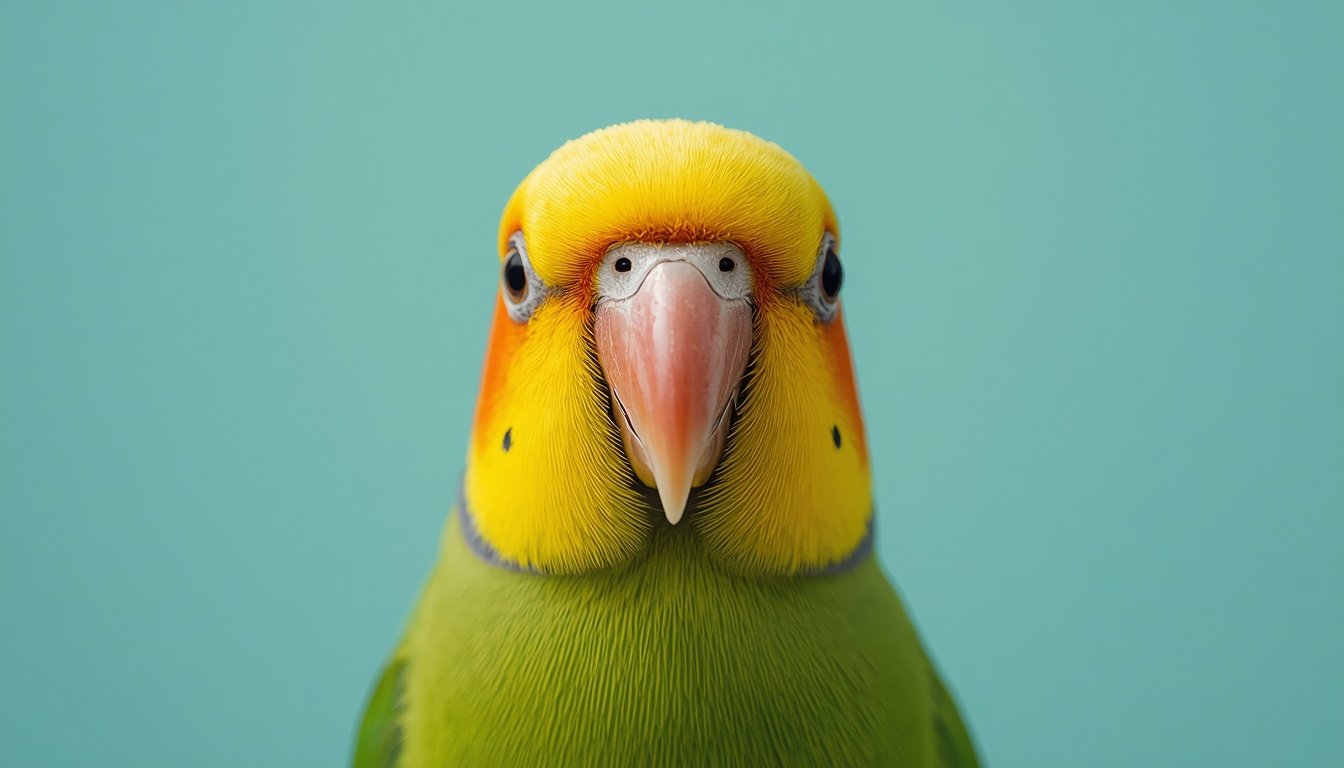
The price of a lovebird you see on a cage tag or breeder website is almost never the number that matters most. It is a starting point and, for most new owners, a surprisingly small fraction of what they will actually spend.
The purchase price of a lovebird typically ranges from $50 to $200, depending on the species, color mutation, and where you buy. That spread alone tells a story. A wild-type lovebird from a large retail chain sits at the low end of that range.
While a hand-raised bird from a specialized breeder can push well past it. And the price of lovebirds in 2026 reflects broader pressures: rising feed costs, tighter domestic breeding stock, and increased consumer demand for hand-tamed birds have all nudged the baseline upward compared to just two or three years ago.
Regional variation adds another layer. Buyers in major metro areas often pay a premium simply because operating costs for local breeders and pet shops are higher. In contrast, rural markets or states with active aviculture communities tend to offer more competitive pricing. But you may sacrifice the ability to meet the bird before purchase. The source matters as much as the geography.
Reputable breeders invest in socialization, health screening, and proper weaning, which is reflected in their prices. Retail outlets offer convenience and lower upfront costs, though the trade-offs regarding bird background and handling are well documented.
What rarely appears in any single price of a lovebird listing is the concept of Total Cost of Ownership (TCO) the full financial picture that includes housing, nutrition, veterinary care, enrichment, and the ongoing time commitment. That is the real number every prospective owner needs to calculate before bringing a bird home.
And the calculation starts with understanding that not all lovebirds carry the same price tag or the same care requirements. Species and color mutations drive some of the most significant price differences in the market, which is exactly where the breakdown begins.
Species Breakdown: Peach-Faced vs. Fischer’s Lovebird Price
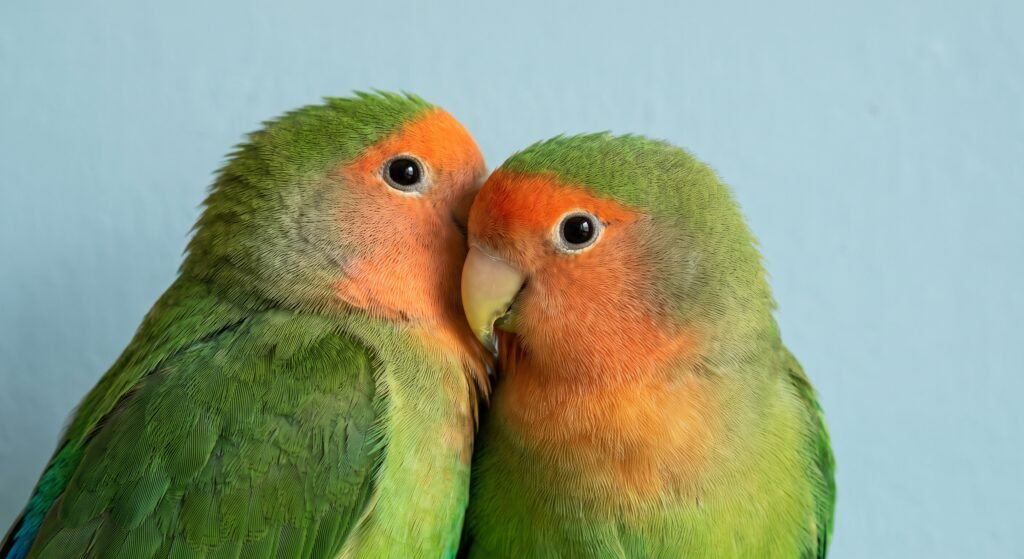
Understanding the price for lovebirds starts with knowing which types of lovebirds you are actually shopping for because not all lovebirds carry the same sticker price.
The two species most commonly available in the US pet market are the rosy-faced lovebird (Agapornis roseicollis) and the Fischer’s lovebird (Agapornis fischeri). A quick note: “rosy-faced” and “peach-faced” refer to the same species, Agapornis roseicollis, so you can treat them as interchangeable in breeder listings or care guides.
| Species | Common Name | Estimated Price Range |
|---|---|---|
| Agapornis roseicollis | Rosy-faced / Peach-faced Lovebird | $25 – $150 |
| Agapornis fischeri | Fischer’s Lovebird | $50 – $200+ |
The Rosy-faced lovebird is the most widely bred and most affordable option for new owners, and its lower price reflects straightforward breeding logistics rather than any lack of personality or charm.
Because breeders have decades of experience with this species and demand remains consistently high, supply is healthy, and prices stay relatively accessible.
Wild-type green coloration, meaning the bird looks close to how it would appear in its natural Namibian habitat, sits at the lower end of that range and serves as the baseline against which all other pricing is measured.
Fischer’s lovebirds command a modest premium because responsible breeding is genuinely more demanding. The species can be more sensitive to environmental stress during nesting, clutch sizes tend to be smaller, and successfully hand-rearing chicks requires more time and specialized care.
That additional labor cost flows directly into the sale price. According to Lafeber Co., rare color mutations such as Lutino or Albino can push Fischer’s prices considerably higher still a point worth keeping in mind as you research.
And that question of color mutation is exactly where pricing becomes far more complex, which the next section addresses in detail.
The Premium on Mutations: Why Some Lovebirds Cost Hundreds More
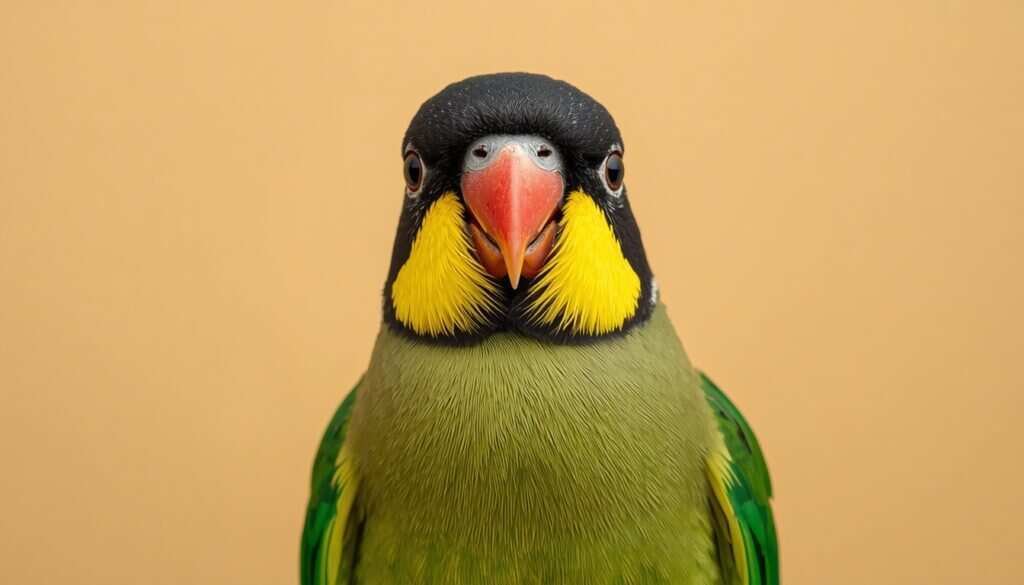
The price of a lovebird shifts dramatically the moment genetics enter the conversation and understanding why helps you avoid both overpaying and underpaying.
Color genetics are the single biggest driver of premium pricing in the lovebird market. A “mutation” simply refers to a heritable variation in feather pigmentation that produces colors outside the wild-type norm. Where a standard peach-faced lovebird might sell for $25–$75 at a chain retailer.
A violet or turquoise mutation from a specialty breeder can easily reach $200–$400. As Lafeber Co. notes, breeders routinely charge a premium for specific genetic traits that result in unique plumage colors not commonly found in big-box pet stores and that premium reflects years of selective pairing, not arbitrary markup.
Pet-quality versus show-quality is the next distinction worth understanding. A pet-quality bird may have interesting coloring but may have minor feather symmetry issues or an unverified lineage. A show-quality bird, by contrast, comes with clean records, conforming body structure, and often a verifiable pedigree — pushing the price toward $500 or beyond for rare mutations. Most buyers do not need show-quality birds, but knowing the difference helps prevent confusion when you see wide price ranges among breeders.
Hand-rearing adds meaningful cost for good reason. A bird socialized through daily human contact from the fledgling stage is measurably easier to tame, less prone to fear biting, and far more likely to bond with its new owner. That labor-intensive process typically adds $50–$150 to a breeder’s asking price and in practice, it tends to be worth every dollar in reduced training time.
Bargain birds carry real risk. A lovebird priced well below the market average often lacks a written health guarantee, veterinary records, or any mutation documentation.
On the other hand, a reputable breeder will provide, at a minimum, a short-term health guarantee and be transparent about the bird’s hatch date and parentage.
Before you commit to any bird, ask for that paperwork because the savings on the cage tag can disappear fast once setup costs and veterinary bills come into play, which is exactly where the next section picks up.
The ‘First Day’ Investment: Cages, Toys, and Initial Setup
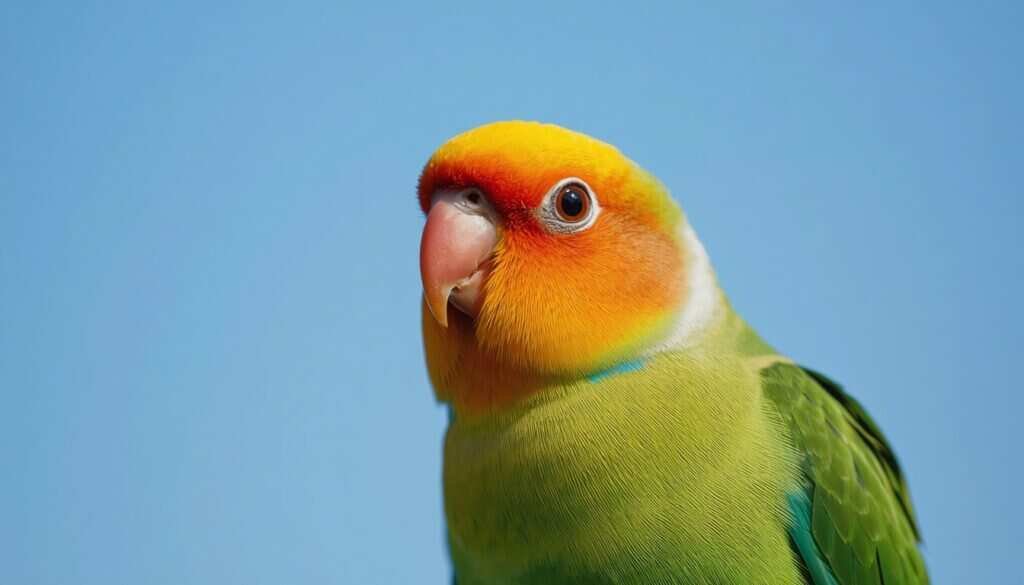
Before a lovebird ever sets foot in your home, the hardware costs alone can rival and sometimes exceed what you paid for the bird itself. According to The Spruce Pets, the initial setup costs for a lovebird, including a cage, toys, and supplies, typically range from $200 to $500. That range is wide for a reason: the choices you make on day one have lasting consequences.
The cage is the single most important purchase you will make, and it is not the place to cut corners. A proper flight cage for a lovebird should measure at minimum 24 x 18 x 24 inches, though larger is always better for a bird that is naturally active and curious. Bar spacing matters just as much as overall size gaps no wider than 1/2 inch prevent injury and escape.
Cheaper cages often use thinner gauge wire that rusts quickly, especially near food and water dishes. A rusted cage is not just unsightly; zinc toxicity from corroded metal is a genuine veterinary emergency. A quality stainless steel or powder-coated cage runs $80 to $200, while budget options in the $30 to $50 range tend to fail within a year.
Beyond the cage itself, your startup supply list quickly fills up. Essential Day 1 items include:
- Perches (varied widths and textures): $10–$30; natural wood perches support foot health better than uniform dowels
- Food and water bowls: $10–$25 for a stainless steel set
- Foraging toys: $15–$40; lovebirds are intelligent and need mental stimulation from day one
- Cage liner or substrate: $8–$15
- Initial seed or pellet mix: $15–$25
Whether you are budgeting for a standard green-cheeked lovebird or accounting for the higher price of a hand-raised peach-faced lovebird mutation, the base setup cost stays roughly constant. The bird’s price changes; the cage does not.
Budget baseline: Expect to spend $150 to $300 on cage and accessories before adding food, and closer to $350 to $500 once all Day 1 supplies are included.
One detail worth noting: PetSmart’s lovebird setup guide recommends positioning the cage at chest height, away from drafts and kitchen fumes which may influence where in your home the cage ultimately lives and whether additional furniture is needed. And if you are already thinking about whether one bird or two makes more financial sense, that question significantly shapes the cage-size decision something the next section addresses directly.
The Social Tax: Why One Lovebird Might Cost You Two
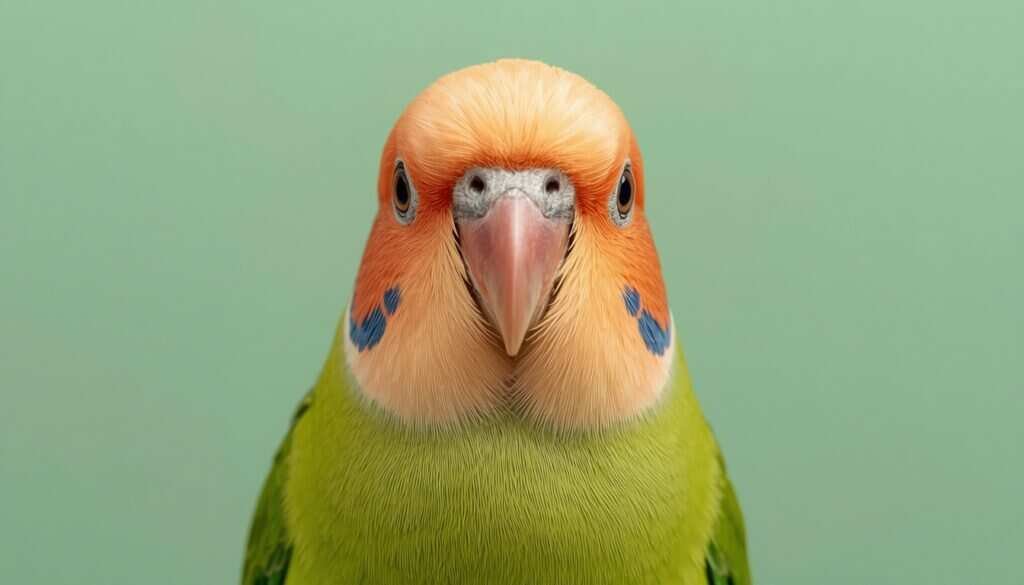
Understanding price of a lovebird means understanding something fundamental about the species itself: these birds are biologically wired for companionship, and that need has a direct financial consequence.
The name “lovebird” is not marketing language. It reflects a deeply ingrained behavioral trait. In the wild, lovebirds form monogamous pairs that spend virtually every waking hour together preening, foraging, and roosting side by side. In captivity, that drive does not disappear. As Kaytee Products notes, “Lovebirds are social creatures, and while they can be kept singly if given enough attention, they are often sold in pairs, which doubles the initial acquisition cost.”
The decision to buy one bird or two is one of the most consequential financial choices you will make as a lovebird owner. A single lovebird can thrive but only if you are prepared to act as its flock. That means several hours of daily interaction, regular out-of-cage time, and consistent engagement.
Miss that threshold, and a solo bird can develop anxiety, feather-destructive behaviors, and chronic stress. A bonded pair, on the other hand, is generally more emotionally stable because the birds meet each other’s social needs. The trade-off is that a pair-bonded lovebird tends to focus its affection on its companion rather than on you, which can reduce tameness over time.
The cost math shifts significantly with a second bird. Seed or pellet consumption roughly doubles, pushing monthly food costs from approximately $10–$15 per bird to $20–$30 for two birds. Annual veterinary wellness exams, which typically cost $50–$100 per visit, now apply to two animals, effectively doubling your baseline preventive care budget before you factor in any illness or injury.
Cage sizing follows the same logic: a single lovebird can comfortably live in a cage around 18 × 18 inches, but avian care guidelines recommend stepping up to at least 24 × 24 inches for a pair to prevent territorial stress and provide adequate flight space.
Retail vs. Breeder: Where to Find Lovebirds for Sale
Where you buy a lovebird shapes not just the purchase price but the animal’s long-term health, temperament, and how much you will spend correcting problems down the road.
The sourcing decision is one of the most consequential budget choices you will make as a new lovebird owner. Each outlet national chain, private breeder, or rescue carries a distinct price profile and a distinct set of trade-offs worth understanding before you hand over any money.
Here is a side-by-side breakdown of the most common options:
| Source | Price Range | Pros | Cons |
|---|---|---|---|
| National chains (PetSmart, Petco) | $50–$150 | Convenient, standardized pricing, accessible locations | Limited species mutations, variable staff expertise, high-stress retail environment for birds |
| Private breeders | $75–$250+ | Socialized birds, health guarantees, mutation variety, breeder support | Requires research to vet credibility, may involve travel or shipping |
| Avian rescues / adoption | $25–$75 | Lower cost, ethical alternative, birds often already tame | Unpredictable history, potential behavioral or health baggage |
| Online classifieds / hobbyists | $40–$200 | Wide selection, direct-from-owner context | Zero oversight, risk of disease, no recourse |
National chain stores offer accessibility, but as PetSmart’s own lovebird resources illustrate, the selection typically skews toward common color variants rather than prized mutations. PetSmart and Petco carry standardized pricing that benefits first-time buyers who need predictability, but the retail environment noise, foot traffic, and multiple species sharing airspace create stress that can predispose birds to illness.
Reputable private breeders tend to work better for buyers who want a specific mutation, such as a rosy-faced lovebird, whose price from a specialist typically runs $100–$200 depending on coloration and lineage.
More importantly, established breeders routinely offer a written health guarantee covering genetic conditions or illness within a defined window that retail chains rarely match. That guarantee is not just paperwork; it is potential savings of several hundred dollars in emergency veterinary costs during the fragile early weeks.
Adoption through an avian rescue deserves serious consideration, both ethically and financially. Rescue birds are typically older, already weaned, and sometimes hand-tamed, which can reduce the behavioral investment required. The adoption fee is consistently the lowest entry point among sourcing options. The trade-off is uncertainty: behavioral quirks and health histories are not always fully documented.
Regardless of where you source your bird, the purchase price is only the first line on your cost sheet. Once your lovebird arrives home, the ongoing expenses food, enrichment, and veterinary care begin immediately and continue for a lifespan that can stretch 15 years or more.
Recurring Costs: Food, Health, and Avian Maintenance
Owning a lovebird is not a one-time purchase the ongoing expenses for diet, veterinary care, and enrichment define what the bird truly costs you each year. As expert avian veterinarians note, per Kaytee Products, Inc., the bird’s social and nutritional needs should dictate the ongoing budget, not the other way around. That principle matters whether you own a standard Peach-faced variety or a rarer Fischer’s price of a lovebird point that prompted a larger upfront investment.
Diet is where most new owners underestimate the monthly commitment.
A seed-only diet is cheaper on the surface seed mixes typically run $10–$20 per month but avian nutritionists consistently flag it as nutritionally incomplete. High-quality pellet diets, which form the recommended foundation of a lovebird’s diet, cost roughly $15–$30 per month, depending on the brand and quantity.
And pellets are only part of the picture. A rotating fresh food budget leafy greens, bell peppers, carrots, and safe fruits — adds another $10–$20 monthly. In practice, a well-fed lovebird costs between $25 and $50 in food costs alone each month.
Diet callout: Budget $25–$50/month per bird for a pellet-forward diet supplemented with fresh vegetables and fruit. Seed-only diets save money short term but generate higher vet bills long term.
Veterinary care is the cost category most likely to catch new owners off guard. Avian vets command higher fees than general small-animal practitioners because of their specialized training and equipment.
A routine wellness exam typically runs $50–$100, while diagnostics, blood panels, or illness treatment can push a single visit past $200–$400, according to Petco’s lovebird care resources. Budgeting $150–$300 annually per bird for routine and unexpected care is a realistic baseline.
Medical callout: Annual avian vet costs average $150–$300 per bird for routine care. Illness or injury can push a single visit to $200–$400 or higher.
Enrichment is the recurring expense that surprises people most. Lovebirds are active, intelligent, and destructive — toys are not optional. A single foraging toy or chew set lasts anywhere from a few days to a few weeks before it needs to be replaced. Most owners spend $10–$20 per month replacing shredded, chewed, or broken enrichment items. Over a year, that adds up to $120–$240 per bird.
Enrichment callout: Plan for $10–$20/month in toy replacement. Rotating new enrichment items also supports mental health, reducing stress behaviors that can lead to medical issues.
When you add food, veterinary care, and enrichment together, recurring annual costs land between $300 and $600 per bird — a number that compounds quickly in a two-bird household. Those figures, stacked against the initial acquisition and setup costs covered earlier, paint the full financial picture this next section will bring together clearly.
The Bottom Line: A Summary of Lovebird Expenses
Understanding lovebird costs means looking beyond the sticker price. The purchase is just the entry point into a multi-year financial commitment that rewards careful planning.
As The Spruce Pets notes, the bird’s purchase price is only a fraction of its “first-day” cost. A standard lovebird typically runs $50–$200 at point of sale, but the cage, perches, food dishes, initial food supply, and enrichment items push your Day 1 outlay to $200–$500 before the bird takes a single bite.
Species and color mutations significantly affect that number. The common rosy-faced lovebird price sits at the lower end of the range, making it the most accessible starting point for new owners. Fischer’s lovebirds and rare color mutations, violet, lutino, and albino variants among them, routinely command premiums that push the acquisition cost well above the baseline. What looks like a budget decision at the pet store counter can quietly double once you factor in the bird’s lineage and coloring.
Pairing is often recommended for lovebird welfare, but it is a decision with direct financial consequences. Two birds mean two purchase prices, two wellness exams, and double the food and supply consumption. Annual maintenance costs — covering diet, routine veterinary care, and ongoing toy and enrichment rotation average $300–$600 per bird. For a bonded pair, budget toward the higher end of that range without hesitation.
The single most important principle among these figures is that the lowest price is rarely the best value. Prioritizing health guarantees, avian-specific veterinary history, and reputable sourcing over a cheaper upfront cost tends to reduce the need for expensive interventions later. With the full financial picture now in view, the remaining question is whether lovebird ownership aligns with your lifestyle as much as your budget which brings everything together in a final assessment.
- Initial acquisition cost is $50–$200, but Day 1 setup expenses (cage, supplies, food) push the true starting investment to $200–$500.
- The rosy-faced lovebird price of a lovebird is the most affordable entry point; Fischer’s and rare color mutations cost significantly more.
- Keeping lovebirds in pairs is strongly recommended for their social health, but it effectively doubles acquisition and ongoing veterinary costs.
- Annual per-bird maintenance — food, vet visits, and enrichment averages $300–$600, making lifetime cost far greater than the purchase price alone.
- Health guarantees and avian-specific care history should outweigh price when choosing a bird; the cheapest option frequently generates the highest long-term costs.
Final Verdict: Is a Lovebird the Right Investment for You?
Lovebird prices are only one piece of a much larger picture the true investment is measured in years of daily care, financial commitment, and emotional energy. According to Lafeber Co., Lovebirds can live 15 to 20 years, which means the purchase price you pay on day one represents a fraction of what you will actually spend across a bird’s lifetime. The real question is not whether you can afford to buy a lovebird it is whether you can afford to keep one well.
The emotional return on that investment, however, can be extraordinary. Lovebirds form deep bonds with their owners, offering consistent companionship, playful energy, and a kind of alert, watchful affection that larger parrots rarely match in such a compact form.
In practice, owners who invest thoughtfully in proper housing, varied nutrition, and routine veterinary care tend to describe the relationship as genuinely rewarding rather than burdensome. That payoff is real, but it does not arrive without effort or cost.
One pattern worth repeating: the cheapest bird is rarely the healthiest bird. A low price tag from an unknown source often signals poor socialization, inadequate nutrition, or underlying health issues that surface as expensive veterinary bills within the first year.
Sourcing from a reputable local breeder or an avian rescue organization gives you a far clearer picture of the bird’s history, temperament, and medical background. Petco’s Lovebird care guide reinforces that early health investment protects long-term outcomes.
And so the strongest advice this article can offer is straightforward: prepare your budget before you bring the bird home. Map out setup costs, monthly food and enrichment expenses, and an emergency veterinary fund. Do that groundwork honestly, and you will be ready not just to own a lovebird, but to give one a genuinely good life.