

The range of lifespans among birds is huge, from a few years in wild hummingbirds to more than 70 years in albatrosses that are still reproducing. The difference in lifespans between two species of similar size can be up to 10 times.
The truth about how long do birds live is that the lifespan of most wild birds is actually quite short. However, a lucky few can live a remarkably long life. This guide will explain how this works, the average and maximum lifespan of some well-known species and why some birds can live for decades.
Average Bird Lifespan Versus Maximum Recorded Lifespan
Almost every confusion about bird lifespan comes from mixing up these two numbers.
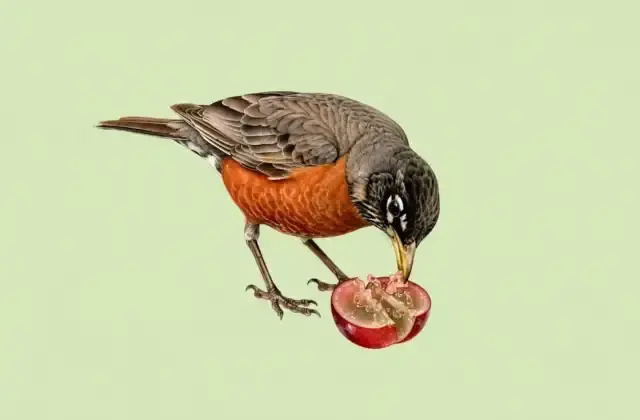
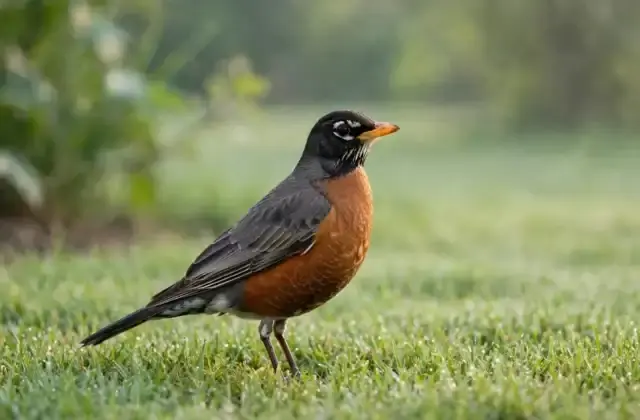
The average lifespan of wild birds is not very long. Many small songbirds do not survive their first year. On average, wild American robins only live for about 2 years, taking into account everyone and all the baby birds that didn’t make it to their first birthday.
The other extreme is the maximum longevity ever found, which is the oldest individual ever found with a leg band. This would be around 14 years for this type of robin. Both of these statements are correct. They simply describe different things.
In this guide, the values given will be an average and a maximum. Average refers to an approximate lifespan of adults surviving past their first year. Maximum refers to the actual recorded value from banding. If you see any single number elsewhere, please be wary and check if it specifies whether it is an average or maximum.
How Long Familiar Birds Live
The table below brings together familiar species. Figures are drawn from banding and ringing records, which is why the maximums are precise while the typical ranges are approximate.
| Species | Typical lifespan in the wild | Maximum recorded |
|---|---|---|
| Ruby-throated hummingbird | 3 to 5 years | About 9 years |
| American robin | About 2 years on average, adults often 5 to 6 | About 14 years |
| House sparrow | About 3 years | About 20 years |
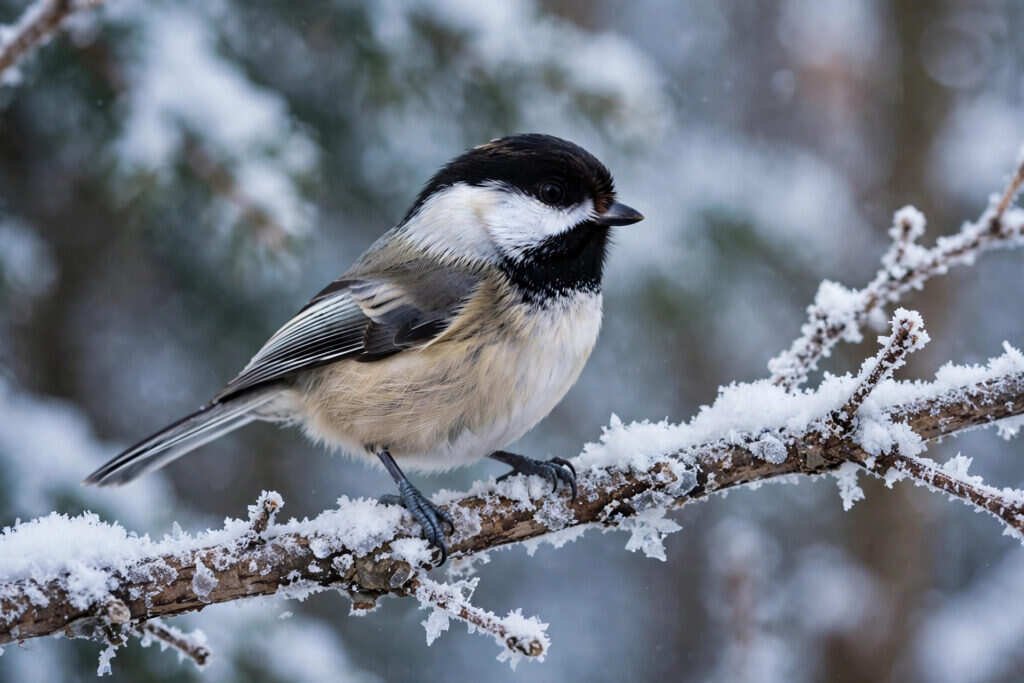
| Black capped chickadee | 2 to 3 years | About 12 years |
| Northern cardinal | 3 to 5 years | About 28 years |
| Blue jay | 5 to 7 years | About 26 years |
| American crow | 7 to 8 years | About 29 years |
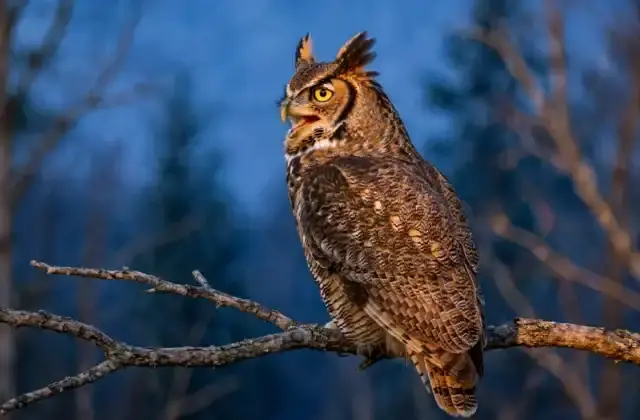
| Great horned owl | About 13 years | About 28 years in the wild |
| Bald eagle | 15 to 20 years | About 38 years |
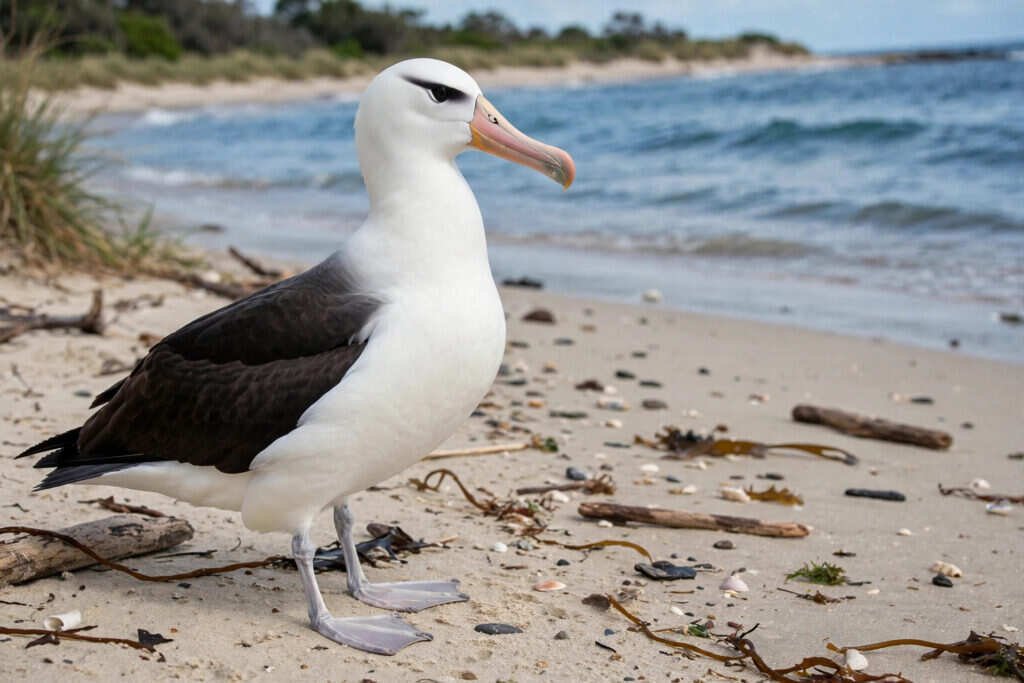
| Laysan albatross | 40 to 60 years | Over 70 years |
| Scarlet macaw | 40 to 50 years in the wild | 70 years or more in captivity |
There are some interesting patterns here. The blue jay facts on this site show that the blue jay is one of the longest living garden birds. The small chickadee can be tough in the winter but will be lucky to survive its third spring.
The body size of the species isn’t enough to explain this. Crows are much smaller than eagles, but can live for almost as long. This is connected to their life history. This includes how quickly they reproduce, how many offspring they have and how risky their lives are.
Reading the Table Honestly
There are two caveats to any longevity table. First, there is a tendency for better-studied species to be represented. Common birds are banded in huge numbers, meaning their maximum age is constantly increasing. A rare or difficult-to-catch species may have a true maximum age that has never been recorded.
Secondly, records are individual birds. This cardinal lived to be around 28 years old, meaning it survived almost thirty years of cold winters, hawks, windows, and cats. Almost none of its companions made it to this age. The average age will tell you what to expect but the maximum age will tell you what is possible; a good guide will never confuse these two.
Why Seabirds and Parrots Live So Long
The longest lived birds share a strategy: grow slowly, breed late, raise few young, and take very few risks as adults.
The Slow Lane: Albatrosses, Shearwaters, and Petrels
Seabirds are the winners. Laysan albatrosses will not start breeding until they are 8 or 9 years old. They produce one chick every year or two. However, they can only do this because adult mortality is extremely low. Adult seabirds have a very high survival rate out at sea as they are away from most predators.
Their bodies have evolved in line with this strategy. They breed slowly, age slowly and efficiently repair damage. Some albatrosses show little signs of aging even when they are in their fifties and sixties. The most famous, Wisdom, is detailed below.
Big Brains and Long Lives: Parrots and Corvids
Parrots and the crow family break the size rule. Macaws, ravens, and crows live far longer than other birds of their weight, and both groups are famously intelligent.
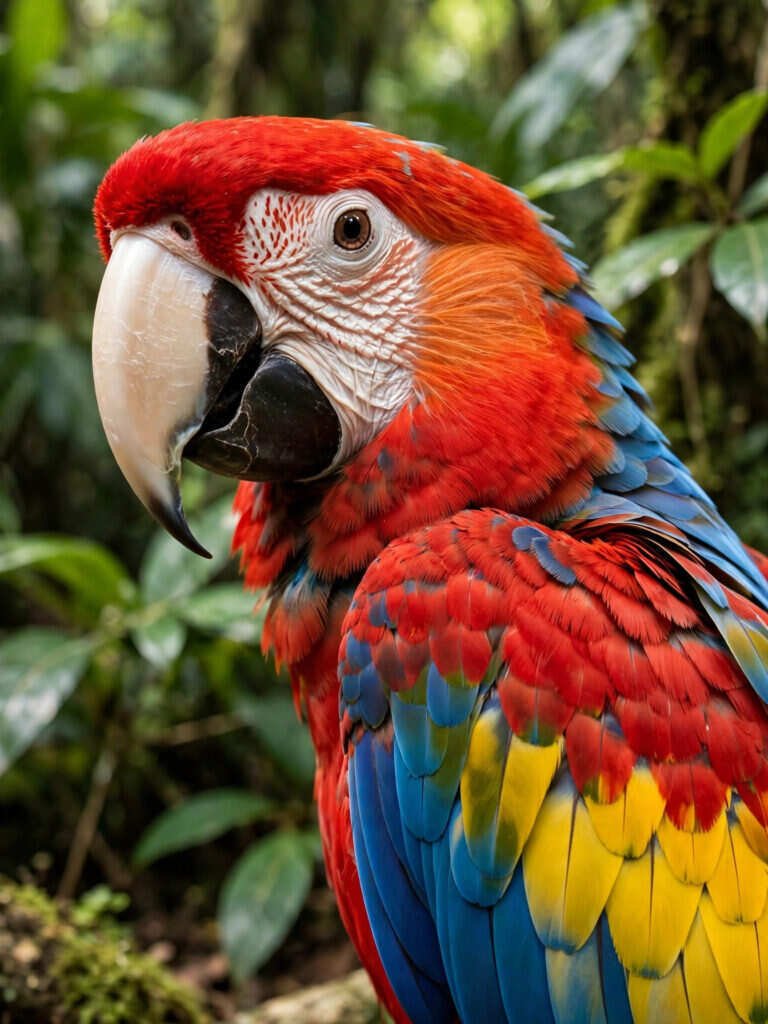
Intelligence is probably related to behavior. Intelligent birds will know where to find food, have a good memory for dangers that lasts for decades, and live in social groups which can share information. Parrots also have careful eating habits. This reduces the risk of everyday dangers, meaning evolution can invest in longevity.
This is also the reason why parrot lifespans are so prominent in pet keeping considerations. Our pet birds guide provides information on how many decades of care you’ll need to provide to your macaw or African grey, which is the same biology viewed from the owner’s side.
Flight Itself Is Protection
Almost all long-lived birds fly well. Flight allows them to avoid terrestrial predators, travel between safe places to roost and feed, and relocate completely if they are in an area that is no longer suitable. Flightless birds living on predator-free islands also live long lives. They can avoid being eaten and the most common way to do this is by having wings.
Why Small Birds Outlive Small Mammals
Comparing them fairly, birds live an amazingly long time. A mouse may live a year or two, but a chickadee of similar weight can live up to twelve years, and even a hummingbird, which weighs less than a mouse, can live up to nine.
Several explanations work together:
- Flight: A bird can escape dangers that a mouse simply cannot.
- High body temperature and fast metabolism handled safely: Birds run hot and fast metabolically without the rapid aging that pace would suggest, a long standing puzzle for biologists.
- Efficient lungs and low blood sugar damage: Bird physiology handles the costs of a fast life unusually well.
- Fewer ground predators reached: Roosting in trees and nesting off the ground cuts the biggest cause of death for small mammals.
This means that birds can often live up to two to three times longer than mammals of a similar size. The exception to this is the flying mammals, bats. These animals also have much longer lifespans than other mammals of a similar size.
The Hard First Year: What Kills Wild Birds Early
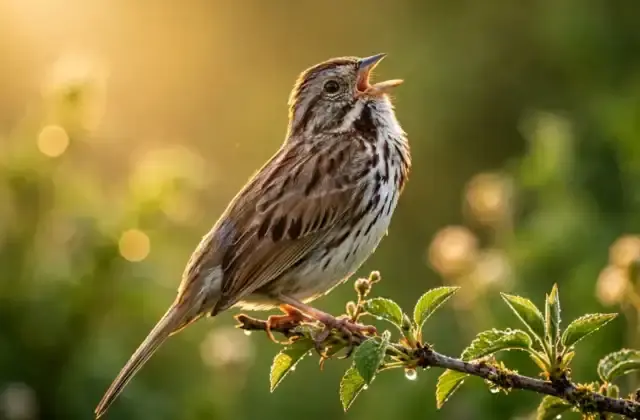
Averages are low because the first year is tough. Many studies on small songbirds show that more than 50% of fledglings will have died by the time they reach their first breeding season. In bad years this can be much higher.
The main causes are unglamorous:
- Starvation and inexperience: Young birds are poor foragers, slow to recognise danger, and last in line at crowded food sources.
- Predators: Cats, hawks, crows, snakes, and raccoons take a heavy toll of naive young birds.
- Weather: Cold snaps, storms, and droughts hit small bodies with small reserves hardest.
- Accidents: Windows, vehicles, and fences kill birds of all ages, and young birds blunder into them most.
- Migration: For migrant species, the first long journey is among the deadliest hurdles of all, as our bird migration guide explains.
The birds that survive the first year have already proved their worth, established a territory, and learned about local hazards. Their chances improve dramatically. An adult songbird in a good territory could now live for several more years. The statistics regarding lifespan do not reflect this as there is a period of risky learning followed by a more stable career.
Feeding in gardens can help. The regulars in our feeder birds guide have a more reliable source of food and water, which helps them survive through the winter. However, it doesn’t help change the deeper odds set by predators and weather.
Lifespan in Captivity Versus the Wild
Many captive birds can live much longer than they would in the wild. A budgerigar might have an average lifespan of between 5 and 8 years in the wild, but can reach 15 years in a good home. Macaws and cockatoos often have lifespans that are rarely seen in the wild due to banding.
The reasons are simple: no predators, no starvation, no storms, and veterinary care. Captivity removes nearly every item on the first year list at once.
But captivity is no guarantee. Unfortunately, many captive animals suffer from poor diet, loneliness, unhygienic living conditions, and boredom, which can lead to shorter lifespans. A poorly cared for parrot may not live as long as one in the wild. The long lifespans of pet animals are based on good care. This is what our pet birds guide focuses on.
Zoos and sanctuaries are home to many of the true longevity records due to the fact that the animals live in a safe environment where they receive the correct diet and medical attention. Two well-known examples are Greater, a greater flamingo that was reported to have died in 2014 at around 83 years old at Adelaide Zoo, and Cookie, a Major Mitchell’s cockatoo that died in 2016 at Brookfield Zoo in the United States. Both lived well beyond the maximum age range seen in the wild for their species, a measure of what safety plus lifetime care can add.
Wisdom: The Oldest Known Wild Bird
The most well-known of bird longevity stories is that of a Laysan albatross called Wisdom. She was fitted with a band as an adult breeder on Midway Atoll in 1956 by biologist Chandler Robbins. This means she was at least 5 or 6 years old at the time.
According to the US Fish and Wildlife Service, Wisdom has been sighted many times since, returning to Midway. She was still raising chicks in the 2020s, making her over 70 years old. Wisdom is widely considered the oldest known wild bird in the world.
Wisdom is not a freak accident. She is the goal of albatross biology, to lead a safe and slow life at sea, breeding as an adult for half a century. Her story is just the best documented because the band fitted on her in 1956 meant that the record was never broken.
How Birds Age
Long lived birds do not simply run the mammal clock more slowly. In several important ways, they age differently.
Most birds show very little reduction in performance throughout much of their adult life. Seabirds maintain high levels of fertility for many decades, and are sometimes better breeders when older. Albatrosses have been found to be better breeders as they age in some studies due to experience outweighing any age-related deterioration. This is termed slow or negligible senescence by biologists and is most pronounced in those species with the longest lifespans.
Telomeres are the capping structures at the ends of chromosomes and are known to shorten with age in many animals. However, telomere attrition is very slow in some seabird species, and in a few species they appear to lengthen in the oldest individuals. This is an emerging area of research.
When decline occurs, it is often sudden. Many birds appear to maintain good condition for many years, but decline rapidly in their final year. This means that very old wild birds are rarely seen as there is little time between them reaching an age record and dying.
Flight could be part of the anti-aging story. The physiology required for flight – amazing oxygen delivery, high metabolic control, plus excellent cellular repair mechanisms – is also the same physiology that will fight aging. This is an area that we are still uncovering, and honest guides will say this.
How Scientists Know: Banding and Ringing
Almost all of the data used in this article were obtained by attaching a light metal ring with a unique number to a young or adult bird, and recording when and where it was recaptured.
In North America there is coordination through the Bird Banding Laboratory of the US Geological Survey, and in Europe through national ringing schemes. Modern schemes use color rings that can be read with binoculars so that the age of the bird can be determined without recapturing it.
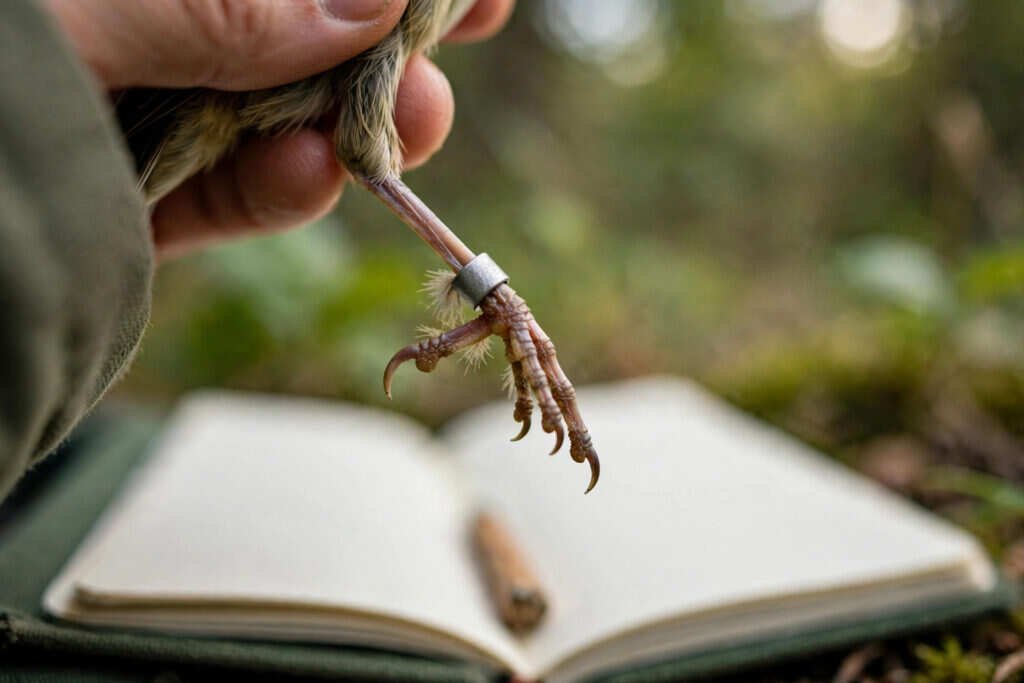
There are limitations to data collected from banding. To be included in the records, a bird must be recaptured. This means that maximum longevity values are an underestimate of the oldest age that a bird can reach. Many birds do not get recaptured, meaning that averages have been calculated using statistics.
There is no other way. While satellite tags and modern tracking methods can provide great detail on how these birds move around, the best way to determine their longevity is still the small metal band that was placed on them decades ago. Birds such as Wisdom prove this.
Frequently Asked Questions
What is the longest lived bird in the world?
Wild birds have the best documentation of longevity in Laysan albatrosses. Wisdom is documented as being over 70 years old by the US Fish and Wildlife Service. Some captive parrots have legitimate longevity claims to this level. A few claims go above this but are not documented.
How long do common garden birds live?
Longer than most would think, once they survive the first year. Robins have an average lifespan of about 2 years; however, many adults live to be 5 or 6 years old. Chickadees live between 2 to 3 years, cardinals 3 to 5 years, blue jays 5 to 7 years, and crows 7 to 8 years. Banded birds, however, can live much longer than this.
Why do pet parrots live so long?
Parrots have evolved a slow life history with delayed maturity, small broods, large brains, and low adult mortality. In good conditions they will live a long life due to the safety and veterinary care they receive; macaws can live for 50 years. The largest species may live for 70 years or more.
Do birds live longer in captivity or in the wild?
Most of the time, as they are protected from predators, starvation, and storms, captive birds will live significantly longer. However, if poorly cared for, they can die younger than their wild relatives. The recorded lifespans assume good living conditions, diet, and company.
How do scientists know how old a wild bird is?
Primarily by using bands. Birds can be given a numbered metal band when they are of known age, and reported when they are found again after years. This gives an accurate minimum age. Color rings can be read from a distance and populations can be studied over many years, giving more records each year.
Does migration shorten a bird’s life?
Migration can be a risky process, but many long lived species such as albatrosses and eagles are good migrants. The initial migration increases the risk of an individual within their year, but the same flying ability that allows migration means adults can live safely for decades.
Sources
- US Geological Survey, Bird Banding Laboratory
- US Fish and Wildlife Service, Midway Atoll National Wildlife Refuge
- Cornell Lab of Ornithology, All About Birds
Conclusion
Birds show a range of lifespans. They start life with a high risk period but survive to live a relatively stable life. Slow lane birds like albatrosses and parrots have a long lifespan, sometimes even as long as us humans! Next time you see a chickadee at your feeder or a crow watching you from a fence, remember they are playing the same game! Some banded old birds have been playing the game for longer than many of you have been alive!