

Pet birds can be a delightful and intelligent companion, but choosing the right bird for your home can be tricky. A calm canary, an active budgerigar and a high maintenance African grey parrot all have very different requirements in terms of time, space and budget.
The short answer is: keep it small unless you have a lot of time and experience. Decide which of the popular species below suits your lifestyle best, and make sure you have proper housing, diet and veterinary care in place before you bring your bird home.
What Pet Birds Are and Why People Keep Them
Pet birds are either domesticated or captive bred birds that are kept as pets. The most popular pet birds are parrots such as budgerigars, cockatiels, lovebirds and conures. Other popular birds are songbirds such as canaries and finches.
People keep them for good reasons. Birds are intelligent, social, and full of personality in a small body. Many form strong bonds, learn routines, and whistle tunes.
They are not low-maintenance. Most are flock animals who require daily interaction, mental stimulation and time out of their cages. Many can live for much longer than a dog or cat, so getting a bird is a long-term commitment.
Popular Pet Bird Species Compared
The table below compares the species covered in this guide. Lifespans are typical ranges for well cared for birds in captivity.
| Species | Size | Typical lifespan | Noise level | Interaction and talking | Beginner suitability |
|---|---|---|---|---|---|
| Budgerigar | Small, 18 cm | 8 to 15 years | Low to moderate | Very social, males can learn words | Excellent |
| Cockatiel | Small, 30 to 33 cm with tail | 15 to 25 years | Moderate | Gentle, whistles well, limited talking | Excellent |
| Lovebird | Small, 13 to 17 cm | 10 to 15 years | Moderate | Affectionate, playful, rarely talks | Good with daily handling |
| Canary | Small, 12 to 13 cm | 10 to 15 years | Low, males sing | Hands off, kept for song | Excellent for watchers |
| Finches | Small, 10 to 12 cm | 5 to 10 years | Low, soft chirping | Hands off, best in pairs or groups | Excellent for watchers |
| Green cheeked conure | Medium, 25 to 26 cm | 20 to 30 years | Moderate to high | Clownish, cuddly, limited talking | Fair, needs much time |
| African grey parrot | Medium to large, 33 cm | 40 to 60 years | High | Highly intelligent, strong talker | Poor, experienced keepers only |
| Cockatoos and macaws | Large, 40 to 100 cm | 40 to 70 years | Very high | Demanding, emotional, strong talkers | Poor, specialist commitment |
The Most Popular Species in Depth
Budgerigar: The Friendly Starter Parrot
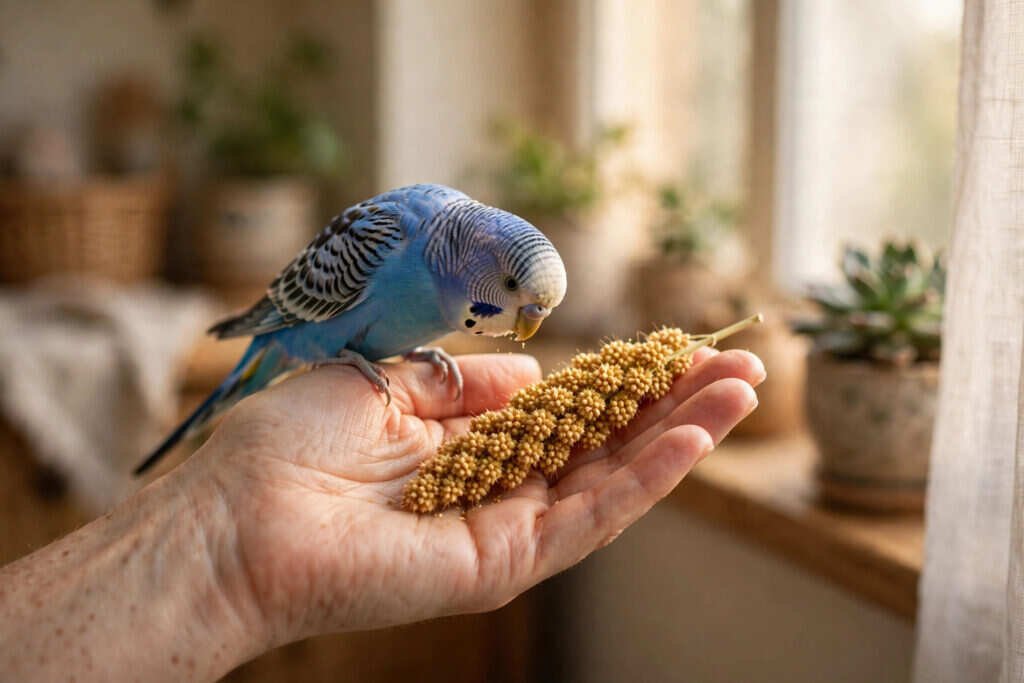
The budgerigar (often known as a budgie or parakeet) is the most popular pet bird in the world. It is small, colorful, and fairly cheap. It is also not very loud compared to other parrots.
Budgies are sociable and inquisitive. A single hand-tamed budgie will form a strong bond with their owner, while a pair will keep each other entertained. Males often have better talking abilities and can learn an impressive amount of words with regular practice.
They will also require more than just a small cage and some seeds. They will need one or two hours of attention and out-of-cage time each day, toys, and variety in their diet.
Cockatiel: Gentle, Whistling, and Easygoing
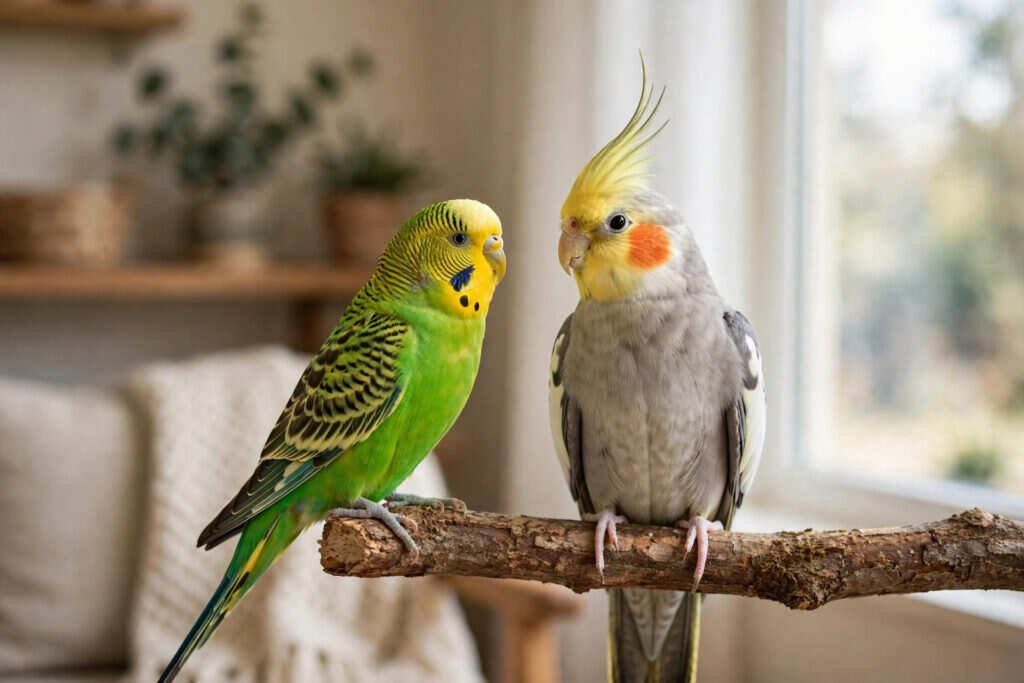
Cockatiels are calm, affectionate Australian parrots with a distinctive crest. They whistle tunes better than they talk, and their friendly nature suits families and first time owners.
Cockatiels like to be close to their owners. Many enjoy having you scratch their heads and will sit on your shoulder while you work. However, they do create a lot of feather dust, making them unsuitable for those with allergies.
Cockatiels can be startled at night, a behavior called night frights. A small night light helps reduce panic and injury.
Lovebirds: Small Birds With Big Personalities
These are very sociable, active and confident birds. Although they are called lovebirds, they don’t need to be kept in pairs. If you keep just one, it will need lots of daily interaction with you.
There are nine species in total. Our guide to different breeds of lovebirds covers their colors and temperaments. Peach-faced lovebirds are the most common and are usually the best choice for a beginner.
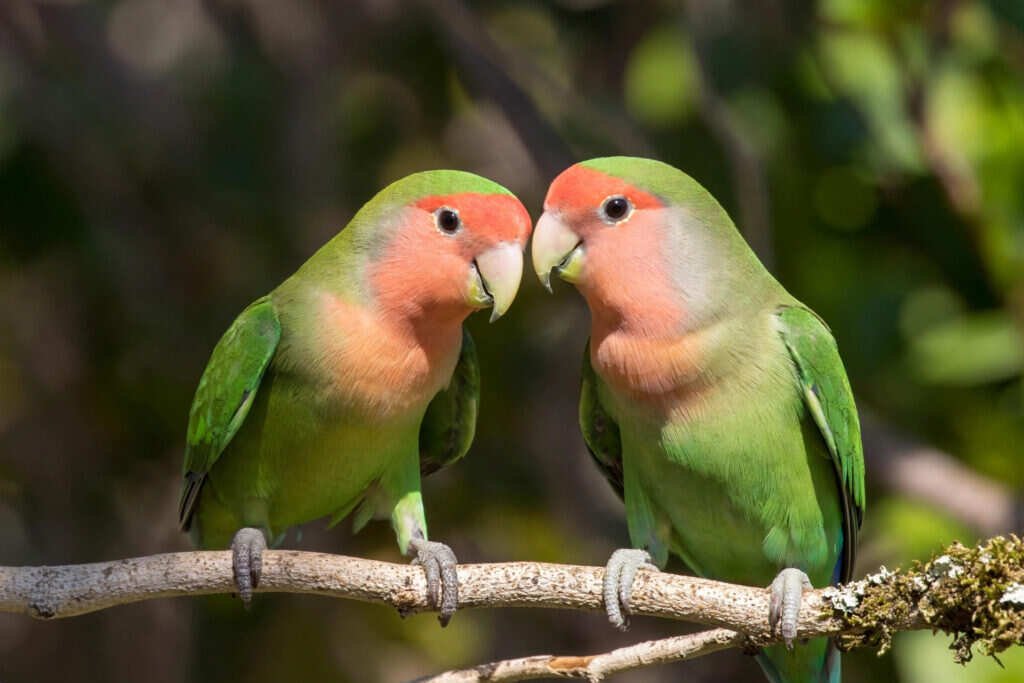
Lovebirds can be nippy if under-handled or bored. Daily handling and plenty of chewable toys keep that energy directed well.
Canaries and Finches: For People Who Prefer to Watch
Canaries and finches make an ideal pet for those who enjoy the sound of birdsong and active pets. The male canary can be an excellent singer. Zebra and society finches are very charming with their constant chattering and active nature.
These birds enjoy living in pairs or small groups in a large flight cage. They need plenty of horizontal space to fly around. They are delicate and get stressed easily, so they are not good for cuddling. They are good pets to watch and listen to.
Conures: Playful, Loud, and Full of Energy
Conures are small to medium-sized parrots with outsized personalities. The green-cheeked conure is quite a calm and peaceful bird. The sun and janday conures are beautiful but very noisy. Their noise can be heard through apartment walls.
They love to be involved in everything. They will play like clowns and will form a close relationship with one or two people. They can become very vocal and nippy if they get bored, so they require several hours of attention per day.
Choose a conure only if your household enjoys noise and activity. For many beginners, a green cheeked conure is the only realistic option here.
African Grey Parrots and Larger Parrots: An Honest Warning
African greys have a reputation for being highly intelligent and excellent talkers. They can be taught vocabulary in context and will form strong attachments. However, they are also nervous, easily stressed by changes and can suffer from feather picking.
Larger parrots such as cockatoos, macaws, and Amazons have a longer lifespan (40-70 years), can be very noisy (annoying your neighbors), have strong beaks that can cause damage to wood, and require 4-6 hours of socialization each day.
These birds are amazing in the right expert setting but are not a good impulsive purchase and are the most commonly given up. If you are new to owning these birds, I would suggest volunteering with a rescue and reconsider in a few years.
Choosing pet birds that fit your home and lifestyle
Start with your life, not with a photo of a beautiful bird. The right species is the one whose needs fit on your busiest and tightest budget weeks.
Your Home and Noise Tolerance
Apartments and thin walls rule out most conures and all large parrots. Budgies, finches, and canaries are the safest neighbors. Even a cockatiel whistles loudly when it wants attention.
Space is another consideration. All birds should be kept in the largest cage possible and with an area to exercise. If this is not possible then consider keeping a smaller species or waiting.
Your Time Each Day
Be direct. Finches and canaries require feeding and cleaning but no social time. Budgies and cockatiels require 1-3 hours a day of interaction. Conures and large parrots require 3-6 hours of interaction every day for decades.
If you have a busy lifestyle, a bonded pair of small birds may be kinder than having one dependent parrot. Our explainer on can budgies live alone highlights when a single bird would be best and when a companion would be better.
Allergies, Children, and Other Pets
Cockatiels and cockatoos produce powder down that irritates some lungs. Budgies produce less, and no bird is truly allergen free.
Small birds should never be left alone with young children; they are very delicate. Even friendly parrots have strong beaks and can give a serious bite. As cats and dogs are predators, they must be kept in separate rooms with locked cages.
Comparing the Two Classic First Birds
Most beginners will choose between a budgie or a cockatiel. A detailed cockatiel vs budgie comparison can help you decide. To keep it simple, if you want something cheaper, more colors, and better talking ability, go for a budgie. If you want a calmer personality, longer lifespan, and whistling, then go for a cockatiel.
Housing and Cage Setup
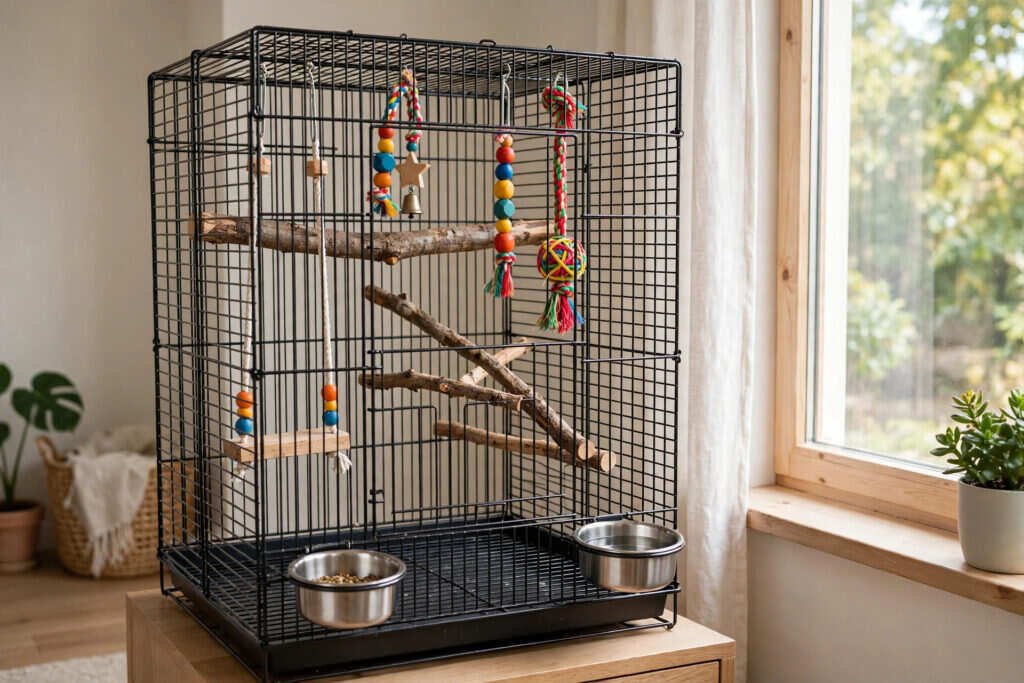
Buy a larger cage than the minimum size indicated on the box. Purchasing a cage first will mean you can get one that is large enough for your bird to stretch its wings and fly between perches without its tail getting caught on the bars.
The bar spacing will depend on the species. Small birds will need tight spacing between the bars, about 1 to 1.5 cm, so that their heads can’t get stuck. Large parrots will need large, strong bars so that they can’t bend them with their beaks.
Setting Up the Cage Well
Provide a range of perches of varying thicknesses and natural wood to help with exercising their feet. Using one dowel will cause pressure sores over time. Make sure that they do not drop their feces into their food bowls.
Add stainless steel bowls, a cuttlebone for small birds, and a retreat corner. Line the base with paper you change daily, which also lets you monitor droppings.
Location and Safety in the Home
Put the cage in a lived in room against a wall, away from drafts and direct midday sun. Kitchens are dangerous because of fumes and hot pans.
Household fumes can kill birds quickly. Never use overheated non stick cookware, scented candles, or cleaning sprays near a bird. Their respiratory systems are far more sensitive than ours.
Provide 10 to 12 hours of darkness each night. Regular sleep prevents much screaming, biting, and hormonal behavior.
Diet Basics: What Pet Birds Should Eat
Seeds are not a complete diet. Diets that are based on seeds are very high in fat, and low in vitamin A and calcium. This is a common cause of early illness in pet parrots and budgies.
The Daily Base Diet
Most parrots (budgies, cockatiels, lovebirds, and conures) should be fed a good-quality pelleted diet as the main part of their diet, with vegetables every day. Canaries and finches will do better on a good-quality seed mix made for them, with some greens and egg food when they are molting.
Our overview of bird food basics explains food groups in more detail, and the dedicated guide to what budgies eat gives exact portions for the smallest parrots.
Fresh Foods and Treats
Cut up some leafy greens, carrots, broccoli, peppers, and cooked sweet potato. Fruit should be an occasional treat due to its high sugar content. Everything should be washed and any uneaten fresh food removed within a few hours. Always provide clean water to drink.
Foods That Are Dangerous
Do not feed avocado, chocolate, caffeine, alcohol, fruit pits, or salty and sugary human snacks. Onions, large amounts of garlic, and uncooked dried beans are also unsafe. If you are unsure if something is safe to feed your pet, then always check with a reliable care source.
Changing a seed-eater can take some time. Introduce new foods slowly and provide a fresh food in the morning, when they will be hungrier. Don’t let them go hungry to get them onto a new diet.
Enrichment, Social Time, and Training
A bored bird becomes a loud, destructive, or self-harming bird. Enrichment is not optional decoration, it is daily mental health care.
Rotate your toys regularly. Provide shreddable wood and paper, foraging toys with hidden foods, bells, and easy puzzles. Hide treats in cardboard or cupcake cases to encourage your bird to work for their food just like they would in the wild.
Let them out into a bird-proofed room. This means windows marked, doors shut, ceiling fans off, and other pets removed. Keep an eye on your bird, as they can chew cables in seconds.
Training will help build trust and reduce stress during vet visits. Teach your bird to step up onto a hand or stick and reward with a small amount of food. Keep training sessions short (5-10 minutes) and always finish with a success. Never punish your bird.
Talk and interact daily, even on busy days. Focused attention plus background company helps flock birds feel included rather than isolated.
Health and Vet Care
Birds are instinctive at hiding sickness as they are vulnerable when ill. A pet bird may be ill for several days before showing obvious signs of being unwell. The best way to spot early signs is by observing them every day.
Common signs to watch out for include puffed-up feathers, sitting on the floor of the cage, a bobbing tail when breathing, discharge from the nostrils, changes to droppings, poor appetite, and a sudden lack of vocalization. Our checklist of signs your pet bird is sick will help you know which symptoms require same-day assistance.
Find an avian vet in advance. Get your new bird checked out as soon as possible after purchase, and then once a year. Set aside some money for any emergencies that may occur, as often specialist equipment will be required.
Quarantine any new bird away from existing birds for at least 30 days, and wash hands between handling them. Many serious diseases spread before symptoms appear.
Keep a basic first aid kit: a carrier, kitchen scales to weigh your bird every week, and have your vet’s number saved on your phone. If you notice any sudden weight changes, call your vet.
Costs: The First Year and Ongoing
The purchase price is the least expensive part of bird ownership. While budgies are not expensive, you will quickly find that you have spent much more on the cage, toys, food, and vet bills.
For the first year, you will need to budget for a cage, perches, bowls, toys, a carrier, a first visit to the vet, and food. Small birds often cost several hundred dollars or pounds in the first year. Large parrots can cost thousands in the first year.
Ongoing costs include food, fresh vegetables, replacement toys and perches, and annual vet visits, plus a reserve for emergencies. Toys are consumables for parrots, because destroying them is the point.
Longevity multiplies cost. Plan who would care for your bird if you move, fall ill, or die before it does.
Ethics and Legality: Buying Responsibly
Buy from a reputable breeder or adopt from a rescue. A good breeder will have completely weaned their birds, kept them in a clean environment, and will ask you questions about your home too. A rescue can help you find a bird with a known personality.
Avoid wild-caught birds. The wild trade causes enormous suffering and is very harmful to wild populations, and captive-bred birds are much more docile, healthy, and legal in far more places. If you see any large parrots that seem too cheap, be wary.
Avoid buying unweaned babies. Hand feeding is risky, easy to get wrong, and offers no bonding advantage over a properly weaned young bird.
Local regulations may affect your purchase. Some species require permits, some rental accommodation will not allow parrots, and many parrots (including African greys) are regulated under CITES. If you intend to move country, find out about import regulations as they can be very strict and slow.
Frequently Asked Questions
What is the best pet bird for a beginner?
A budgerigar or cockatiel is ideal. They are friendly, fairly quiet, cheap to keep and very tolerant of any mistakes you make as a beginner. Canaries and finches are also excellent if you like to sit back and just watch and listen rather than handling them.
How long do pet birds live?
Different species can have very different lifespans. Finches may live for 5-10 years; budgies can live between 8-15 years; cockatiels can live between 15-25 years, while large parrots can live between 40-70 years. The diet, genetics, exercise and veterinary care will affect how long a particular bird lives.
Are pet birds noisy and messy?
Sort of. All birds make noise, scatter seed and feathers. They will need some daily cleaning around their cage. Smaller birds are fine for most people but conures and large parrots can be very noisy and are a common cause for complaints from neighbors.
Can a pet bird be left alone during the workday?
Small birds when housed in pairs will cope well during a normal workday if they have enough space, toys, and food. However, if you have just a single parrot that will be left on its own for long periods of time, they can become lonely and stressed, so make sure to provide some companionship, a companion bird, or an alternative species.
Do pet birds need a vet if they look healthy?
Yes. It gives you a baseline to work from, ensures they are healthy and helps you establish a relationship with your avian vet before an emergency. Annual check-ups can help identify issues such as liver disease and nutritional deficiencies at an early stage.
Can pet birds talk?
Some parrots can be taught to talk. Budgies, African greys and Amazons are good at learning to talk. It can’t be guaranteed, though, and males of some species learn more readily. Choose a bird based on its temperament and how it will fit into your lifestyle.
Sources
- Lafeber Pet Birds: Bird Care and Species Resources
- RSPCA: Advice and Welfare for Pet Birds
- VCA Hospitals: Birds, General Care
Conclusion
The best pet bird is not the most exotic or the best talker. It is the bird whose noise, mess, lifespan, and social needs you can meet happily, every day, for years.
Most will start with a budgie, cockatiel, or a pair of finches or canaries. Make sure you set up the cage properly, have an avian vet on hand, and purchase responsibly.
Do that, and a small bird will repay you with song, humor, and lasting companionship.