
Do you love attracting birds to your backyard and want to know how? If so, I want to say hello, because you’ve come to the right place to learn how it really works and how to attract birds to your backyard.
A backyard full of birdsong is more than just a pleasant background to listen to in the garden. It is a sign of a healthy ecosystem at work. Birds are like superheroes for your garden, controlling pests, spreading seeds & pollinating flowers. But many gardeners are left wondering why the birds just won’t visit, despite setting up a brand-new feeder.
The thing is, birds are actually pretty picky. There are just three things they need before they’ll even consider making your yard their home. Reliable grub to eat & drink, an easy-to-access water source, and somewhere safe to hide from predators & bad weather.
Leave out any one of those & the best feeder in the world will get left untouched. That’s why just figuring out how to get birds to fill up at your feeder isn’t the whole story.
You need to start thinking about the whole garden. In this complete guide, you’ll find 15 simple yet effective strategies to help you attract birds to your feeder & turn your outdoor space into a sanctuary they’ll keep coming back to.
Why Birds Visit Certain Backyards?
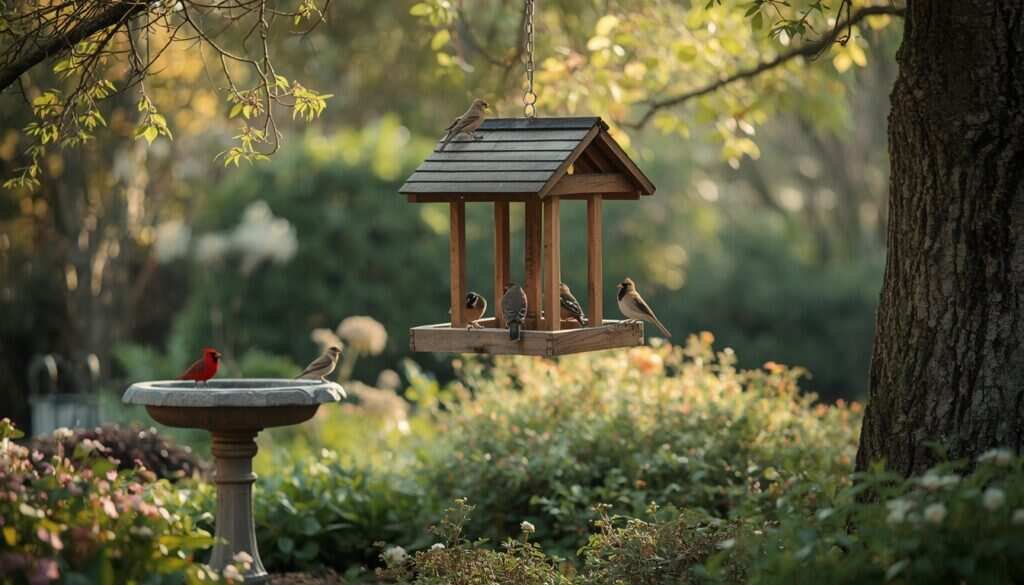
Birds don’t visit backyards by accident, they’re following instinct, scanning each space for signs that it can meet their basic survival needs. At the most fundamental level, every visitor is checking for four things: food, fresh water, shelter, and safe nesting places.
But knowing how to attract birds to feeder setups is only half the equation, since birds also evaluate safety before committing to a yard. They favor spaces with nearby cover for quick escapes, quiet surroundings free from constant disruption, and a reliable food supply they can count on day after day.
And solid protection from predators such as cats and hawks. When these elements align, even a modest yard becomes irresistible, proving that attracting birds to your bird feeder really comes down to meeting their instincts, not just filling a tray with seed.
How to Attract Birds Naturally | 15 Proven Ways
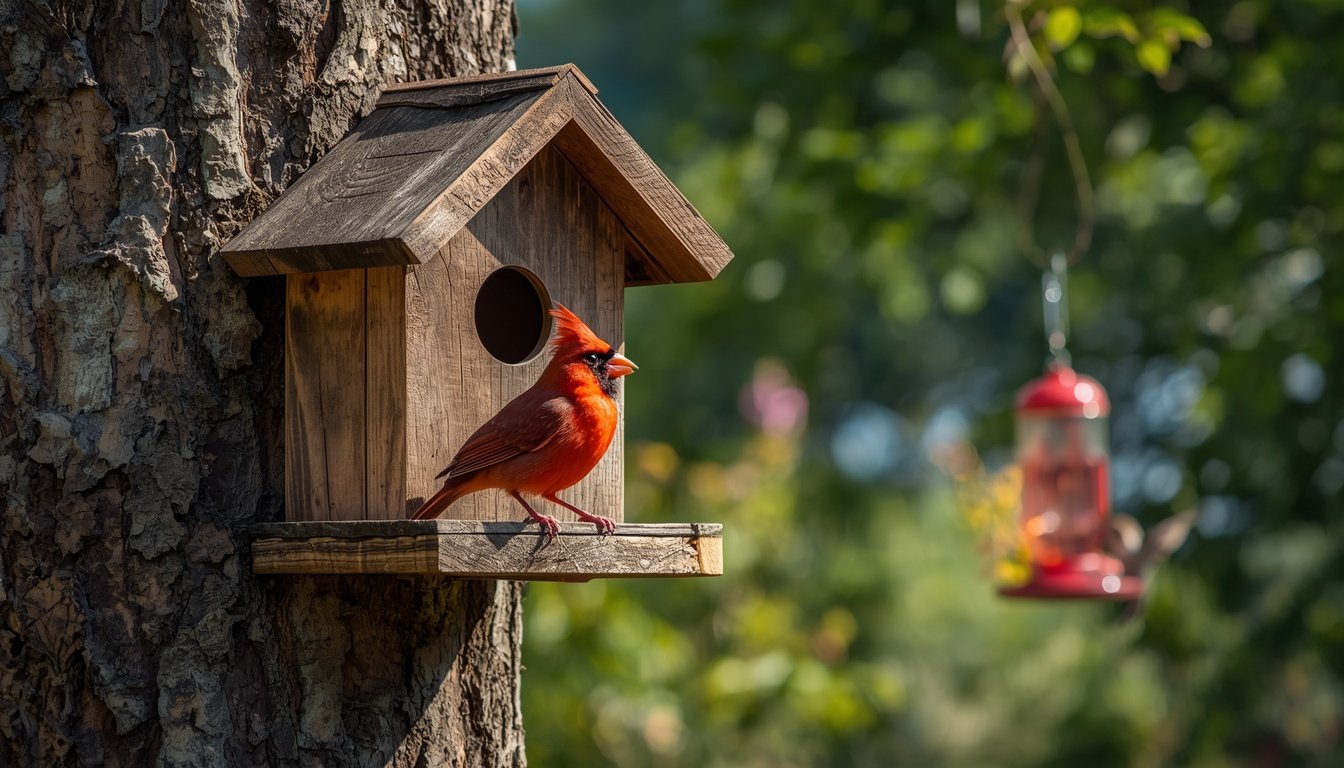
1. Offer High-Quality Bird Food
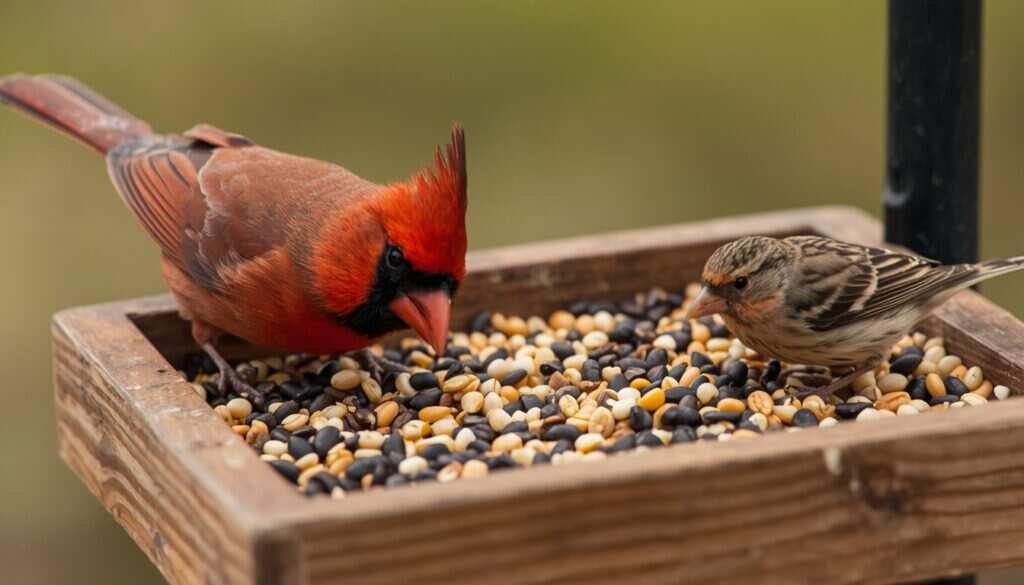
The single fastest way to attract birds naturally starts with what’s in your feeder. Quality food draws larger flocks, keeps them coming back, and even influences which species show up in your yard.
Best Seeds for Most Backyard Birds
- Black oil sunflower seeds, a universal favorite loaded with fat and protein
- White proso millet, ideal for ground-feeding birds like sparrows and juncos
- Nyjer seed, a magnet for finches learning how to attract birds to feeder stations
- Cracked corn, an affordable option that appeals to doves and blackbirds
- Peanuts, packed with energy for jays, woodpeckers, and chickadees
Foods for Specific Bird Species
- Suet, perfect for woodpeckers and nuthatches, especially in colder months
- Mealworms, irresistible to bluebirds and wrens figuring out how to attract birds to a new feeder
- Fresh fruit, a treat for orioles and tanagers
- Nectar, essential for hummingbirds seeking sweet, reliable energy sources
2. Choose the Right Bird Feeders

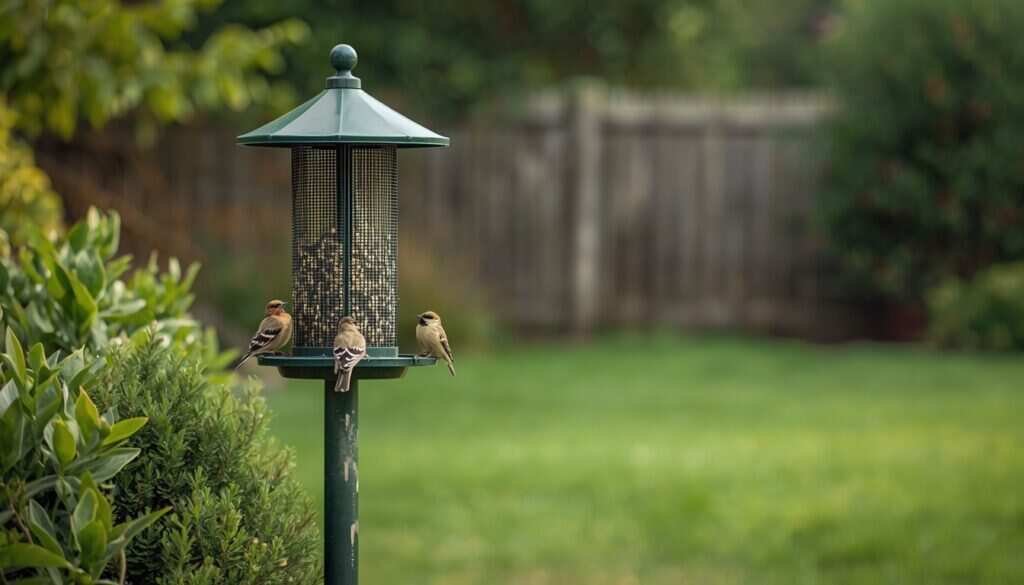
Not all feeders are created equal, and choosing the right one is often the difference between an empty yard and a lively one. If you’re serious about attracting birds naturally, matching feeder style to species is essential.
- Tube feeders: Perfect for finches and chickadees, dispensing seed through small ports
- Hopper feeders: Great all-purpose choice, ideal for how to attract birds to feeder setups targeting cardinals and jays
- Platform feeders: Open trays that welcome larger birds like doves and blackbirds
- Suet feeders: A woodpecker favorite, packed with high-energy fat
- Window feeders: Bring how to attract birds to bird feeder viewing right to your glass
- Ground feeders: Best when learning how to attract birds to a new feeder, since ground-loving juncos and sparrows prefer feeding low
Quick Tip: Match your feeder type to your target species for faster results and fewer wasted seeds.
3. Install a Bird Bath
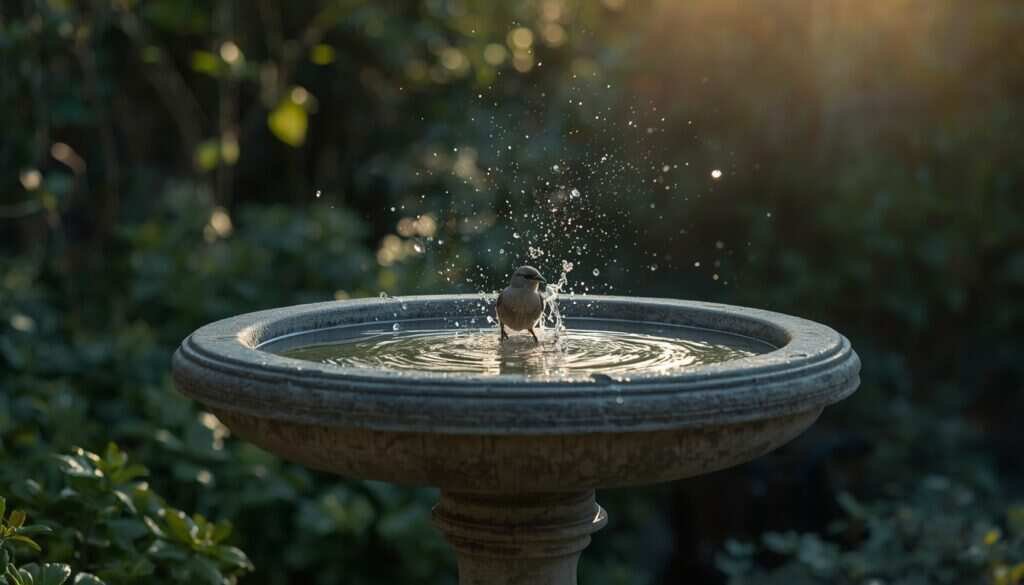
A bird bath is one of the fastest ways to attract birds to your yard. Water often works quicker than food since every bird needs it daily, regardless of diet.
- Why water wins: Not all birds eat seeds, but every single species needs water to drink and bathe, making it a universal draw beyond just attracting birds to feeder setups.
- Placement tips: Set the bath near shrubs or trees for quick escape cover, but keep it a few feet away from dense hiding spots where predators could lurk.
- Ideal depth: Keep water shallow, around 1 to 2 inches, gradually sloping deeper, so smaller songbirds feel safe wading in without fear of drowning.
- Moving water advantage: Birds notice motion instantly. Adding drippers, solar fountains, or misters mimics natural streams, drawing far more visitors than still, silent water ever could.
4. Keep Feeders and Bird Baths Clean
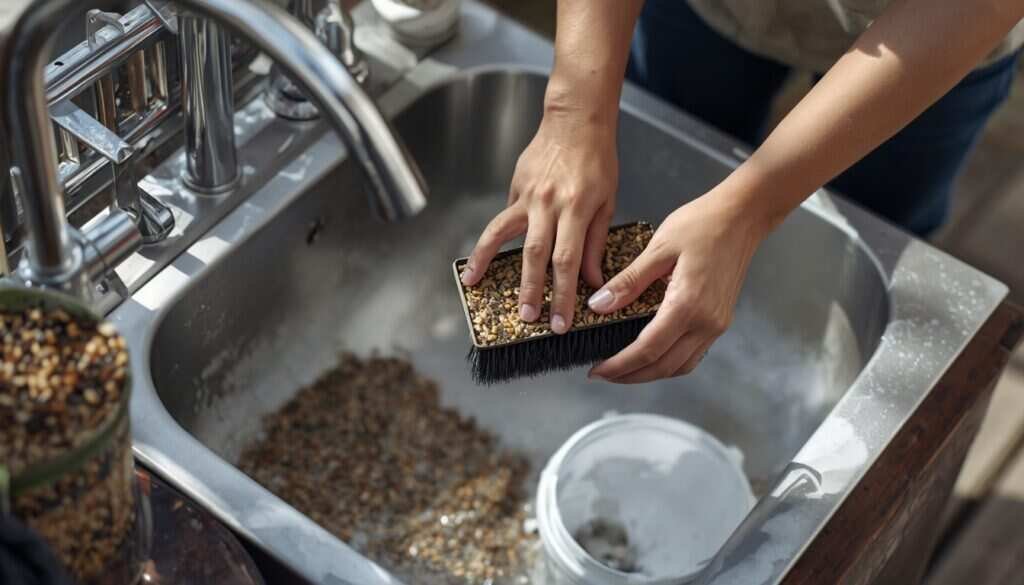
A dirty feeder or grimy bath can undo all your hard work, turning a welcoming spot into a health hazard birds instinctively avoid. If you’re serious about attracting birds to your feeder, cleanliness has to become part of your routine, not an afterthought.
- Weekly cleaning routine: Scrub feeders and baths with hot water and a mild bleach solution to prevent mold and bacterial buildup.
- Prevent disease: Regular cleaning is one of the most overlooked steps in safely attracting birds to feeder setups, since dirty surfaces spread illness quickly among flocks.
- Replace stale seed: Old, damp, or moldy seed drives birds away and can make them sick, so swap it out often.
- Fresh water daily: Standing water breeds bacteria and mosquitoes, so refill baths daily to keep birds coming back safely.
5. Plant Native Trees
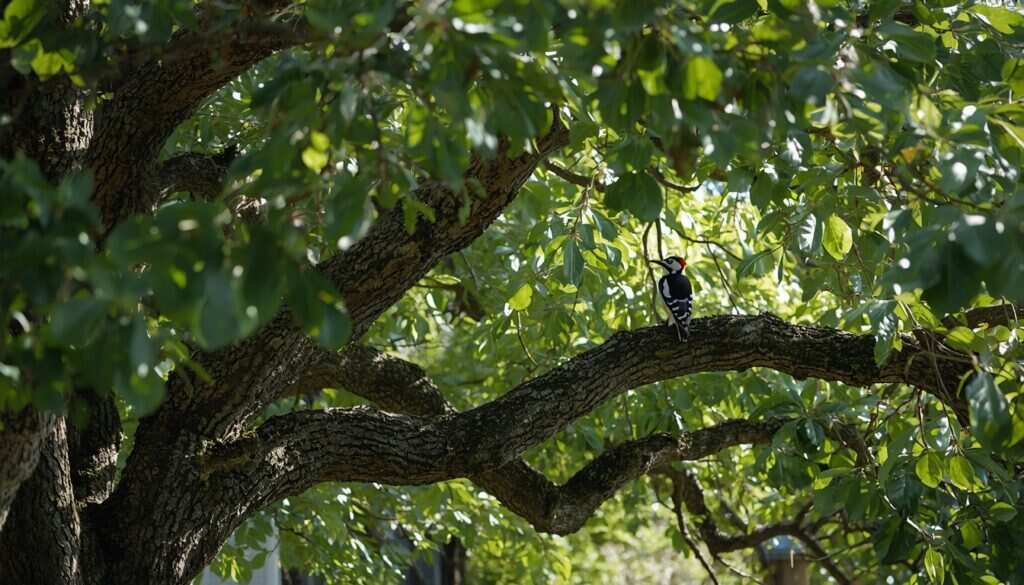
One of the most powerful ways to learn how to attract birds naturally is to think beyond feeders and invest in native trees. Species like oak, maple, dogwood, and crabapple offer far more than shade. They create a living ecosystem birds instinctively recognize as home.
Best Native Trees to Plant:
- Oak – supports hundreds of insect species birds rely on
- Maple – offers dense branches perfect for shelter
- Dogwood – produces berries that many songbirds love
- Crabapple – provides fruit well into winter months
Why Native Trees Work So Well:
- Shelter – protection from wind, rain, and predators
- Nesting – sturdy branches ideal for building nests
- Insects – natural food source that’s more nutritious than seed alone
- Seeds – added variety that complements how to attract birds to bird feeder efforts already in place
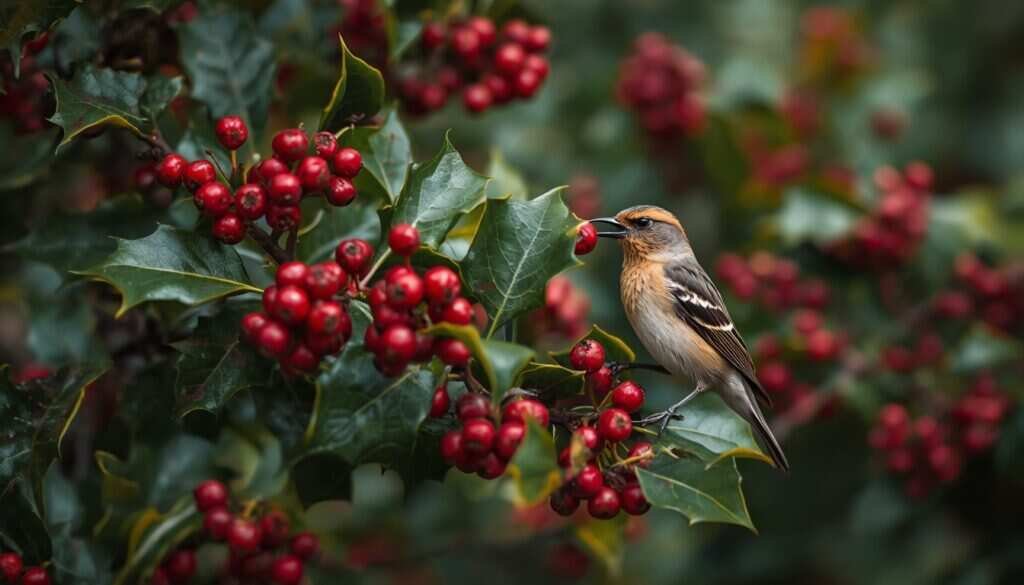
6. Add Berry-Producing Shrubs
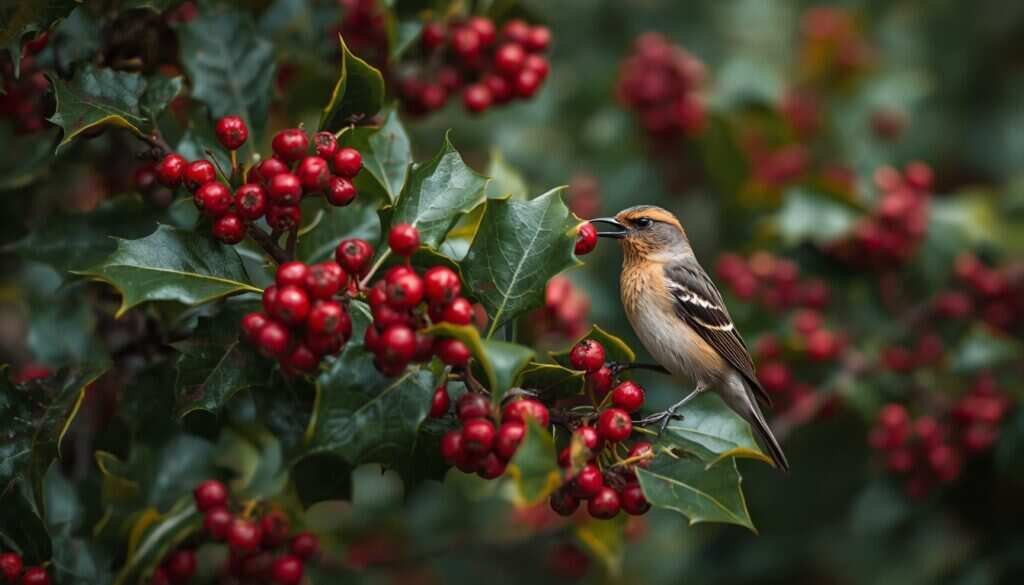
Berry-producing shrubs are among the most effective ways to attract birds naturally, offering a steady food source without any effort on your part. Unlike seed that runs out, these plants replenish themselves season after season, giving your yard year-round appeal.
- Elderberry: produces clusters of dark berries loved by robins, thrushes, and warblers throughout late summer
- Holly: its bright red winter berries provide critical nourishment when other food sources become scarce
- Serviceberry: ripens early in the season, drawing cedar waxwings and orioles before most feeders are even restocked
- Viburnum: offers dense berry clusters and thick foliage, doubling as both a food source and shelter
Pairing these shrubs with strategies for attracting birds to feeders creates layered dining options, ensuring visitors always have something to eat, whether they prefer natural berries or a well-stocked bird feeder nearby.
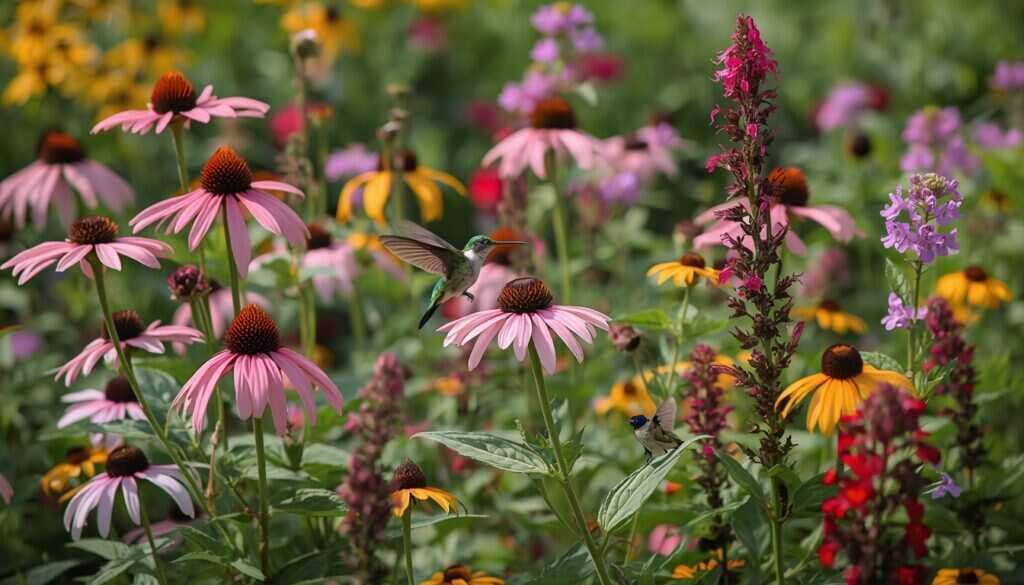
7. Grow Native Flowers Birds Love
Native flowers are nature’s original bird feeders, offering seeds and nectar without any maintenance on your part. Learning how to attract birds through planting is often more effective in the long term than relying on feeders alone.
- Sunflowers: their large seed heads are a favorite snack for finches, chickadees, and cardinals
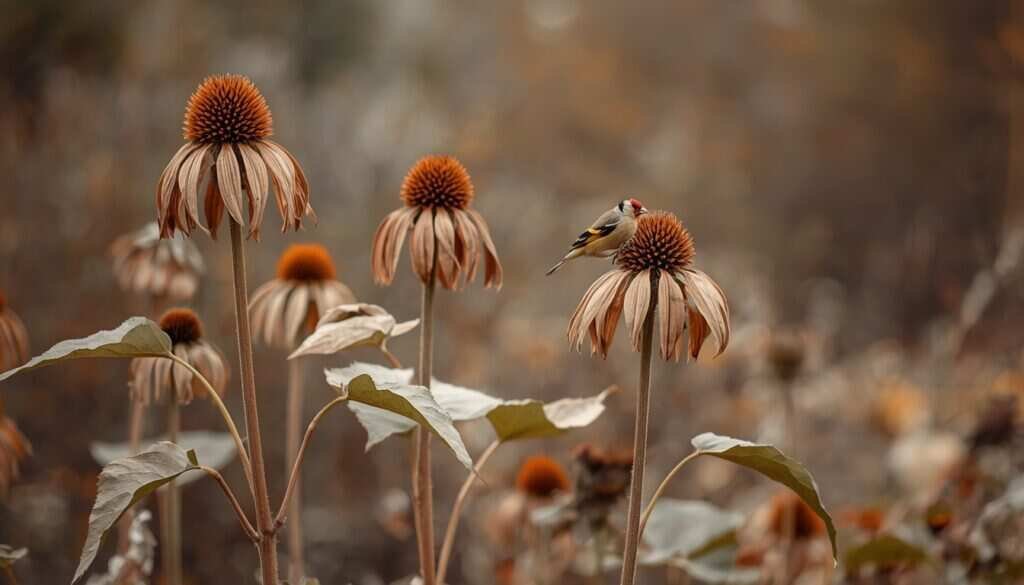
- Coneflowers: dried seed cones become a late-season buffet for goldfinches and sparrows
- Bee Balm: bright, tubular blooms are irresistible to hummingbirds seeking nectar
- Black-eyed Susan: hardy and seed-rich, drawing in a steady stream of backyard songbirds
- Asters: late-blooming flowers that supply pollinators and seeds well into autumn
- Zinnias: easy to grow and packed with nectar, perfect for hummingbirds and butterflies alike
Pairing these blooms with strategies for attracting birds to feeder setups creates layered, reliable food sources that keep visitors coming back all season long.
8. Leave Seed Heads Through Fall
Leaving spent flower heads standing through autumn isn’t messy gardening. It is one of the smartest ways to learn how to attract birds naturally. Seed heads from coneflowers, sunflowers, and black-eyed Susans offer a nutrient-rich buffet that beats store-bought mixes in freshness and appeal.
- Natural nutrition: seed heads provide fats and proteins birds need to survive colder months
- Zero maintenance: skip the deadheading and let plants feed wildlife instead of the compost bin
- Extended food window: standing seed heads bridge the gap between summer blooms and winter feeding
- Attracts variety: finches, sparrows, and chickadees flock to natural seed sources over feeders alone
- Builds trust: birds return to yards with dependable food, making future efforts like how to attract birds to feeder stations far more successful
- Supports biodiversity: leftover seed heads also shelter beneficial insects, adding another food layer for visiting birds
9. Build Safe Shelter
A feeder full of seed means little if birds have nowhere to hide from danger. Learning how to attract birds naturally starts with giving them cover they can trust:
- Dense shrubs: Thick, low-branching shrubs provide instant cover from hawks and neighborhood cats, helping nervous visitors feel secure enough to linger near your feeder.
- Evergreen trees: Unlike deciduous trees, evergreens provide year-round shelter, which is especially valuable in winter, when bare branches leave birds exposed.
- Brush piles: A simple stack of fallen branches creates a maze-like refuge that small birds use to escape predators in seconds.
- Hedgerows: These living privacy walls also serve as travel corridors, allowing birds to move safely between feeding and nesting zones.
- Native grasses: Left uncut, they shelter ground-feeding species and serve as nesting material.
Mastering how to attract birds to feeder areas always starts with safety first.
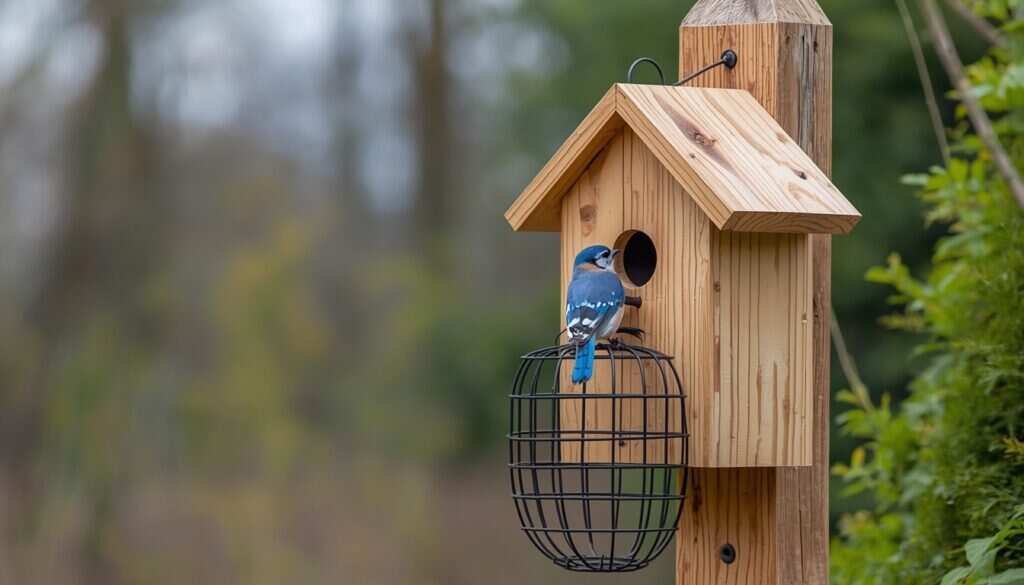
10. Install Birdhouses

Installing birdhouses gives cavity-nesting species a safe place to raise their young, turning your yard into more than just a feeding stop. It’s one of the most effective ways of learning how to attract birds naturally, since nesting spots keep visitors coming back season after season.
Getting the setup right matters just as much as knowing how to attract birds to nearby feeders. Pay close attention to:
- Entrance hole size: match the diameter to your target species, since too large an opening invites predators or unwanted birds
- Height: mount boxes 5 to 10 feet off the ground depending on species preference
- Direction: face entrances away from prevailing wind and harsh afternoon sun
- Predator guards: add baffles or guards to block snakes, raccoons, and cats
Placing houses near your bird feeder stations creates a complete habitat, with food and shelter working together.
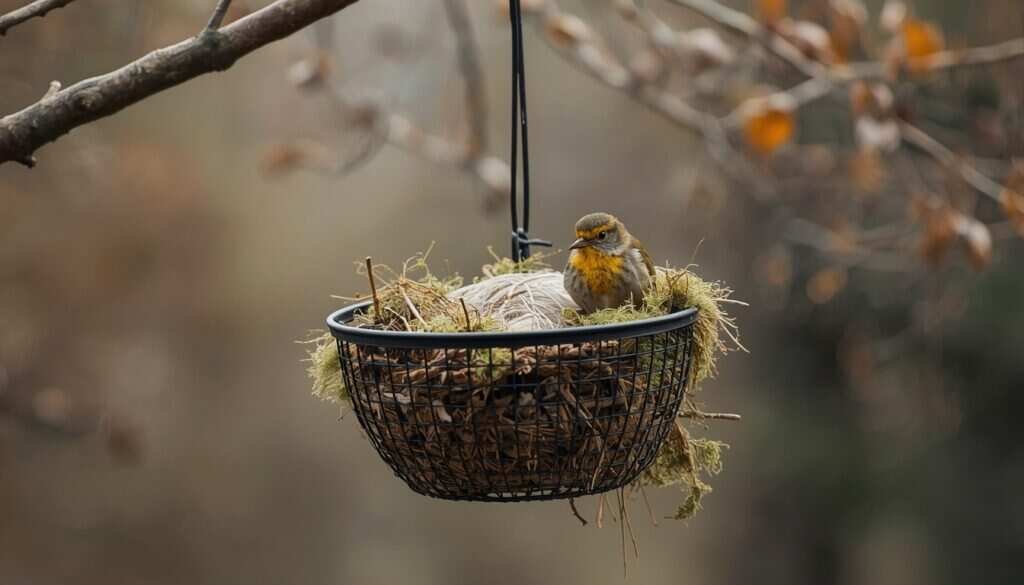
11. Leave Nesting Materials Available
Come nesting season, birds go searching for soft, sturdy materials to build their homes, and a yard that offers these supplies naturally becomes a magnet for feathered visitors. Learning how to attract birds by providing nesting materials is one of the simplest, most rewarding strategies in a bird lover’s toolkit.
Scatter these materials in an open basket or mesh bag around your yard:
- Twigs: sturdy building blocks for nest frames
- Pine needles: flexible material that adds structure
- Grass: soft lining that keeps eggs cozy
- Pet fur: warm, natural insulation birds love
- Moss: excellent for cushioning and camouflage
Placing these near your feeder setup does double duty. It encourages nesting while reinforcing everything you’ve done to master attracting birds to feeder stations, giving your yard a true year-round appeal.
12. Avoid Pesticides
Chemical sprays might keep your garden looking pristine, but they wipe out the very food source birds depend on to survive and raise their young. If you’re serious about attracting birds naturally, ditching pesticides is one of the most impactful changes you can make.
Going chemical-free creates a ripple effect across your entire yard:
- More insects: a steady natural food supply for hungry birds and nestlings
- Healthier habitat: safer soil, plants, and water for every visiting species
- Better biodiversity: butterflies, bees, and beneficial bugs return alongside the birds
A pesticide-free yard essentially becomes a self-sustaining buffet, which means less reliance on store-bought seed and a more natural approach to attracting birds to your bird feeder year-round.
13. Create Layers in Your Landscape
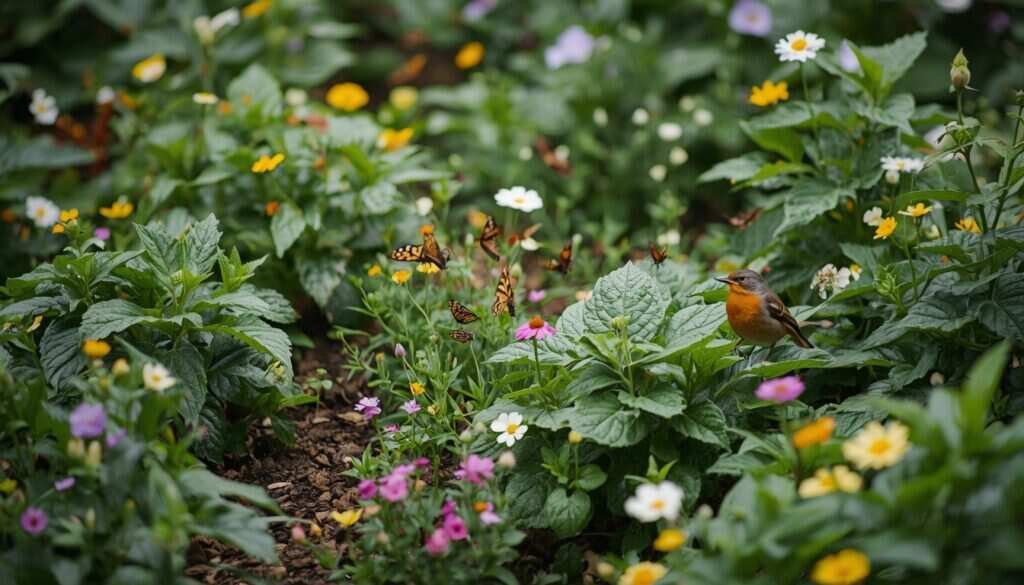
Birds don’t just want food, they want structure. A layered landscape mimics a natural forest edge, giving different species the specific heights they prefer for feeding, nesting, and hiding from predators.
Building these levels is key to how to attract birds to a new feeder and keep them coming back:
- Ground cover: low plants where ground-feeding species forage safely
- Shrubs: dense mid-level cover for nesting and quick escapes
- Small trees: perching spots and additional food sources like berries
- Tall canopy: shelter and lookout points for larger, cautious species
Together, these layers transform a flat, exposed yard into a dynamic habitat, making your space irresistible to a wider variety of birds year-round.
14. Keep Cats Away From Feeding Areas

Even the most bird-friendly yard can turn dangerous if outdoor cats are lurking nearby. Predators are among the biggest reasons birds abandon a feeding station altogether. So addressing this risk is essential if you’re wondering how to attract birds and keep them around.
A few simple safety strategies make a big difference:
- Place feeders at least ten feet from bushes or fences where cats can hide
- Use pole-mounted feeders with baffles instead of low, easily accessible platforms
- Keep pet cats indoors, especially during early morning and evening feeding hours
- Add motion-activated deterrents near feeding zones to discourage neighborhood cats
Creating this safety buffer reassures birds that your yard is worth the risk, reinforcing everything you’ve built toward successfully attracting birds to feeders.
15. Reduce Window Collisions
Reflective glass can look like open sky or inviting trees to a bird in flight, leading to fatal collisions that undo all your hard work. Making your windows visible is a crucial safety step in learning how to attract birds to your bird feeder without accidentally putting them in harm’s way.
Try these proven solutions:
- Window decals: breaking up reflections so birds recognize the glass surface
- External screens: adding a physical buffer that softens any impact
- Bird-safe glass: using patterned or UV-reflective glass birds can see
Combining a few of these methods near feeding areas dramatically reduces strikes, ensuring that every bird that visits your yard leaves safely, ready to return.
Best Bird Foods by Species
| Bird Species | Favorite Food |
|---|---|
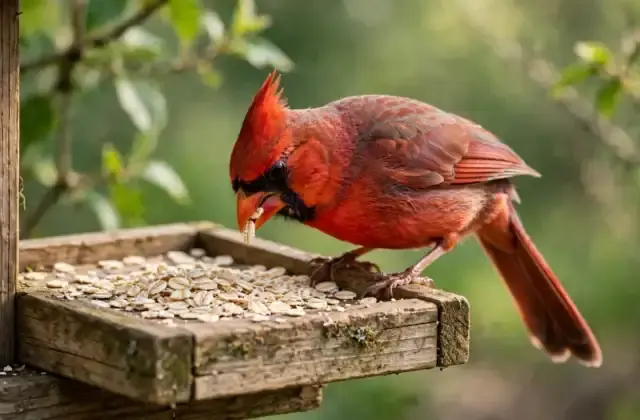
| Cardinals | Black oil sunflower seeds |
| Goldfinches | Nyjer seed |
| Chickadees | Sunflower seeds |
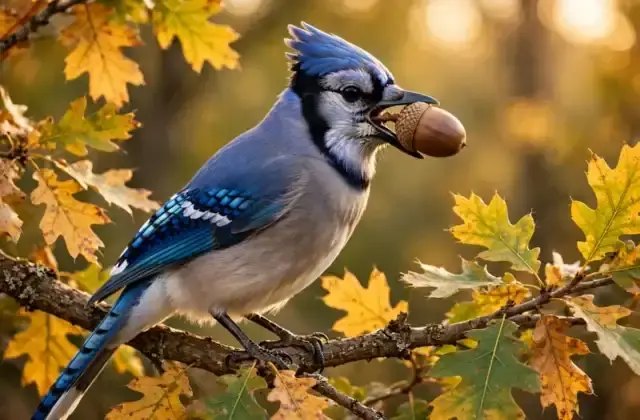
| Blue Jays | Peanuts |
| Woodpeckers | Suet |
| Robins | Mealworms |
| Orioles | Oranges & jelly |
| Hummingbirds | Sugar nectar |
| Doves | Millet |
| Sparrows | Mixed seed |
Final Thoughts
Creating a bird-friendly backyard ultimately comes down to four essentials: food, fresh water, shelter, and safety. But the real secret to attracting birds isn’t a single feeder or fountain. It is building a genuine habitat where every element works together to support birds through every season.
When you layer plants, minimize pesticides, add nesting materials, and protect visitors from predators and window strikes, you’re doing far more than decorating your yard, you’re creating a sanctuary. The best part is that these improvements don’t need to happen overnight.
Small, consistent changes compound over time, gradually inviting more visitors and a wider variety of species. Start with one or two strategies today, and watch your backyard transform into a thriving haven birds return to again and again.
Use Bird Sounds to Attract Birds Faster
One lesser-known but effective method is playing recorded bird calls or songs near your yard, particularly during migration periods in spring and fall. Many species respond to the calls of their own kind, interpreting the sound as evidence that an area is safe and productive.
Keep playback sessions short, about five to ten minutes at a time, and use them sparingly. Constant playback can stress birds or disrupt natural behavior. Think of it as an invitation, not background music.
Pair the sound with visible food and water. Birds that hear the calls and then find a stocked feeder and fresh birdbath are far more likely to stay and return.
Attracting Birds from an Apartment Balcony
No backyard? No problem. You can still attract birds from an apartment balcony with a few adaptations. Window-mount suction cup feeders attach directly to glass and provide remarkable close-up views of visiting birds.
A small hanging nyjer sock or tube feeder can attract finches even to high-rise balconies. Add a small water dish with a dripper, and choose compact plants in pots to provide a touch of cover.
Keep the setup clean and secure. Balcony feeders need the same weekly cleaning as yard feeders, and make sure everything is firmly attached so nothing falls to the street below.