
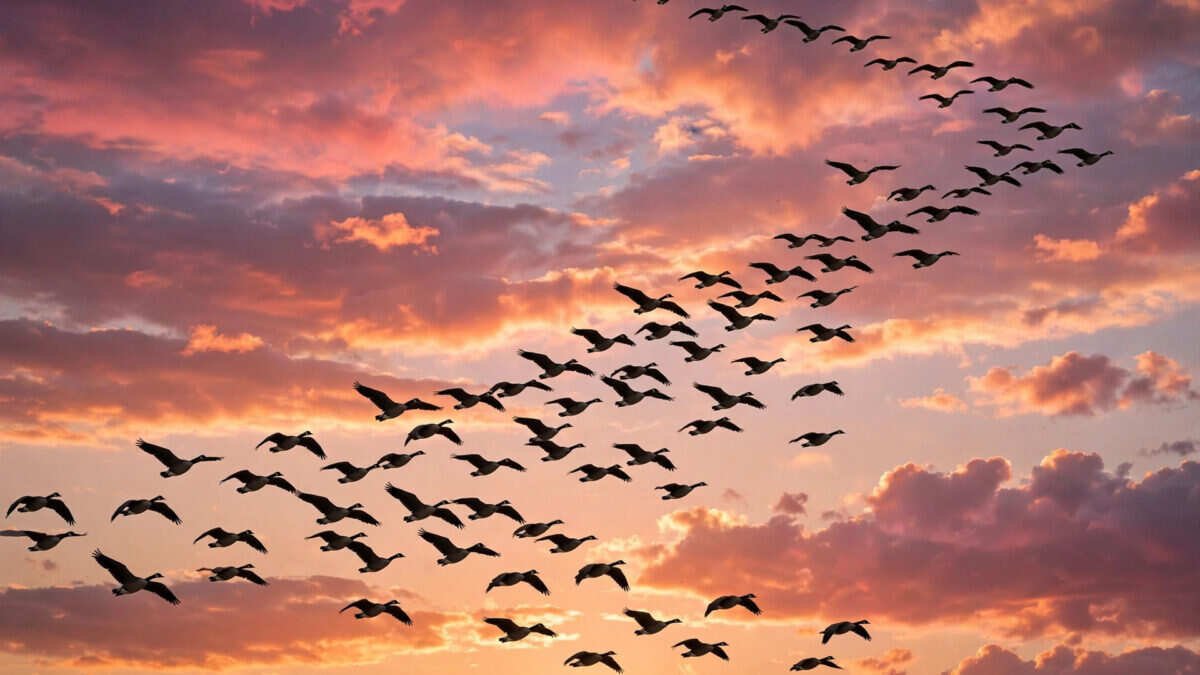
Every spring and fall, bird migration moves billions of birds across continents, often at night, often over oceans, and often right over your roof without you ever seeing them.
Migration refers to the movement of animals between their breeding and non-breeding home. This movement has a specific timing, uses energy and involves navigation. Most migrants will return to the same area each year.
This guide gives you the big picture: why birds go, how they find the way, when the big movements happen, and what you can do to help them arrive.

What Is Bird Migration?
Migration is when birds move regularly on a seasonal basis from their breeding grounds to their non-breeding grounds. The spring trip north and the fall trip south are two halves of one yearly cycle.
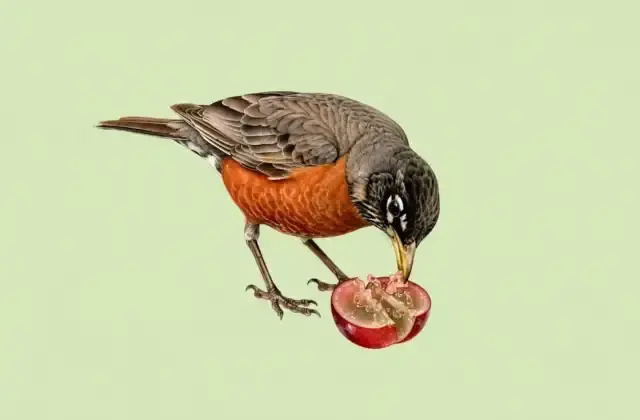
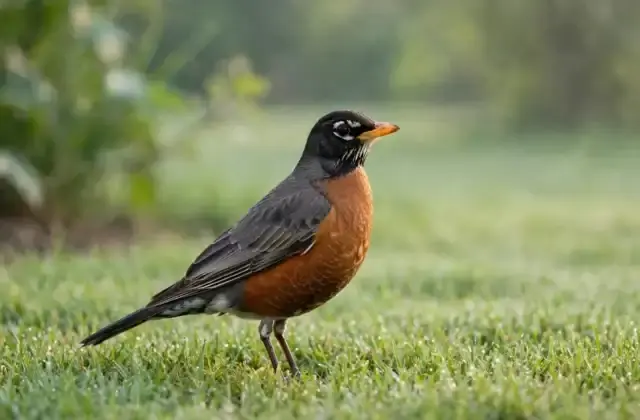
This is different from everyday movement. If a robin is hopping around on the lawn, it is foraging. But if it flies hundreds of miles to its wintering area and stays there for months, it is migrating.
Some species of bird do not migrate. They may live in one area all year round, only migrate in difficult winter conditions, or just a section of the population will migrate. Those variations matter, and this guide covers them below.
Migration has been going on for a long time. Birds have been following seasonal food and daylight for millions of years, long before modern borders, cities, or farm fields existed to help or hinder them.
Why Birds Migrate
Birds migrate mainly to track food and to raise young in places where food peaks at the right moment. Climate matters, but food is usually the deeper reason.
Food That Comes and Goes
The northern hemisphere is bursting with insects, buds, and seeds during the spring. The warbler who has been wintering in Central America can’t find any of this in its home in May. But Canada has plenty!
During autumn, insects die, ponds freeze, and the seeds are covered in snow. Staying would mean fighting over a scarce food source in the cold, which costs them a lot of energy every night.
Breeding Grounds Worth the Trip
Long summer days in the north provide parents with extra time to feed their young. Some breeding areas have reduced predator and parasite pressure compared to the often overcrowded tropical wintering areas.
The trade is simple: a demanding migration twice a year, but a great place to breed with plenty of space. Species that can survive the journey will successfully raise their young.
Daylight and Living Space
Longer days mean more time to feed adults and rapidly growing young. During the wintering period in fall, there are fewer hours of daylight but milder temperatures, open water and a reliable food source.
What Triggers Migration?
Birds do not check a calendar. Their bodies read signals in the environment, and those signals start restlessness, feeding, and departure in a reliable order.
Photoperiod: The Length of Day
The most prominent cue is photoperiod, the changing length of daylight. During spring or late summer, when the amount of daylight increases or decreases, hormone levels change and birds enter a state researchers call migratory restlessness.
Captive migrants will flutter and orient in the right direction at night even without seeing the sky. The urge is built in. Learning and weather then refine it.
Weather That Helps or Holds
Birds wait for good weather. In fall, many songbirds leave after a cold front to take advantage of the north winds and go south with less effort. In spring, warm south winds can carry a big wave north in a single night.
Rain, headwinds, and storms hold birds back. That is why migration often arrives in pulses: quiet days, then a morning when the woods suddenly seem full.
Food Supply and Body Condition
Poor birds do not depart on time. Migrants eat a lot before they leave building up fat stores. This can make them almost double in weight. The fat provides energy for flight and many species burn fat constantly during long night flights.
When natural food fails early, some species leave sooner. When food stays plentiful, short-distance migrants may linger for weeks.
How Birds Navigate
No single sense explains it. Birds combine several compasses and maps, and young birds on their first trip already carry much of the program in their genes.
The Sun and the Stars
Day migrants use the sun and their internal clock to adjust for the movement of the sun during the day. Night migrants use star patterns, learning the rotation of the night sky around a fixed point as nestlings.
On cloudy nights birds rely more on other cues. That is one reason heavy cloud and city light can disorient them.
Earth’s Magnetic Field
Birds are able to detect the Earth’s magnetic field, using it as a compass and general map. They can detect the inclination of the field lines, which varies depending on latitude.
This is likely to involve light-sensitive proteins in the eyes and an independent sensor connected to the beak. The full mechanism is still being worked out, and honest guides should say so.
Landmarks, Sound, and Smell
Experienced birds use coastlines, river valleys, mountain ridges, and even the sound of surf or wind over slopes. Following a coastline also keeps food and rest stops within reach.
Some species rely on olfaction to orient them. Shearwater seabirds can navigate across the featureless ocean using their sense of smell, and homing pigeons are well known for using olfaction when they are close to home. Although not all species use olfaction, it is an important factor for some.
The Four North American Flyways
Migration in North America occurs along four broad areas known as flyways. These do not follow narrow routes but instead follow wide areas influenced by the coastline, rivers and mountains. Each flyway contains well-known bottlenecks and rest stops.
Atlantic Flyway
The Atlantic Flyway runs from Canada and New England along the East Coast, across the Mid-Atlantic and Southeast, to Florida, the Caribbean, and beyond. Coastal marshes and barrier islands are key stopovers.
Warblers, shorebirds, and raptors use this route. At Cape May, New Jersey, fall winds concentrate hawks and songbirds in remarkable numbers.
Mississippi Flyway
The Mississippi Flyway follows the Mississippi, Missouri, and Ohio rivers through the middle of the continent. River forest and wetlands give food and cover across otherwise open farmland.
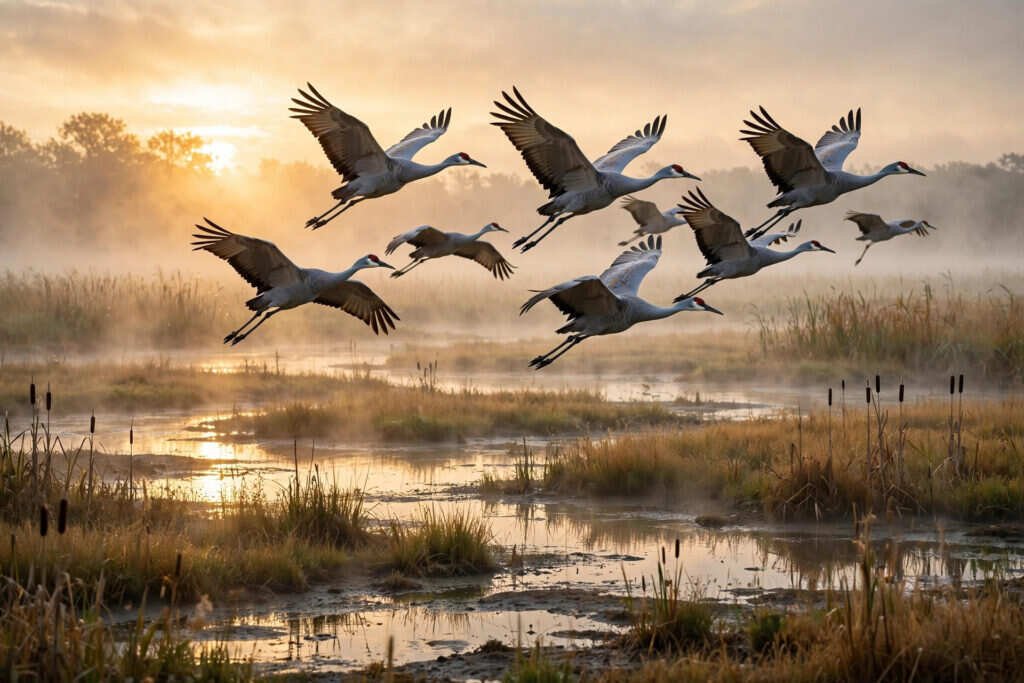
A huge share of North America’s ducks, geese, shorebirds, and songbirds use this corridor. The Platte River in Nebraska is famous for staging sandhill cranes each spring.
Central Flyway
The Central Flyway runs down the Great Plains from Canada to Texas and Mexico. It is the land of prairie wetlands, playas, and wide skies.
Whooping cranes, sandhill cranes, and many grassland birds travel this route. Because plains wetlands can dry out, birds shift stops from year to year with the water.
Pacific Flyway
The Pacific Flyway follows the West Coast from Alaska and western Canada to California and Mexico. Estuaries, coastal wetlands, and California’s Central Valley carry millions of waterbirds.
When interior wetlands freeze, coastal bays become lifelines. Protecting just a few major estuaries on this flyway protects birds from a vast breeding range.
When Does Migration Happen?
Timing depends on species, distance, and food. Long-distance insect eaters move on a tighter schedule than seed eaters or waterfowl that can wait out the weather.
Spring Migration
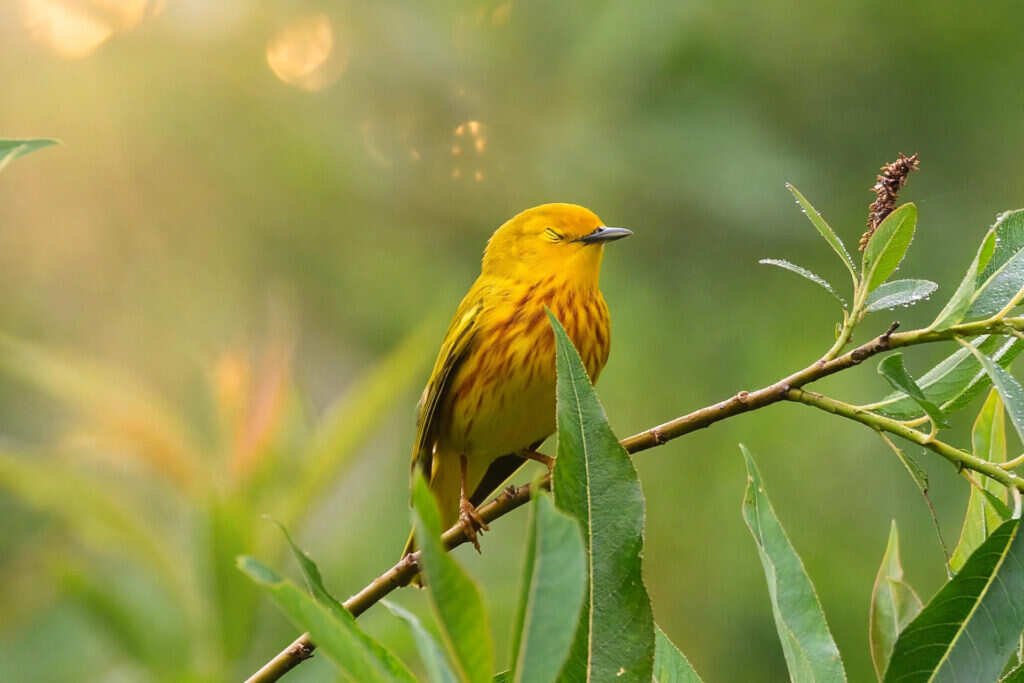
The spring migration from North America begins in late February, reaches its peak in April and May (for most songbirds), and declines in early June. Waterfowl and raptors often migrate earlier. Swallows and hummingbirds arrive with the insects and nectar.
Spring birds are in a hurry. Arriving early secures the best territories, but arriving before food emerges can be fatal in a late cold snap.
Fall Migration
The migration period begins earlier than most people realize. Shorebirds often begin to depart their breeding grounds in July. The songbird migration period is at its peak between late August and October. Waterfowl and sparrows are on the move until November.
Fall is more spread out than spring. Adults and young birds travel together or separately, food is still available on the way, and there is less pressure to arrive first.
Night Flight and Morning Fallout
Many songbirds migrate at night. It is cooler, quieter, and there are fewer predators. They can also feed during the day at their stop-over points. Sometimes you can hear their gentle calls as they fly above.
As dawn breaks, the exhausted migrants will fall into the first bit of greenery they see. This could be a park, garden or even just one tree. If they have had a busy night with lots of headwinds, birders call the crowded result a fallout.
| Season or months | What is moving | Typical examples | What to watch for |
|---|---|---|---|
| Late Feb to Mar | Early waterfowl and raptors | Snow geese, red-tailed hawks | Flocks over thawing wetlands |
| Apr to May | Peak songbird movement | Warblers, orioles, tanagers | Dawn choruses and new arrivals daily |
| Jun to Jul | Breeding ends, first shorebirds head south | Sandpipers, yellowlegs | Mudflat flocks in midsummer |
| Aug to Sep | Songbirds and swallows southbound | Barn swallows, ruby-throated hummingbirds | Birds gathering on wires, feeder rushes |
| Oct to Nov | Sparrows, waterfowl, cranes | White-throated sparrows, sandhill cranes | Big V flocks and bugling crane calls |
| Dec to Jan | Late and weather-driven movement | Snowy owls in irruption years | Unusual visitors after northern food failures |
Types of Migration
Migration is not one pattern. The type a species uses tells you where to expect it, and when.

Long-Distance Migration
Long-distance migrants travel between or across continents. The extreme example is the arctic tern that migrates from Arctic breeding grounds to Antarctic waters. Many warblers, swallows and shorebirds migrate to Central or South America for the winter.
These birds depend on chains of stopover sites. Lose one key wetland or forest patch, and a whole population can suffer.
Short-Distance Migration
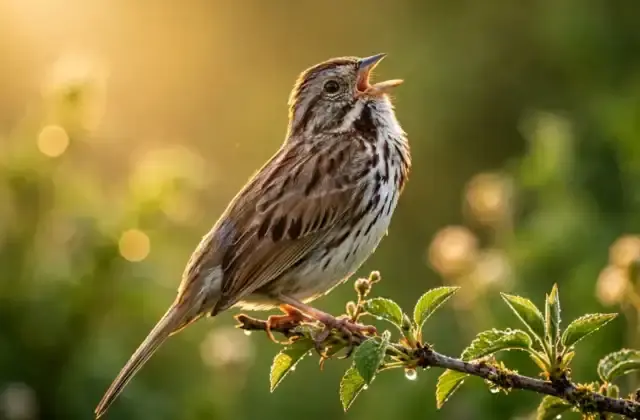
Short-distance migrants move within a continent, often a few hundred miles. American robins, many sparrows, and red-tailed hawks fit here. Their timing is flexible and closely tied to weather and food.
Partial Migration
In partial migration, only part of a population migrates. Younger birds or females may travel farther, while some adults stay if they can hold a good territory and find food.
Altitudinal Migration
Mountain birds may simply move downhill for winter. A species that breeds in alpine meadows can winter in valleys a short flight away, trading altitude instead of latitude. Clark’s nutcrackers and some hummingbirds use this strategy.
Irruptions and Nomadism
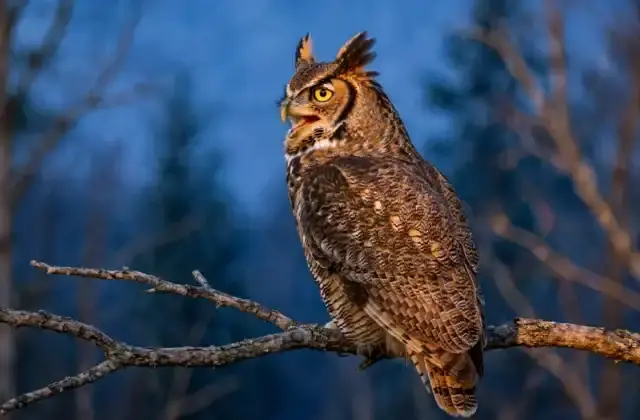
Irruptive species move in irregular years when their food crop fails. Snowy owls, red crossbills, and pine siskins appear far south in some winters and hardly at all in others.
Nomadic birds follow rain and seed wherever they occur, especially in dry country. Their movements look unpredictable, but they are tracking resources just as other migrants do.
Species Spotlights: Start With These Familiar Birds
The best way to learn migration is to follow a few species you already know. Each of these has a full guide on this site, so start here and dig deeper there.
Although rock pigeons have a sedentary appearance, many are indeed sedentary. However, wild and northern populations do display some migratory behavior. Our guide to whether pigeons migrate and how far they travel explains the partial pattern behind the familiar flock.
The American crows are also partial migrants. The northern birds migrate south and form large noisy flocks to roost. Many southern birds remain. See how crows migrate and where winter roosts form for the short-distance picture.
Hummingbirds make an incredible migration for their size. Many ruby-throated birds migrate across the Gulf of Mexico in one go! Timing is everything for them, so read when hummingbirds leave and what triggers departure before you take your feeders down.
And if you have ever wondered where your summer birds actually spend the cold months, our overview of where birds go in winter, by species and region fills in the map.
Dangers on the Journey
Migration has always been risky. A large share of young birds do not survive their first round trip. Human changes have added new hazards on top of storms and predators.
The greatest natural threat remains weather-related. Hurricanes, late snow, droughts at stopover sites or a strong headwind over water can exhaust birds that have no safe place to land.
Glass is a silent killer. Birds do not recognize windows as obstacles and huge numbers are killed every year by striking homes and towers in North America. Light at night attracts migrants and causes them to circle around lit buildings.
Loss of habitat breaks the chain. Migrating birds need breeding grounds, wintering grounds, and stopover feeding sites. Development, wetland drainage, and deforestation at any one link can undo protection at the others.
Cats, pesticides, and food shortages add pressure. Outdoor cats kill grounded and exhausted birds, and declines in insect prey leave insect-eating migrants with less fuel at every stop.
How to Help Migrating Birds
You cannot shorten a bird’s journey, but you can make your patch of ground safer and more useful for the nights it passes through.
At Home and at Feeders
Keep feeders clean and full at busy times, particularly if it’s cold or wet. Provide a source of water as well as food, as the migrants will often use a shallow birdbath first. Our guide to common feeder birds and what each species prefers to eat will help you stock the right mix.
Grow native shrubs and trees if possible. These will provide food for insects, which provide much better food for migrants than lawns. Leave leaf litter and seed heads standing through the fall to provide food for ground-feeding sparrows and towhees.
Turn off any unnecessary outside lights and draw your blinds on any lit windows. If you are having problems with birds flying into your windows, attach screens, cords, or decals spaced close together on the outside of the window.
Keep cats indoors, at least during the busy dawn hours of migration season. A single grounded warbler has almost no defense.
Watching Migration Well
It makes birdwatching much more straightforward. BirdCast provides nightly migration forecasts and real-time radar maps of bird movement across the United States. This means that you can easily find out which mornings will have the most activity and go out at dawn.
Hawkwatches are the great exception to night flight. On autumn days with northwest winds, staffed ridge and lakeshore sites count thousands of hawks, eagles, and falcons riding thermals south.
New to all this? Start with our bird watching guide for beginners, with gear and first skills, then keep a simple list of first arrival dates each spring. Your own notes, year after year, teach timing better than any book.
Frequently Asked Questions
How far do birds migrate?
This can vary greatly. A mountain bird could fly a few miles, but an arctic tern will fly around 40,000 miles plus in a year from one pole to the other. Most songbirds breeding in North America will travel anywhere from a few hundred to a few thousand miles each way.
Do all birds migrate?
No. Most woodpeckers, and many chickadees and city pigeons are resident species. Not all individuals of migratory species migrate; some will remain in the area. This is known as partial migration.
How do birds know when to leave?
The main cue is photoperiodic changes which cause hormonal changes and increase restlessness and heavy feeding. The weather and food availability will then affect when they actually leave. They will leave on a favorable night with helpful winds and plenty of fat stored.
Why do birds migrate at night?
Night migration provides several advantages. Cooler temperatures, fewer predators, and time to feed during the day while on stopover sites. Many songbirds also use stars for navigation, which only works after dark.
What is a flyway?
A flyway is a large migration route used by a variety of species. North America has four flyways: Atlantic, Mississippi, Central, and Pacific. These all follow coastlines, rivers or mountain ranges and include important stopover sites which need to be protected.
How can I tell migration is happening near me?
Expect to see new species appearing, dawn flocks dropping into parks, geese and cranes overhead, and hummingbirds or orioles zooming around feeders. BirdCast predictions and local checklists show that there will be great nights.
Sources
- BirdCast, Cornell Lab of Ornithology: migration forecasts, live radar maps, and research on night migration. https://birdcast.info/
- U.S. Fish and Wildlife Service, Migratory Bird Program: conservation, flyways, and bird protection in the United States. https://www.fws.gov/program/migratory-birds
- eBird, Cornell Lab of Ornithology: observer records that map where migrant species occur through the year. https://ebird.org/home
Conclusion
Migration requires a chain of rich breeding areas, safe places to stop and friendly wintering areas. Birds use the sun, stars, magnetic field, and memory to navigate. If one part fails then the whole chain will be affected.
The good news is that little things will help. Keeping your windows dark, feeders clean, adding native shrubs and taking time to watch will all help the birds traveling thousands of miles on their long journey. You can learn when they will be coming through your area so you will never have an empty sky again.