
Introduction
A scoop of cracked corn won’t cost much, and the ground-feeding birds in your backyard will be attracted to it within the hour. Mourning doves will sidle up, sparrows will scratch, and blue jays will swoop down to grab some. While there are few feeders that are as cheap and easy to feed as cracked corn, there are some warnings to be aware of. Corn is most likely to be contaminated with aflatoxins (toxic substances produced by certain molds). Cracked corn that is wet will go off quickly. However, if you feed small amounts of dry cracked corn it can be a useful food source for a specific group of birds. If fed carelessly though, it can become a dangerous food. This guide will give you the good and the bad.
What Is Cracked Corn
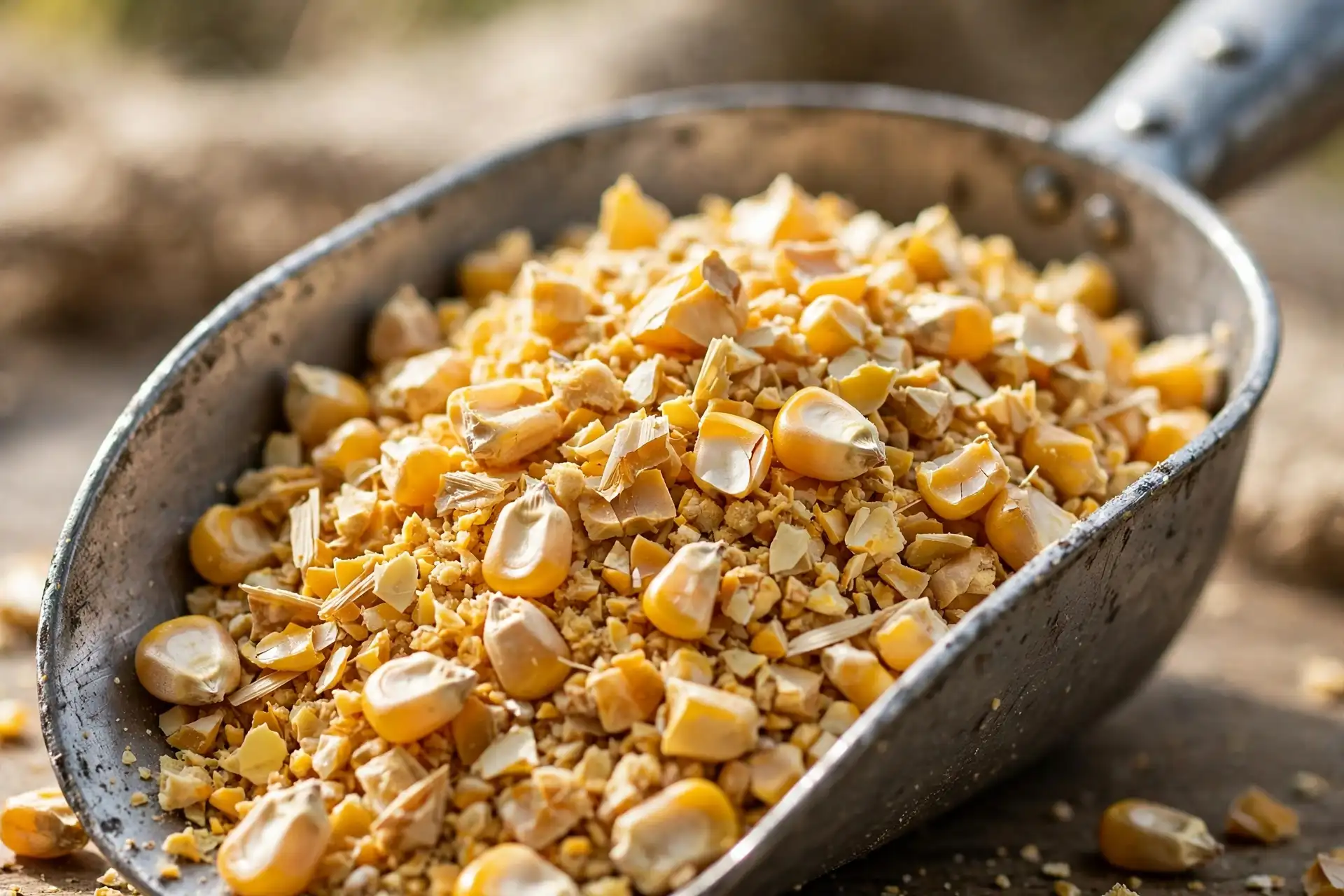
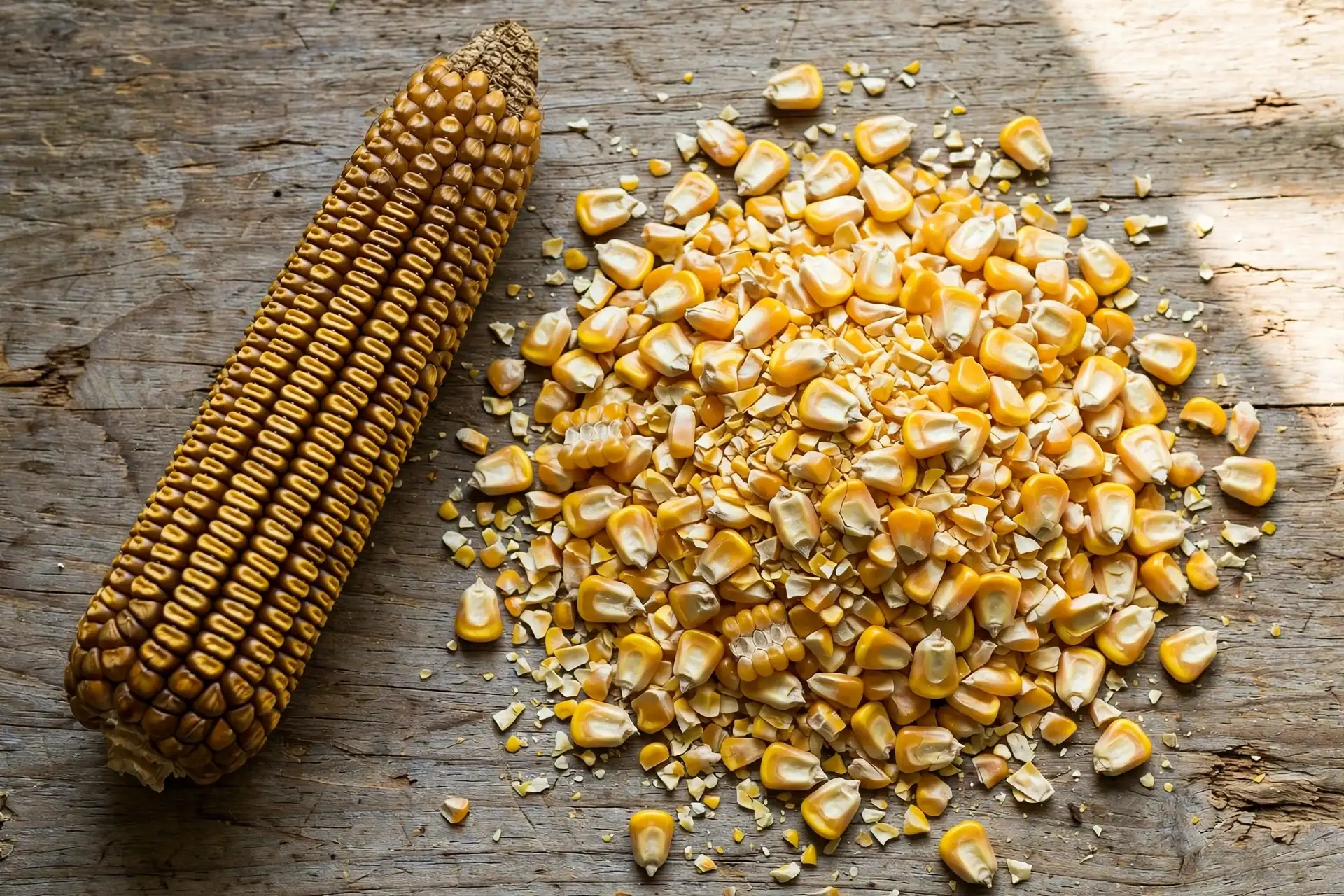
Cracked corn is dried corn that has been crushed. Whole dried kernels are put through a mill or rollers so that they are crushed into coarse pieces.
That is the idea. The entire kernel is too large and tough for many small birds to eat. If it is broken up into small pieces, doves, sparrows and juncos can easily pick them up and eat them.
Cracked corn can be bought in bulk. It can also be bought in bags and can be used as an ingredient in seed mixtures. It is one of the cheapest bird foods available.
This is a grain, and not a true seed like sunflower or millet. It is used by birds to provide a quick energy source but is best used as part of a varied diet.
Which Birds Eat Cracked Corn
A lengthy list of animals which feed on corn includes: grouse, pheasants, turkeys, quails, cardinals, grosbeaks, crows, ravens, jays, doves, ducks, cranes and others (Cornell Lab of Ornithology).
Project FeederWatch is more specific about the cracked form. Whole corn is a favorite of wild turkeys and ducks, while cracked corn will attract doves, quail, and sparrows.
Cracked corn provides a good source of food for ground feeding birds and those with strong beaks to crack grains. However, very little will be eaten by birds that feed in trees or are insectivores.
For the wider picture of which birds gather at feeders and on the ground below them, see our guide to feeder birds.
Ground-Feeding Birds
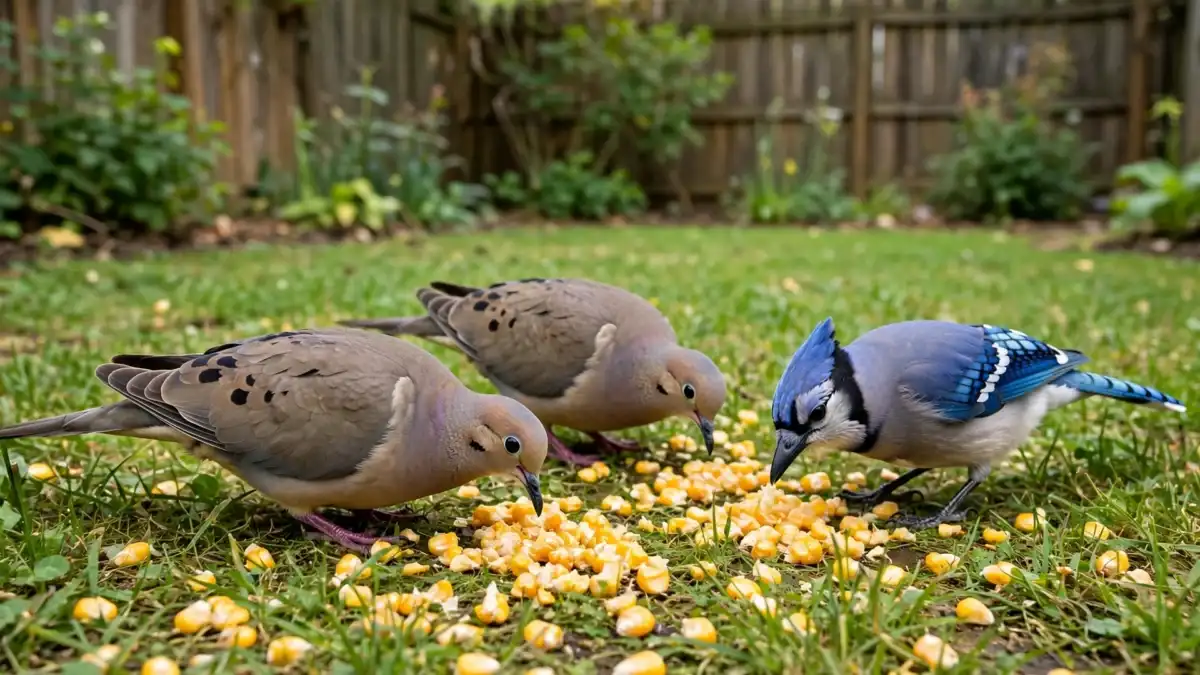
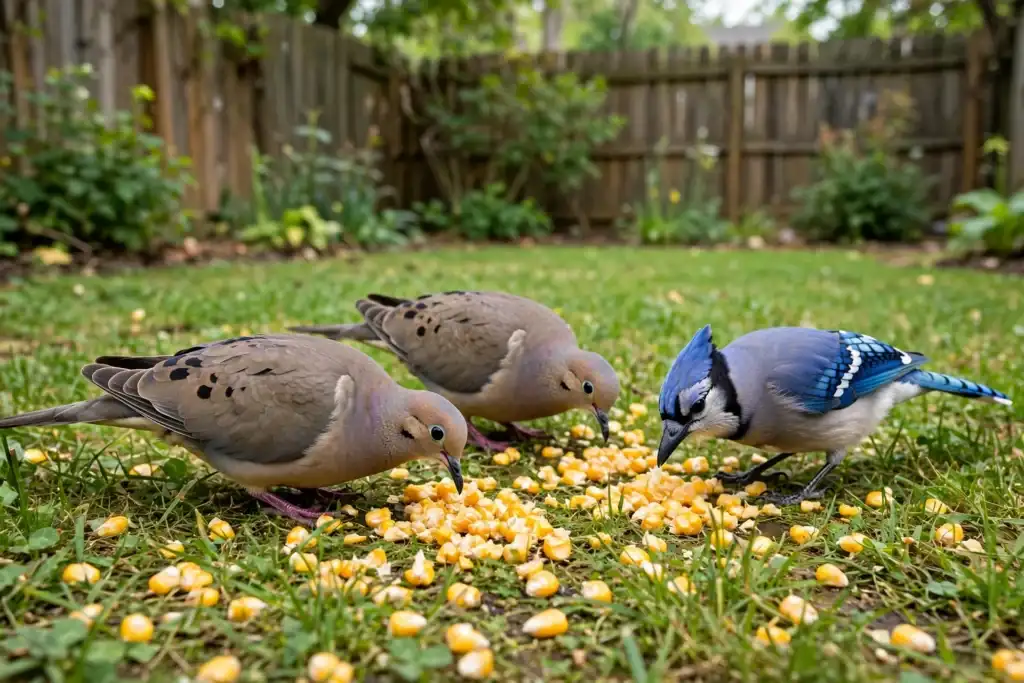
Mourning doves are the prototypical cracked corn loving birds. They can often be seen walking along the ground under feeders and picking up scattered bits of food. A handful of cracked corn on the ground is perfect for them.
Quail feed the same way. They forage on or near the ground, close to cover, and cracked corn pieces are the right size for them.
Native sparrows take cracked corn readily. They scratch and pick through a ground scatter, taking the smaller fragments first.
Dark-eyed juncos are ground feeders too. FeederWatch pairs them with millet scattered on the ground, and they work through a corn and millet scatter in the same visit.
Bigger Birds: Jays, Blackbirds, and Game Birds
Blue jays eat corn happily. A jay can handle larger pieces than a dove can, and it will carry food away as well as eat on the spot.
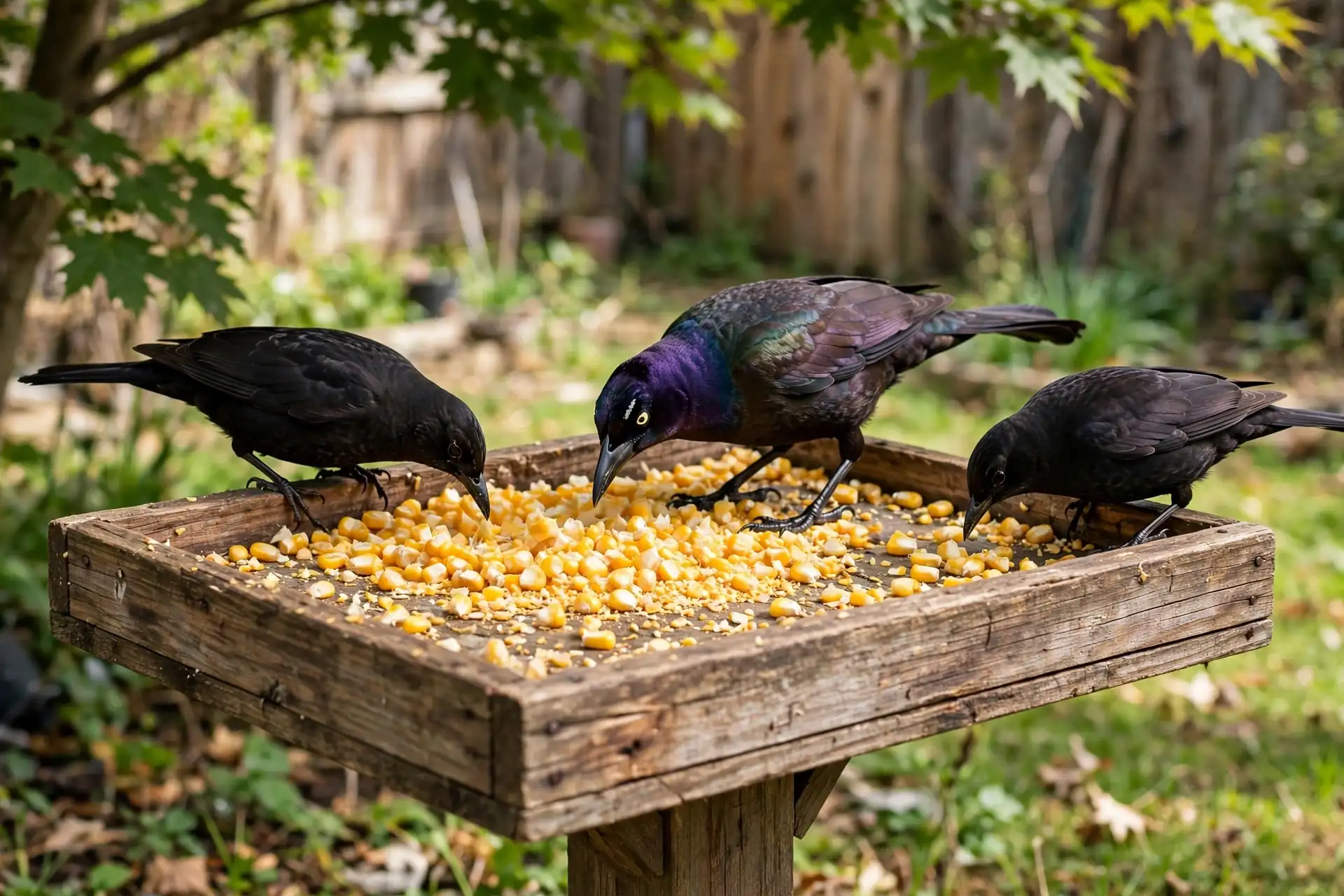
Blackbirds and grackles take cracked corn in quantity. A platform of corn can draw a whole flock, and the flock can empty it fast.
Additionally, corn is eaten by starlings. House sparrows and cowbirds will also eat corn. House sparrows, cowbirds and starlings all have a fondness for corn and these species are already well supported by humans. (Cornell)
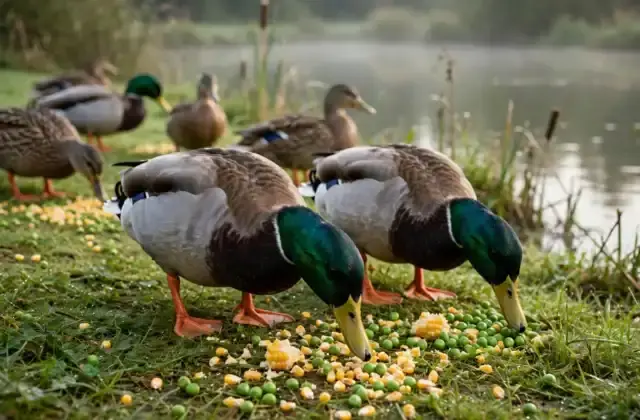
The largest eaters of corn are the game birds. Grouse, pheasants and turkeys will all eat it and so will ducks. Whole corn is particularly liked by turkeys and ducks.
Cardinals and grosbeaks sit in the middle. Both appear on the Cornell list of corn eaters, and both visit platform feeders where cracked corn is served.
How to Serve Cracked Corn
Serve cracked corn on the ground where the birds are used to feeding. Mix some cracked corn with millet and serve a scoopful on the ground or on a platform feeder. (FeederWatch)
Scatter it on a clean, open patch. A spot you can see from the house, and reach easily with a rake, makes the cleanup side of this food simple.
Keep the scatter thin. A thin scatter is eaten piece by piece, while a deep pile leaves the bottom layer sitting on damp ground.
Feed on dry days, if possible. This will allow the birds to eat all of the food before any damp can affect it and will eliminate most of the risk.
Best Feeders for Cracked Corn
A platform or tray feeder is the right feeder for cracked corn. Cornell advises offering corn in fairly small amounts at a time on tray feeders.
A low tray suits the ground-feeding crowd best. Doves, sparrows, and juncos all feed comfortably on a flat surface near the ground.
Drainage matters more than design. A tray that sheds rain and dries fast keeps the corn dry between visits.
Do not put cracked corn in a tube feeder. Cornell is direct on this point: do not offer corn in tube feeders that could harbor moisture.
A hopper feeder can work for a corn and millet mix, but a tray is easier to empty, clean, and dry, and cleaning is a real part of feeding this food.
How Much to Offer
Offer a scoopful, not a sackful. FeederWatch serving advice for cracked corn is a scoopful on the ground or a platform, mixed with millet.
Use the one-day rule in wet or humid weather. Cornell advises never offering corn in amounts that cannot be consumed in a day during rainy or very humid weather.
In dry weather the same habit still pays. Small servings are eaten fresh, and fresh corn is the only kind worth offering.
If any corn remains at the end of the day then you should rake it up. Cornell suggests that you should be careful to rake up old corn, as this is where problems can occur.
The Spoilage and Aflatoxin Risk
This section will help you decide if cracked corn is a good choice for your yard. Corn is most likely to be contaminated with aflatoxins (Cornell Lab of Ornithology).
Aflatoxins are toxins produced by some molds. They are extremely toxic even in small amounts so more stringent recommendations are given for the handling of corn compared to other feedstuffs. (Cornell).
The problem is moisture. Cracked corn has lots of broken surfaces and so can grow mold quickly when it gets wet. A portion of corn that was fine in the morning may become an issue after a wet day.
Never buy corn in plastic bags. That is Cornell advice, stated without qualification, and it is worth following exactly.
Never allow corn to get wet. The same source gives that rule in the same breath, and together the two rules cover buying and serving.
Never offer corn covered in a red dye. Red-dyed corn is planting corn, often treated with fungicides, and it is highly toxic to humans, livestock, and all birds.
If the cracked corn is moldy, smells musty, or has been left damp on the ground, do not feed it. Do not try to dry it and do not leave it for other wildlife to eat.
Cracked Corn vs Whole Corn vs Cornmeal
The three common forms of corn behave very differently at a feeder. Size decides which birds can eat each form, and freshness decides how fast each one spoils.
Whole kernel corn is dried corn where the kernels remain whole. This is good for large billed birds. Whole corn is a popular food for wild turkeys and ducks. (Feederwatch).
Cracked corn is the middle form. The broken pieces open the food up to doves, quail, sparrows, and juncos, the ground-feeding birds that cannot manage a whole kernel.
Cornmeal is corn ground fine, almost to a flour. It is a baking ingredient and a feed ingredient, but as a feeder food it cakes when damp and blows away when dry, so it is rarely served on its own.
You may also find popped corn in the kitchen. Plain popped corn is a different question from feeder corn, but if you are unsure, refer to our guide to can birds eat popcorn. However, you should never give your birds buttered popcorn or microwave popcorn in their feeder area, as popped corn spoils very quickly. (Cornell)
| Corn form | What it is | Birds that can eat it | Serving note |
|---|---|---|---|
| Whole kernel corn | Dried kernels, intact | Turkeys, ducks, jays, crows, game birds | Too large for most small birds |
| Cracked corn | Dried kernels broken into pieces | Doves, quail, sparrows, juncos, jays, blackbirds | Serve dry, in small amounts, on the ground or a tray |
| Cornmeal | Corn ground fine | Few birds take it on its own | Cakes when damp, rarely served alone |
| Ear corn | Whole kernels on the cob | Squirrels, deer, larger wildlife | More a wildlife food than a bird food |
Cracked Corn in Seed Mixes
Cracked corn is commonly used as an ingredient in commercial seed mixtures. It is economical, increases the volume of seed in the bag and is eaten by ground feeding birds.
However, you are paying less per bag for a mixture that is high in cracked corn and other cheap grains. But you may be feeding a large amount of food your birds do not want.
In general, Cornell warns against including fillers in your mixes. Mixes containing red millet and oats along with fillers will not be attractive to most birds and can cause waste.
Check the ingredients. If cracked corn is high on the list then it means that the majority of the contents are corn. The sunflower and millet your birds enjoy are only a small percentage.
Our pillar guide to bird seed will help you understand how to read seed mixes, fillers and how to know what you are getting in your bag.
This principle also applies to the whole feeding station. Find out which foods will do the job and which will be taking a back seat with our guide to bird food.
The Unwanted Guests Problem
Cracked corn does not only attract birds. Cornell lists corn as a favorite of geese, bears, raccoons, and deer, none of which should be subsidized at a backyard feeder.
Squirrels love corn as well. A ground scatter of cracked corn is an open invitation, and squirrels will work through it steadily all day.
Deer find scattered corn quickly in rural yards. A nightly scatter can become a nightly deer visit, which is a problem most gardeners did not sign up for.
Raccoons visit after dark. Corn left on the ground overnight is food waiting for them, and raking up leftovers before dark is the simplest fix.
Then there is the bird side of the problem. House sparrows, cowbirds, and starlings all eat corn eagerly, and a corn-heavy yard can fill with exactly those birds.
But this does not mean that you should not feed the cracked corn. Just give a little in the morning and the birds you want will get it all before the others come.
How to Store Cracked Corn
Store cracked corn dry. Every source on this food gives the same basic instruction, because moisture is where the aflatoxin risk begins.
Keep it in a sealed container with a tight lid. A metal bin also keeps mice and other stored-food pests out of the bag.
Store it somewhere cool and dry, off the ground. A bag sitting on a damp floor can take up moisture from below without ever being rained on.
Buy amounts you will use fairly soon. Corn is not a food to stockpile for a season, and smaller bags bought more often are fresher bags.
Look out for signs of spoilage. If the corn smells musty, looks off-colored or has formed a lump, do not serve. Fresh cracked corn should be light golden, dry and will easily fall out of the scoop.
Remember that when purchasing corn you should never get it in plastic bags. Paper and woven bags allow air to circulate. Cornell recommends using these types of bags.
When to Skip Cracked Corn
Skip cracked corn in a long wet spell. If the ground stays damp for days, every serving sits in moisture, and the spoilage risk stops being theoretical.
Skip it if deer or raccoons are already a problem in your yard. Adding their favorite food to the ground will not improve that situation.
Skip this if house sparrows and starlings already dominate your feeders. Corn will attract too many of the crowd and other foods will be better for your other birds.
If you can’t rake up the scraps, skip this one. It requires a little daily cleaning and shouldn’t be fed in a yard where the scraps will sit for a week.
White proso millet is a suitable alternative for the same birds. Doves, sparrows and juncos will feed on millet on the ground, meaning that there are fewer concerns about the food spoiling.
Frequently Asked Questions
Is cracked corn good for birds?
Yes, for the right birds. Doves, quail, sparrows, juncos, jays and game birds all will eat it. It is cheap, filling and easy to feed. It should be fresh, dry, and only given in small amounts. Never give corn that has been left damp or gone moldy.
Which birds eat cracked corn the most?
Mourning doves, quail, and sparrows are all listed by Project FeederWatch as eating cracked corn. Jays, blackbirds, grackles, and juncos will also happily eat cracked corn. Cardinals and grosbeaks are also on the Cornell list of birds that eat corn.
Is cracked corn better than whole corn for birds?
Yes, for most backyard birds. Small birds have trouble eating whole kernels, but the split corn is small enough for doves, sparrows and juncos. Whole corn can be eaten by turkeys, ducks and other large birds. This is why they are split into two categories by FeederWatch.
Why is cracked corn risky for birds?
The most likely to be contaminated with aflatoxins is corn. Aflatoxins are toxic substances produced by certain molds. They are extremely toxic even at low levels. Wet split corn will mold very quickly, so the longer a serving sits damp on the ground, the more likely it is to become contaminated.
Can I put cracked corn in a tube feeder?
No. The Cornell Lab recommends not putting corn in any moist tube feeders. Instead offer cracked corn on the ground, or on a platform or tray feeder. You can see what you are offering and remove it the same day.
Does cracked corn attract squirrels and deer?
Yes! Squirrels love to eat corn. Cornell also mentions that deer and raccoons are attracted to corn. Offer them a small amount in the morning and rake any uneaten corn up before dusk to keep the scatter a bird meal instead of an all-night buffet.
How long can cracked corn sit out?
On wet or very damp days only offer small amounts of food that will be eaten within a day (the one-day rule, as advised by the Cornell Lab). On dry days small amounts are still best as the food will be eaten the same day. Old corn should be raked up rather than left to build up.
Is cracked corn a filler in bird seed mixes?
To a certain extent. Cracked corn is a genuine food source for ground feeding birds but is also one of the cheapest ingredients so will be used heavily in budget mixes. A mix that lists corn as the first ingredient will be mostly corn with the higher quality seeds making up a smaller portion.
Conclusion
Cracked corn can be a great inexpensive option when served dry and in quantities that will be totally consumed by the birds within one day. It is a cheap, honest food for doves, quail, sparrows, juncos and jays. However, if you leave it wet and sitting around it can be the biggest risk of aflatoxins of any common bird food. It will also feed squirrels, deer and raccoons. If you use a little and rake up any leftovers and keep the bag dry then it will do its simple job very well.