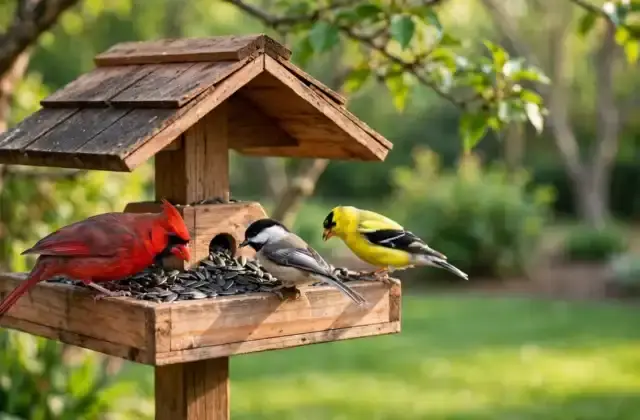

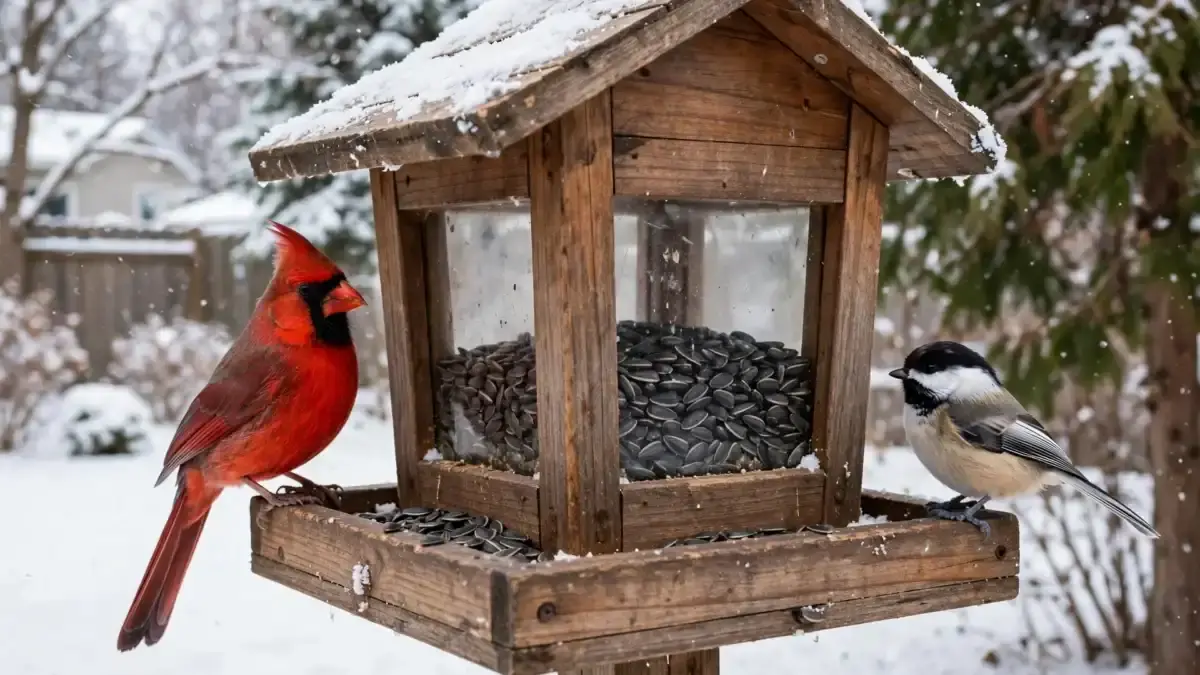
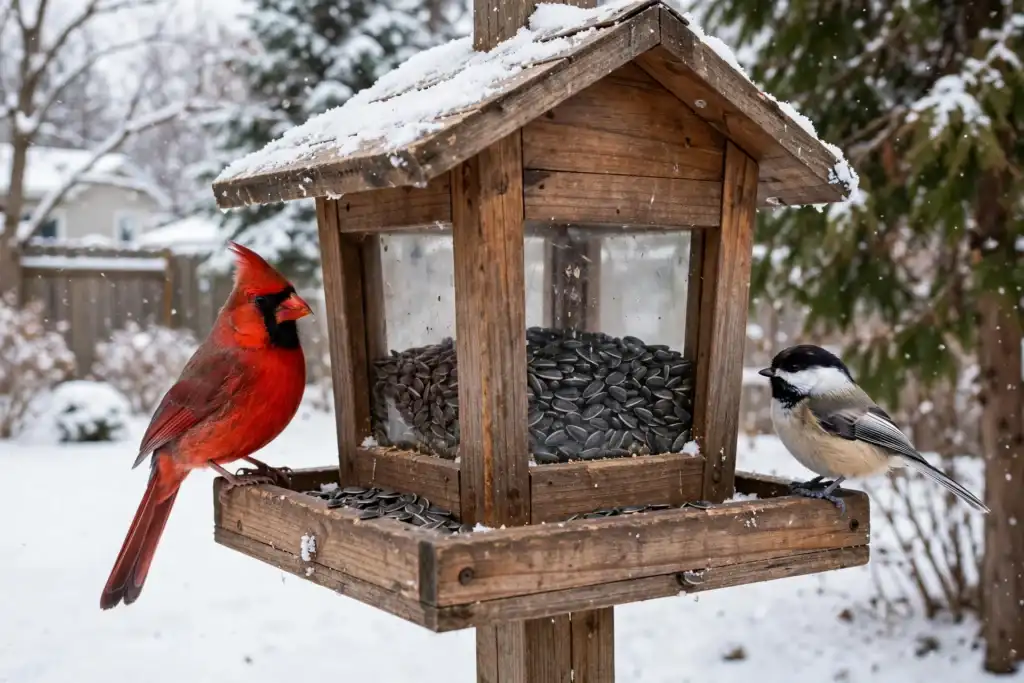
Choosing the right seed mix will bring cardinals, chickadees, finches, and woodpeckers to your yard in one morning, whereas choosing the wrong mix may mean that you get no visitors at all. While people choose bird seed based on the image on the bag, birds will choose it based on the taste, size and type of shell. If you choose red milo, although it looks very plentiful on the shelf, most birds will just sweep it onto the ground and feed elsewhere. Seed choice is the cheapest way to change the types of birds you attract. This guide closes that gap. You will find out what seeds birds will eat, and what seeds are just filler. You will also learn how to read the label, create a good mix, and how to store your seed to keep it fresh.
What Bird Seed Actually Is
Bird seed is not one thing. It is a mix of seeds, grains, and nuts, each with its own size, shell, and fat content. A sunflower seed is not the same food as a millet seed, and a goldfinch will never treat them the same way.
Birds eat seed for energy. Fat keeps a small bird warm through a cold night and powers a long migration flight. Protein builds feathers and feeds chicks.
The Main Seed Types
Black Oil Sunflower Seed
This is an excellent seed to feed most backyard birds. A wide range of birds will eat black oil sunflower seed. As the outer shell is very thin it is easy for small birds to eat. The kernel has a high nutritional value with about 28% fat and 16% protein.
Cardinals, chickadees, nuthatches, finches, titmice, woodpeckers, grosbeaks, jays, and sparrows all eat it. Choose this seed if you can only buy one. It works well in hopper, large-port tube, and platform feeders.
For a deeper look at sunflower seed in all its forms, see our guide to sunflower seeds for birds.
Striped Sunflower Seed
Striped sunflower seed looks similar, but the shell is thicker and harder, so small birds struggle to crack it. Larger birds like cardinals and jays handle it fine.
This is generally cheaper per pound than black oil seed, but that lower price is a false economy if half the birds in your yard cannot open it. Use it only as a small part of a mix, never as the main seed.
Nyjer Seed
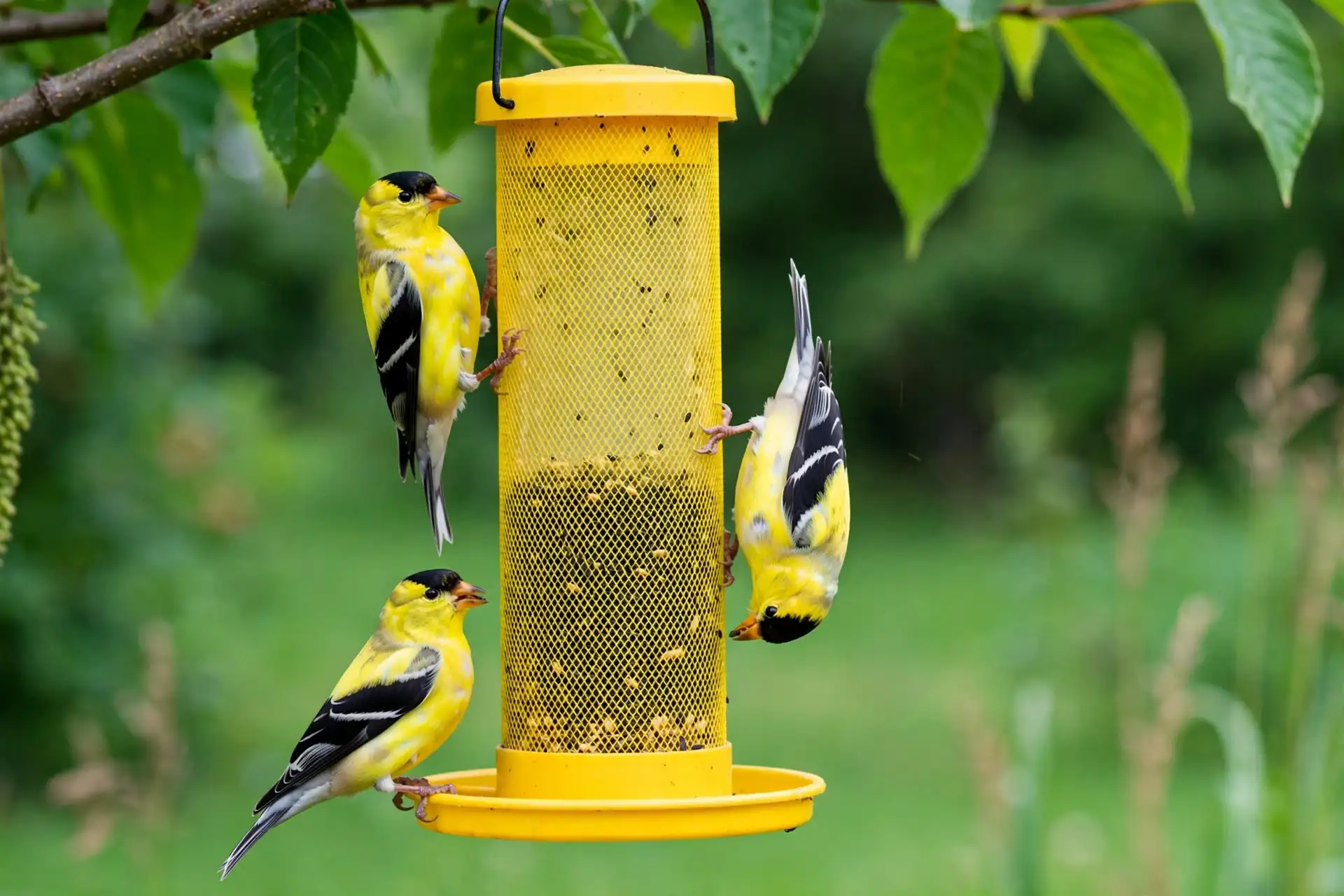
Nyjer (or thistle seed) is a small black seed imported from Africa and Asia. With about 40% oil and 18% protein, it is very nutritious. This type of seed is very popular with American goldfinches, as well as pine siskins, common redpolls and purple finches.
Nyjer needs a special thistle feeder with small ports or fine mesh, since a normal tube feeder will spill it. It also loses its oil and appeal if stored too long, so buy it in small amounts and keep it fresh.
To learn more about the birds that love this seed, read our guide on what goldfinches eat.
White Proso Millet
White proso millet is a small, round, pale seed for ground-feeding birds. It contains about 4% fat and 11% protein, so it is lighter food than sunflower or nyjer. This millet can be fed to dark-eyed juncos, sparrows, mourning doves and towhees. It can be fed on the ground or on a low platform feeder.
Red millet appeals to fewer species than white millet, so white is the better buy. Millet belongs on the ground or a platform, not in a tube feeder, where it pours through and clogs the ports.
Safflower Seed
Safflower seeds are white, with a slightly bitter taste. They contain about 30% fat and 16% protein. Cardinals, chickadees, and house finches readily eat this seed, but it is generally ignored by squirrels and European starlings.
Safflower seeds can help to deter squirrels. While it will not completely prevent them from taking seeds, it will reduce the problem. Add safflower seeds to either hopper or platform feeders.
Cracked Corn
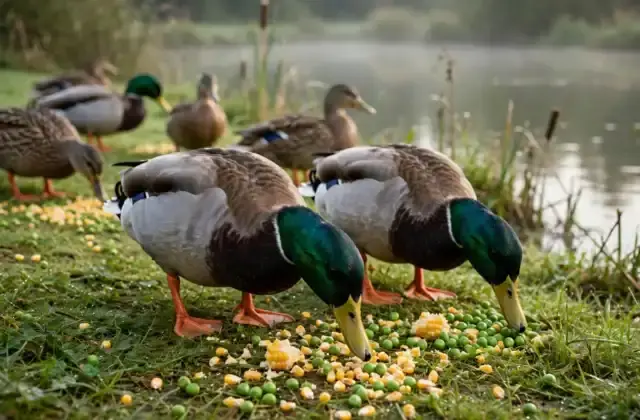
Cracked corn is dried corn broken into small pieces. It can be used to feed ground-feeding birds like doves, juncos, quail, and sparrows. It is cheap and filling. Place it on the ground or a platform feeder. Do not feed whole corn, as this is too large for most backyard birds. Cracked corn also spoils fast when wet, so only offer small amounts and ensure that any remaining corn is kept dry.
Peanuts
Peanuts (unsalted) will attract jays, woodpeckers, nuthatches and titmice. Peanuts are high in fat and protein, and birds love them. Shelled peanuts can be provided in a feeder. Whole peanuts in the shell can be offered to jays as they like to take these elsewhere. Do not offer salted or seasoned peanuts, since salt harms birds.
How to Read a Seed Label
The information on the seed label tells you exactly what is in the bag. Ingredients are listed in order of most to least. This means that the first ingredient is the biggest part of the bag.
A good bag will have a short list of seeds with black oil sunflower seed, white proso millet, safflower and/or nyjer first. If there is a long list of seeds starting with red milo, wheat, oats and/or sorghum it is a filler bag with a nice label. If the percentages are listed, a good mix will be sunflower seed first.
Watch weight and price together. A cheap 20 pound bag is no bargain if half of it is filler that birds sweep onto the ground. Price per pound of seed birds actually eat is the real number.
Filler Seeds to Avoid
Filler seeds are cheap ingredients that bulk up a bag without feeding many birds. Birds push them aside, they rot on the ground, and they attract rats and mice.
Red milo is the classic filler. Not all backyard birds will eat it. It will be pushed out of the feeder and form a pile underneath. Wheat and oats are similar. Flaxseed is too small and oily for most feeder birds. Golden millet is less popular than white proso millet.
Sorghum-heavy blends are also a waste. Few backyard birds will eat much sorghum. If sorghum or milo is listed in the first three ingredients, you might as well leave it on the shelf. Any seed that is mostly dropped on the ground is filler for your yard, whatever the label says.
How to Build a Good Mix

A good mix matches the birds in your yard. Start simple, watch what gets eaten, and adjust.
Black oil sunflower seed is a great seed mixture for attracting cardinals, chickadees, finches, sparrows, juncos, doves and nuthatches. A good mix has about 50% sunflower seeds, 20% millet and 30% specialty seeds (nyjer/safflower).
Keep the parts separate when you can: sunflower in a hopper or large-port tube feeder, nyjer in its own thistle feeder, and millet on the ground or a platform.
Avoid adding any bread, cooked rice, or kitchen scraps. Bread fills birds up without feeding them. Vary the mixture according to the season. Add more sunflower seed and peanuts in winter to increase the fat content. Add nyjer seed in summer to feed goldfinches in their bright breeding plumage.
Seed by Season
Birds need different food as the year turns.
Winter is the hardest season. Cold nights burn fat fast, and natural food is buried under snow. However, black oil sunflower, peanuts, and safflower carry birds through freezing nights. Keep feeders full and water open.
As we move into spring, it is a good idea to get migrants feeding. Returning birds need quick energy after long flights. Sunflower and millet are ideal, plus nyjer will help goldfinches, which are molting into their bright yellow feathers. Be sure to clean the feeders first, since old seed left over winter can carry mold.
Summer is the quiet season at feeders. Natural food is everywhere, and many birds switch to insects to feed their chicks. Continue to offer sunflower and nyjer but in reduced quantities, so seed does not sit and spoil in the heat. Nyjer can be offered throughout the summer as goldfinches nest late.
Fall is the build-up season. Migrating birds are building up their reserves, and resident birds are putting on fat. Good foods to offer include sunflower, millet and cracked corn. This is a great time to put a new feeder up, as birds will be looking for food stores to get them through winter.
Seed by Feeder Type
The feeder decides which seed works. The wrong seed in the wrong feeder wastes food and frustrates birds.
Use tube feeders for sunflower seed and nyjer, in different models. For black oil sunflower, use a tube feeder with large ports. For nyjer, use a thistle feeder with very small ports or fine mesh. Do NOT put millet in tube feeders, as it will pour through and clog the ports.
Hopper feeders are the most flexible. They hold sunflower, safflower, and mixed seed, and they shelter seed from rain. Cardinals, chickadees, jays, and grosbeaks use them well.
Platform feeders are open trays. They work well for feeding millet, cracked corn, peanuts and sunflower. Doves, juncos, sparrows and cardinals will come to these. They need regular cleaning because the rain makes the seeds wet.
Suet feeders can be used alongside seed feeders. Woodpeckers, nuthatches and chickadees will eat suet in the winter for fat. Ground feeding is the simplest method. To feed birds in this way, just place some millet and cracked corn on bare soil or a low tray. Only put out enough to feed the birds for one day and remove any uneaten food by the end of the day. Spilled seed draws rats.
Which Birds Eat Which Seed
Matching seed to bird saves money and brings more species to your yard.
Finches are nyjer and sunflower birds. American goldfinches, purple finches, house finches and pine siskins will all feed on these. Providing a thistle feeder and a sunflower feeder will therefore attract the whole finch family. For the full picture on goldfinch food, see our guide on what goldfinches eat.
Cardinals have strong bills so can easily crack open sunflower and safflower seeds. Use hopper or platform feeders, where they can sit and eat. As cardinals are quite shy at first, make sure to place feeders near cover, and be patient. Once they feel safe they will come to feed.
Chickadees and titmice eat one sunflower seed at a time, and crack it open on the branch. They eat safflower and peanuts. Woodpeckers eat sunflower and peanuts and also suet. Downy, hairy and red-bellied woodpeckers will eat sunflower from a hopper.
Ground feeders need ground food. Juncos, sparrows, towhees, doves, and quail eat millet and cracked corn from the soil or a low tray. Spread the seed where they already feed, and keep the seed dry. Jays are bold and loud. Blue jays will eat sunflower and peanuts. They take whole peanuts to cache. Provide a platform feeder for blue jays, as they dominate small feeders.
For a full overview of which seed suits which bird across the United States, see our guide to the best bird seeds for different birds in the USA.
Bird Seed Comparison Table
| Seed type | Birds it attracts | Fat content | Best feeder |
|---|---|---|---|
| Black oil sunflower | Cardinals, chickadees, finches, nuthatches, titmice, woodpeckers, grosbeaks, jays, sparrows | About 28 percent | Hopper, large-port tube, platform |
| Striped sunflower | Cardinals, jays, grosbeaks | High, similar to black oil | Hopper, platform |
| Nyjer | American goldfinches, pine siskins, common redpolls, purple finches | About 40 percent | Thistle feeder, fine mesh |
| White proso millet | Dark-eyed juncos, sparrows, mourning doves, towhees | About 4 percent | Ground, platform |
| Safflower | Cardinals, chickadees, house finches | About 30 percent | Hopper, platform |
| Cracked corn | Doves, juncos, quail, sparrows | Low | Ground, platform |
| Peanuts, shelled | Jays, woodpeckers, nuthatches, titmice | High | Mesh feeder, platform |
How to Store Bird Seed
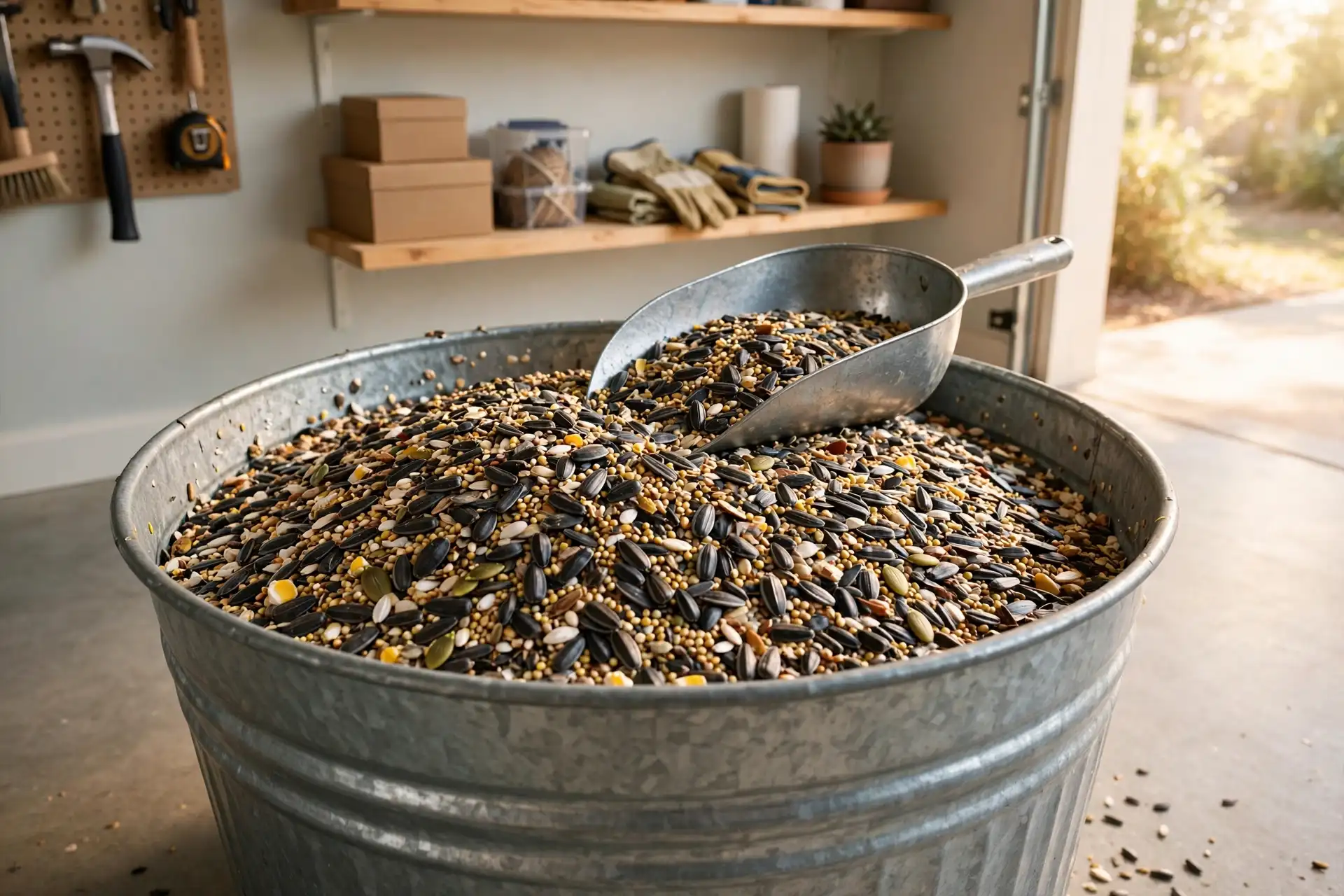
Fresh seed will attract birds. Stale seed will not. Store in a cool dry airtight place. Avoid heat and moisture. If storing in a garage or shed make sure it is dry and not directly in sunlight. Avoid a damp basement.
Use a metal bin with a tight lid. Mice chew through plastic bags and thin plastic bins in a single night. A galvanized metal bin stops them.
Once opened, do not leave seeds in the bag. Either fold the bag and place it inside the bin, or simply pour the seeds directly into the bin. Write the seed type and the date you bought it on the bin. Nyjer needs extra care. It loses its oil and appeal if stored too long, so only buy small amounts and use it within a few weeks.
Spoiled and Moldy Seed
Spoiled seed can make birds sick, so learn the warning signs. Smell it first: fresh seed smells nutty and clean, while spoiled seed smells sour, musty, or like damp grain. Look at it next. Mold shows as white, green, or gray fuzz, and clumped seed has absorbed moisture. If the seeds are wet and slimy, they are spoiled.
Watch the birds. If birds suddenly stop coming to a feeder they used every day, then there may be a problem with the seed. Empty the feeder, scrub it, let it dry in the sun, and refill with fresh seed. It is important that bird feeders are cleaned regularly. Dirty feeders can spread disease more quickly than bad seed does. Every two weeks use hot, soapy water to clean the feeders, then rinse and dry completely before refilling.
Buying Tips
Price per pound is important. A good quality bag of seed will be better value than a cheaper bag. Even if you can get a 20 pound bag for a higher price than a 40 pound bag, if half of the seed in the large bag is filler, it may be worse value.
Buy seeds that birds will eat, not the seed that looks nice. Even though a bag of black oil sunflower will be more expensive per pound than a bag of milo, all the seeds will be eaten. However, a cheap filler-heavy bag may cost more than a premium bag, as half of the seed will be wasted on the ground.
Buy in useful quantities. If you have a large bag, make sure to use it before it becomes stale. In most yards, a 20lb bag of sunflower and a small bag of nyjer will last a few weeks. To keep your seeds fresh, buy fresh and buy often. Check the date on the bag, if it has one, and buy them from a store that turns its stock over fast.
Cleaning Up Spilled Seed
Although some spilled seed is normal, a pile of rotting seed is a problem. The fallen seeds should be swept away each week, since fallen seed gets wet, molds, and draws rats and mice. If you move the feeders occasionally, it will prevent a build-up of shells and droppings underneath.
Place a seed tray under tube feeders. A tray catches what birds drop and gives ground feeders a clean place to eat. When full of shells, empty the tray. In spring, rake up the shells, as sunflower shells pile up over winter and can smother grass.
Frequently Asked Questions
What is the best bird seed for beginners?
Black oil sunflower seeds are a great place to start. They will attract the widest variety of backyard birds, are easy to find, and can be used in most feeders. Once you get an idea of what birds are visiting, you can try adding nyjer and millet seeds.
Why are birds not eating my bird seed?
The seed may be stale, moldy, or mostly filler. Birds also avoid a new feeder for a few days while they check it is safe. Replace old seed with fresh black oil sunflower, keep the feeder clean, and give the birds a week to find it.
How long does bird seed last in storage?
Most seed lasts a few months in a cool, dry, airtight metal bin. Sunflower and safflower keep for several months. Nyjer goes stale fastest, often within a few weeks, since it loses its oil.
Can birds eat moldy seed?
No, moldy seed can make birds sick. Mold produces toxins that harm small birds. If seed smells musty, looks fuzzy, or clumps together, throw it away.
What seed do goldfinches eat?
They will feed on nyjer seed and sunflower seed. Nyjer is their favorite. The best way to attract American goldfinches is to provide fresh nyjer seed in a thistle feeder. If the nyjer in the feeder goes stale, this is the most common reason that American goldfinches stop visiting.
Is cracked corn safe for birds?
Yes, cracked corn can be fed to ground-feeding birds such as doves, juncos, quail and sparrows. Offer it on the ground or a platform feeder, in small amounts. If the corn gets wet, it will spoil quickly, so avoid leaving large amounts out in the rain.
Should I mix my own bird seed?
Yes, mixing your own seed works well and saves money. A good mix is about 50% black oil sunflower, 20% white proso millet and 30% of a specialty seed such as nyjer or safflower. If you are using nyjer seed in the mixture, it should go into its own feeder. Millet can be provided on a platform or on the ground.
What seed keeps squirrels away?
Squirrels don’t care much for the bitter taste of safflower. Starlings will ignore it. However, no seeds are 100% squirrel proof. Safflower works best in a squirrel-proof feeder or with a baffle. Cardinals, chickadees, and house finches all eat safflower happily.
Conclusion
Good feeding starts with the right seed. Use black oil sunflower seeds to attract the most birds. To attract finches, use nyjer. Ground feeding birds will be attracted to millet and cracked corn. Squirrels will be kept away by safflower. For best results, always read the label. Skip the filler. Mix with a plan. Store seed dry and airtight, and clean the feeder often.
You do not need the most expensive bag on the shelf. Choose a quality seed birds actually eat, make sure it is fresh, in the correct feeder and topped up regularly. This will attract a wide variety of birds to your yard all year round. Start with sunflower seeds and see which birds come. From here, simply let the birds guide you on what seeds to add. Having the correct seed in your feeder will get wild birds visiting your yard so you can enjoy them up close.