Introduction
A treat is an extra addition to a bird’s diet. This can be a suet cake that draws your downy woodpecker in during January, a mealworm dish that finally gets your bluebirds into your yard or a sprinkle of millet that your budgie strips in minutes. Treats shouldn’t form part of their main diet but a good treat will give them an extra boost of energy, protein or just variety. This guide will show you what treats will actually benefit your birds (both those in your yard and those you keep as pets), how much to give them and what foods should not be given.
What Counts as a Bird Treat
A treat is anything other than their staple. For backyard birds this would be the seed and suet they eat every day. Pet birds will have a balanced diet specifically formulated for them. Anything else they eat is a treat, such as mealworms or blueberries.
The staple of your bird food will provide all the necessary nutrition and is fully covered in our bird food guide. Treats can be added to your birds’ diet. They provide fast energy in extreme weather conditions, protein when your birds are feeding their young and variety to keep your bird interested.
Treats can also be used for training purposes. PetMD notes that a great way to train your pet bird is to offer them healthy treats. This means you should keep a small amount of treats on hand, since treats should still only make up a small portion of their diet.
Why Moderation Matters
The risk can be seen in pet birds. Seed-based diets can cause malnutrition and obesity in birds as they will often eat only what they like, leaving the nutritious parts (PetMD). A diet high in fats and salts can lead to heart disease, obesity, diabetes and liver disease.
Another problem with backyard feeding is the rotting of food. If you find any fruits that have gone moldy, they should be disposed of. Some molds can produce toxic substances that can be harmful to birds (Project FeederWatch). Peanuts can also go moldy and hulled seed will rot quicker than in the shell. Leaving the food out will cause a problem.
Look at the scraps. The uneaten treats were either given the wrong quantity, wrong time or the wrong bird. This will help you know how much to give next time.
Backyard Bird Treats That Work
These are the extras with a real track record at feeders, drawn from Project FeederWatch food guidance and Audubon feeding advice.
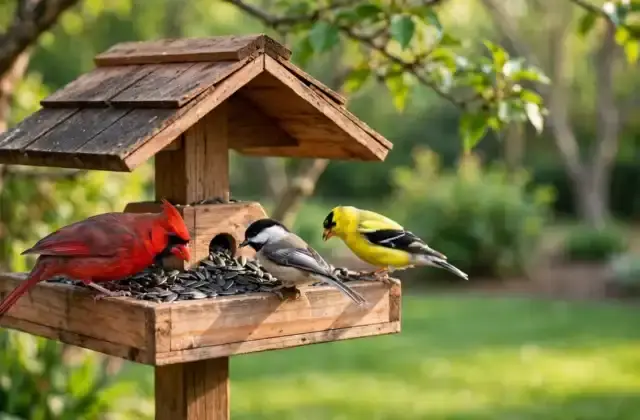
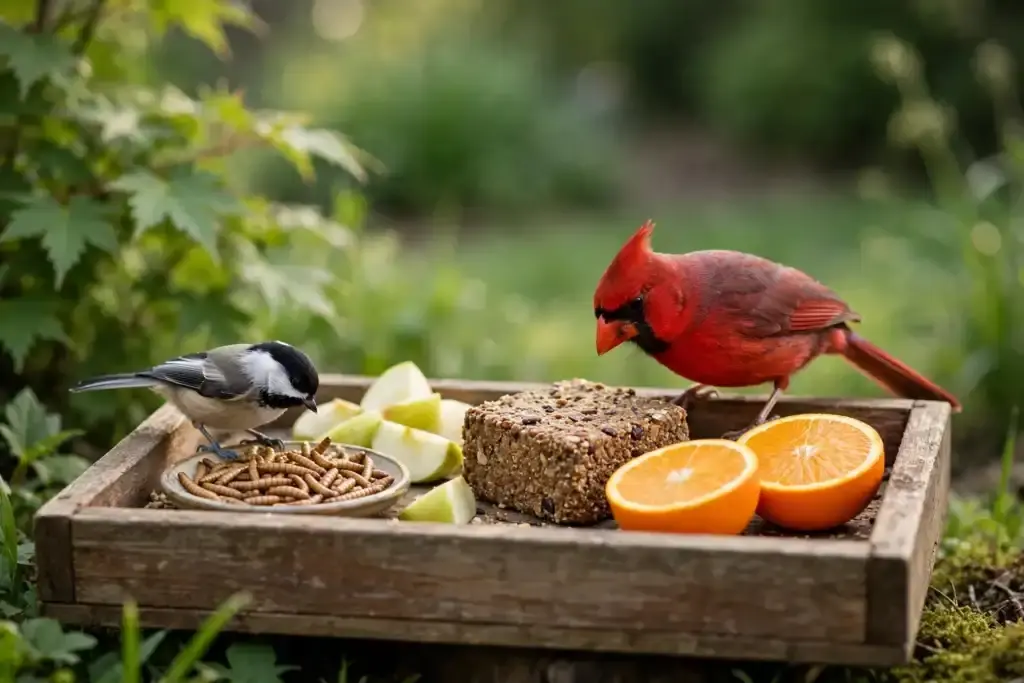
Suet and fat: Suet (beef kidney fat) can be used to attract insectivorous birds like woodpeckers, nuthatches and chickadees. Fat is an excellent source of energy for wintering birds. Check out our suet cakes guide for more information on the different types of suet cake, feeders and warm-weather rules.
Mealworms: The larvae of the mealworm beetle (Tenebrio molitor), these are a high protein delicacy that will be devoured by chickadees, titmice, wrens and nuthatches. They are one of the few foods that will reliably attract bluebirds. Offer either live or dried mealworms on a flat dish or mealworm feeder. Live mealworms can be placed in a shallow container with a smooth slippery edge to stop them climbing out.

Fruit: Oranges cut in halves will attract orioles which love to sip the juice and eat the flesh. Many fruit eating birds love to eat grapes and raisins that are not preserved. Mockingbirds, catbirds, bluebirds, robins and waxwings will all eat fruits. Apple and banana slices and melon rinds will also do. Raisins should be chopped up and soaked in warm water to soften. Remove any fruits beginning to go moldy.
Unsalted peanuts: Peanuts are an energy-rich, protein-rich food. Raw or roasted peanuts are fine to offer but salted or those roasted with coatings or flavorings are not. Jays will swoop in and take whole peanuts but shelled peanuts or peanut hearts are better for chickadees, nuthatches and titmice if offered on a platform or in a small hopper.
Plain popcorn: Air-popped popcorn with no added salt, butter or flavoring can be a light occasional treat. Salted popcorn is listed by PetMD as a food that can cause illness in birds. For full details on preparation and portions, please see our guide to can birds eat popcorn.
Seed treats and seed cakes: Seeds pressed into cakes, bells or blocks provide birds with a slow release food that will stay intact outside. You can make your own seed cakes by melting some suet, adding in some crushed peanuts, raisins or apple pieces. Put into an ice cube tray and freeze them. Ensure they are not damp or moldy when hanging. Store extra cakes in a sealed, dry place.
Treats by Season
Winter is definitely an energy hungry time. Small birds need to use up their fat to keep warm, so suet and peanuts are very valuable from November to March. Suet cakes will be eaten within days and nothing goes to waste.
Spring and nesting season: Protein takes over. Adults feeding nestlings hunt insects all day, and a dish of mealworms is the closest feeder match. FeederWatch also notes that crushed, sterilized eggshells offer calcium, something birds need during egg laying. Boil shells for 10 minutes or bake them, crush them to sunflower seed size, and serve them in a dish.
Migration: Fruit is a great option to attract migrants. A traditional option for attracting orioles and tanagers during spring is to feed them fruit. Orange halves and grapes will also attract catbirds, robins and waxwings. Place fruit out when the migrants arrive and then in the fall when fruit eaters are fueling up.

Summer: Serve small amounts. Fruit can spoil quickly in summer and raw suet can become rancid. FeederWatch says the raw form can go bad in hot weather unless specially processed. Suet that has been rendered can last longer. It is best to serve small amounts of fresh suet rather than a large amount.
Pet Bird Treats
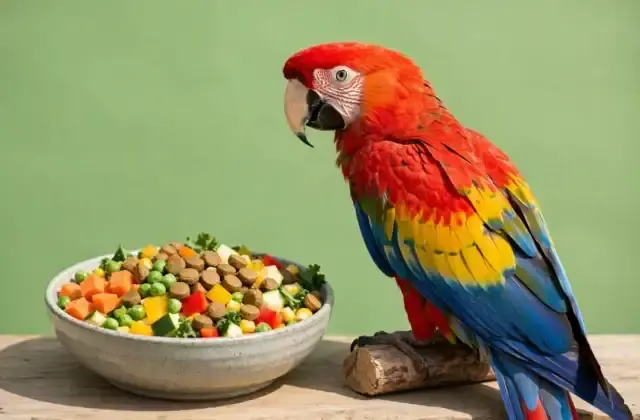
Start with the base. PetMD advises that ideally about 80 percent of a pet bird’s diet should be formulated pellets, with treats and fresh foods sharing the rest. If you are still choosing a bird, our pet birds guide covers the popular species and their care. For birds already at home, these are the treats that belong on the menu.
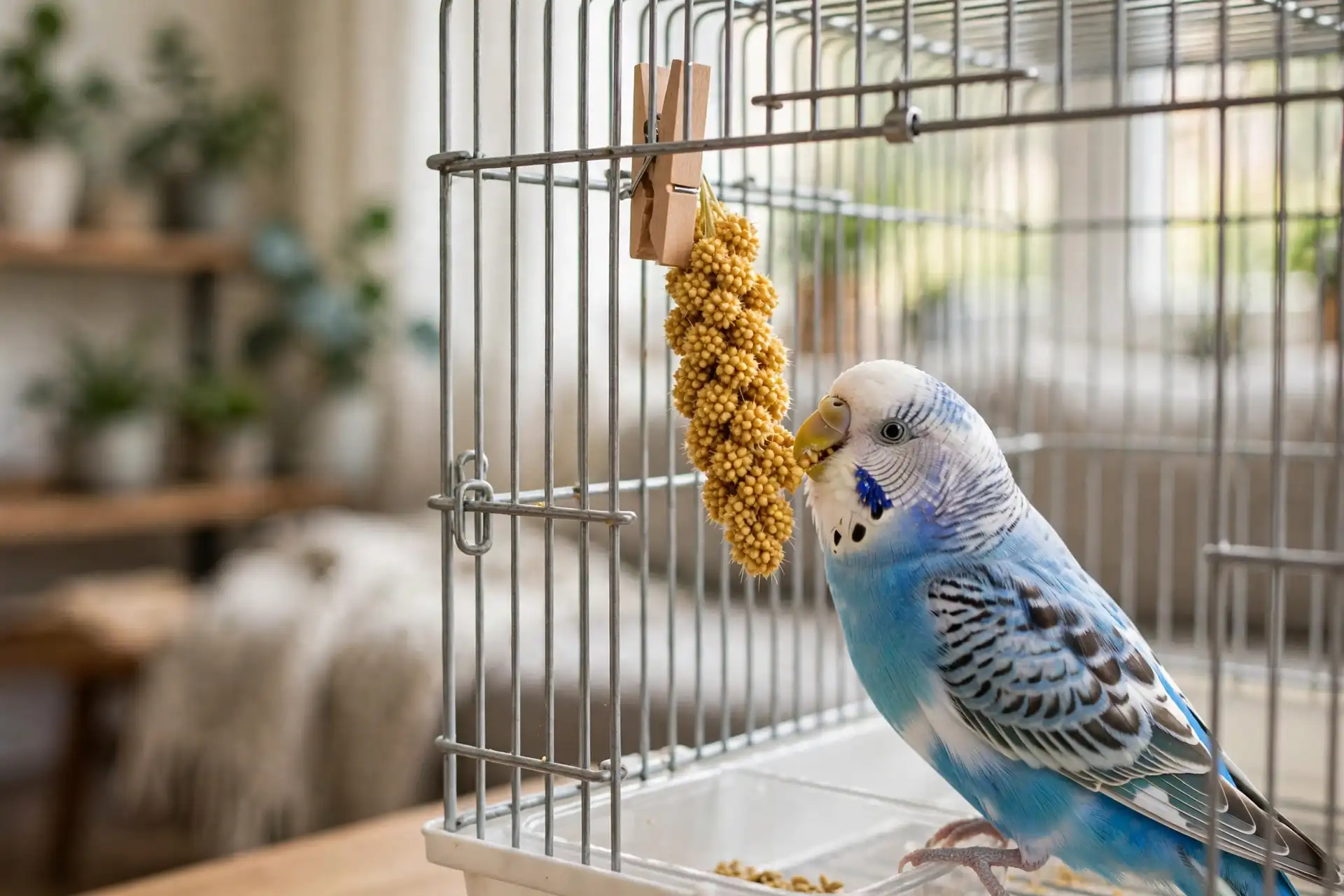
Spray millet: This is a classic treat for budgies, cockatiels, and finches. It makes an excellent training treat. It is a seed-based treat, so it is a high value treat. You can clip up one spray at a time for your session, and then put the rest back.
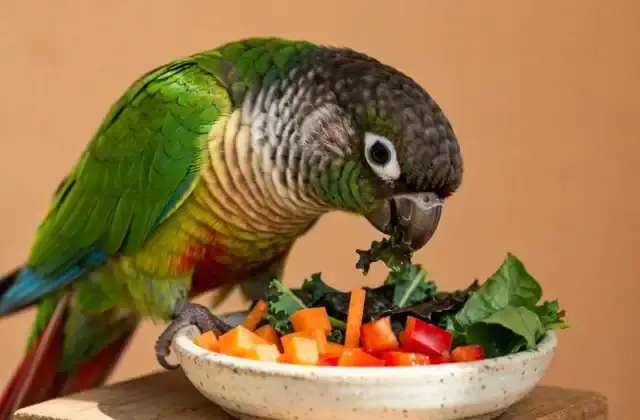
Fresh fruit and vegetables: Veterinary lists of safe fresh foods include vitamin A rich produce such as carrots, sweet potato, squash, pumpkin, bell peppers, mango, papaya, and cantaloupe, plus broccoli, kale, and peas. Cored apple slices, blueberries, banana, and cherries with the pit removed are all good fruit treats. Plain cooked beans and brown rice, with no salt or seasoning, work too. Wash produce well, and remove uneaten fresh food before it spoils.
Treat sticks and sweet treats: Many commercial treat sticks are seed held together with honey or sugar. Given the veterinary warnings about seed-heavy, high-fat, and high-sugar diets, keep sticks occasional rather than permanent cage furniture. Check labels before you share anything of yours, and keep sugar-free products away from birds entirely, for reasons the next section covers.
Foods That Are Not Treats: The Danger List
These foods are poisonous to pet birds and none should ever be fed at a backyard feeder. The amount of leeway a small bird has is very little. A small amount of avocado has been known to kill a budgie.
- Avocado: Persin, which is harmful to the heart muscle, is found throughout the plant. Symptoms of discomfort can appear within a few hours of ingestion, and death can occur within 24 to 48 hours (PetMD). There is no safe amount to feed.
- Chocolate: Chocolate carries theobromine and caffeine, two stimulants birds handle poorly. The darker the chocolate, the stronger the dose. Signs include hyperactivity, tremors, seizures, and abnormal heart rhythm.
- Caffeine: Coffee, tea, soda, coffee beans and used grounds all contain caffeine. A shared sip of coffee is not a treat. Just give them fresh water, the only drink a bird needs.
- Alcohol: Birds are susceptible to alcohol, which can cause depression, breathing problems, and alcohol poisoning. Keep birds in their cage when drinks are out.
- Salty foods: Chips, pretzels, crackers, salted nuts and salted popcorn all have high amounts of salt. This causes the small body to become dehydrated and damages the kidneys and liver. It can also be fatal.
- Onion and garlic: Onions, garlic, leeks, chives, and shallots all contain compounds that can damage red blood cells and cause serious anemia. Other organs which can be affected are the liver and kidneys, according to PetMD. Onion and garlic powders can often be found in many seasoned food items.
- Xylitol: This sweetener appears in sugar-free gum and diet foods. Bird-specific data is limited, but PetMD notes it is generally assumed unsafe for birds, so veterinarians advise avoiding it altogether.
- Fruit pits and apple seeds: Apple seeds and the pits of cherries, peaches, plums and apricots contain compounds that can release cyanide. Remove the core of apples and the pits of stone fruit before serving. The fruit can still be safely eaten.
Moldy foods can also be a problem. Mold toxins like aflatoxin can cause liver damage. Peanuts are well known to be a problem if not stored correctly. If your pet bird does eat something toxic, then you need to act quickly. Birds cannot vomit, so you should never induce vomiting. Contact your vet or animal poisoning line immediately.
How to Offer Treats Safely
Keep quantities small. Place only enough food to eat that day. An empty treat station is a success. If the station overflows, it is a spoilage risk. The bag of food will go to waste.
Use a separate dish or platform: Place mealworms on a flat tray or individual feeder, fruit on a feeding platform or spike and pet treats in a clean treat cup. This means you can see exactly what has been eaten and what has been left.
Remove spoiled food promptly: Remove any moldy fruit from the feeder immediately. Remove any uneaten fruit and vegetables from inside the cage to prevent them sitting around for too long and clean the food and water dishes each day.
Clean feeders on a schedule: Project FeederWatch guidance is to take feeders apart, clear out old seed and debris, and wash them at least every two weeks. Treat dishes and platforms need the same routine, since they hold the wettest, fastest-spoiling foods.
Store treats dry: Peanuts, seed cakes and hulled seed will deteriorate quicker if they come into contact with moisture. Store extra in an airtight container in a dry place. If anything smells musty or has mold you should throw it out.
Protect the staple diet: Never let treats take the place of your main food. If your pet bird refuses to eat their pellets and only eats millet, or your yard birds refuse to eat their seed and only eat from the treat tray in the morning, then they are eating too many treats. Reduce the amount given until the staple comes first again.
Bird Treats at a Glance
| Treat | Best for | Main benefit | Watch out for |
|---|---|---|---|
| Suet and suet cakes | Woodpeckers, nuthatches, chickadees, wrens | Concentrated fat and energy for cold weather | Raw suet turns rancid in heat; use rendered or processed cakes in summer |
| Mealworms, live or dried | Bluebirds, robins, wrens, chickadees | High protein, especially in nesting season | Serve small amounts in a smooth-sided dish so live worms stay put |
| Fresh fruit | Orioles, mockingbirds, robins, waxwings | Natural sugars, water, and variety | Molds fast; remove leftovers the same day |
| Unsalted peanuts | Jays, titmice, nuthatches, woodpeckers | Protein and energy in a small package | Never salted or coated; discard any that smell moldy |
| Plain popcorn | Backyard birds and pet birds, as a light extra | A bulky nibble that is mostly air and crunch | Plain and air-popped only; salted or buttered popcorn can harm birds |
| Spray millet | Pet budgies, cockatiels, and finches | A training reward birds work for eagerly | It is seed, rich and fatty; clip up one spray at a time |
| Seed cakes and blocks | Mixed backyard flocks | Seed in a slow, tidy form that lasts outdoors | Check for damp and mold before hanging; store sealed and dry |
Frequently Asked Questions
What is the healthiest treat for backyard birds?
Your yard will likely be full of mealworms and suet. Mealworms are a high protein food and one of the few reliable foods for attracting bluebirds (FeederWatch). Suet provides a high concentration of fats for insectivores. Using both mealworms in the nesting season and suet in the winter will give you the best options.
How much of a pet bird’s diet should be treats?
Less is more. PetMD advises that ideally about 80 percent of your pet bird’s diet should be made up of formulated pellets. The remainder will be treats and fresh food. Only give a few bites of treats per day as part of a training/bonding time. Don’t use treats as a second meal.
Can birds eat popcorn?
Yes, but only if it’s unsalted and air-popped. No salt, butter, oil or flavoring. Salted popcorn is on PetMD’s list of foods that can cause serious illness in birds, so you’ll have to leave your leftover movie snacks out of the menu.
Are seed cakes and seed treats healthy for birds?
These are seeds in a different format, so they should be used as a supplementary feed. Use plain cakes with no coatings and ensure they are dry and not moldy before hanging. Keep some spare cakes in an airtight container. If your cake is being ignored by birds for weeks then it’s time to try something new.
Can my budgie eat fruit every day?
Fresh fruits can be added in small amounts to the fresh portion of the diet. Apples (with core removed), blueberries, banana, mango and papaya are all on veterinary safe lists. Wash, cut into small pieces and remove any uneaten portions so they do not spoil. Remove apple seeds and stone fruit pits first.
What human foods should never be given to birds?
Chocolate, avocado, caffeine, alcohol, salty snacks, onion, garlic, xylitol, and fruit pits and apple seeds are all dangerous for birds, according to veterinary lists. Small species are most at risk. It is best to avoid if you are unsure.
Is peanut butter a good treat for birds?
Plain peanut butter can be used in small quantities as a useful treat base. Audubon feeding writers spread it onto tree trunks, and mix in peanut pieces into homemade suet cubes. We recommend using plain, salt-free peanut butter. Never use sugar-free brands as they may contain xylitol.
Can treats replace a bird’s regular food?
No. Treats are additional, so your birds will be receiving all the necessary nutrients from the main part of their diet. If you feed your birds mainly seeds and their favorite foods they will become malnourished (PetMD). It is best to feed them the main diet first and then give them treats as extra. The same logic applies at the feeder.
Conclusion
Good treats are a small thing done well. Choose treats that are appropriate for the time of year. In winter provide high-fat treats, during nesting season give protein-based treats, and when migrants arrive provide fruit. Keep portions small, keep them clean and remove any spoilage. Keep the main diet safe as this is what the bird will eat. By providing treats you will be giving a real bonus that will bring more birds in, and better views of them, without putting any at risk.
Sources
- https://feederwatch.org/learn/feeding-birds/food-types/
- https://www.tyleraudubon.org/top-ten-things-to-feed-birds-in-the-winter/
- https://www.petmd.com/bird/foods-are-toxic-birds
- https://www.petmd.com/bird/slideshows/10-home-dangers-pet-birds
- https://iloveveterinary.com/blog/can-birds-eat-10-foods-that-are-poisonous-to-birds/