
On October 8, 2026, the NOAA Climate Prediction Center issued a statement stating that El Niño was now active and intensifying. They stated that there was a high probability of a strong to very strong El Niño between January and March 2027. There is a greater than 83% chance of this event becoming historic between October and December 2026.
There is a greater than 95% chance of a very strong event. This means that the tropical Pacific is experiencing unusual warming and the atmosphere is reacting. This means the overall winter weather pattern across the United States is likely to be skewed.
However, this is not the case. While El Niño will cause a shift in the probabilities, the overall trend will differ between towns. The South will likely see increased rainfall and storms. The North will likely be warmer than normal.
The West Coast can be a little more unpredictable with a variety of outcomes. This guide will help you know what to do with your feeders. Depending on the regional skews, what seed to offer, how often to clean your feeders, and when to expect fewer visitors. As well as when to be looking out for late migrants which will stay later.
El Nino Winter 2026 Birds: What NOAA Actually Forecast
El Niño is an increase in temperature in the central and eastern part of the tropical Pacific Ocean. This results in changes in wind and rainfall patterns across the globe. Often, the jet stream over North America will move south and east, causing more stormy conditions in the south and warmer conditions in the north. However, this will depend on other weather patterns.
The October outlook is very strong. The Climate Prediction Center has not updated its El Niño Advisory but has stated that most Niño regions have increased over the past month. Sea surface temperatures have also risen over 4 degrees in some areas of the eastern equatorial Pacific.
There is an 83% chance that the 3-month (Oct-Dec) Relative Oceanic Nino Index (RONI) will rise to above 2.5 degrees. This would be the highest level of any El Nino events since records began in 1950, making it potentially a historic event.
This is a probability. This is likely to occur, however, there are no guarantees. The threshold is based on the mean temperature of the 3-month period. Seasonal outlooks will give you the probability of temperatures and rainfall being above, around, or below average.
It doesn’t mean that you’ll definitely see that sort of weather over a weekend. You could still have a severe cold spell in a generally warmer than average winter or dry spells in a generally wetter than average winter. Plan for the trend but also for the exceptions.
How El Nino Changes Winter Weather, Region by Region
This table shows the overall bias towards El Nino conditions within the October outlooks. This will have an effect on your feeders, so keep an eye on your short range forecasts to make sure you are prepared for any storms.
Region Impacts:
- South (including SE and Gulf Coast): More wet and stormy weather. One of the most reliable signs will be wet seed in the SE. Risk of mouldy seed. Trays will need regular cleaning. Ground feeding will be wetter.
- North (including northern Plains and Great Lakes): Above average temperatures likely. More natural foods will be available for longer. Feeders may be less busy on mild days.
- West Coast and Southwest: More variable weather. More chance of wet weather in some areas of California. Keep an eye on your local forecasts.
- Central and Southern Plains: Storm track has shifted south and east. More stormy periods. Feeders may have sudden increases in activity prior to storms.
- Northeast and Mid-Atlantic: More likely to be warmer. However, coastal storms are possible. Late migrants may stay later. Ice events can cause feeder increases.
This is why you may have a very different winter as a birdwatcher in the same El Nino year. For example, a feeder watcher in Georgia might find their seeds are very wet throughout the winter. While a feeder watcher in Minnesota might be confused as their usual winter flock is smaller on mild days. Both are experiencing the same large scale pattern, but different weather conditions.
What a Wetter South Means for Feeders
The key thing to consider in the south is damp seed. If the seed is left in the tray feeder and there are damp, humid conditions and warm days, then it will mold quickly and cause problems for your birds. The solution is to feed less but more regularly.
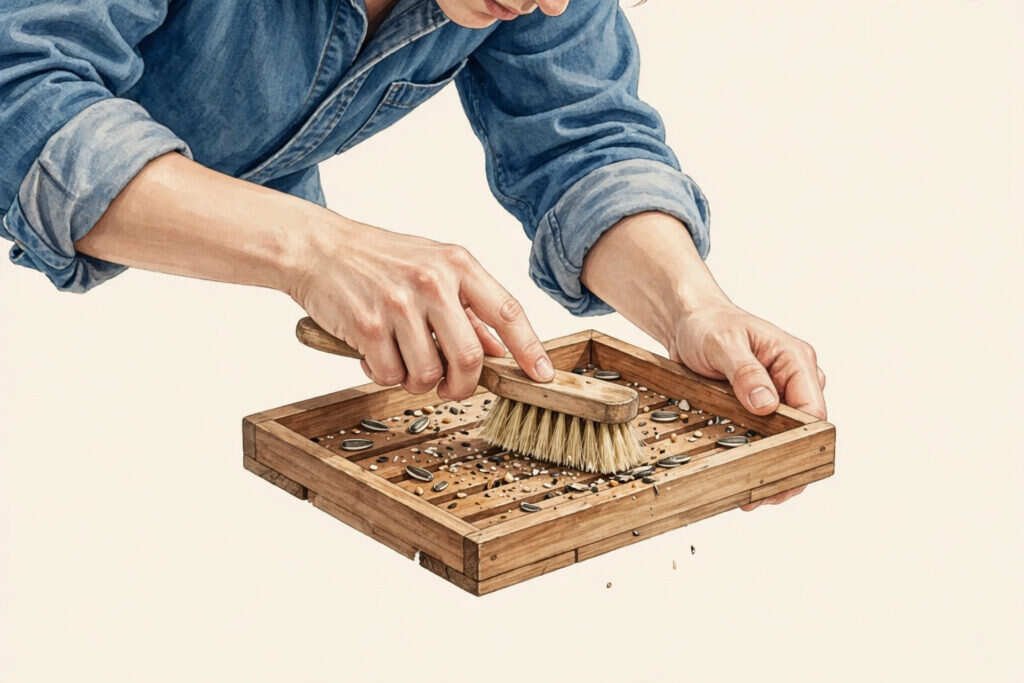
Feeders should have drainage holes and be covered by a roof or baffle to stop water getting into the feeders. Tray feeders should be cleaned out once a week in wet weather, more often if there has been heavy rain. Remove any old husks and damp build up.
If you are feeding on the ground in wet weather, you need to be careful. The seed can get very sticky, moldy, or attract rodents. Try to feed in a raised feeder with drainage or a tray feeder. If you have to feed on the ground, only put out as much seed as the birds will eat in one day. Any extra seed should be raked up.
Suet can cause problems in damp mild weather. It can soften, turn crumbly, and go rancid quicker in warm moist weather. Suet cages will help keep your suet block dry. If you see any blocks that look like they are going soft or have a bad smell then replace them.
Don’t use large blocks of suet that will be left for weeks. A small block of suet that can be replaced regularly will work just as well for the woodpeckers and chickadees and there will be less wastage.
There may be plenty of water in the ponds and puddles in the South. But it can go stagnant. A clean birdbath that you regularly fill will still attract birds. Make sure it is shallow and has a rough surface or stones to stand on. If algae begins to build up, clean the bath out.
What a Milder North Means for Feeder Visits
A mild winter in the north doesn’t mean you will see no birds at all. There will be changes in the balance between birds feeding naturally and those feeding from feeders. The higher than average temperatures will mean that berries, seeds and insects will be available for longer.
This may mean you see fewer birds coming to your feeders on milder days. While this can be a bit disappointing, it also means they are still getting food in the wild.
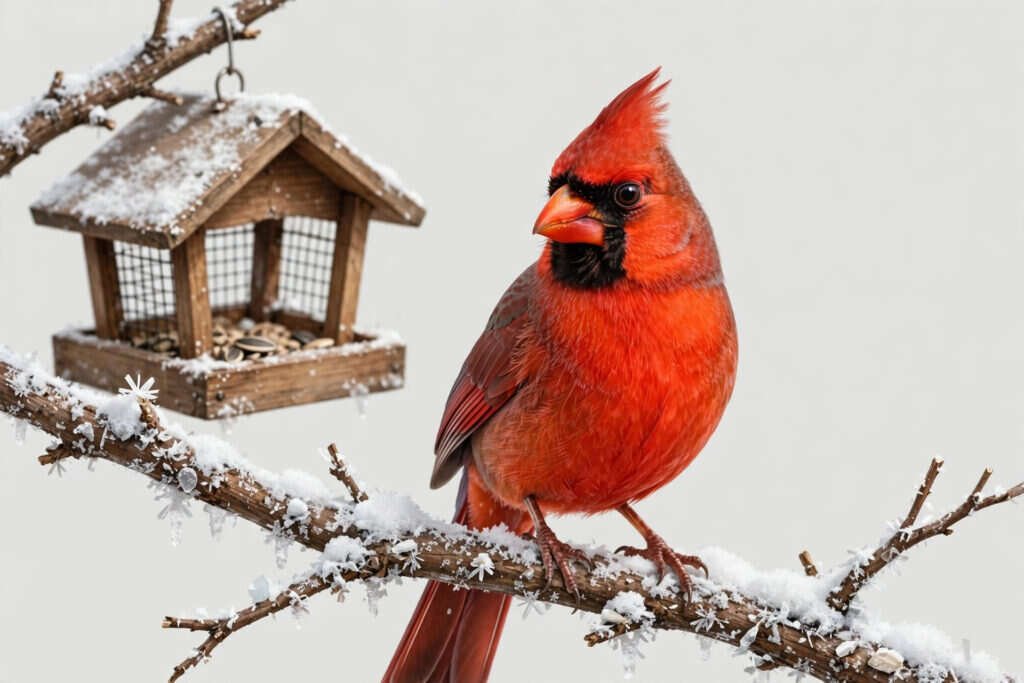
Don’t stop feeding during a mild period. The birds will become familiar with where to find good food and will visit feeders they know they can depend on during cold periods. If you run out of food at your feeder in December, you may not be their first choice in January.
Leave some food in so they continue to turn up. Fill feeders up in advance of any cold or snowy weather. Often after a cold front you will get a large increase in birds as those that have been feeding extensively will turn up to your feeders as their natural food source will be frozen or covered.
Another consideration in the northern areas is whether there will be snowfall. During a mild winter there may not be much snow. This means that ground feeding birds such as juncos and sparrows will still have access to seeds on the ground and so may not visit your feeders.
If you get snow (especially if it is wet and crusty), then ground feeders become very important. Having a cleared area underneath your feeder or a shallow tray in a sheltered spot will really help.
For general feeding recommendations for winter and what seeds to feed which birds, see our guide. To find out how birds cope in the cold, see our guide. These guides apply to an El Nino winter; however, you should use the regional feeding tips in this article.
Late Migrants, Lingering Birds, and Surprises to Watch For
Another interesting effect of El Nino is that some migrants will remain later in a mild Autumn and early Winter. This means they might not get as far as they usually would for their wintering sites. For example, you may still see a warbler in the southern states of the USA in December instead of them moving on to Central America by November. Hummingbirds may also stay a few weeks longer at feeders in the Southeast or Gulf Coast.
However, there is an increased chance of seeing late migrants. But if the weather remains mild throughout December, then they might get caught out when temperatures suddenly drop in January and won’t have much time to move south.
If you do spot any late migrant birds, leave your feeders out and provide fresh water. It is helpful to log any late migrants as this can help researchers to understand changes in migration patterns during warm winters.
Look out for any species that you wouldn’t normally see in winter. El Nino winters are famous for being full of surprises because the weather patterns will have changed meaning the species will have different food sources and habitats available.
If you see any western species in the East or eastern species further North than usual, have a good look and take a photo. However, not every unusual bird you see will be due to El Nino. Many birds will be seen as vagrants every year due to a variety of reasons. It is unlikely that one sighting will be due to a climatic reason.
Your El Nino Winter Feeder Plan
A simple plan beats a complicated one. Start with the basics, then adjust by region.
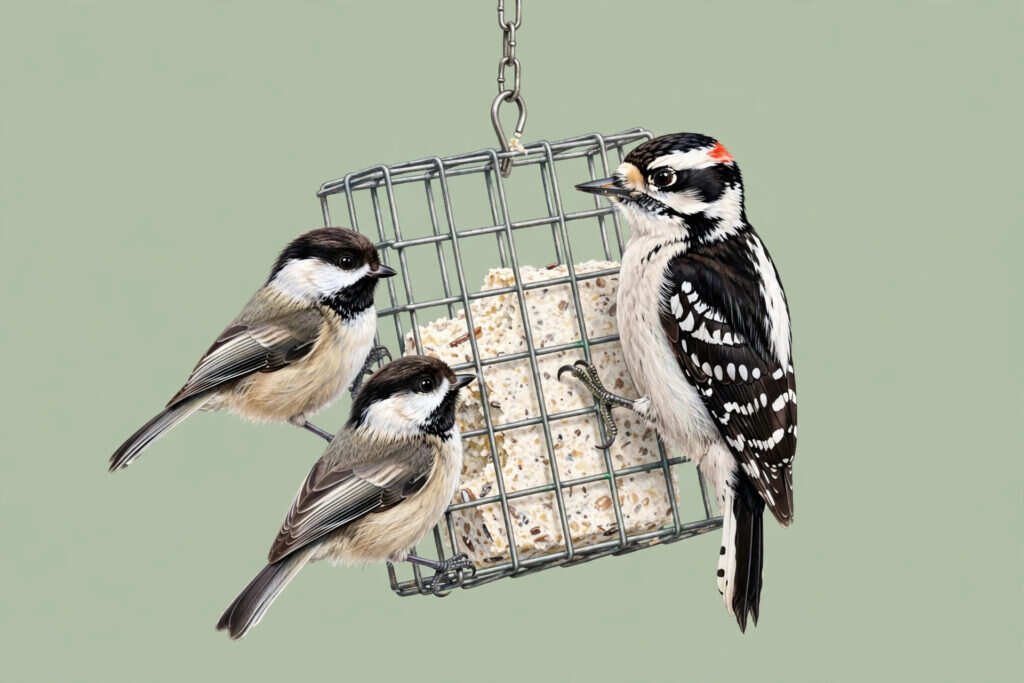
- Use black oil sunflower seeds as a base. Add some nyjer for the finches and some suet for the woodpeckers and chickadees. Don’t use cheap seed mixes. They have a lot of filler in them, which won’t be eaten and can cause mold.
- Clean feeders weekly with a brush, hot water, and a diluted bleach solution if needed. Rinse and dry thoroughly.
- Do not fill feeders to the top in wet/mild weather. This allows the seed to turn over quicker. Top up before any storms or cold spells.
- Keep a clean birdbath. A heated birdbath will help in the North. In the South, ensure you top up after any storms.
- Feeders should be placed near shrubs or evergreens. This provides shelter from wind and predators. However, don’t place them too close to thick cover, as cats can easily pounce on them.
- Track any changes in feeder visits. If there is an abrupt fall, it may be because plenty of natural food is available. An abrupt increase often means a storm is on the way.
In colder weather, see below. Even in a warmer than usual El Niño winter in the North, a frozen birdbath can still be a problem on the coldest nights.
Storms, Ice, and Sudden Cold Snaps: The Exceptions
The most dangerous thing to do in an El Nino winter is to do nothing! While the weather will be warmer, you still need to be careful of one major incident. Ice storms can leave birds unable to access their natural food source while feeding, as their branches and feeders will be covered in ice.
A sudden drop in temperature can leave any remaining migrants and birds without enough fat stores. Storms can cause flooding in coastal areas leaving birds no choice but to seek shelter in towns.
Always have a few spare seeds in a dry sealed container inside. Have a spare feeder so you can change your frozen or broken feeder quickly. Have a birdbath heater or kettle set up.
Fill feeders the day before a storm. If you can, clear any snow from your ground feeding areas. After the storm check your feeders for any damage and wet seeds.
After a storm, look out for stressed birds. If you see any birds on the ground or with ice in their feathers, get in contact with a wildlife rehabilitator for advice. Do not handle wild birds for long periods of time. Most will recover if they are able to feed and shelter. If they are unable to fly, then they will require assistance from professionals.
Frequently Asked Questions
Will El Nino make my winter warmer?
So there is a higher chance of above average temperatures across much of the North. But this does not mean that it will be a warm winter. Seasonal forecasts are probabilities of what the temperature will do over a 3 month period. So you can expect to have a warmer bias, but you should also be prepared for some colder periods.
Should I feed birds differently in an El Nino winter?
The main foods will be sunflower seed, nyjer, suet, and fresh water. The feeding regime will differ between the South and North. In the South, clean the feeders more regularly than in the North, and there will be less food available. In the North, keep feeding through mild weather so that the birds come back when it gets cold.
Will I see fewer birds at my feeder in a mild winter?
Possibly on warmer days, as natural foods will last longer. Just ensure that your feeders are well filled and watch out for increased activity before and during cold periods. Often there is increased activity at this time of year.
Does El Nino bring new birds to my yard?
It can be, but not always. If you keep a record of dates, photos and any unusual sightings. Trends will help give more information if lots of people are recording.
Is this El Nino really historic?
There is an 83% likelihood that we will see the October-December RONI at 2.5 degrees Celsius or higher in October 2026. This will break the record since 1950. The final ranking will depend on the actual data observed up to the peak of the event.
What if my region is not mentioned in the outlook?
Check your local National Weather Service forecast and your state’s climate office summary. The El Niño patterns are quite general and may be overcome by local conditions such as topography, elevation and coastal effects. Local forecasts will be more important for day-to-day feeding decisions.
Conclusion
Overall, it is going to be a historic El Niño winter. Most of the South will be wetter with a higher risk of mold. Most of the North will be milder with less feeder activity on warm days, and feeding on the West Coast will be uncertain.
There will be some stormy and cold weather. Overall, feed more when it’s wet, feed during the mild weather, boost before the stormy weather, and make sure you have water.
Some interesting things to look out for will be any late migrants, a boost before the front hits, and any unexpected birds. Keep a log to track what you see and report any unusual sightings. Your feeding should change throughout the winter.
Sources and Further Reading
The facts in this guide were checked against these authoritative sources: